You see "Merino wool" on the tags of high-end sweaters, and you know it's a sign of quality. But you're not sure what actually makes it so special compared to other materials. This makes it hard to justify the higher cost to your team or customers.
What makes Merino wool special is its unique combination of ultra-fine fibers and natural performance. It delivers exceptional softness without itchiness, regulates body temperature, wicks away moisture, and resists odor, making it a complete high-performance fiber, not just another soft material.
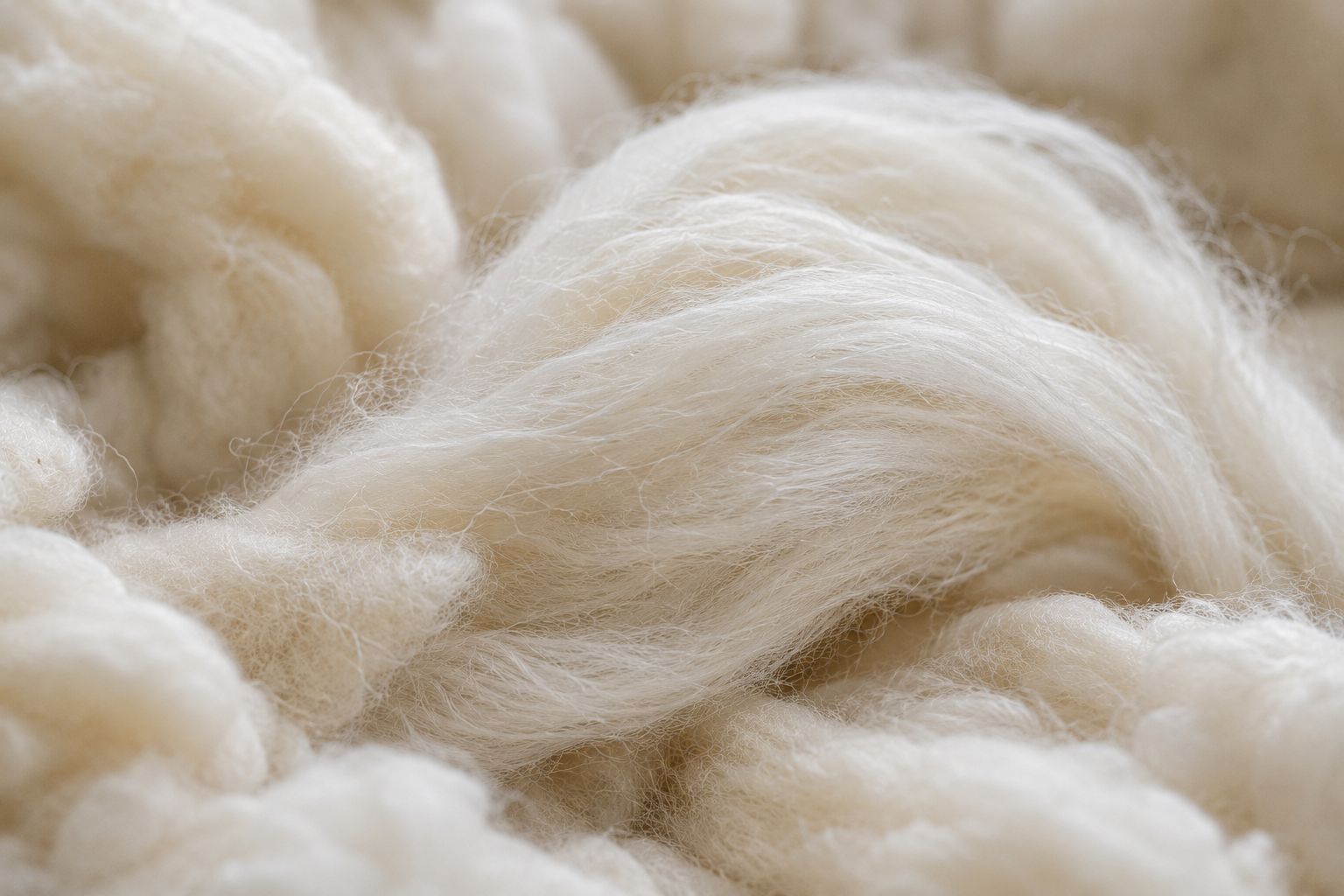
As a manufacturer, we've spent over 13 years working with countless types of yarn. We see Merino wool not just as a raw material, but as an engineered natural fiber. Its special qualities aren't magic; they are specific, measurable properties that we optimize during the production process. The final sweater's quality is a direct result of both the fiber itself and the craftsmanship behind it. Let's dive into what makes this yarn the go-to choice for premium knitwear.
What is so great about merino wool?
You know Merino is "good," but you struggle to explain exactly why it's a superior choice. Simply calling it "soft" doesn't capture the full picture and fails to justify its premium position in a competitive market.
The greatness of Merino wool lies in its versatility as a "smart" fiber. It's not about a single attribute, but its ability to be soft, warm yet breathable, moisture-wicking, and odor-resistant all at once. This combination of benefits is what truly sets it apart.
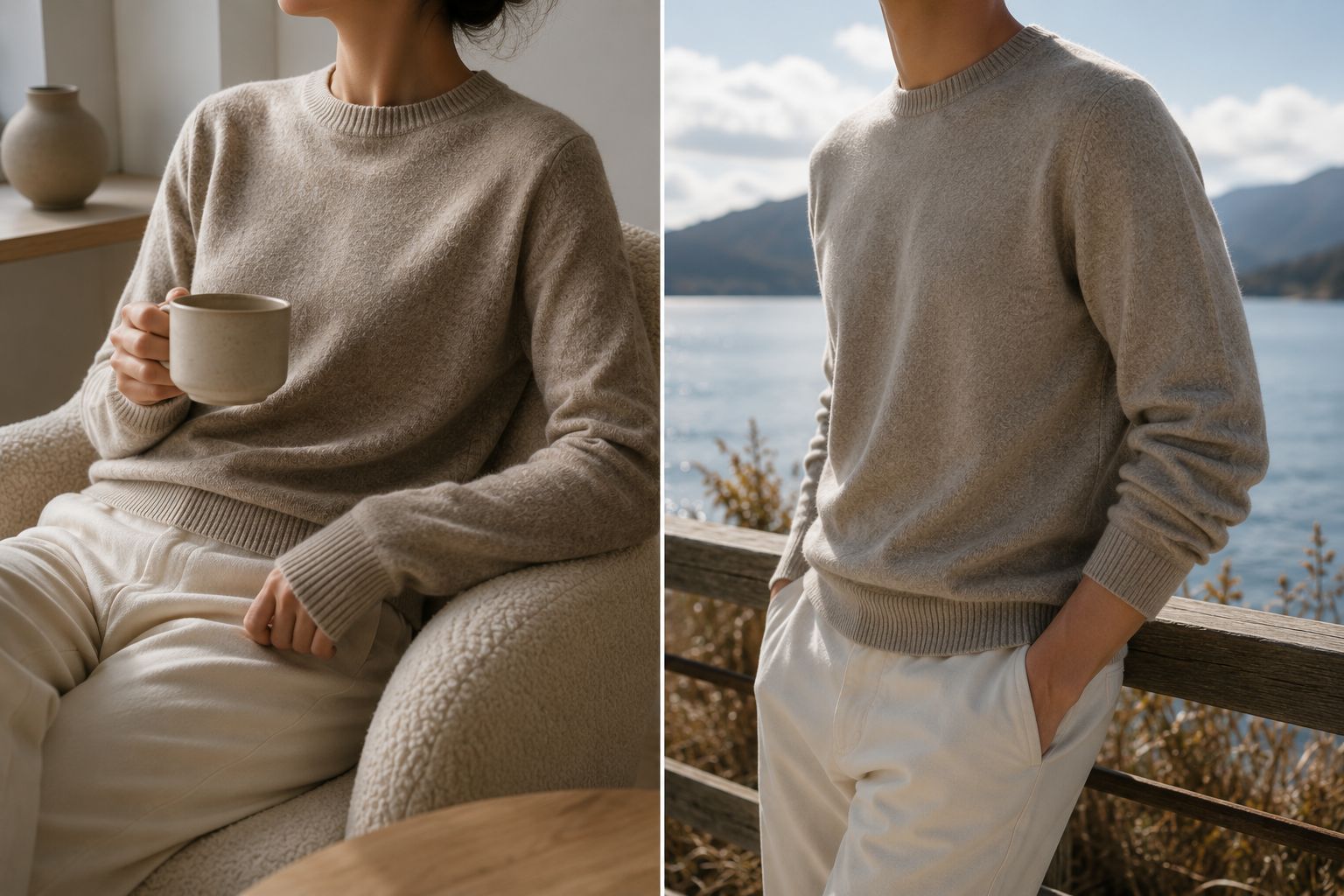
From a product development perspective, Merino wool is a problem-solver. It addresses the core needs of a modern wardrobe: comfort, performance, and durability. The secret starts with the fiber's fineness, measured in microns. We work with Merino fibers that are often under 18.5 microns, which is why they feel incredibly soft and don't itch. But the greatness goes deeper. This fiber actively manages the microclimate between the garment and your skin. It pulls moisture vapor away before it turns to sweat, keeping you dry. It’s also naturally elastic, so sweaters retain their shape after years of wear. For brands, this means you are offering a product with tangible, long-lasting value that performs across seasons and situations. It isn’t just a sweater; it’s a piece of versatile, high-performance apparel.
Does merino wool keep you warm?
You see a lightweight, finely-knit Merino sweater and assume it's only for spring or autumn. It seems too thin to offer real warmth, especially compared to the bulky, traditional wool sweaters you're used to.
This is a common misunderstanding. The warmth of Merino wool comes from its intelligent structure, not from its weight or thickness. Yes, Merino wool keeps you exceptionally warm. Its natural crimp creates thousands of tiny air pockets that trap your body heat, acting as a powerful insulator. This provides impressive warmth without the bulk.
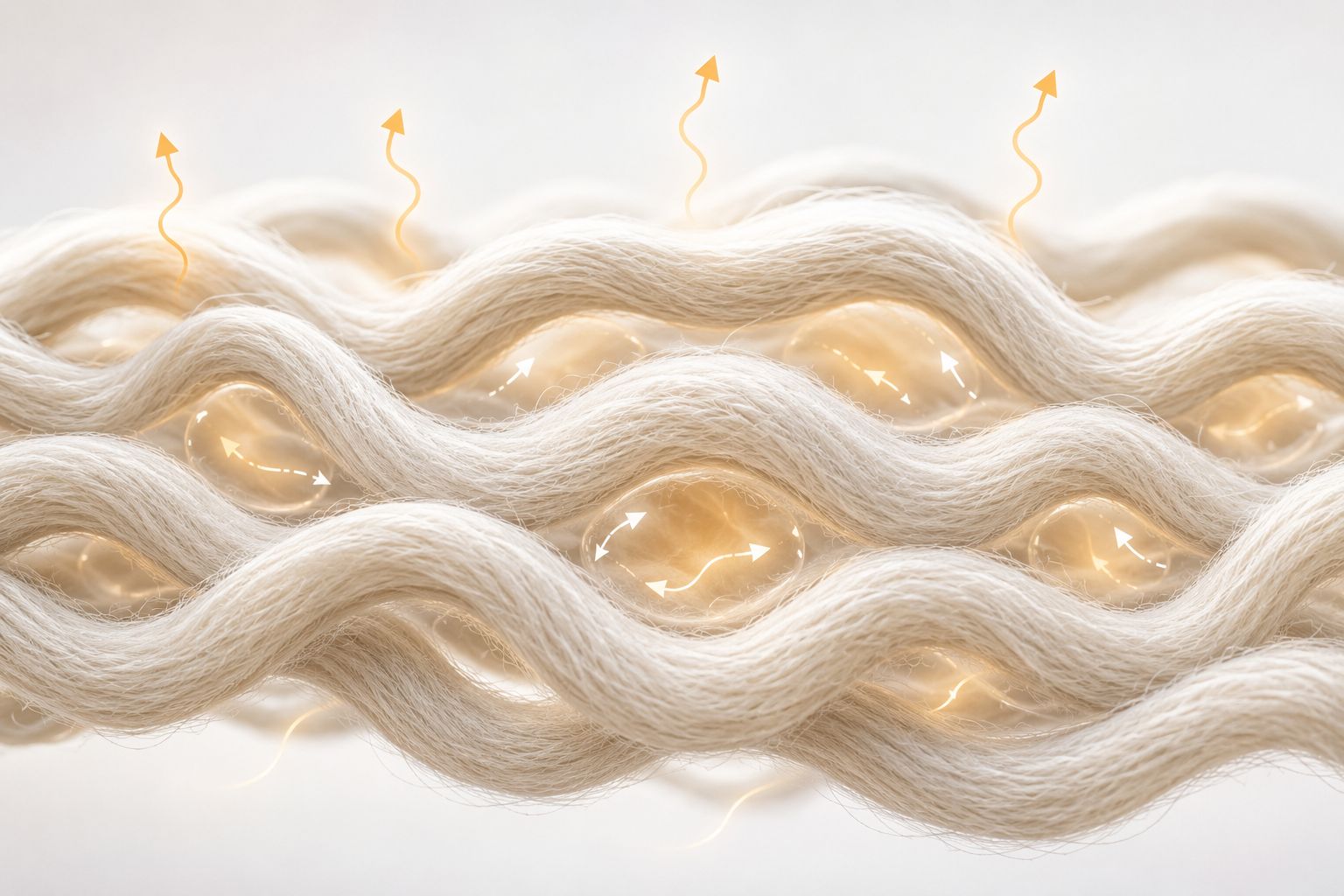
In our manufacturing process, we call this "lightweight warmth," and it's one of Merino's key advantages. The fiber's natural wave, or "crimp," is much more pronounced than in regular wool. These crimps create insulating air pockets that are highly efficient at holding warmth close to your body. At the same time, the fiber remains highly breathable. This means it provides "active" insulation. It keeps you warm when you are still, but it releases excess heat and moisture when you are active, so you don't overheat. This is something cotton or synthetic fibers can't do as effectively. As manufacturers, we can further engineer the warmth by selecting the right yarn count and knit structure. A tighter knit made with a multi-ply yarn will trap more air and feel warmer, even if the sweater itself feels light and refined.
What are the disadvantages of merino wool?
You've heard all the amazing benefits of Merino wool, but you're a practical product developer. You know that every material has its trade-offs, and you're worried about hidden costs, durability issues, or special care requirements.
Being aware of the challenges is crucial for making smart sourcing decisions. The main disadvantages of Merino wool are its higher cost compared to other fibers, its potential to pill if not processed correctly, and its need for more gentle care than rugged synthetics.
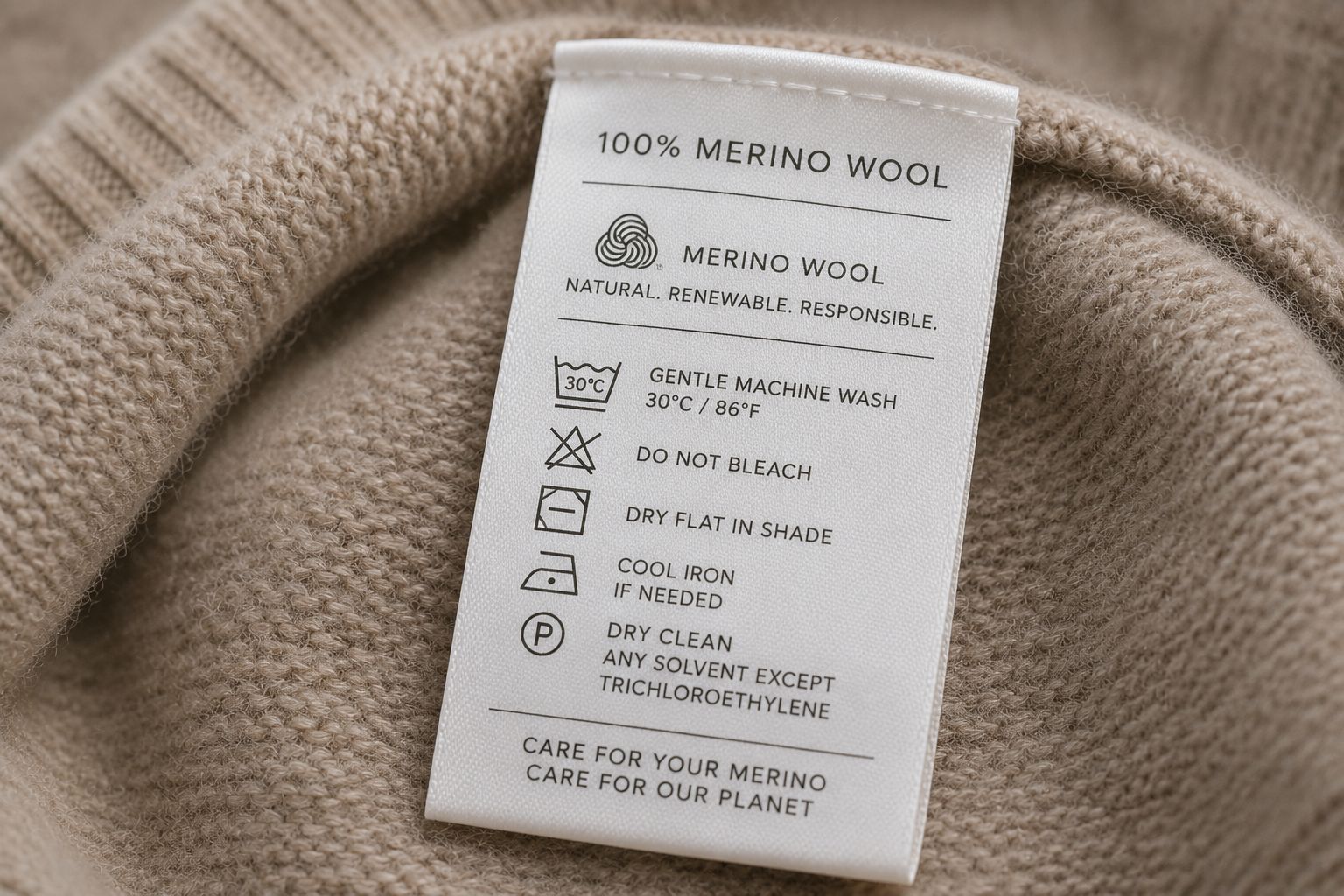
However, these disadvantages can be managed with the right manufacturing partner. Cost is a factor, but it reflects the fiber's superior performance and comfort. For some products, we recommend Merino blends—for example, adding a small amount of nylon can significantly increase abrasion resistance for outerwear, balancing cost and durability. Pilling is another concern, but it's not inevitable. It's often caused by using shorter fibers or yarns with a low twist. We prevent this by selecting high-quality, long-staple Merino and engineering the yarn with the optimal twist to balance softness and strength. Finally, while Merino does require gentle washing, we can apply a "Superwash" treatment. This environmentally safe process makes the yarn machine-washable, adding a huge convenience factor for the end consumer.
| Disadvantage | Our Manufacturing Solution |
|---|---|
| Higher Cost | Offer strategic blends (e.g., Merino/Nylon) to balance performance and budget. Focus on the value of longevity. |
| Pilling Risk | Use long-staple fibers and engineer yarn twist to create a durable, pill-resistant surface. |
| Delicate Care | Apply Superwash treatments to create machine-washable garments. Provide clear care instructions to educate consumers. |
Conclusion
Merino wool is special because of its fine fibers and natural performance. But its true potential is unlocked by expert manufacturing that balances softness, durability, and function for your specific product.