Are you afraid of ruining your favorite wool sweater in the wash? One wrong cycle can turn a perfect garment into a tiny, felted mess, but it doesn't have to be a risk.
The outcome depends on the yarn treatment and sweater construction, not just the washing machine. With proper engineering—like Superwash-treated yarn and a stable knit structure—many wool garments can be machine washed safely. Always check the care label and use a cold, gentle cycle.
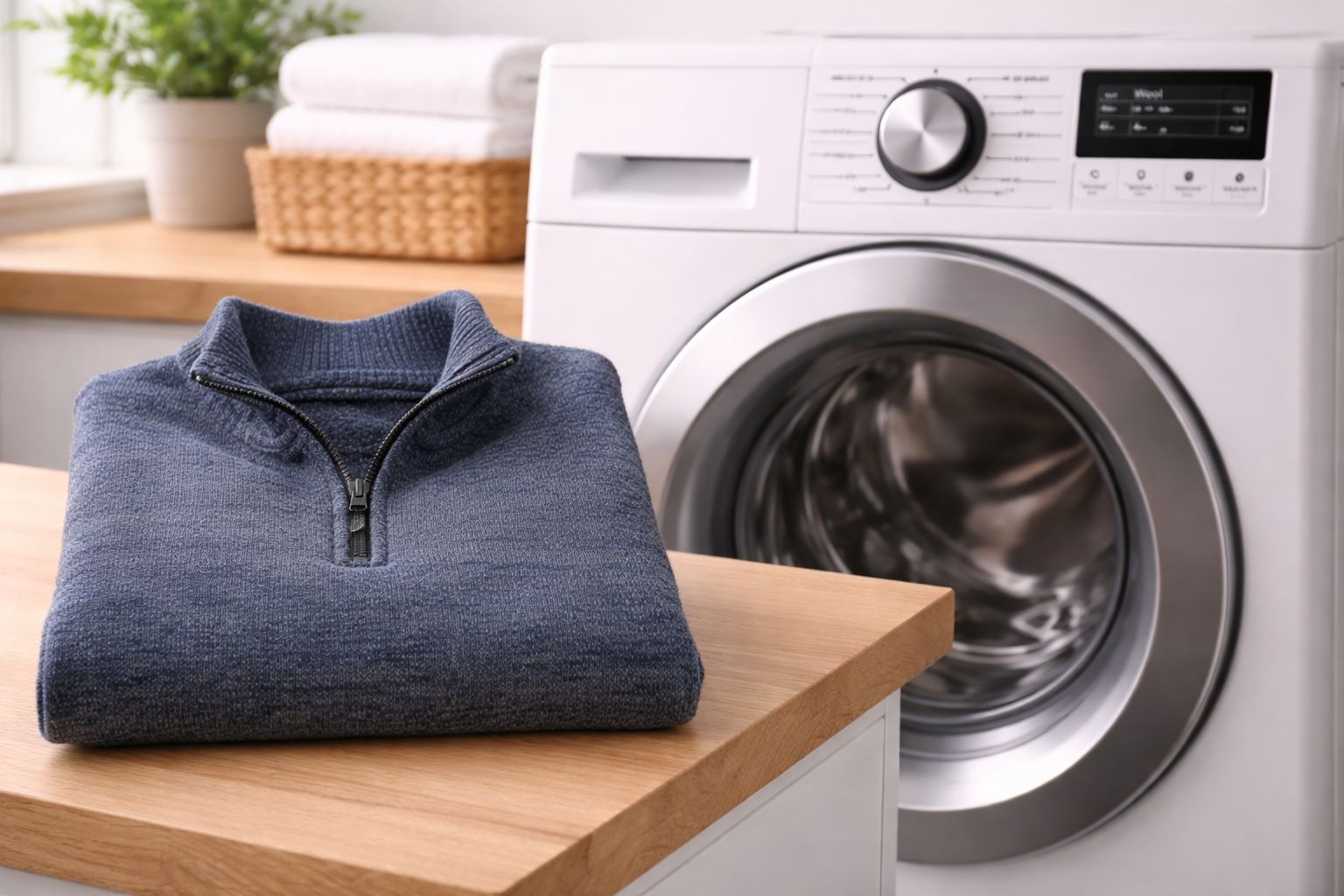
As a product development manager, this is the number one question I get from my team and even from customers. The fear is real. We've all heard horror stories, or maybe even experienced one ourselves. I remember a beautiful sample sweater that accidentally went through a standard wash and came out looking like it was made for a doll. The real answer, however, is much more interesting than a simple "yes" or "no." It’s an issue we solve in the development phase, long before the sweater ever reaches a washing machine. So, let's break down what really happens.
Can you wash 100% wool in a machine?
You see "100% wool" on a label and probably assume it's hand-wash only. This can feel limiting for your customers and your brand. But today, many 100% wool garments are engineered for easy care.
Yes, you can wash 100% wool in a machine if it's been specifically treated to be machine-washable. This technical process stabilizes the wool fibers to prevent felting. Not all 100% wool is the same, so always trust the care label instructions.
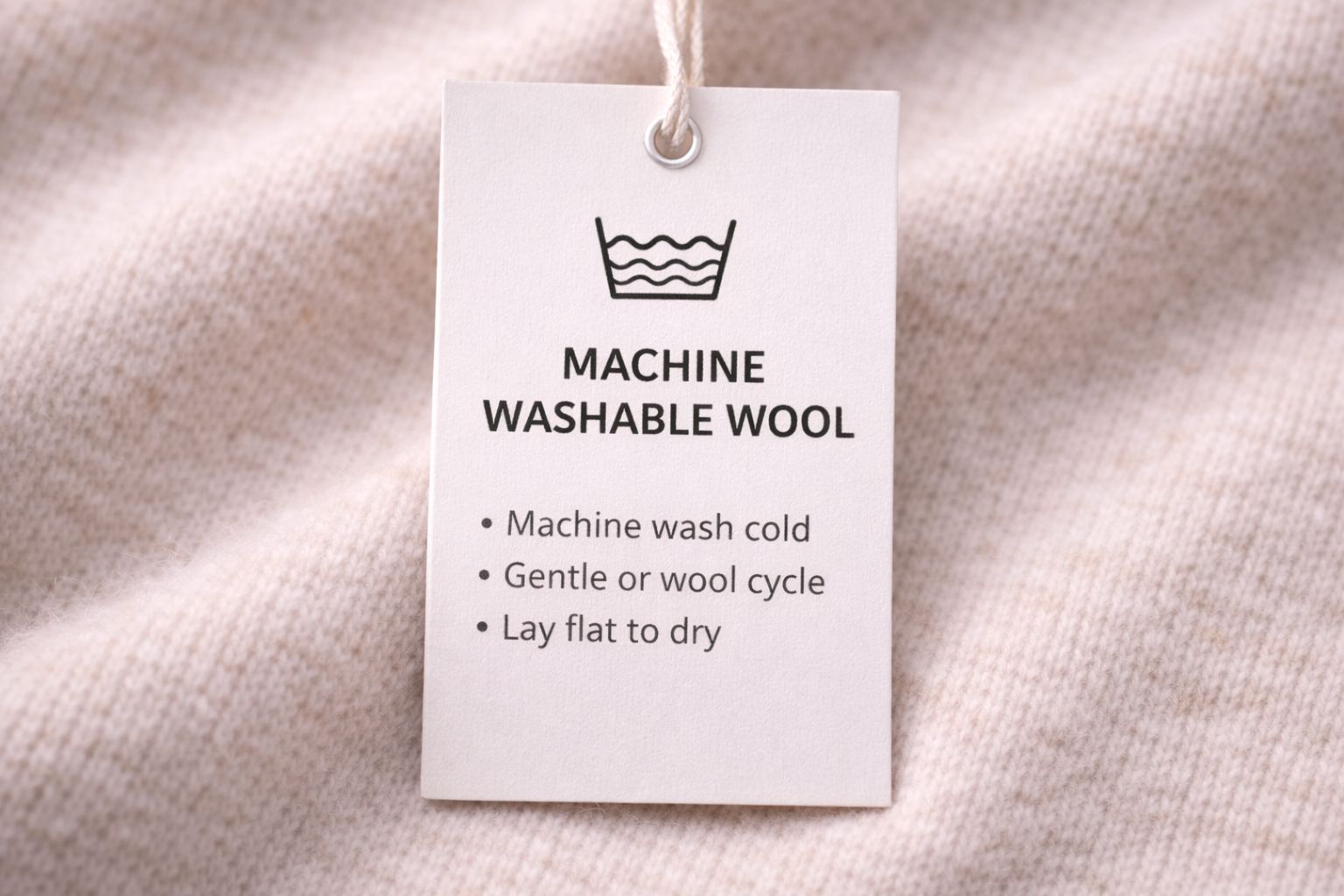
When we say "machine-washable wool," we're not talking about a marketing term. It's an engineering outcome. The most common method is a treatment called Superwash. This process either removes the microscopic scales from the wool fibers or coats them with a fine polymer. These scales are what cause felting when they interlock under heat, water, and friction. By neutralizing them, the yarn becomes stable enough for a gentle machine cycle.
However, as a brand, we must make a careful choice. This treatment can slightly alter the natural hand-feel of the wool. That’s why we work closely with manufacturers like HD Merino. They help us weigh the options. We need to decide: is the convenience of machine washing more important for this specific product than preserving the raw, natural texture of untreated wool? It's a balance between performance, feel, and sustainability.
| Feature | Untreated Wool | Machine-Washable Wool |
|---|---|---|
| Care | Hand wash cold, lay flat to dry | Machine wash cold, gentle cycle |
| Hand-Feel | Exceptionally soft, natural texture | Still soft, but slightly smoother |
| Risk of Shrinking | High, if washed incorrectly | Very low, when following label |
| Best For | Luxury, premium statement pieces | Everyday wear, performance layers |
Is it safe to wash wool in a washing machine?
Even when a label says "machine wash," you might still worry about damaging the garment. Every wash can feel like a risk to the sweater’s shape, size, and softness. The key is knowing what makes it safe.
It is safe to wash wool in a washing machine if two conditions are met: the garment was designed for it, and you use the correct method. Safety comes from stable yarn, a well-constructed knit, low temperature, and a low-spin cycle.
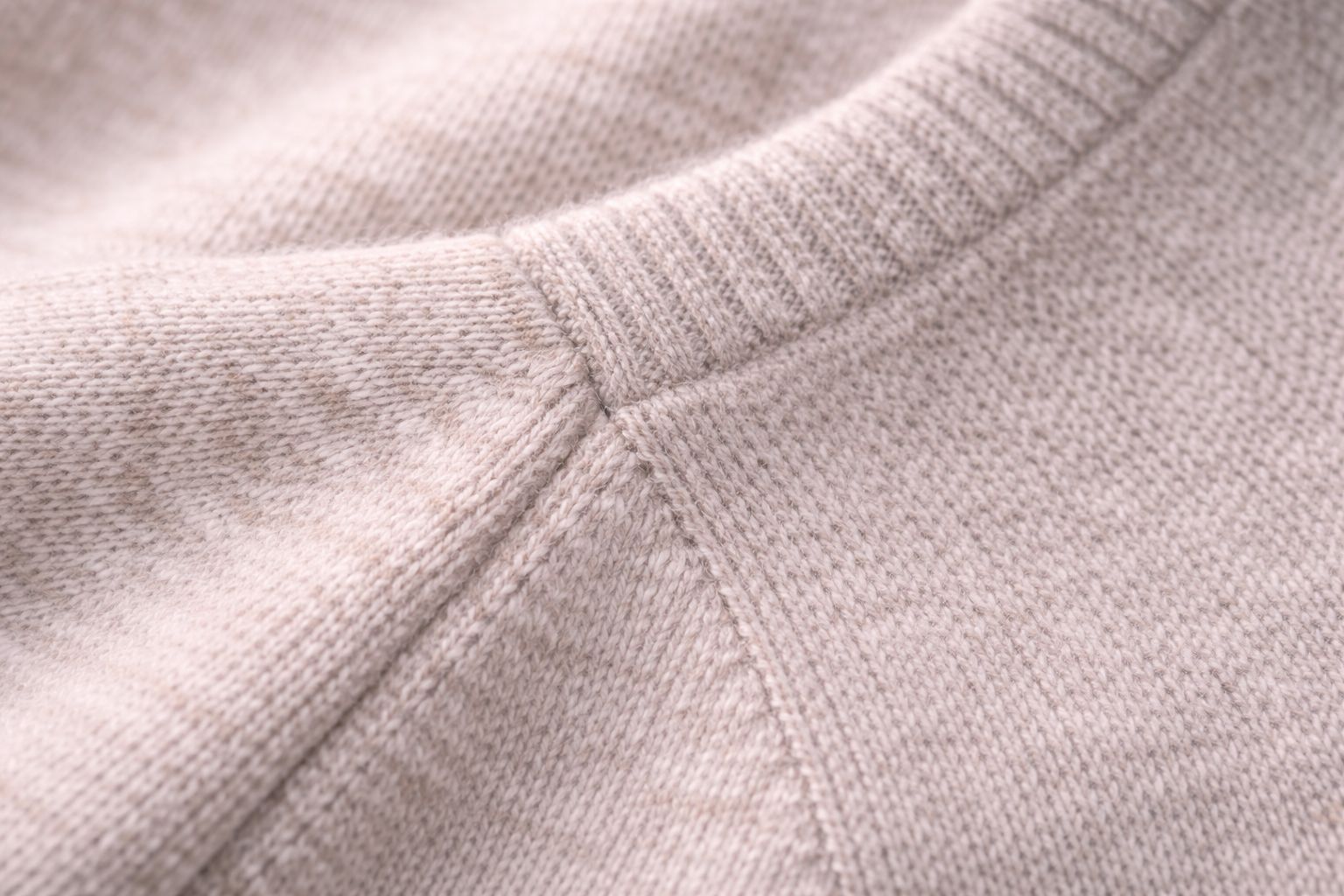
A sweater’s safety in the wash goes beyond just treated yarn. The manufacturing process plays a huge role. In my work, I lean on fully-fashioned knitting for this reason. Unlike cut-and-sew garments, where pieces are cut from a large fabric panel, fully-fashioned sweaters are knit to shape, piece by piece. The seams are linked, not sewn. This creates a more continuous and stable structure that is less likely to twist or deform after washing.
But even this technique isn't an automatic guarantee. The designer and manufacturer must make smart decisions together. We have to select the right gauge (needle size), yarn tension, and knit structure. A loose, open knit will be less stable than a denser, tighter one, regardless of the yarn. This is where a manufacturer's expertise is critical. They provide the technical guidance to ensure our creative designs are also durable. True safety is a result of this collaboration—it's engineered into the product from the very beginning.
Does 100% wool shrink when washed?
You pull a wool sweater from the wash and it’s a fraction of its original size. This shrinking is the most common fear. But does it always happen, and can it be prevented?
Yes, 100% wool can shrink dramatically if exposed to heat and agitation, causing the fibers to felt and lock together permanently. However, wool that is properly treated and washed in cold water on a gentle cycle will not shrink significantly.
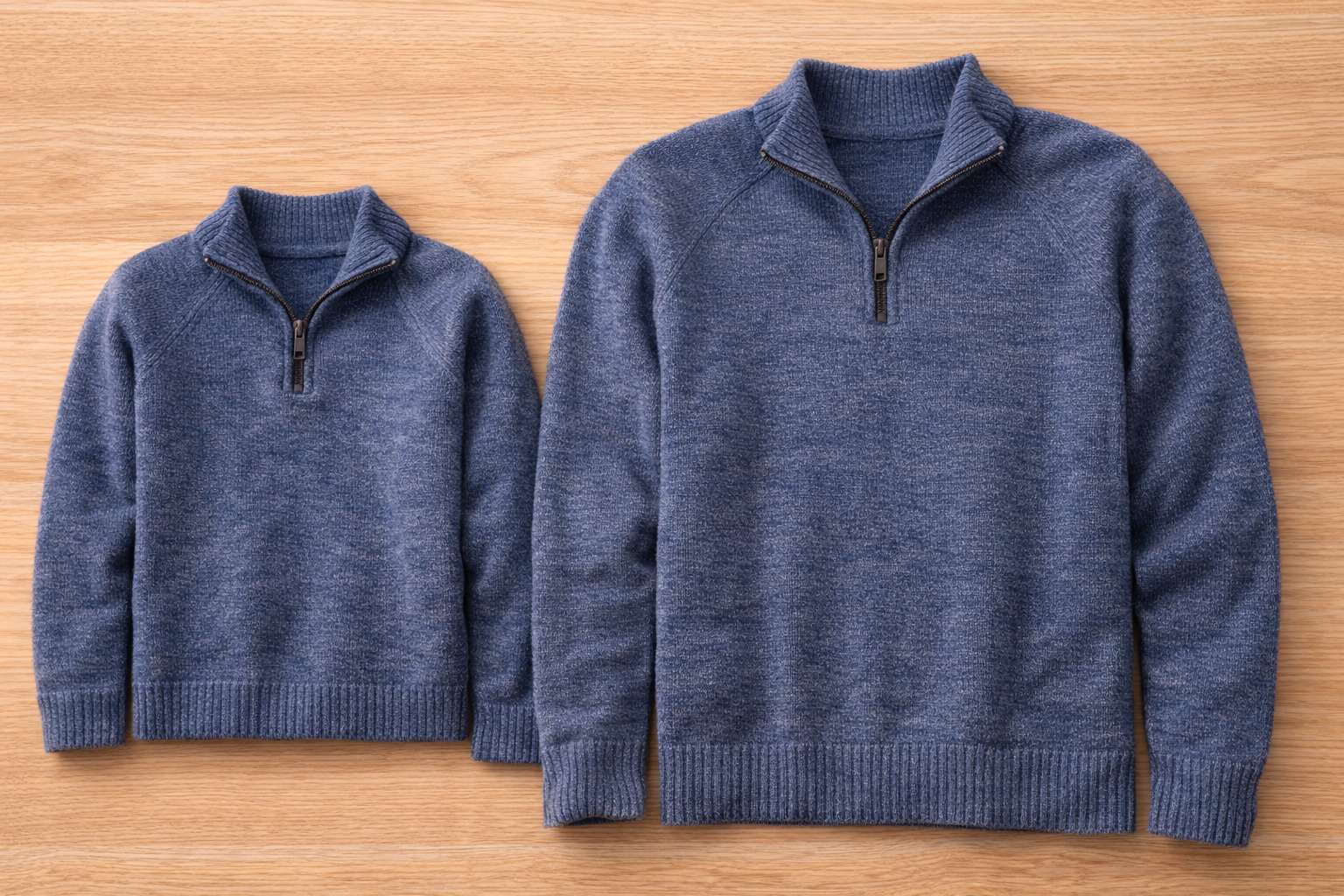
Shrinking isn't magic; it's a physical reaction. Wool fibers have outer scales, like shingles on a roof. When you combine them with hot water and friction (like the tumbling of a washer or dryer), these scales open up and grab onto each other, locking tight. This process is called felting, and it's almost always irreversible. The garment doesn't just get smaller—it becomes thicker and denser.
So, how do we prevent this catastrophe for the customer?
For the Person at Home:
- Use Cold Water: Heat is the primary enemy. Always select a cold or wool-specific cycle.
- Use Low Spin: High-speed spinning creates friction. A slow, gentle cycle is best.
- Use Wool Detergent: These are pH-neutral and gentler on the fibers.
- NEVER Use a Tumble Dryer: The combination of high heat and tumbling is the fastest way to shrink wool. Always lay the garment flat to air-dry away from direct heat or sunlight.
If you accidentally shrink a sweater, you might be able to gently stretch it back into shape while it's damp, but you can never "un-felt" it. We communicate this clearly on our care labels because responsible product design includes responsible user education.
Conclusion
Ultimately, whether a wool sweater survives the wash depends on informed decisions made during design and development—not luck. It relies on a partnership between a brand and a skilled manufacturer.