Struggling to choose the right material for your knitwear? The "Smartwool vs Merino wool" debate is confusing, making it hard to develop a product that meets your customers' exact needs.
Smartwool is a brand that primarily uses Merino wool blended with synthetic fibers. Merino wool is the raw, natural fiber itself. The best choice depends on whether you prioritize performance durability or pure, natural comfort.
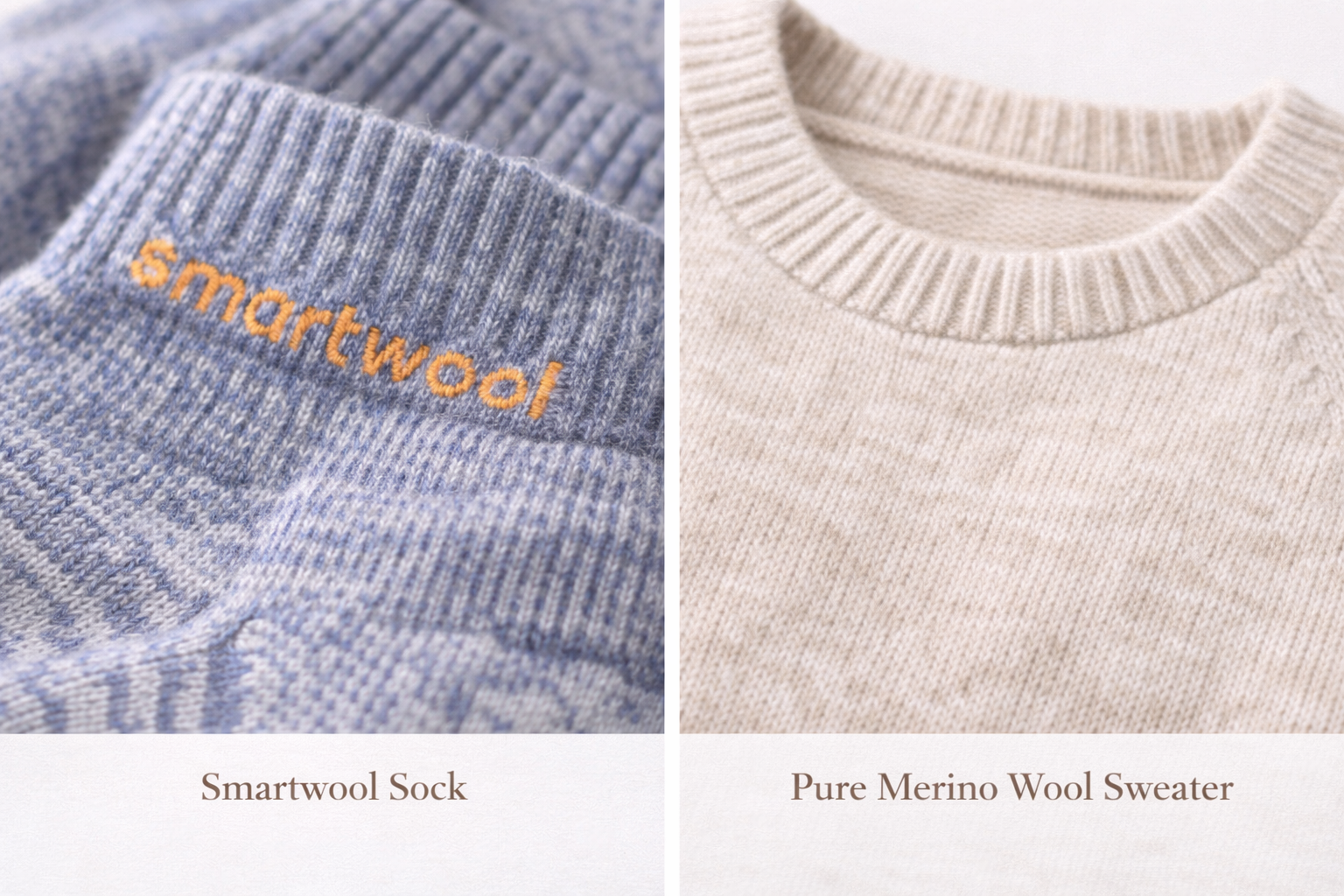
As a knitwear manufacturer, this is one of the most common questions I get from brand managers. Many customers think Smartwool is a type of super-wool, but it's really about the recipe. Smartwool's success lies in its smart blending for specific activities, like hiking. But for brands focused on timeless style and luxurious comfort, the conversation shifts. Understanding the fundamental difference—a performance brand versus a premium natural fiber—is the first step to making a strategic decision for your next collection. This choice will define your product's story, feel, and target customer.
What is so special about Smartwool?
You see Smartwool everywhere in the outdoor gear market. But you're not sure what makes it different from any other wool garment, leaving you wondering if it's just marketing hype.
What makes Smartwool special is its functional blend. By combining Merino wool with nylon and elastane, the brand creates products with enhanced durability, stretch, and abrasion resistance specifically for high-intensity activities.
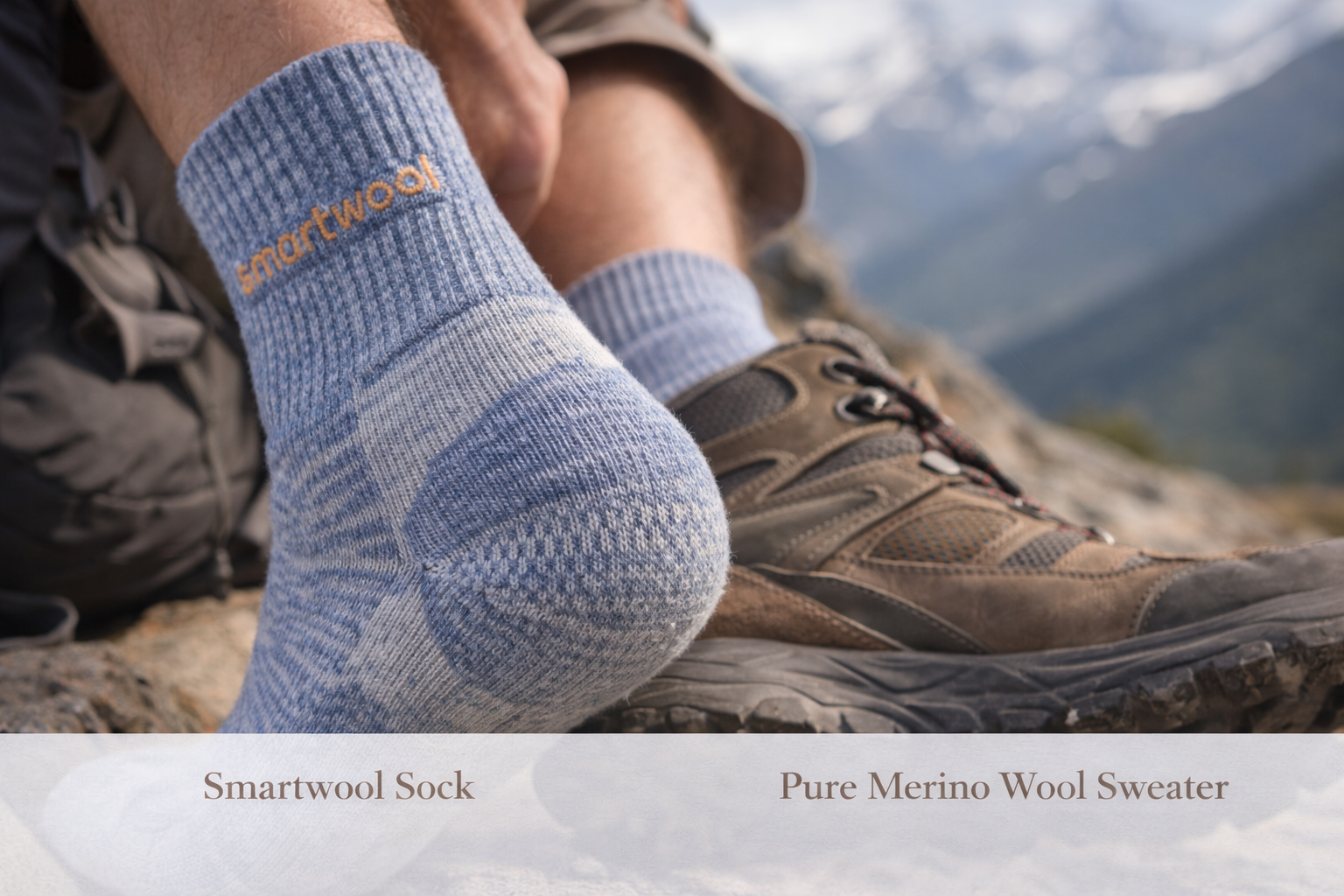
Think of Smartwool as a performance-engineered fabric, not just a fiber. The goal isn't pure, natural luxury; it's activity-focused function. The Merino wool provides the base benefits of softness and moisture-wicking, but the real "special sauce" is the addition of synthetic fibers. This is where we, as manufacturers, get technical. A product manager like Oliver, who develops high-end knitwear, would recognize this as a strategic choice. He might come to us for a pure Merino sweater for his mainline collection but ask for a Merino-nylon blend for a special travel or "performance casual" capsule. The nylon provides strength where it's needed most—like in the heels of socks or shoulders of a sweater meant to be worn with a backpack.
Smartwool's Blend vs. 100% Merino Wool
Understanding this difference is key to product development.
| Feature | Smartwool (Typical Blend) | 100% Merino Wool |
|---|---|---|
| Primary Goal | Durability & Performance | Natural Comfort & Softness |
| Composition | Merino Wool + Nylon/Elastane | 100% Natural Fiber |
| Best For | Hiking, skiing, high-intensity sports | Daily wear, office, travel, sophisticated layering |
| Key Advantage | Resists wear and tear, holds shape | Unmatched softness, breathability, odor-resistance |
| Feel | Soft but structured and resilient | Extremely soft, lightweight, and gentle on the skin |
Is Smartwool good for cold weather?
You need to develop a collection that promises warmth without bulk. Seeing Smartwool marketed for skiing makes you wonder if it's warmer than pure Merino wool and the best choice for cold weather.
Yes, Smartwool is excellent for cold weather, but its advantage comes from active use. The Merino wool base provides natural insulation, while its moisture-wicking properties keep you dry—and therefore warm—during physical activity.

Both Smartwool and 100% Merino wool are fantastic insulators. The secret to staying warm is staying dry. Merino wool fibers are masters at this—they can absorb up to 30% of their weight in moisture vapor before feeling wet. This is called moisture-wicking, and it's essential for thermal regulation. When you're active and sweating in the cold, a Smartwool garment pulls that moisture away from your skin, keeping you dry. This is why it shines in sports. However, for less active scenarios like commuting or office wear, 100% Merino wool provides superior warmth and breathability. Its fine fibers trap air, creating a natural insulating barrier. A pure Merino sweater might feel warmer in a static situation, while a Smartwool base layer will perform better when you're generating body heat. The choice isn't about which is "warmer," but about the context in which that warmth is needed.
What is the alternative to Smartwool?
You're impressed by Smartwool's success but want to create a unique product story. You're looking for alternatives that offer similar performance or a different kind of value for your customers.
The best alternative is to develop your own custom-blended or pure Merino wool garments. Partnering directly with a manufacturer gives you full control over fiber composition, sustainability certifications (like RWS), and final product performance.
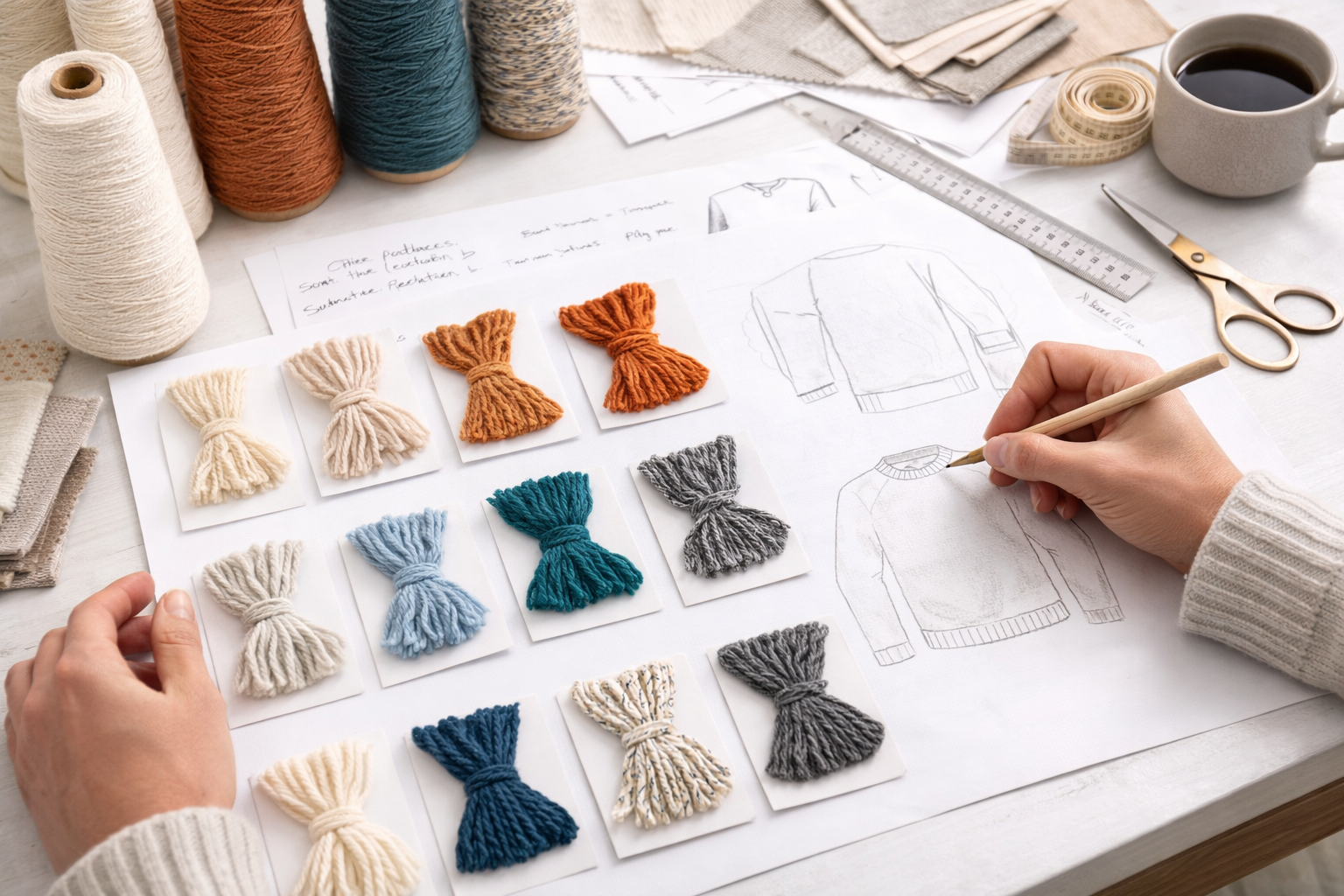
While brands like Icebreaker (focusing on pure Merino) and Patagonia (emphasizing recycled materials) are great retail alternatives, the most powerful alternative for a brand is custom development. This is where we partner with brands to become their innovation engine. Instead of buying a finished product off the shelf, you get to create your own signature fabric. Do you want a touch more durability? We can blend in 10% GRS-certified recycled nylon. Are you creating a luxury travel piece? We might suggest a 100% RWS-certified, 17.5-micron Merino for ultimate softness. As a fully-fashioned knitwear manufacturer, we provide over 100 new menswear development styles every month. We can create samples with different blend ratios, test them in our in-house lab for pilling and shrinkage, and provide transparent costings. This approach gives you a unique product that no one else has, backed by a sustainable story you can control.
Conclusion
Choosing between Smartwool and Merino wool is about defining your brand's purpose. Go with performance blends for active use, and choose pure Merino for unparalleled natural comfort and timeless style.