Choosing between sustainable materials feels like a constant battle. You want eco-friendly options, but the wrong choice can compromise quality and misrepresent your brand. Let's clarify this complex decision.
The best choice depends on your brand's goals. Organic cotton's sustainability comes from its pesticide-free farming, while Merino wool excels in its long, low-impact lifecycle. One champions agricultural purity, the other promotes "buy less, buy better" longevity. Neither is universally "better," just different.
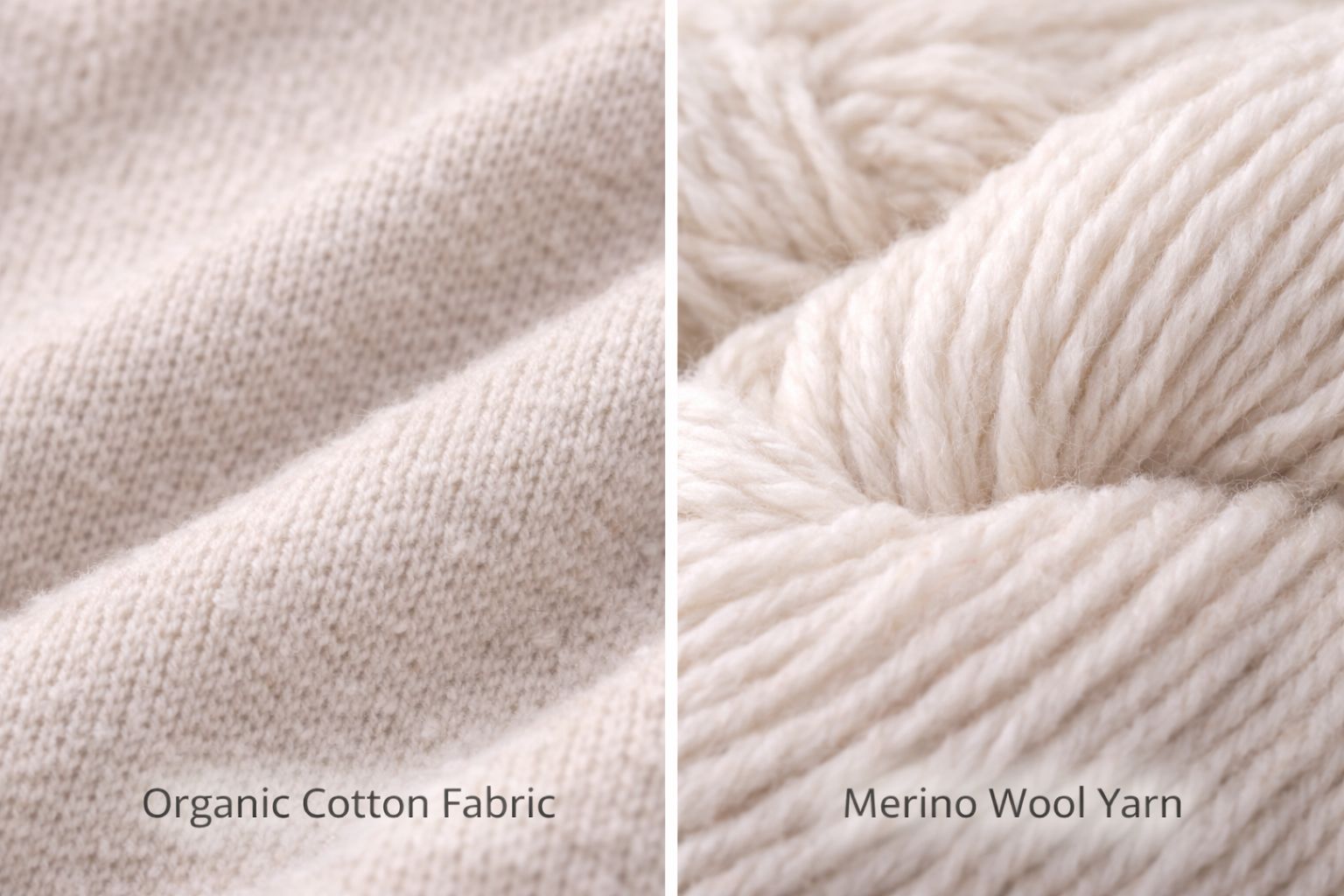
When product developers like Oliver from European menswear brands talk to us, this question comes up all the time. The debate of organic cotton vs Merino wool isn't about picking a winner. It's about understanding which material tells the right story for a specific product. A lightweight summer tee and a timeless winter sweater have very different performance needs and sustainability narratives. Choosing correctly means aligning the fiber's strengths with your design intent, your target customer, and your brand's core values. In my 13+ years in knitwear, I've seen that the most successful collections are built on this strategic foundation, not just on material trends. Let's break down how to make that choice for your brand.
Is organic cotton better than merino wool?
You hear "organic cotton" and assume it's the most eco-friendly choice. But this simple view overlooks Merino wool's powerful lifecycle benefits, which can limit your product's performance and story.
Organic cotton is "better" for its cultivation methods, a win for soil and farmers. Yet, Merino wool is often "better" for product longevity and care, lasting years with minimal washing. The "better" fiber depends on whether you prioritize agricultural impact or lifecycle performance.
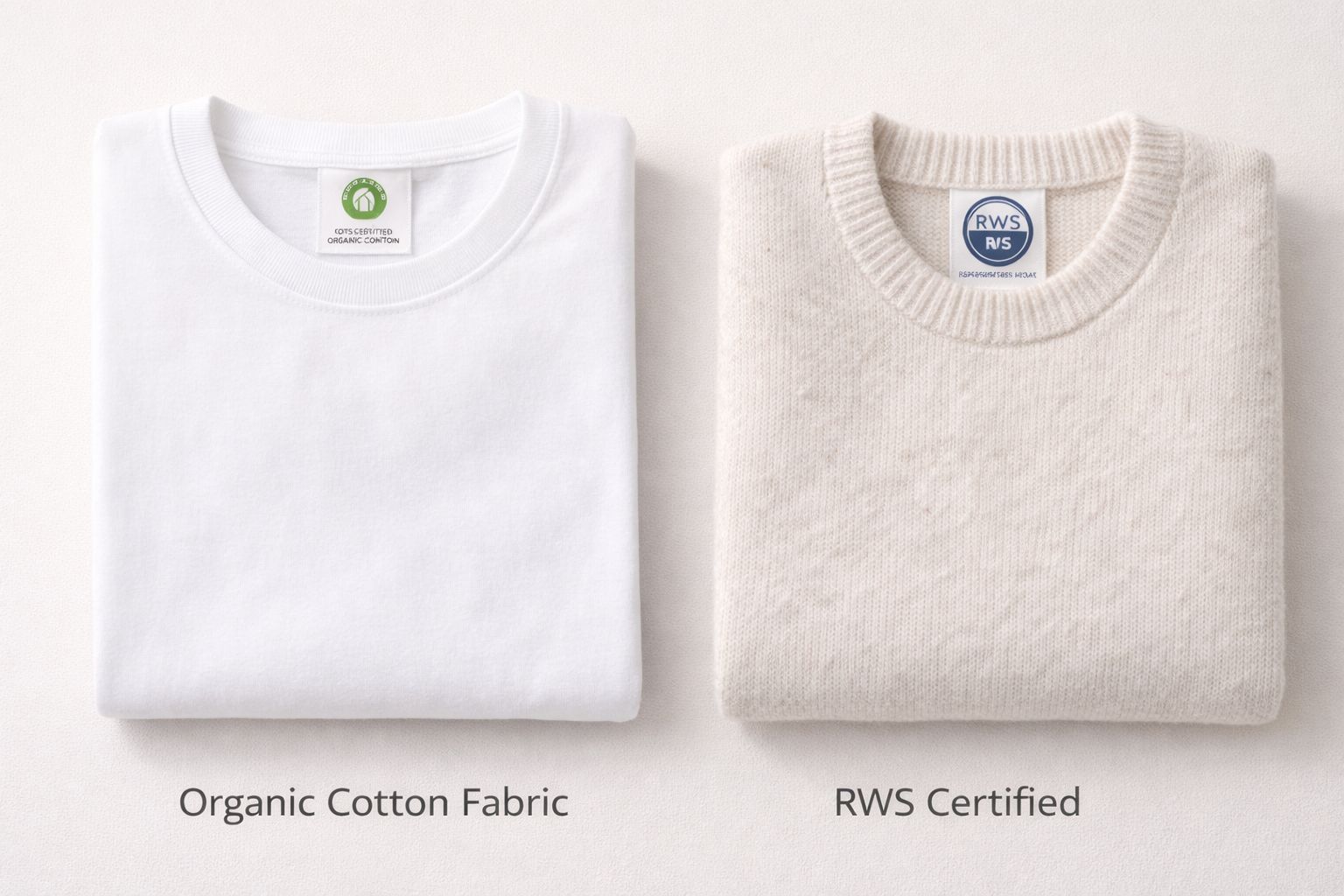
The sustainability paths of these two fibers are completely different. Your choice should reflect your brand's specific promise to the customer. We guide our partners to think about it this way: are you a lifestyle brand focused on natural, gentle materials, or a premium brand emphasizing performance and lasting quality?
Sustainability Focus
Organic cotton's story is rooted in its cultivation. By eliminating pesticides and GMO seeds, it protects soil health and water sources, a narrative that resonates strongly with eco-conscious consumers. This is supported by the Global Organic Textile Standard (GOTS), a certification we help brands secure.
Merino wool’s sustainability story is about the entire product lifecycle. Its durability and natural odor resistance mean it requires far less washing, saving water and energy. As a fiber, it’s renewable, biodegradable, and fits the "less but better" philosophy perfectly. Its key certification is the Responsible Wool Standard (RWS).
| Feature | Organic Cotton | Merino Wool |
|---|---|---|
| Brand Profile | Eco-conscious, natural lifestyle, sensitive skin | Premium, urban outdoor, sustainable luxury |
| Core Message | Gentle on the earth, gentle on you | Performance, longevity, "buy less, choose well" |
| Certification | GOTS | RWS |
Ultimately, neither is outright "better." They just serve different design languages and brand values.
Is organic cotton better for your skin?
Many brands market organic cotton as the ultimate skin-friendly material. But focusing only on cotton means you might miss out on Merino wool's unique next-to-skin benefits and performance advantages.
Yes, organic cotton is exceptionally gentle and hypoallergenic, making it ideal for sensitive skin. However, superfine Merino wool is also incredibly soft and offers superior moisture-wicking and thermal regulation, keeping skin dry and comfortable in a way that cotton cannot match.
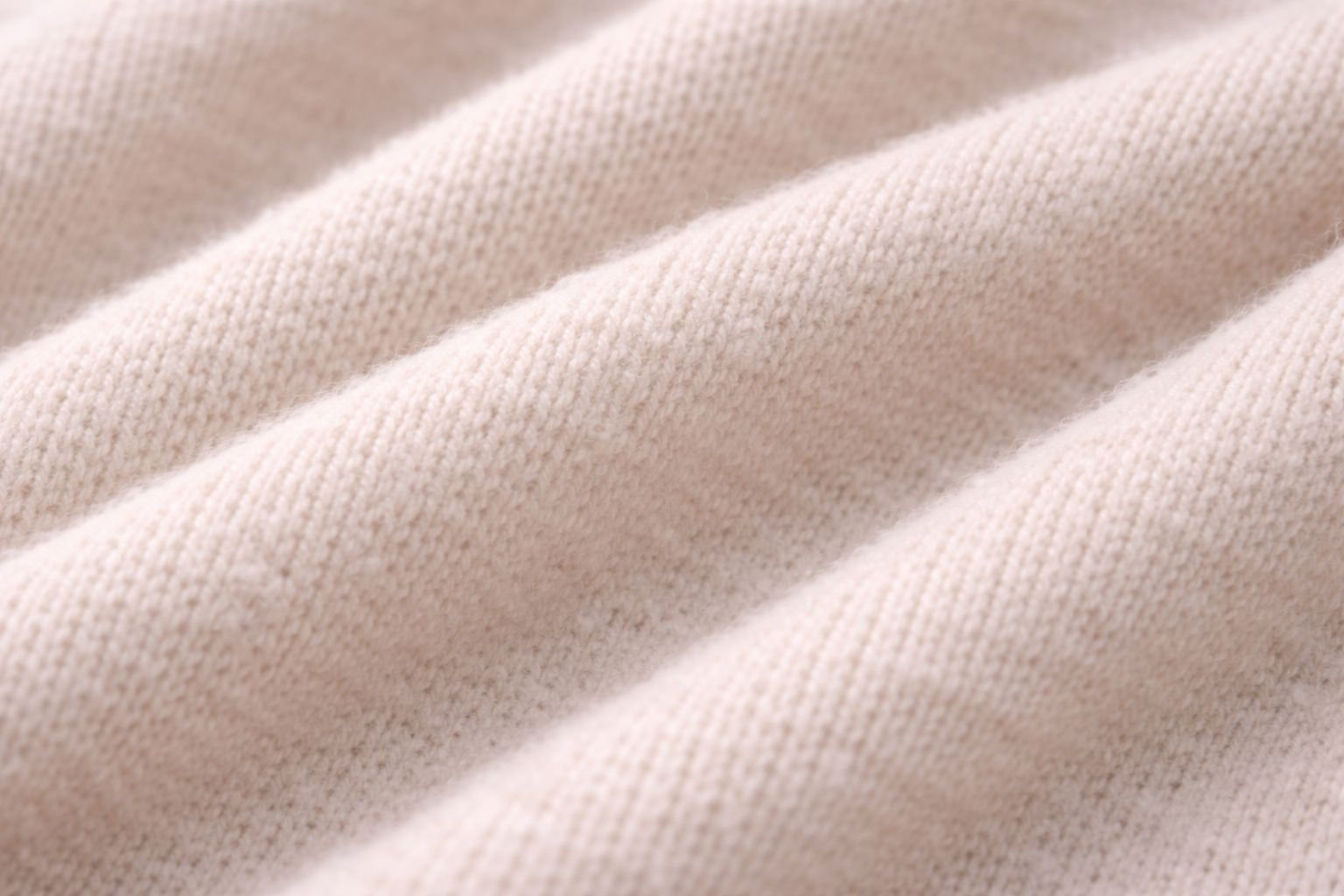
When we develop prototypes for clients, technical performance is just as important as the initial feel. While both fibers are soft, they behave very differently when worn. Organic cotton is highly absorbent, which can feel soft and breathable at first, but it holds moisture against the skin. Once you sweat, a cotton garment becomes damp, heavy, and can cause chilling. This is why we often recommend it for relaxed, lifestyle pieces where intense activity isn't expected.
Technical Performance for Skin Contact
Merino wool, on the other hand, is nature's performance fiber. Its fine fibers, often measuring less than 18.5 microns, bend softly against the skin without any itch. More importantly, it can absorb up to 30% of its weight in moisture vapor before it even feels wet. It actively pulls perspiration away from the skin and releases it into the air. This thermoregulating property keeps you warm when it's cold and cool when it's hot.
For our partners creating active or travel-focused collections, this is a game-changer. A Merino base layer is far more comfortable during a long commute or a day outdoors.
| Property | Organic Cotton | Superfine Merino Wool |
|---|---|---|
| Softness | Excellent, hypoallergenic | Excellent, non-itchy at fine microns |
| Moisture Management | High absorption, holds moisture, slow to dry | High absorption, wicks moisture away, fast to dry |
| Best Use Case | Casual wear, sensitive skin, lifestyle products | Base layers, activewear, travel, all-season wear |
Is cotton or merino better for summer?
It's natural to think of cotton for summer and wool for winter. This common belief can cause brands to overlook Merino wool's surprising effectiveness as a high-performance summer knitwear material.
Organic cotton is a classic choice for summer due to its breathability in light, open knits. However, lightweight Merino wool is often superior, as it actively manages heat and moisture, keeping you cooler and drier than cotton in warm, humid conditions.
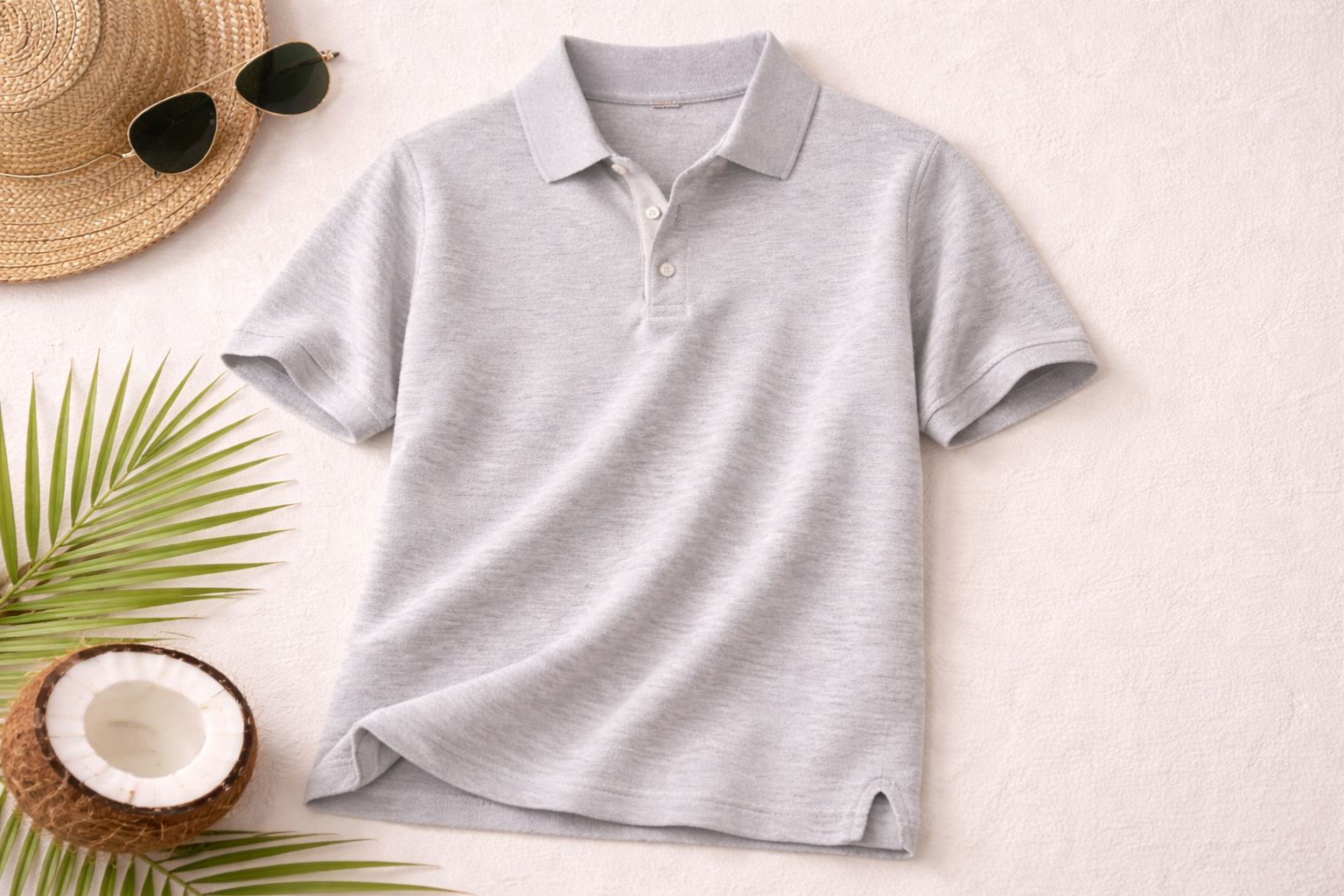
The secret lies in the fiber structure and how it's engineered into a finished garment. At HD Merino, we specialize in helping brands harness these technical properties. For summer collections, organic cotton works beautifully in lighter gauges like 12GG or 14GG for tees and polos. Its soft hand-feel is perfect for casual, relaxed styles. However, from a production standpoint, its hydrophilic nature means we must carefully manage tension and use pre-shrinking processes to ensure garment stability.
Engineering for Summer Performance
Merino wool offers more advanced possibilities. Its natural crimp creates tiny air pockets that provide outstanding insulation in winter but also incredible breathability in summer. We can knit it into very fine gauges (14GG, 16GG) to create ultra-lightweight fabrics that drape beautifully. As mentioned, its moisture-wicking ability is its biggest advantage. While a cotton shirt gets damp and sticks to you on a hot day, a Merino polo will pull that sweat away, keeping you far more comfortable. This is why performance sportswear brands have used it for years. It’s a perfect fit for premium travel collections, golf-wear, and sophisticated city essentials.
| Weave Structure | Organic Cotton | Merino Wool |
|---|---|---|
| Best Gauge | 12–16GG for lightweight structures. | 12-16GG for all-season; highly effective in summer. |
| Weakness | Can lose shape and feel heavy when damp. | Higher cost, requires consumer education on benefits. |
| Strength | Classic summer feel, cost-effective. | Superior temperature regulation and odor resistance. |
Conclusion
The best material is the one that aligns with your product’s function and brand story. We help our partners navigate these choices to create knitwear that is not only sustainable but also exceptional.