In the world of premium fashion, few garments strike the balance between comfort, elegance, and practicality quite like a well-made merino wool sweater. But ask any menswear brand owner or designer and they'll tell you: it’s surprisingly easy to get it slightly wrong.
From sizing that doesn't quite sit right, to wool that feels softer on the hanger than on the skin, many customers end up disappointed with something that should be an everyday favourite.
The good news? These issues aren’t mysterious. Most of them come down to a handful of material and design choices that can be refined with intention and expertise. In this guide, we’ll walk through what makes a merino sweater genuinely loved – not just purchased – and how you can design yours to become part of someone’s regular wardrobe, not their return pile.
"100% Merino" Doesn’t Tell the Whole Story

While the label might say "100% merino wool", the experience can vary enormously.
Gauge matters. A 14-gauge sweater feels very different from an 18-gauge. Finer gauges often feel lighter and more refined, while thicker ones add structure and weight – both have their place depending on how and where your customer wears the garment.
Twist also matters. High-twist yarns resist pilling and wear longer, but can feel firmer to the touch. Soft-spun yarns drape well, but may lose shape faster.
And let’s not forget blends. A touch of silk, cashmere, or even technical fibres can improve comfort, breathability, or durability – if used thoughtfully.
Merino blends are increasingly popular not because they’re cheaper, but because they solve for specific comfort needs. For example:
- Merino + Silk: Ideal for lightweight sweaters with a smooth handfeel – great for layering or indoor wear.
- Merino + Cashmere: Adds extra softness and a dry, lofty texture – perfect for quiet luxury or cooler climates.
- Merino + Nylon or Elastane: Adds resilience and shape retention – especially useful in travelwear or performance knits.
- Merino + TENCEL™ or Bamboo: For sustainability-minded brands looking to enhance breathability and moisture regulation.
Each of these blends aligns with different customer lifestyles. Understanding when and why to use them can help brands move from offering "nice sweaters" to building products with purpose. For a full breakdown of how different blends behave, check out our guide on merino wool blend fabrics.
HD tip: Consider designing different yarn profiles for loungewear vs business casual collections. The same merino performs very differently depending on blend and structure.
Pay Attention to Structure – Especially in the Shoulders and Hems
One of the most overlooked aspects of sweater design? The way it fits in motion.
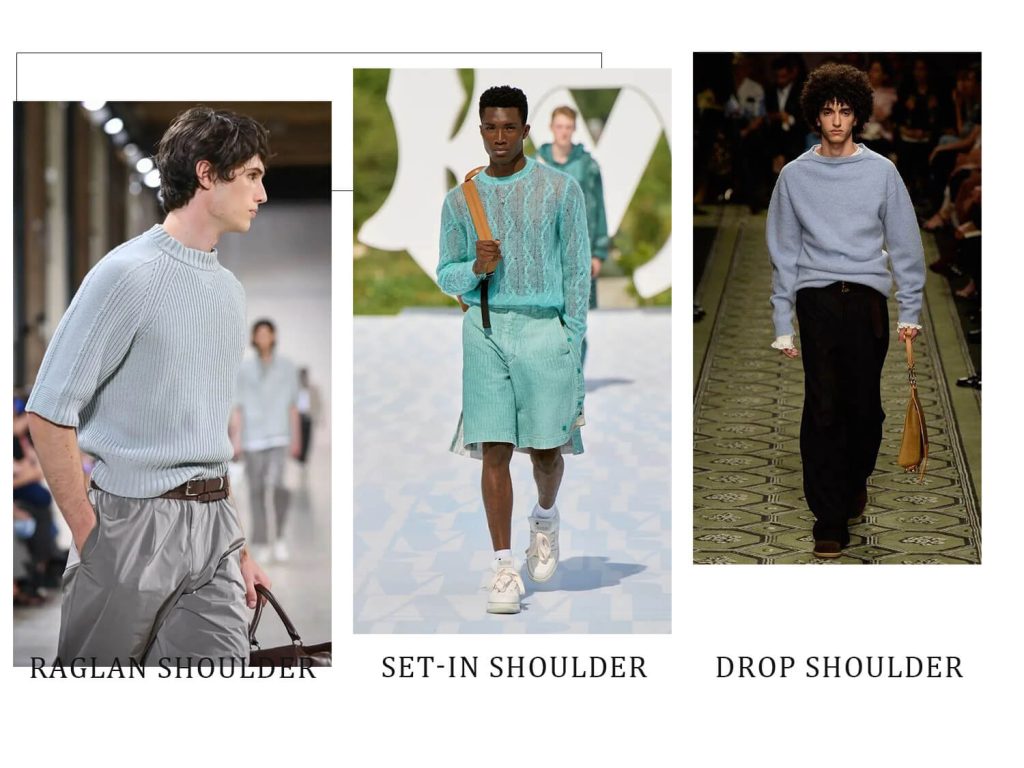
Shoulders make a huge difference: raglan sleeves allow more movement and give a relaxed, casual feel. Set-in shoulders give definition and are great for layering under tailoring. Dropped shoulders can work for streetwear or oversized aesthetics.
At the hem and cuffs, ribbing isn’t just decorative. Poor-quality ribs will sag, curl, or lose shape after a few wears. Opt for double-bed knitted ribs with resilient yarns – they hug without squeezing, and keep their form longer.
One additional detail to consider is excessive bulk caused by overlapping fabrics, especially in the underarm area where sleeve seams, side panels, and internal trims often converge. This kind of "multi-layer thickness" can lead to discomfort, restrict movement, and feel heavy or stiff in motion. It's a subtle but common issue, especially in fully fashioned sweaters with more complex constructions. Careful seam planning, selective reinforcement, and flat-linking techniques can significantly reduce this bulk and improve overall comfort. Careful trimming and flat-linking techniques can make a world of difference here.
Customers Don’t Just Feel Softness – They Feel Consistency
A sweater might feel soft in the shop, but if the inside seam scratches during wear, or the neckline stretches after one wash, the whole perception shifts.
Comfort is about harmony: how the collar, shoulder, side seam and fabric work together. True quality is what doesn’t call attention to itself. When everything feels smooth, even, balanced – that’s what customers remember.
This is especially true in premium knitwear. Your customer might not know the term "plated knitting" or "linking seam finish", but they’ll feel the difference.
And if they toss your sweater into the washing machine and it comes out looking the same? That’s unforgettable. More and more customers now expect their wool garments to be machine-washable without losing their shape or softness. At HD Merino, we offer yarn options specifically engineered for easy-care finishing – helping brands meet modern care expectations without compromising handfeel.
Want to explore how subtle construction details like seams, labels and ribs can change the way a sweater feels? We’ve broken this down further in our article on garment trims and wool sweater comfort.
Design for the Moment Your Customer Actually Wears It
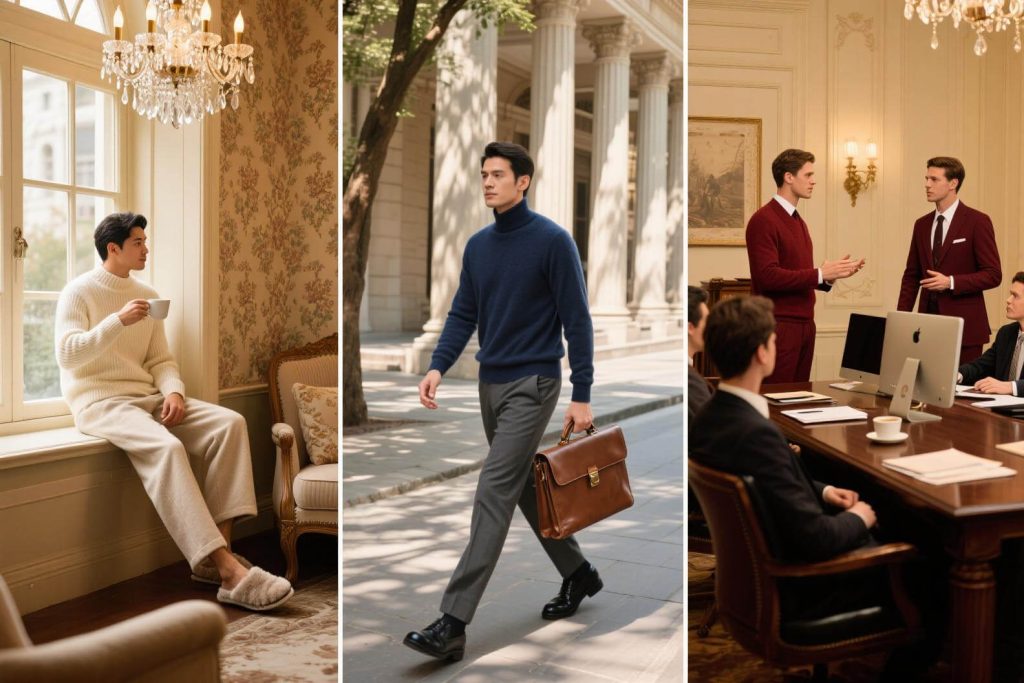
Is this sweater meant for weekend escapes? For an office layer? For curling up on the sofa?
Design should begin with the moment of use. A travel-ready merino jumper may need more elasticity and odour resistance. A city layer might benefit from tighter structure and dressier necklines. A relaxed home sweater should prioritise touch, drape, and breathability.
If you're unsure how necklines or shoulder constructions influence wearability, we cover that in more detail here:
By designing from real-world wear scenarios, your garments will feel intuitive to use – and far more likely to be worn often.
Small Custom Details Make a Lasting Impression
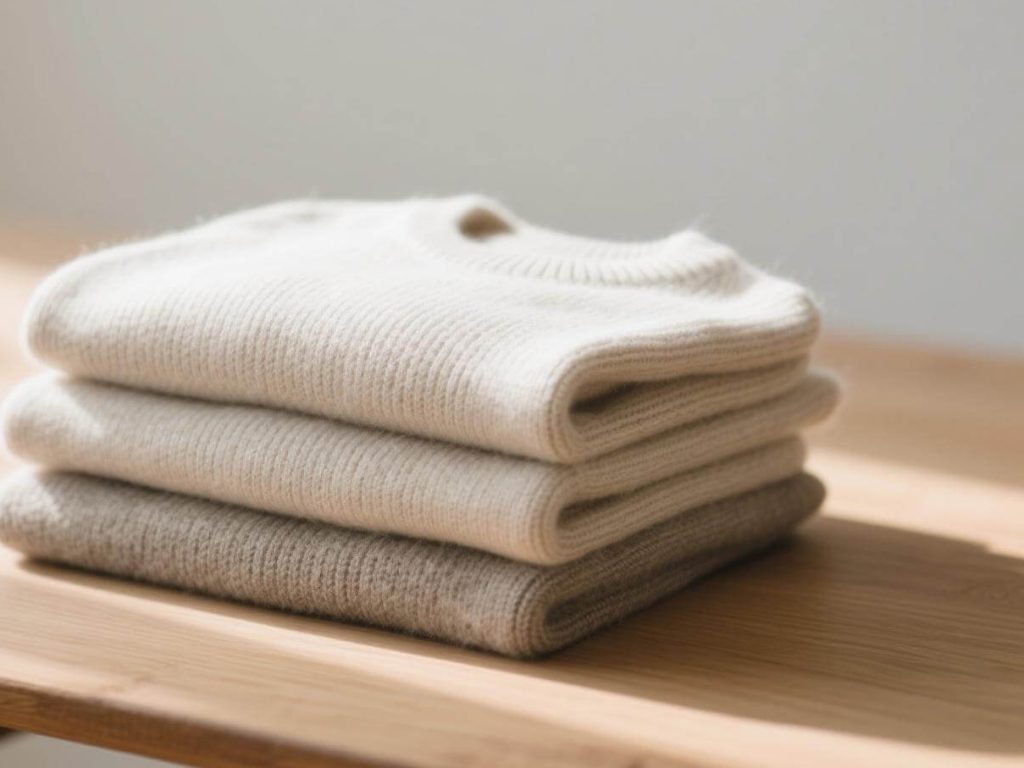
Whether it's a rolled edge, a contrast inner collar, or a colour-dyed placket, thoughtful details go a long way. These are the elements customers notice when they pull the sweater out of the wardrobe again and again.
The key is moderation. Over-designing can quickly cheapen the feel. Understated confidence, clean craftsmanship and subtle personality work best in luxury knitwear.
Final Thought: Good Sweaters Age Well
A merino wool sweater isn’t just for a season – it’s something your customer expects to last, and perhaps even get better with time.
At HD Merino, we’ve worked with over 50 detail-oriented brands to develop sweaters that aren’t just beautiful on day one, but stay reliable favourites season after season. From yarn blending to fit testing to needle-by-needle construction advice, we’re here to help you build something your customers genuinely love to live in.
If you're ready to take your merino collection to the next level, let's have that conversation.