As the temperature rises and consumers demand lightweight, breathable garments, the choice of yarn becomes a critical factor for brands, designers, and wholesalers who specialize in creating summer collections.
For brands and wholesalers, choosing the right yarn for summer collections isn’t just about aesthetics; it’s about functionality. Garments crafted from poorly suited yarns can lead to discomfort, poor customer feedback, and increased returns. In hot climates, consumers gravitate toward lightweight, moisture-wicking, and breathable fabrics that keep them cool without compromising on style or quality.
This article will guide you through the best yarns for hot weather products, focusing on key materials that are ideal for summer collections, such as cotton, linen, Tencel, and viscose. We’ll discuss each yarn’s unique properties, including its performance in terms of breathability, moisture management, and durability. Additionally, we’ll cover the important considerations when selecting yarns for garments intended for warm weather.
What Is Lightweight Yarn?
Yarn weight refers to the thickness of the yarn strand and is one of the primary factors influencing the drape, texture, and overall look of the finished product. The weight of yarn can vary from ultra-thin laceweight to thick, chunky yarns. In summer collections, lightweight yarns are essential for creating garments that are both breathable and comfortable to wear in warmer temperatures.
Lighter yarns provide a fluid, airy drape that makes them ideal for flowing summer garments like lightweight cardigans. They are thin enough to allow airflow but still provide enough structure for wearable items. On the other hand, heavier yarns like bulky tend to create a stiffer, more structured drape, which might not be as comfortable or breathable for summer wear.
For brands, the key is to balance durability with breathability. Lighter yarns such as cotton, viscose, and bamboo fibers often work best for the kinds of garments and accessories that are in high demand during summer months. Keep in mind that different fibers within a yarn weight can also affect drape, so always sample swatches to ensure they perform as expected in your designs.
Best Yarns for Hot Weather: Materials to Look For
1. Cotton
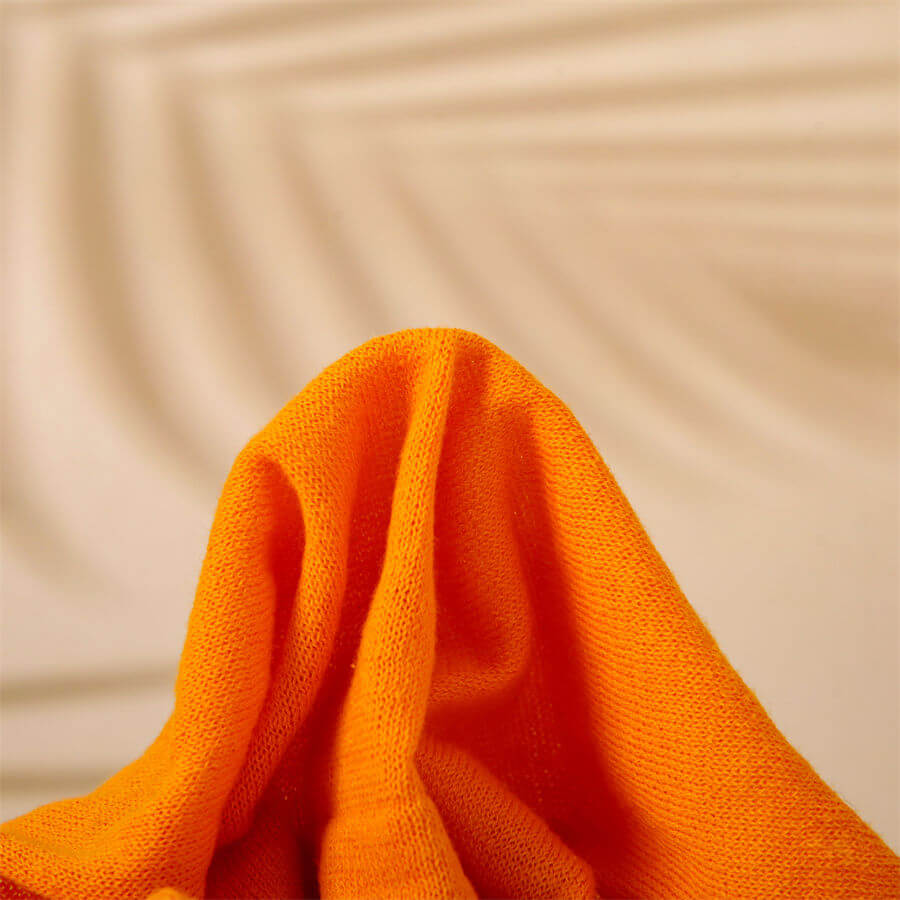
Cotton is one of the most widely used fibers for summer garments, and for good reason. Known for its natural breathability and lightweight feel, cotton absorbs moisture, allowing for a cool and dry wearing experience even in the hottest temperatures.
Pros:
- Naturally breathable and moisture-wicking.
- Soft and gentle on the skin.
- Easy to care for, machine washable.
- Durable and retains color well.
Cons:
- Can lose its shape over time, especially with frequent washing.
- May shrink slightly after the first wash.
Cotton yarns are ideal for producing summer tops, dresses, and accessories like bags or hats. For brands that seek high-end quality, Pima cotton is an excellent choice. For sustainable options, organic cotton is ideal for eco-conscious brands looking to expand their green initiatives. Learn more about sustainable cotton to ensure eco-friendly sourcing.
2. Linen
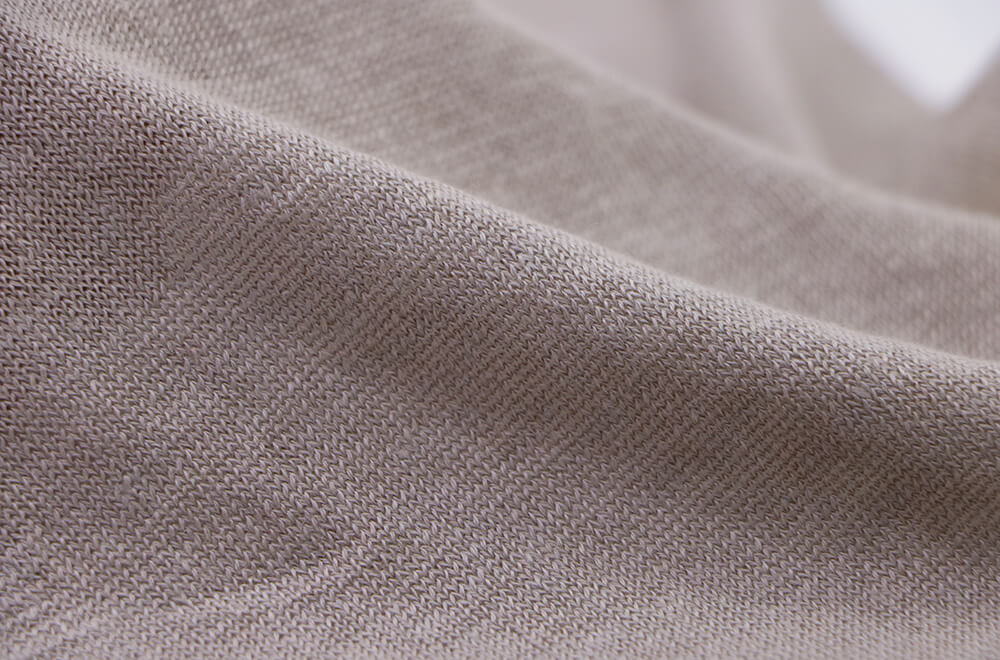
Linen is one of the oldest textiles known to man, prized for its natural cooling properties. It’s a light, breathable fiber with a slightly crisp texture that becomes softer over time. Linen excels in hot climates, providing excellent moisture-wicking and cooling effects for the wearer.
Pros:
- Excellent breathability and moisture-wicking.
- Naturally anti-bacterial and hypoallergenic.
- Ideal for rustic, casual garments and accessories.
Cons:
- Can be more rigid and prone to wrinkling.
- Requires a bit more care in the knitting or weaving process due to its delicate nature.
Linen yarns are perfect for lightweight summer garments like tunics, loose-fitting dresses, and airy beach cover-ups. Linen blends with other fibers can also provide added strength and softness for more structured pieces.
3. Bamboo
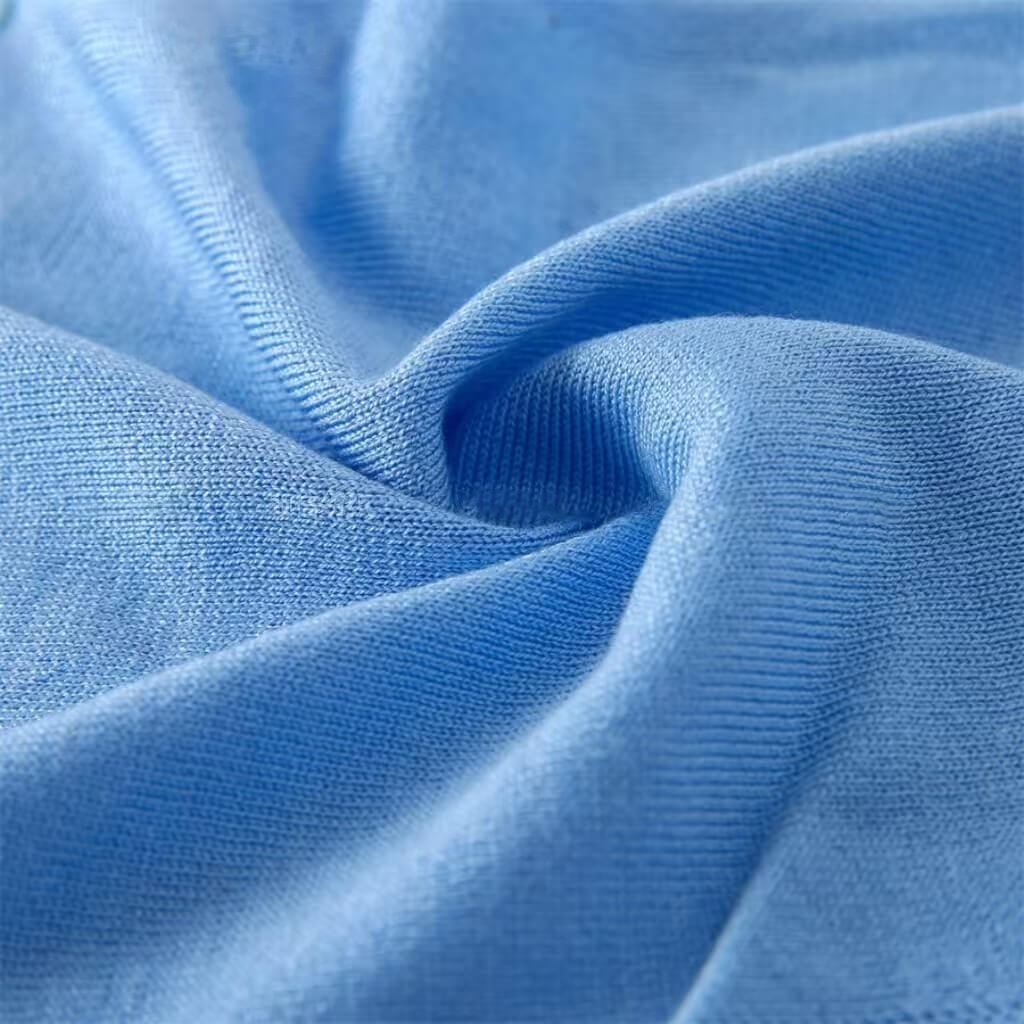
Bamboo yarn is an eco-friendly alternative known for its silky texture and moisture-wicking properties. The natural fiber is also hypoallergenic and highly breathable, making it an ideal choice for summer apparel.
Pros:
- Silky feel, lightweight, and breathable.
- Naturally moisture-wicking and anti-bacterial.
- Eco-friendly as bamboo is a renewable resource.
Cons:
- Bamboo yarn can sometimes be more expensive compared to other fibers.
- Prone to stretching when knitted or crocheted without proper tension.
Bamboo is often used for breathable summer garments, particularly lightweight sweaters, cardigans, and summer tops. The silky nature also makes it a top choice for luxurious, soft-to-the-touch accessories such as shawls and scarves.
4. Hemp
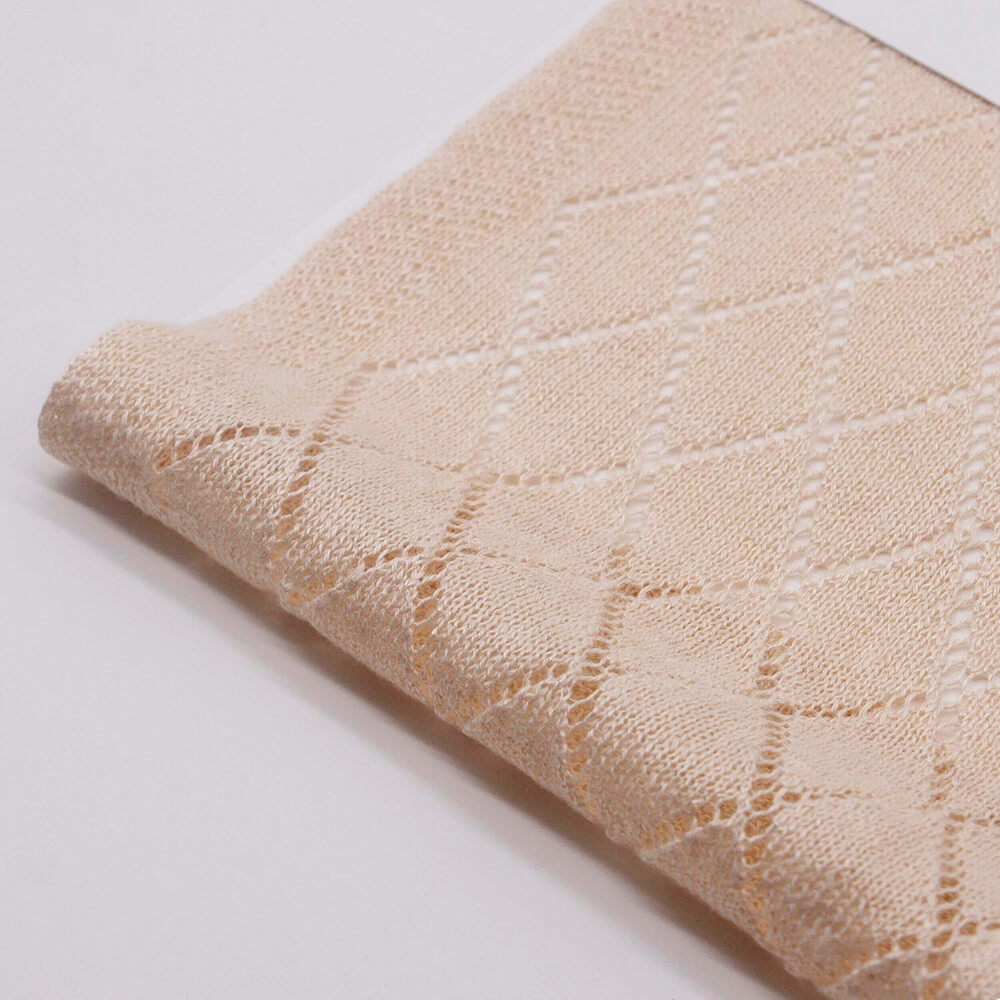
Hemp is a naturally strong, eco-friendly fiber that is gaining popularity for summer products like bags, hats, and even lightweight garments. While it’s tougher than many other fibers, its natural look and durability make it a great choice for rustic or casual accessories.
Pros:
- Extremely strong and durable.
- Breathable, lightweight, and eco-friendly.
- Great for accessories like bags, hats, and belts.
Cons:
- Can be a bit rough or stiff, especially before washing.
- Less commonly available in fine yarns.
Hemp works exceptionally well for beach bags, outdoor accessories, and durable summer footwear. It also pairs nicely with other fibers to soften its texture.
5. Ramie
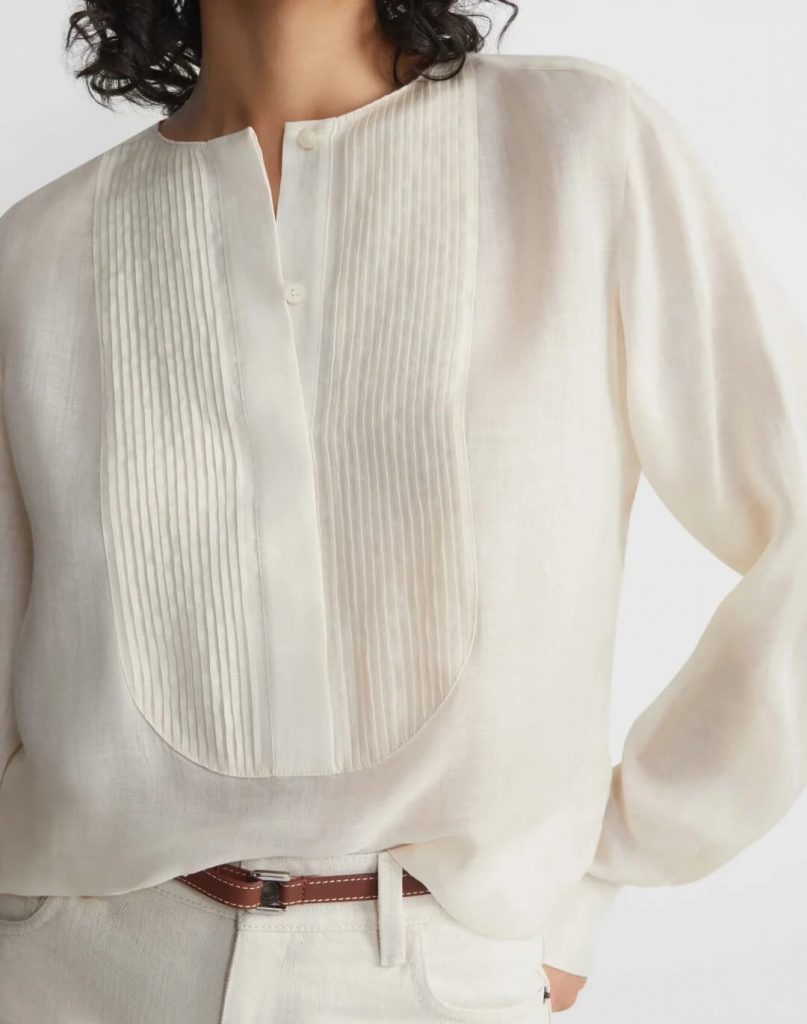
Ramie is a lesser-known fiber that shares many characteristics with linen. It is breathable, lightweight, and ideal for warmer weather. Ramie yarn is often used for creating garments that are comfortable yet affordable.
Pros:
- Breathable and naturally strong.
- Great for lightweight garments and accessories.
Cons:
- Can be somewhat stiff before washing.
- May require extra care to soften.
Ramie is often used for dresses, skirts, and tops, especially in blends with cotton or other lightweight fibers.
6. Viscose
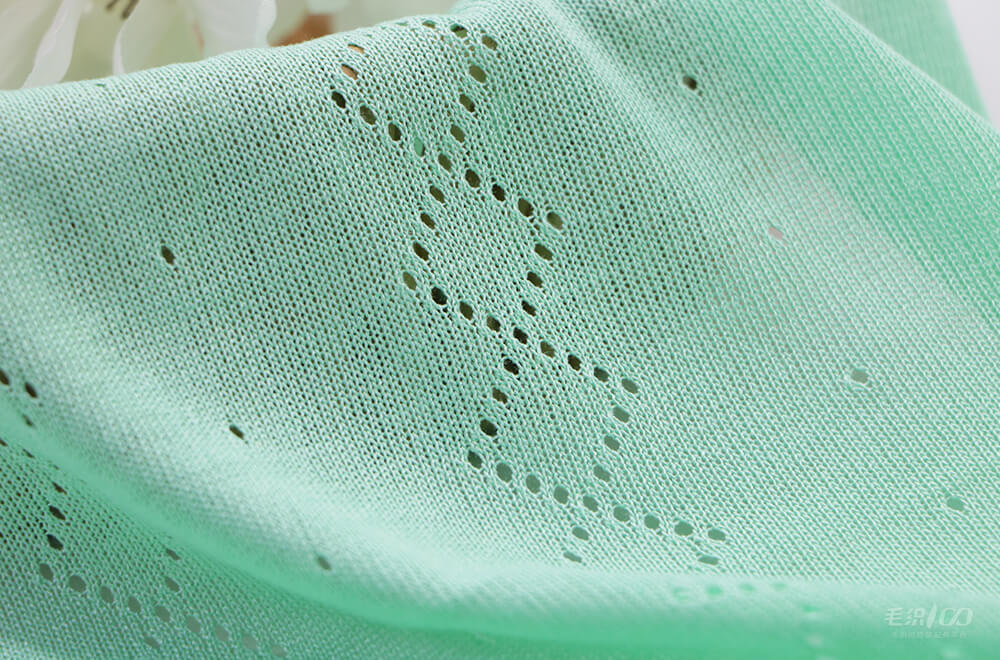
Viscose, often made from regenerated wood pulp, is a semi-synthetic fiber that’s smooth, silky, and ideal for warm-weather garments. It’s an affordable option for brands looking for a soft, breathable yarn that provides the comfort of natural fibers.
Pros:
- Soft and smooth texture.
- Lightweight and breathable.
- Generally more affordable than silk or bamboo.
Cons:
- Not as durable as some natural fibers.
- Can lose its shape after repeated wear.
Viscose is a great option for designers working with budgets, offering a great feel without the high cost. It's often used for dresses, lightweight shirts, and skirts. Viscose blends are also popular for added strength and affordability.
7. Tencel (Lyocell)
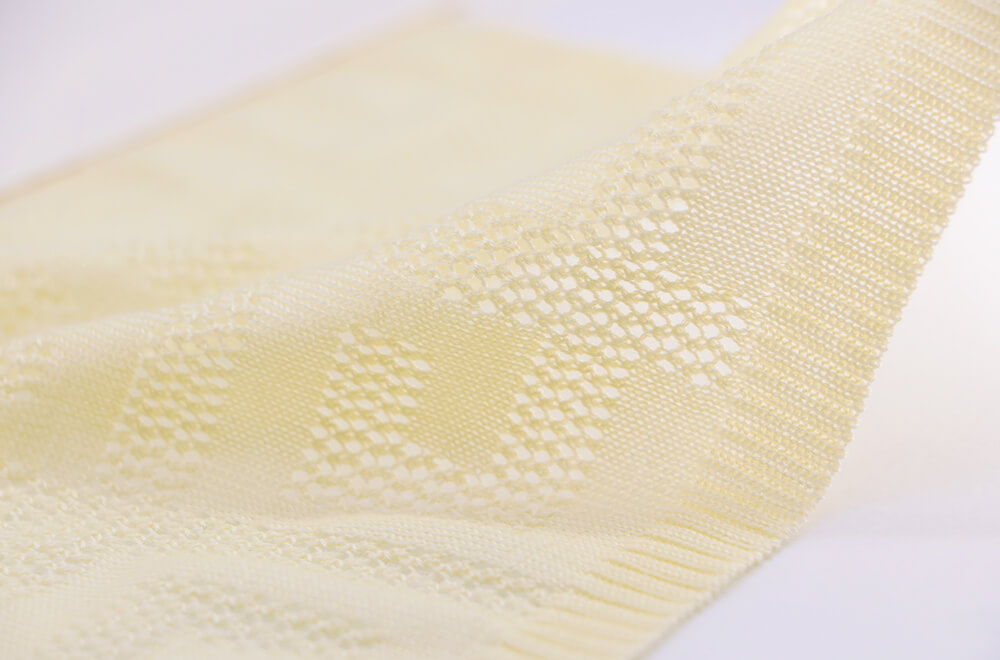
Tencel is the brand name for lyocell, a sustainable fiber made from wood pulp, typically sourced from eucalyptus, beech, or spruce trees. Known for its smooth, silky texture, lyocell (or Tencel) is soft, breathable, and ideal for summer garments. The eco-friendly, closed-loop production process used to make Tencel sets it apart from other fibers in terms of sustainability.
Pros:
- Soft, smooth texture.
- Eco-friendly and sustainable (due to the closed-loop process).
- Highly breathable and moisture-wicking, keeping the wearer cool.
Cons:
- Requires delicate care (e.g., hand washing or cold washing).
- Can be more expensive than traditional fibers like cotton or polyester.
Tencel (lyocell) is perfect for high-end summer dresses, blouses, and luxurious accessories. It’s particularly popular among eco-conscious brands that are committed to sustainability while offering superior comfort.
8. Modal
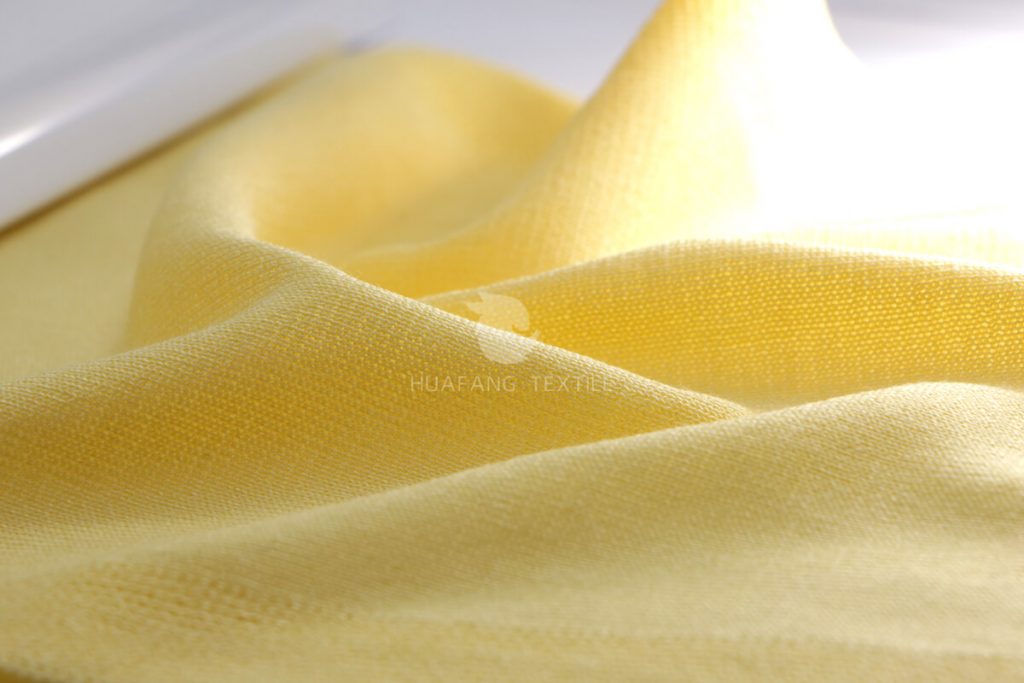
Modal, another type of rayon, is made from beechwood and shares many of the same qualities as lyocell but with slightly different properties. Modal is smooth, lightweight, and highly moisture-wicking, making it an ideal option for summer collections.
Pros:
- Soft, smooth, and lightweight.
- Excellent moisture-wicking properties to keep wearers cool.
- Eco-friendly and biodegradable, though not as sustainable as lyocell.
Cons:
- Prone to shrinkage if not cared for properly (e.g., washing instructions need to be followed carefully).
Modal is commonly used in summer dresses, tops, and activewear, especially for brands aiming to balance eco-consciousness with affordability.
9. Fine Knit Wool
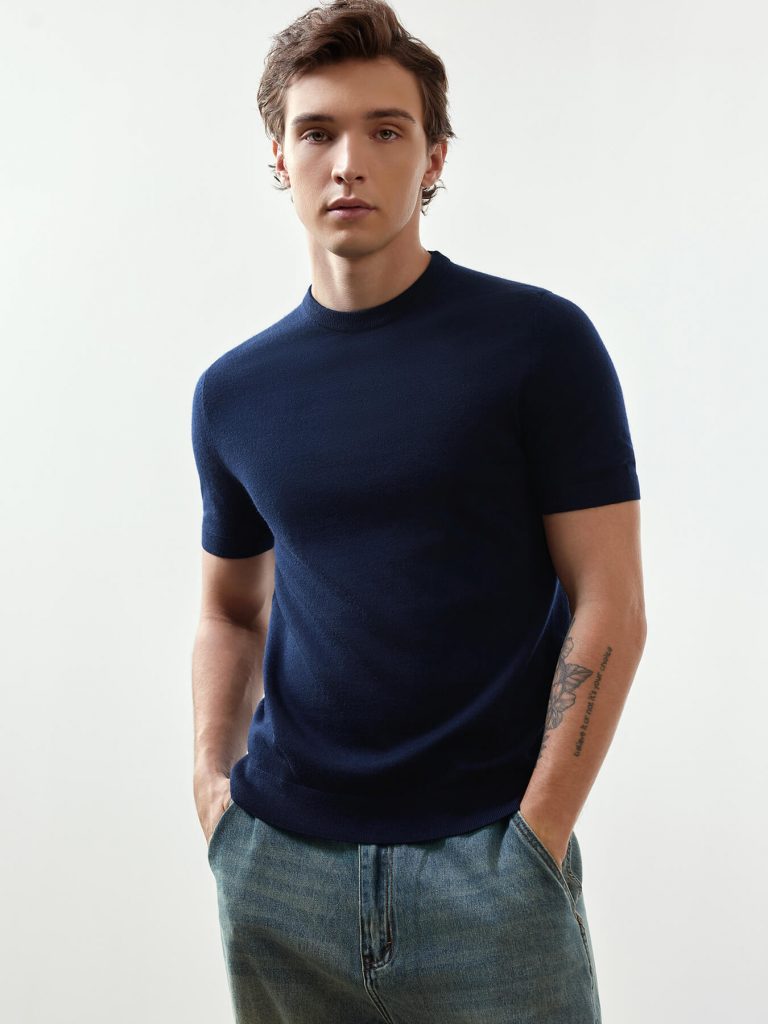
Fine knit wool is a lighter version of traditional wool that retains many of its benefits, such as breathability, temperature regulation, and softness. Wool is ideal for transitional summer-to-fall garments, providing warmth without overheating.
Pros:
- Breathable and moisture-wicking.
- Naturally regulates body temperature.
- Offers a soft and comfortable feel.
Cons:
- Can feel warm for very hot weather.
- More expensive than other summer fibers.
Fine knit wool can be used for lightweight summer cardigans, breathable sweaters, or cozy accessories like scarves and wraps.
10. Silk
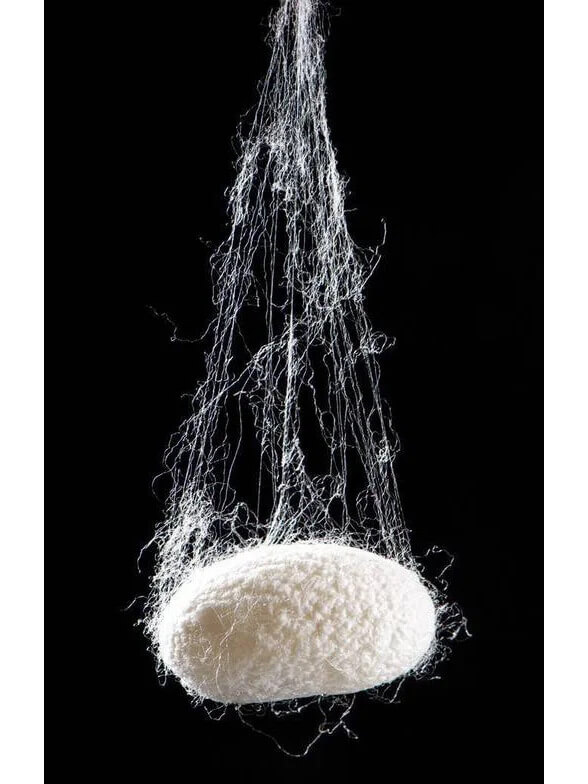
Silk is the epitome of luxury and comfort, and while it may not be the first material you think of for summer, its lightweight, breathable properties make it ideal for lightweight, delicate garments.
Pros:
- Extremely soft, smooth, and luxurious.
- Breathable and moisture-wicking.
- Creates a high-end, luxurious aesthetic for garments.
Cons:
- Expensive compared to other yarns.
- Requires gentle care, usually handwashing.
Silk is perfect for high-end summer designs, including delicate wraps, shawls, and fine summer blouses. Silk blends with cotton or linen can also enhance texture while reducing costs.
11. Paper Yarn (Japanese Washi Fiber)
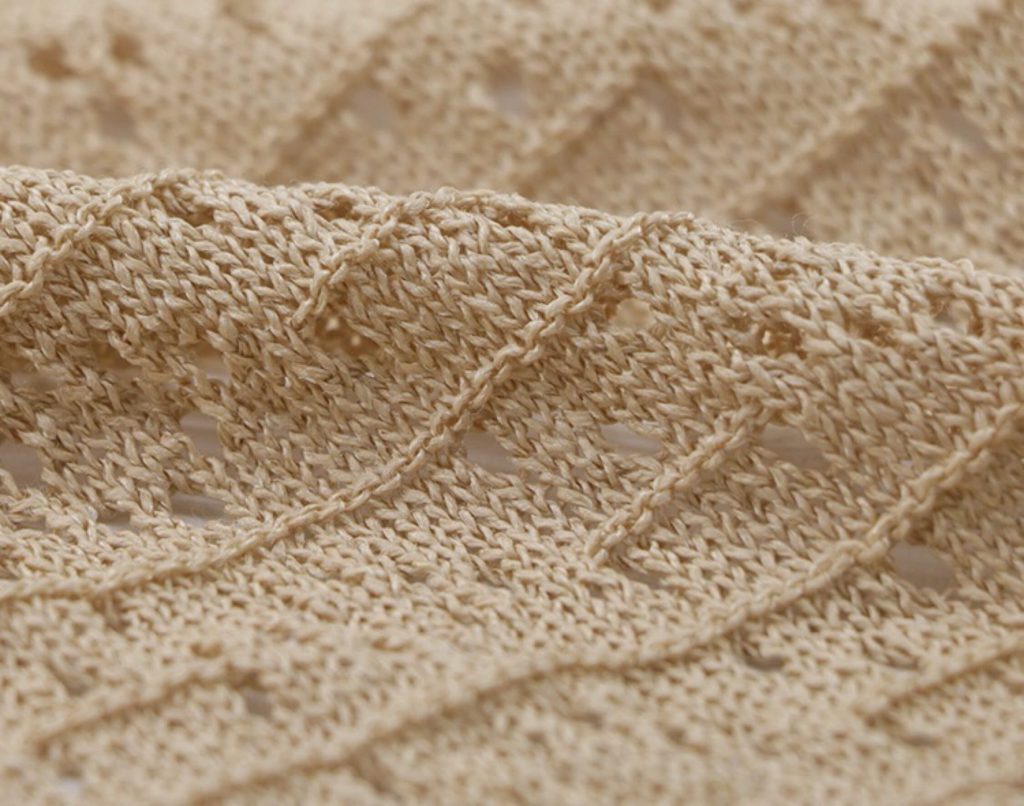
Paper yarn, especially Japanese Washi fiber, is a unique and sustainable option that is strong, durable, and lightweight. This fiber is often used in specialized summer garments and accessories, providing a distinctive texture and eco-friendly appeal.
Pros:
- Extremely lightweight and durable.
- Sustainable and eco-friendly.
- Unique texture that adds a special touch to summer accessories.
Cons:
- May not be as widely available.
- Requires careful handling during production.
Paper yarn is perfect for high-end summer accessories, including bags and hats, providing a rustic yet refined look.
How to Choose Yarn for Specific Summer Projects
The ideal yarn for summer projects should breathe, wick moisture, and maintain its shape throughout wear. Different projects require different yarn qualities, and understanding these can help you choose the right material.
-
Summer Sweaters:
- Lightweight yet breathablefibers like cotton, Tencel, or fine-knit wool are excellent choices. These fibers allow air circulation, preventing overheating, while still providing warmth in cooler evening temperatures.
- Durabilityis key, especially for garments worn frequently. Look for yarns that are washable and strong enough to resist stretching.
- Softnessis essential, as you want the fabric to feel comfortable against the skin, especially in a sweater that may have longer wear time.
-
Shawls and Scarves:
- For shawlsand scarves, look for lightweight, drapey yarns that provide an airy, flowy look. Bamboo, Tencel, and silk are great choices for their luxurious feel and smooth texture.
- Drapeis crucial here—yarn with good fluidity will create a more flattering, wearable piece.
- Moisture-wickingproperties will ensure that shawls and scarves remain comfortable in warm weather.
-
Tops and Blouses:
- For summer tops, choose yarns that combine breathabilitywith stretch to ensure comfort and fit. Cotton and modal work well because they hold their shape without feeling too heavy.
- Tops may need to retain structure, so slightly firmeryarns, such as ramie or fine knit wool, can provide the right level of support without being too stiff.
-
Beach Bags and Accessories:
- If you’re making something like a beach bag or other accessories that need a bit more structure and durability, consider usingcotton,hemp, ramie, or paper yarn.
- These fibers are morerobust and can hold their shape well, making them ideal for items that will be used frequently.
When it comes to choosing the best yarn for your summer project, it’s all about finding the right balance of comfort, durability, and aesthetic appeal. Consider the specific requirements of your project—whether it's a lightweight sweater, a soft scarf, or a structured beach bag—and select a yarn that complements these needs. Different projects have different inspirations, budgets, and uses, so it’s essential to choose a yarn that aligns with those factors.
Of course, there are many blended products that may better suit your needs. Our team can help you find the perfect yarn for your summer collections. Contact us today to elevate your designs!
Texture and Comfort
When it comes to summer wear, comfort is key. In hot weather, the texture of the yarn plays a crucial role in ensuring that garments are not only stylish but also comfortable against the skin. Some fibers feel light and airy, while others may feel heavy or scratchy.
Texture matters for more than just how it feels against the skin—it also affects the drape, stretch, and overall breathability of the garment.
-
Skin Comfort
No one wants to wear something that feels itchy or uncomfortable, especially when the weather is warm. For summer garments, soft yarns are essential to ensure a pleasant wearing experience, particularly if the garment will be worn directly against the skin, such as with summer tops, dresses, or scarves.
Cotton, bamboo, modal, and Tencel (lyocell) are some of the softest fibers for summer. They feel cool and gentle on the skin, offering a smooth and luxurious texture that’s perfect for hot weather wear. On the other hand, linen may be a bit rougher and might not provide the same level of comfort for sensitive skin. Wool can be soft, but it’s important to make sure you’re using a breathable, lightweight, fine-knit variety—otherwise, it can feel rough. This type of wool is popular among luxury brands for their summer collections, offering the softness of wool while maintaining the breathability needed for warmer months.
-
Stretch
In hot weather, it’s important to choose yarns with just the right amount of stretch, particularly for garments that need to fit well. Yarns like fine knit wool and cotton blends offer some natural stretch without feeling restrictive. These fibers maintain the shape of the garment while still allowing for comfortable movement.
-
Breathability
For a truly breathable garment, you need yarns that allow air to circulate easily. Yarns like cotton, bamboo, and Tencel are naturally breathable, keeping you cool during the summer months. They wick moisture away from the skin, which helps in humid or hot climates, ensuring you stay dry and comfortable.
Conclusion
Choosing the right yarn for your summer projects is more than just about picking the prettiest colors or the trendiest fibers—it’s about finding materials that combine comfort, breathability, and style. Remember, different projects require different yarns, so whether you're working on clothing, accessories, or home décor, be sure to select a yarn that enhances the look, feel, and function of your design.
Of course, there are many blended products that offer the best of both worlds. As a sweater manufacturer with over 15 years of professional experience, we specialize in crafting high-quality yarns that meet the needs of designers, brands, and wholesalers like you. Contact us today to explore our wide range of yarn options for your summer collections, and let our expert team help you choose the perfect yarn for your next project.