Feeling hot just thinking about wearing wool in summer? The idea seems completely wrong. But merino wool is not your typical wool; it's a surprisingly smart choice for warm weather.
Yes, merino wool is excellent for summer. Its fine, breathable fibers wick moisture away from your skin, helping to keep you cool and dry. It excels at regulating body temperature, making it comfortable even as conditions change from a hot street to a cool, air-conditioned office.

It seems strange to suggest wool for summer. Over my 13 years in the knitwear industry, I've had to explain this to many brand partners. They associate wool with bulky winter sweaters. But the science behind merino fiber tells a different story. It’s not about instant cooling like linen. It’s about creating a stable, comfortable environment next to your skin, no matter the temperature. Understanding this difference is key to appreciating why merino is a fantastic, modern textile for all seasons. This is why product managers like Oliver, who focus on high-quality menswear, are increasingly using lightweight merino for their spring and summer collections. Let's break down why.
Is merino wool too hot for summer?
Worried you'll overheat wearing wool on a warm day? The thought of a sweaty, itchy sweater is enough to make anyone avoid it. But fine-gauge merino is a different experience entirely.
No, merino wool is not too hot for summer. Its natural structure is incredibly breathable, allowing heat and moisture vapor to escape. The fibers actively pull sweat away from the skin before it can make you feel clammy, helping your body's natural cooling process work better.
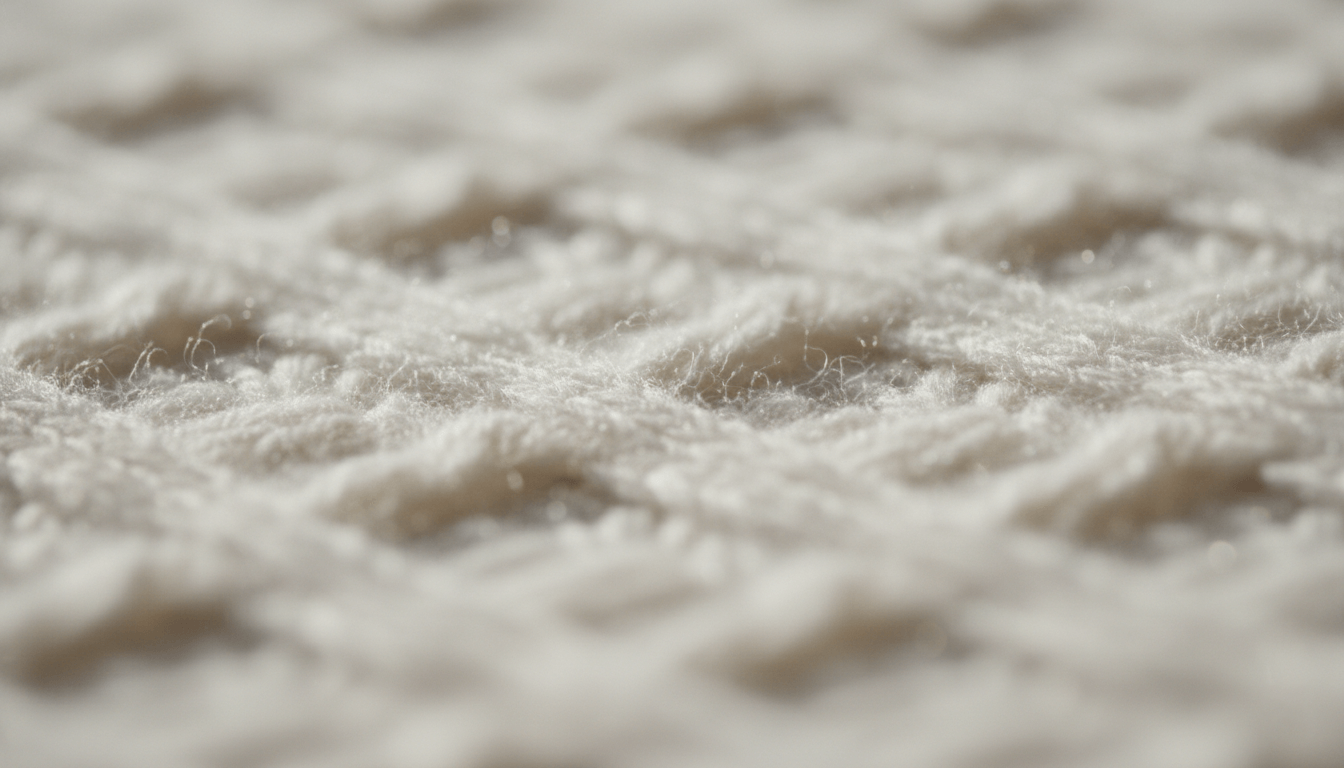
The secret is in the fiber's diameter. The merino wool we use for summer knitwear at HD Merino is incredibly fine, typically between 13.5 and 19 microns. For comparison, a human hair is around 50 to 100 microns thick. These fine fibers create a fabric that is soft, lightweight, and full of tiny air pockets. This structure doesn't trap heat like thick, coarse wool. Instead, it works as a dynamic temperature regulator. It keeps you from getting too hot when you're active or outdoors, but also provides a touch of warmth in an overly air-conditioned room. This is what I call "dynamic regulation." It’s perfect for the modern professional who moves between different environments throughout the day. It’s not about a blast of cold, but about maintaining steady comfort.
Summer vs. Winter Merino
| Feature | Lightweight Summer Merino | Heavyweight Winter Merino |
|---|---|---|
| Fiber Micron | 13.5 - 19 | 19 - 24 |
| Knit Structure | Fine-gauge, looser knit | Heavy-gauge, dense knit |
| Primary Function | Breathability, moisture-wicking | Insulation, trapping heat |
| Best For | Warm days, layering, AC | Cold weather, outerwear |
What temperature is merino wool good for?
It's easy to think of wool as just for the cold. Marketing has pushed this idea for decades. But its true performance range is much wider, making it a year-round fiber.
Merino wool is comfortable across a huge temperature spectrum, from below freezing up to 30°C (85°F) and beyond. The key isn't the fiber itself, but the weight and construction of the final garment. A lightweight, fine-gauge knit is perfect for summer, while a thick, heavy-gauge knit is ideal for winter.

The question isn't about a specific temperature number. It’s about how the garment is made. As a manufacturer, this is where our expertise comes in. We can take the same raw material—merino wool—and create completely different fabrics. For summer collections, we use high-grade yarns and knit them into fine-gauge fabrics. These are light, airy, and designed to maximize breathability. For winter, we use thicker yarns and a tighter, denser knit structure to trap air and create insulation. It’s this control over the manufacturing process that unlocks merino’s full potential. Brands come to us for this knowledge. They want to create a sweater that feels just right for a cool summer evening or a breathable polo shirt for a warm afternoon. We help them choose the right yarn and knit specifications to meet that goal.
Fabric Weight and Ideal Use
| Fabric Weight | Gauge | Ideal Temperature | Common Garments |
|---|---|---|---|
| Ultralight | 16-18 GG | 20-30°C+ | T-shirts, base layers |
| Lightweight | 14-16 GG | 15-25°C | Polo shirts, cardigans |
| Midweight | 12 GG | 5-15°C | Classic crewnecks, turtlenecks |
| Heavyweight | 3-7 GG | Below 5°C | Chunky sweaters, outerwear |
What is the best wool for hot weather?
Thinking all wool is the same is a common mistake. Choosing the wrong kind for summer will leave you hot and uncomfortable. But the right wool can actually keep you feeling fresh.
The best wool for hot weather is ultra-fine merino, especially when knitted in a lightweight, fine-gauge structure. Blends that mix merino with fibers like silk, linen, or Tencel can also enhance its cool touch and breathability, making them fantastic summer options.
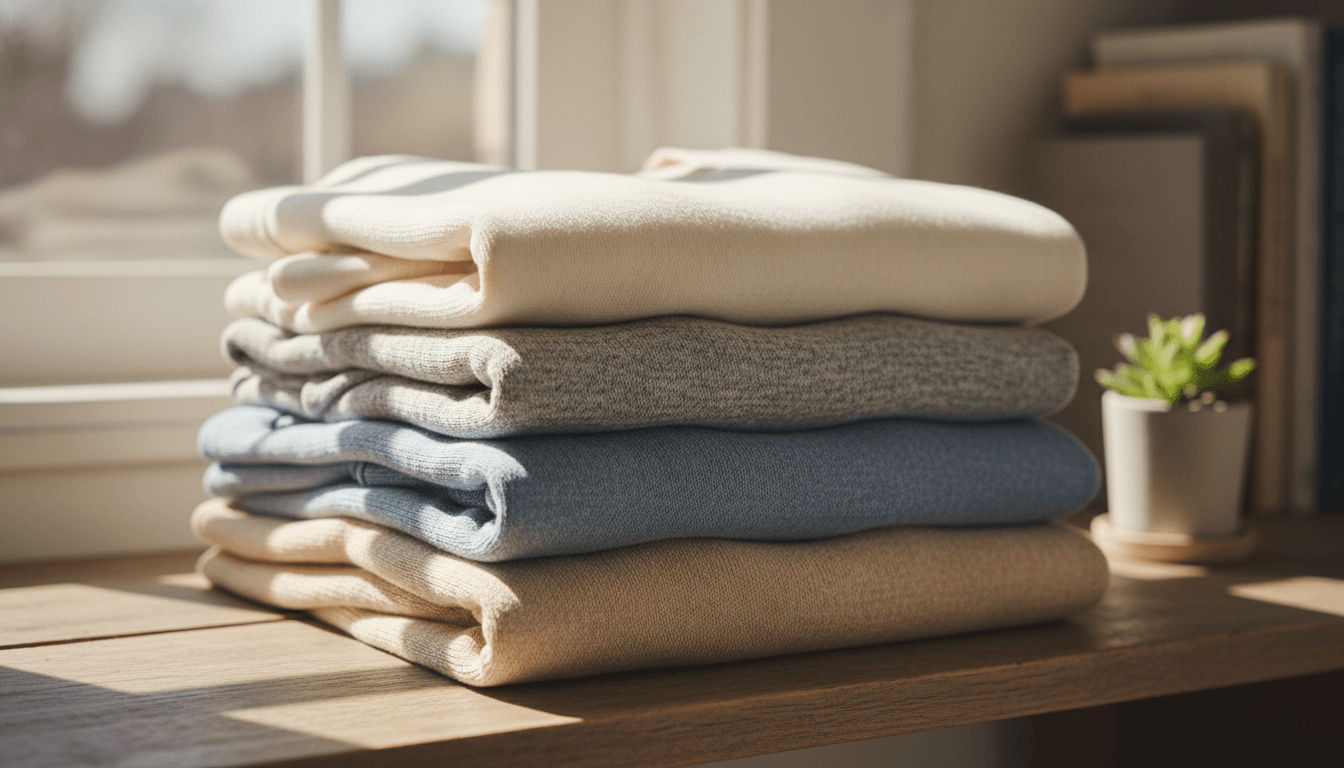
In my experience, pure, fine-gauge merino is a great starting point. But for brands wanting to create a truly unique summer texture, blends are the answer. At HD Merino, we often consult with clients on developing custom yarns. Each blend component adds a specific benefit.
Enhancing Performance with Blends
- Merino-Linen: Linen is known for its crisp feel and exceptional breathability. Blending it with merino softens the linen and adds elasticity, creating a fabric that’s cool, comfortable, and resists wrinkles better than pure linen.
- Merino-Silk: Silk adds a beautiful luster and a smooth, cool feeling against the skin. A merino-silk blend is luxurious, lightweight, and drapes elegantly, perfect for premium summer knitwear.
- Merino-Tencel: Tencel (a type of lyocell) is another plant-based fiber famed for its moisture-wicking ability and soft texture. Combining it with merino wool boosts the fabric's ability to manage moisture and gives it a wonderfully soft, fluid hand-feel.
Choosing the right blend allows brands to fine-tune the look, feel, and performance of their garments, matching their exact vision for a summer collection.
Which fabric to avoid in summer?
Wearing the wrong fabric on a hot day can be miserable. Materials that don't breathe trap sweat and heat, making you feel sticky. Knowing what to avoid is half the battle.
In summer, you should avoid fabrics that don't breathe well, like traditional polyester, acrylic, and nylon. These synthetics trap moisture against your skin and can become a breeding ground for odor-causing bacteria, leading to a clammy and uncomfortable feeling.

While some high-tech polyester is designed for athletic performance, most everyday synthetic clothing is not. These fabrics are essentially made of plastic. They don't absorb moisture. Instead, sweat beads up on the surface or gets trapped between the fabric and your skin. This is why you can feel so clammy and overheated in a cheap polyester shirt on a humid day. In contrast, merino wool is naturally hydrophilic, meaning it loves water. It absorbs moisture vapor from your skin before it even turns to liquid sweat, keeping you feeling dry.
Natural vs. Synthetic: The Sustainability Factor
This brings up another important point: sustainability. When you wash synthetic fabrics, they shed tiny microplastics that pollute our waterways and oceans. Merino wool, as a natural protein fiber, is completely biodegradable. Plus, its natural odor resistance is a huge advantage. You can wear a merino shirt for several days in the summer without it smelling bad. This means less washing, which saves water, energy, and extends the life of the garment. It's a smarter choice for you and for the planet.
Can you machine wash merino wool?
You love the feel of merino wool but dread the thought of hand-washing it. The fear of ruining an expensive sweater is real. Thankfully, modern merino is much easier to care for.
Yes, many merino wool garments can be safely machine-washed. The key is to look for products labeled "machine washable" or "Total Easy Care." This indicates the wool fibers have been treated to prevent the shrinkage and felting that can happen in a washing machine.

The reason untreated wool shrinks is because its fibers have microscopic scales. In hot water and with agitation, these scales lock together, causing the fabric to felt and shrink. The machine-washable treatment we use at HD Merino is a process that smooths out these scales. This allows the fibers to move freely during a gentle wash cycle without locking up.
How "Total Easy Care" Works
For our brand partners, offering machine-washable knitwear is a huge selling point. Customers like Oliver's want premium quality without high-maintenance care. It makes luxury practical for everyday life. If you have a machine-washable merino garment, the process is simple.
- Use a gentle or wool cycle on your washing machine.
- Wash in cool or cold water (max 30°C).
- Use a mild, pH-neutral detergent, preferably one designed for wool.
- Never use bleach or fabric softener.
- Lay the garment flat to dry on a towel or drying rack, away from direct heat or sunlight.
Following these simple steps will keep your merino knitwear looking and feeling great for years.
Conclusion
Merino wool is a fantastic summer fabric. Its value lies in its smart, natural ability to regulate temperature and moisture, especially when the right lightweight knit is chosen for the season.