How to wash a wool sweater without it shrinking is a common concern for many. It's the key to keeping knitwear soft and new, but people fear ruining premium pieces.
Yes, you can, but only if the label says "machine-washable." For most 100% wool, the safest method is hand washing in cool water. Understanding how to wash a wool sweater properly prevents the irreversible shrinking and felting that a machine can cause.
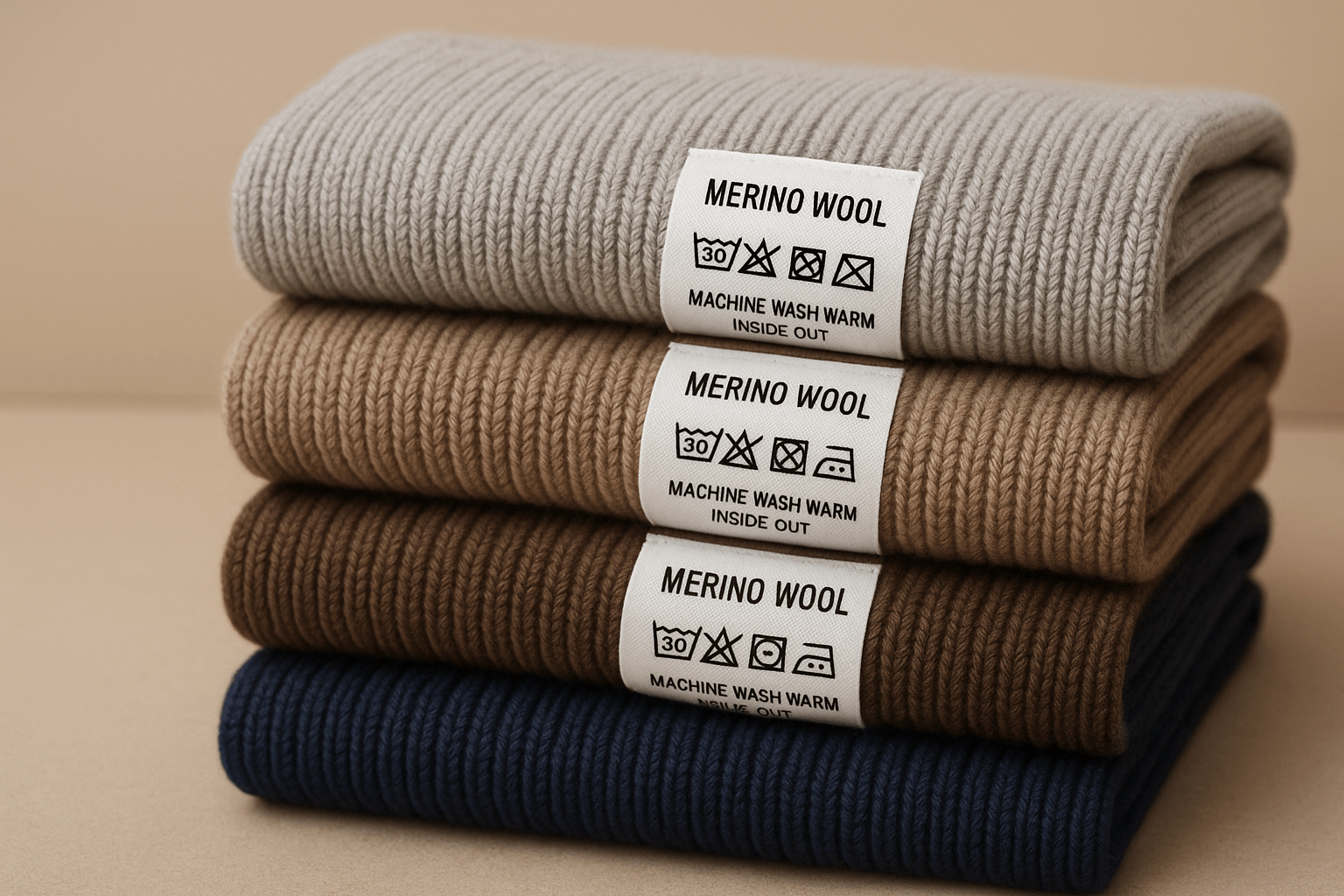
As someone who has been manufacturing wool sweaters for over 13 years, I've seen the unfortunate results of improper washing. A magnificent, fully-fashioned sweater can become a doll-sized felted mat in one wrong cycle. But wool is actually quite easy to care for. This guide will solve the mystery of how to wash a wool sweater, ensuring your brand's knitwear lasts a lifetime.
How are you supposed to wash wool sweaters?
Confused by conflicting advice on washing wool? One wrong move can ruin a premium garment. I'll show you the correct, manufacturer-approved method for perfect results every time.
The safest method is to hand wash in cool water (under 30°C/86°F) with a wool-specific detergent. Gently squeeze the suds through, rinse in same-temperature water, roll in a towel to absorb moisture, and lay flat to dry away from heat.
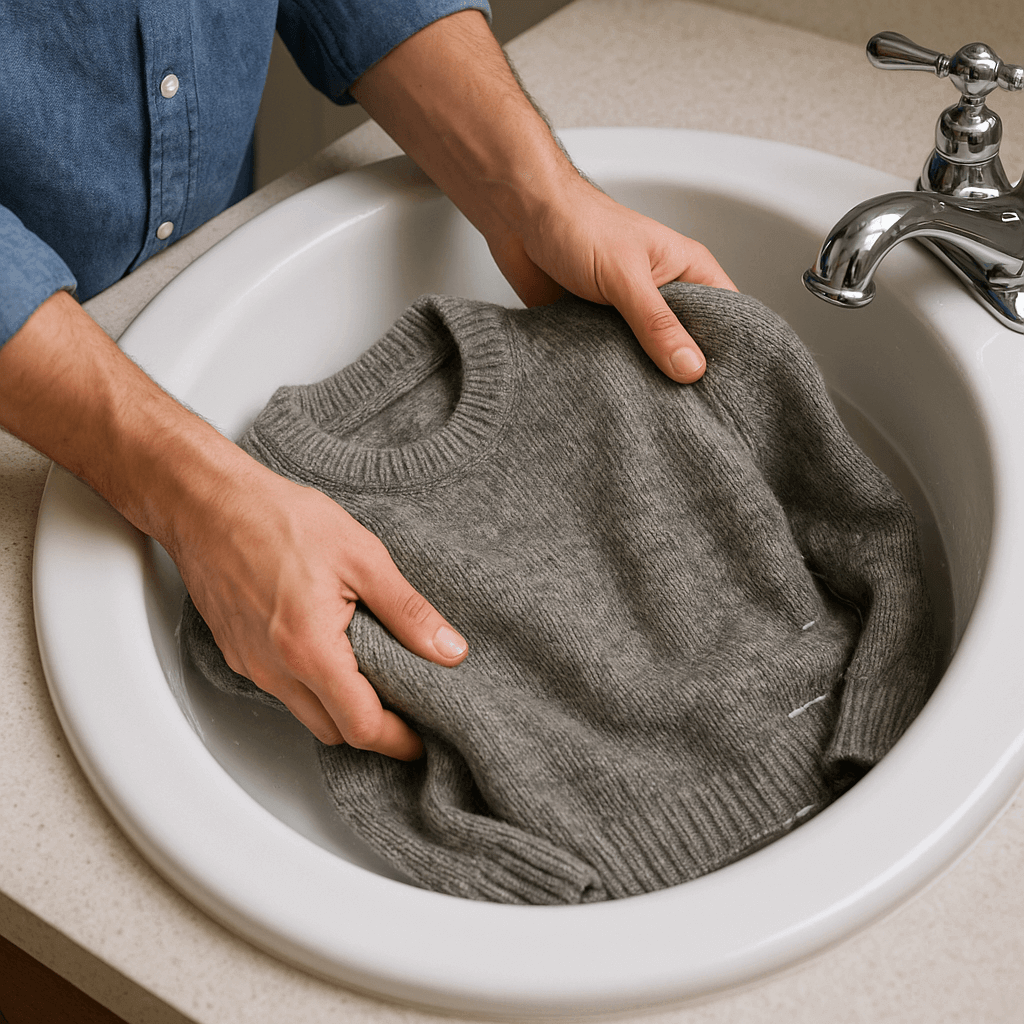
The core difficulty in washing wool comes from its natural structure. Wool fibers are covered in tiny, overlapping scales. When exposed to heat and friction, these scales lock together, causing the fabric to felt and shrink. This is why controlling the washing environment is everything. Good education on how to wash a wool sweater is crucial for customer satisfaction.
Here’s the step-by-step process we recommend to our brand partners.
The Standard Wool Washing Process
- Preparation: Fill a clean basin with cool water. Add a small amount of wool-safe detergent.
- Soaking: Submerge the sweater and let it soak for 10-15 minutes. Avoid long soaks.
- Washing: Gently press and squeeze the suds through the fabric. Never twist or rub.
- Rinsing: Drain and refill with fresh, cool water of the same temperature. Press gently until soap is gone.
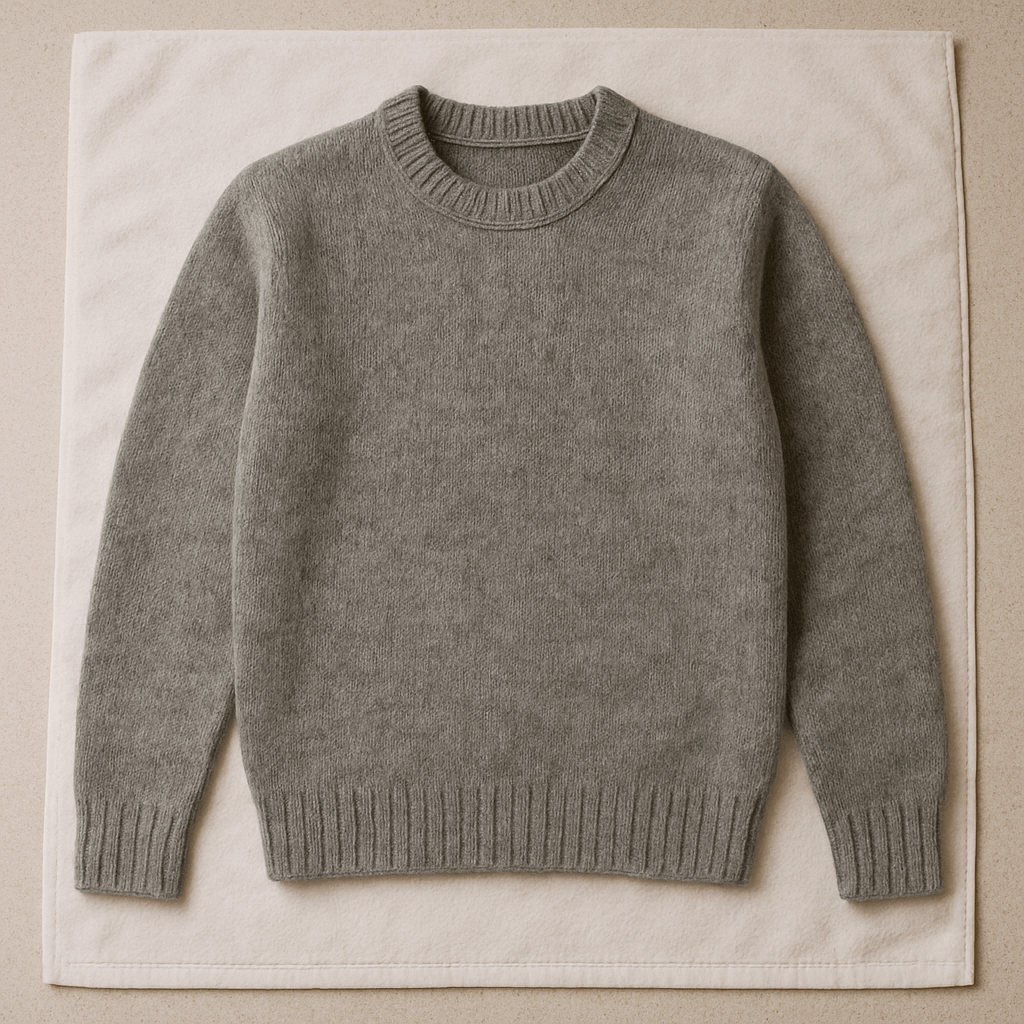
- Drying: Lift the sweater out, supporting its full weight. Place it on a thick towel, roll it up, and press to absorb water. Finally, unroll and lay it flat on a dry towel or mesh rack to air dry.
This method protects the sweater's structure, especially for fully-fashioned knits where every stitch is designed to create a specific shape.
How to wash a sweater without ruining it?
Do you dread pulling a shrunken, misshapen sweater from the wash? It’s a preventable disaster. Let's make sure it never happens to your brand's beautiful knitwear again.
To wash a sweater without ruining it, you must control three factors: keep water temperature consistently cool, minimize friction by avoiding rubbing or wringing, and always dry it flat to prevent stretching. Gently reshaping the damp sweater helps maintain its original fit perfectly.
From a manufacturer’s standpoint, preventing damage is about understanding the "why" behind each rule. The sweater's construction—its gauge, stitch, and yarn—dictates how vulnerable it is. This is the science behind how to wash a wool sweater effectively.
What Actually Ruins a Sweater?
I've seen it all in our testing labs. Here are the three main culprits that destroy a wool sweater during a wash.
| Destructive Action | What Happens to the Wool Fiber | The Result | How We Prevent It |
|---|---|---|---|
| Sudden Temperature Change | The scales on the wool fibers open and lock together in a process called "thermal shock." | Felting & Shrinking: The sweater becomes dense, thick, and several sizes smaller. | Use cool water (under 30°C) for both washing and rinsing. Never switch from warm to cold. |
| Excessive Friction & Agitation | Rubbing, twisting, or a machine's spin cycle forces the fiber scales to interlock permanently. | Felting & Pilling: The surface becomes matted, and small balls of fiber (pills) form. | Gently squeeze, never wring. Hand washing is safest. For machine-safe wool, use the delicate/wool cycle. |
| Hanging to Dry | Water adds significant weight, and gravity pulls the wet sweater downwards, stretching the knit structure. | Stretching & Deformation: The sweater loses its shape, especially in the shoulders, sleeves, and overall length. | Always support the sweater's full weight and lay it flat to dry. |
At HD Merino, we provide detailed wash test reports on shrinkage and pilling so brands can create precise and reliable care instructions.
Is it better to hand wash or dry clean wool sweaters?
Dry cleaning seems like a safe bet, but is it always the best or most necessary choice for wool? The cost, chemicals, and hassle can add up. Let's clarify the pros and cons.
Hand washing is generally better for the longevity and softness of wool. Dry cleaning is best reserved for heavy, structured items or tough, oil-based stains, as frequent use can strip the wool’s natural lanolin, leaving it dry and less resilient over time.
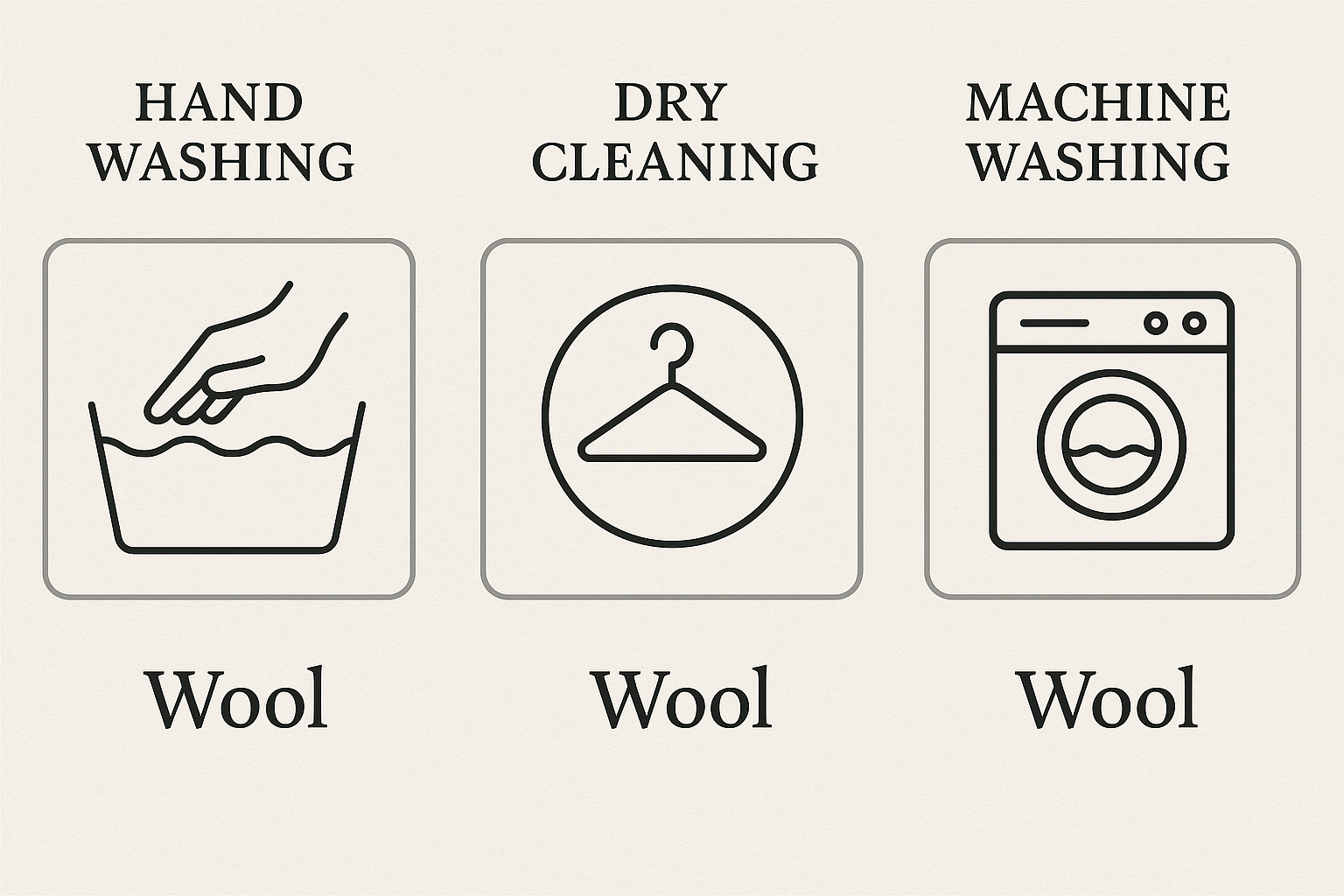
Many brands and consumers default to "Dry Clean Only," but that's often an oversimplification. From our experience, the best method really depends on the yarn and the sweater’s construction. This is a conversation I have with product developers like Oliver all the time. Choosing the right yarn from the start can make care so much easier.
Choosing the Right Care for the Right Wool
| Method | Best For | Why It Works | HD Merino Solution |
|---|---|---|---|
| Hand Wash | Traditional, non-superwash Merino wool sweaters; delicate knits. | It's the gentlest method, preserving the fiber's natural lanolin and softness. It gives the user full control over temperature and friction. | We encourage brands to educate customers on this simple, effective method for premium 100% Merino garments to ensure longevity. |
| Machine Wash | Sweaters made from "superwash" wool or durable wool blends. | Superwash wool has been treated to prevent its scales from locking. This makes it resistant to felting and shrinking in a gentle machine cycle. | We offer 100% superwash Merino wool and durable Merino blends (like Merino/Nylon) for brands wanting to create easy-care, travel-friendly, or everyday collections. This drastically reduces after-sales complaints. |
| Dry Clean | Heavy, structured wool coats; garments with complex tailoring; removing oil-based stains. | Solvents can remove stains that water cannot. It also avoids any risk of water-induced shrinking on very heavy or complex garments. | We suggest this for specific situations. We help brands identify which items truly need it and provide the correct care symbols for their labels. |
Ultimately, a brand's reputation is tied to how well its products last. By thinking about washability during the design phase, we can build collections that are not only beautiful but also practical.
Conclusion
Properly caring for wool is simple: use cool water, handle it gently, and dry it flat. For brands, selecting the right yarn type from the start makes all the difference.