You've just received feedback that a new wool sweater feels scratchy, or a wash test has left a sample feeling stiff. It's a frustrating problem that can lead to customer complaints and returns, undermining your brand's promise of quality.
The solution isn't just about care labels; it's about making the right decisions from the very beginning. To truly soften a wool sweater and ensure it stays that way, you need to understand the fiber itself. As your partner, we can engineer softness into your knitwear from day one.
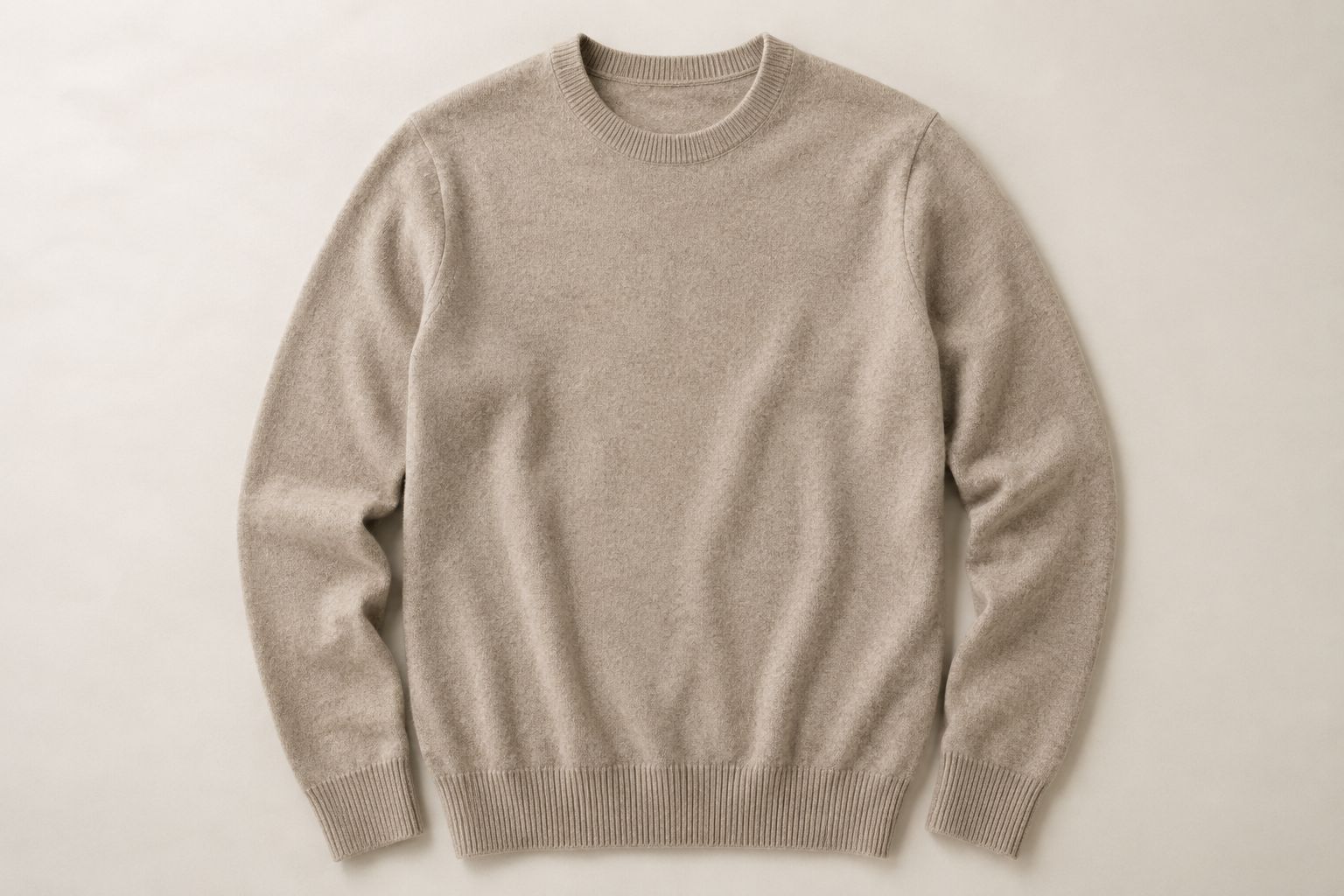
This guide is designed to give you, the Product Development Manager, the insights you need to address these issues at their source. We'll explore why wool can feel scratchy or stiff and outline the manufacturing strategies that create consistently soft, high-quality knitwear. Let's start by tackling the most common complaint.
Why Are Wool Sweaters So Scratchy?
A customer tries on a sweater and immediately feels an itch. This single experience can make them question the quality of your entire collection. It's a common issue, even with products labeled "100% Wool."
The scratchy feeling comes from the wool fibers themselves. Coarser, thicker fibers don't bend easily when they press against the skin. Instead, their ends poke the wearer, causing irritation. The wool's natural scale-like surface can also contribute to this sensation if the fibers are too large.
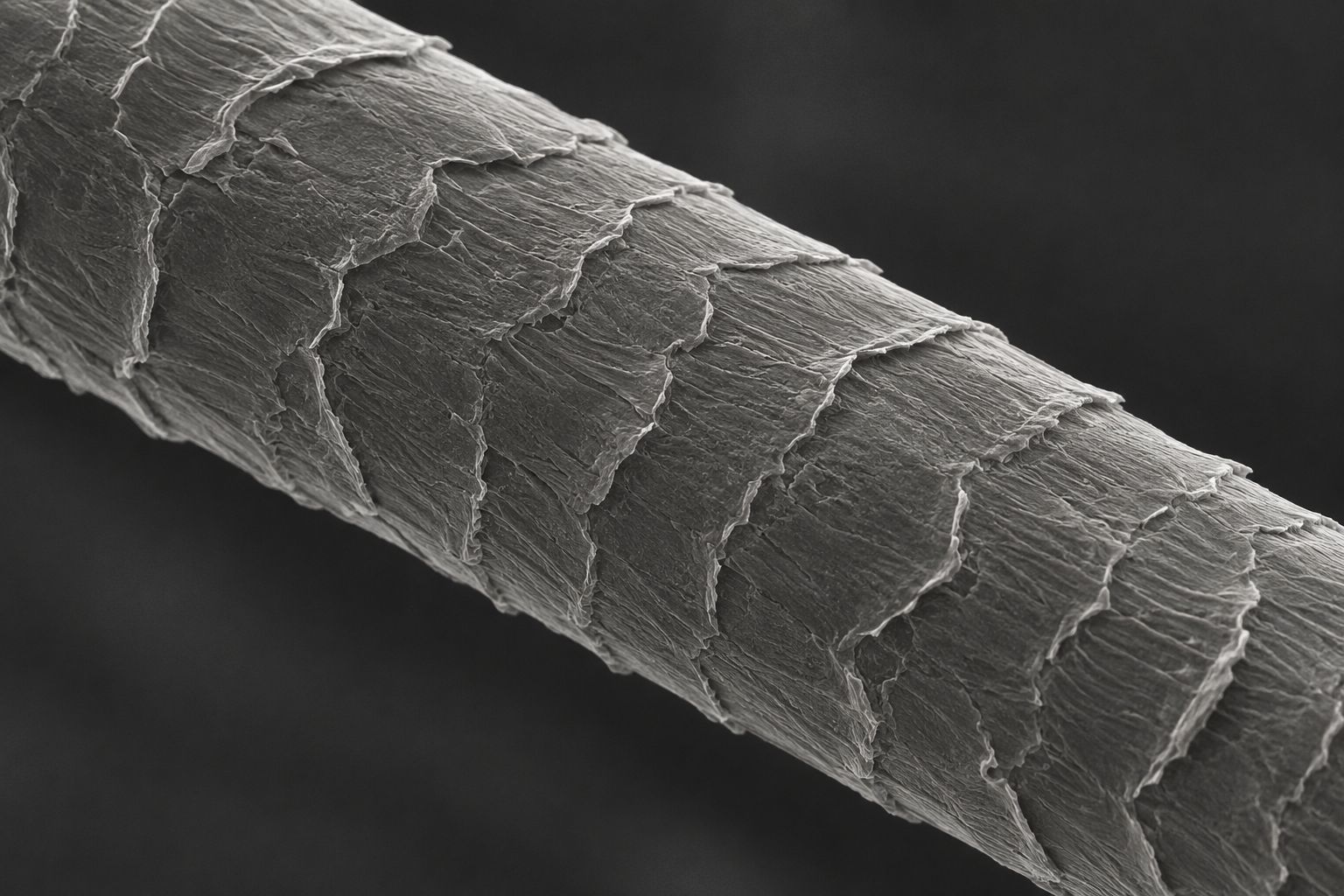
The key to solving this lies in the raw material. The softness of a wool sweater is primarily determined by the fineness of the fiber, measured in microns. While factors like yarn structure and finishing play a role, the micron count sets the ultimate limit on comfort.
It Starts with the Fiber: Micron and Crimp
Not all wool is created equal. The comfort level of a sweater is built into the DNA of the yarn before we even start knitting.
- Micron Count: This is the measurement of the fiber's diameter. A lower micron number means a finer, more flexible fiber that bends easily against the skin instead of poking it. For a truly non-scratchy feel, we always recommend sourcing yarns with a low micron count.
- Natural Crimp: Wool fibers have a natural wave, or "crimp." A uniform, high-quality crimp helps create a loftier, softer yarn with more resilience.
Here’s a simple comparison to illustrate the difference:
| Fiber Type | Typical Micron Count | Feel Against Skin |
|---|---|---|
| Fine Merino Wool | 15 - 19.5 Microns | Very soft, flexible, and comfortable. Unlikely to cause irritation. |
| Regular Wool | > 25 Microns | Stiffer and thicker. More likely to feel prickly or scratchy. |
By selecting a fine-micron wool like Merino from the start, you are building a foundation for comfort that no amount of finishing can replicate later.
How to Soften a Stiff Wool Sweater?
You’ve done a wash test on a new sample, and it came out feeling hard and stiff. This is a major red flag that can delay production. You need a reliable way to fix it and prevent it from happening again.
To soften a stiff sweater, use a pH-neutral wool detergent in cool water, wash gently, and avoid agitation. Do not use a standard fabric softener. Reshape the garment and lay it flat to dry. A handheld steamer is also excellent for relaxing the fibers and restoring softness.
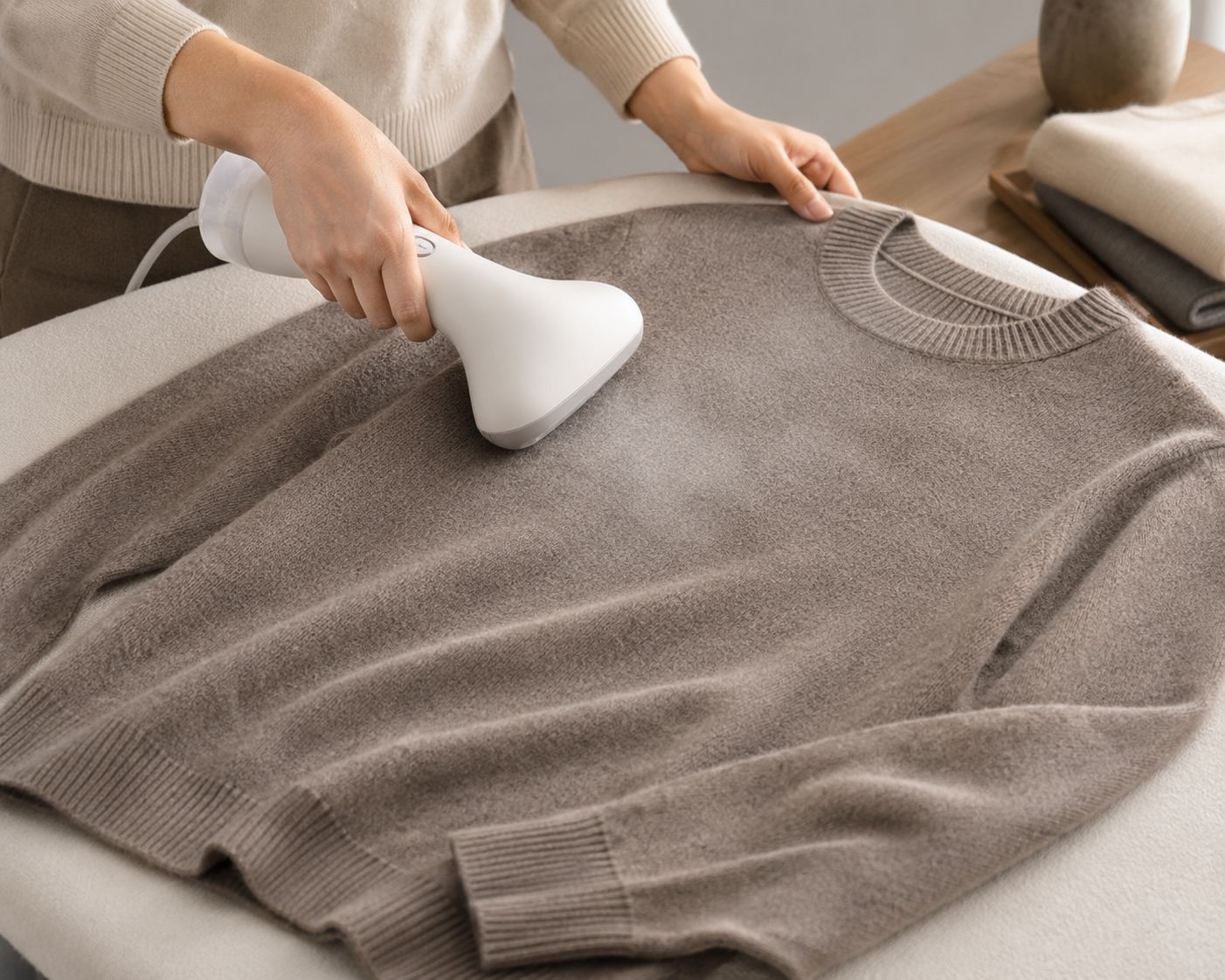
While these care steps are effective for recovery, the best approach is prevention. At the manufacturing stage, we focus on creating a sweater that resists stiffness in the first place. This involves a combination of smart production techniques and strategic finishing.
Engineering Softness into the Sweater
We can control several factors during production to ensure a stable and lasting soft hand-feel.
- Fully-Fashioned Knitting: Unlike cut-and-sew methods, fully-fashioned knitting shapes each panel individually on the machine. This minimizes stress on the yarn, helping it retain its natural softness and elasticity for a better long-term feel.
- Specialized Finishing: We can apply post-knitting treatments to enhance softness. Superwash wool is pre-treated to smooth its scales, making it resistant to felting and stiffness. Light enzyme washes or silicone finishes can also improve the surface feel without compromising the wool's performance.
- Rigorous Quality Control: We don't just hope for softness; we test for it. Our process includes a Hand Feel Evaluation, Wash Test, and Pilling Test to ensure every batch meets your brand's standards for softness, durability, and shape stability after washing.
Does Wool Get Softer Over Time?
Your marketing team wants to claim that your sweaters "get even softer with wear." You need to know if this is an accurate statement, as your brand's credibility is on the line.
The truth is, only high-quality wool gets softer over time. With fine Merino wool, the fibers can relax and settle with gentle wear and proper care, enhancing their natural softness. However, a sweater made from coarse, lower-grade wool will not become significantly softer.
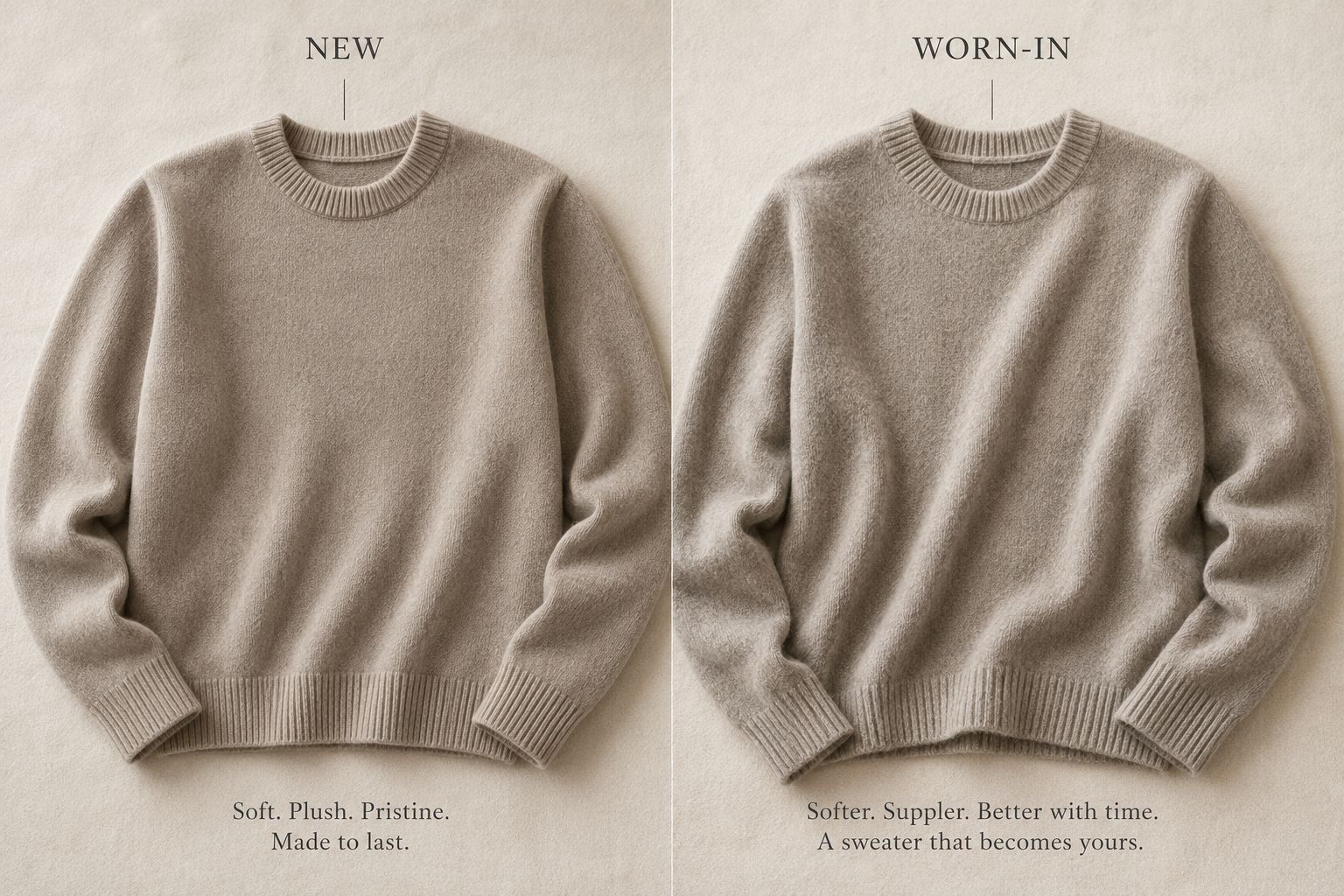
The initial quality of the raw material determines the sweater's ultimate potential for softness. You cannot turn a coarse wool sweater into a luxuriously soft one through washing and wearing alone. This is why our development process starts with a deep conversation about yarn sourcing.
Building a "Hand-Feel Standard" for Your Brand
To deliver consistent quality, you need to move beyond just asking for "soft." I work with partners like you to establish a complete Hand-Feel Standard. This becomes a core part of your product DNA.
- Define Your Target: Do you want a "Smooth Hand," a "Cashmere Touch," or "Natural Resilience"? Defining these targets helps us select the right yarn and finishing process. We typically recommend starting with Merino wool under 18.5 microns for a premium feel.
- Balance the Properties: The softest yarn isn't always the best. Extreme softness can sometimes lead to lower durability or more pilling. We help you find the optimal balance between these four key pillars:
- Softness: The immediate feel against the skin.
- Durability: Resistance to pilling and wear.
- Shape Retention: The sweater's ability to hold its form.
- Comfort: Breathability and thermal regulation.
- Provide Clear Guidance: Once we've engineered the perfect sweater, we help you create clear care instructions. This empowers your customers to maintain the softness you worked so hard to create, reducing complaints and returns.
Conclusion
Engineered softness is the key to creating premium knitwear. By choosing fine fibers, using expert manufacturing techniques, and defining a clear hand-feel standard, you can deliver sweaters that are consistently luxurious and comfortable.