A beautiful sweater is returned because of a simple stain, leading to lost revenue and customer disappointment. This common issue can quietly damage a brand's reputation for quality. We understand this challenge and know how to turn it into an opportunity to build loyalty.
Empower your customers with proactive care advice. This includes recommending the right yarns, providing clear washing guides, and warning against harsh home remedies. For premium brands, offering value-added after-sales support like a small repair kit or stain guide transforms a potential problem into a positive brand experience.
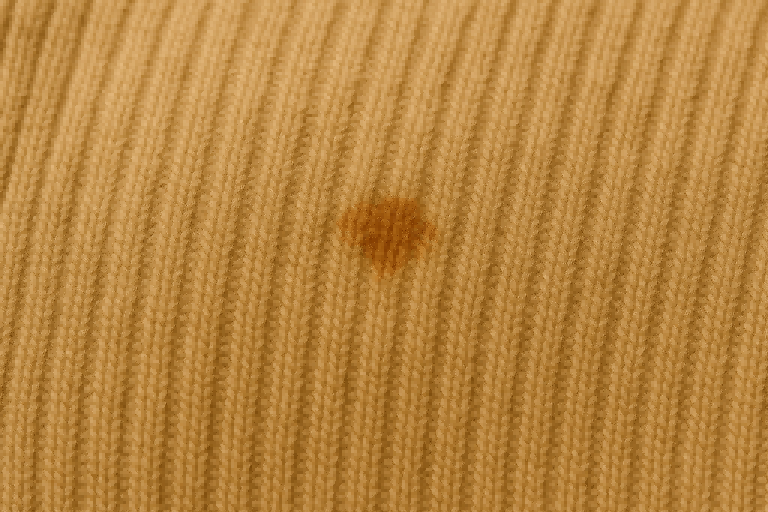
A sweater is an investment for your customer. When they get a stain, their first reaction directs their feeling about your brand. If they damage the sweater trying to clean it, they may question the garment's quality. But if you provide them with the right tools and guidance, you become a trusted expert. I've personally seen brands build incredible loyalty by simply helping customers care for their products. Let's explore how you can make stain management a core part of your brand's strength, not a weakness.
How to fix a stained sweater?
An unexpected stain appears on a customer's favorite sweater. Without clear instructions, their attempt to clean it can cause permanent damage. This often leads to unnecessary returns and questions about your garment's quality.
Act fast and be gentle. Advise customers to blot the stain immediately with a clean, damp cloth. Apply a small amount of a wool-safe, neutral detergent. Dab carefully from the outside in to prevent spreading, rinse with cold water, and lay the garment flat to dry away from heat.
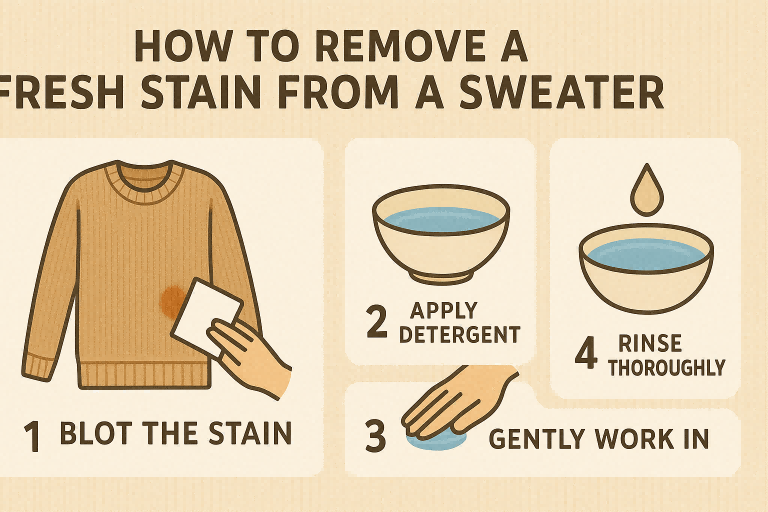
The key is to educate your customers on the correct first response. Vigorous rubbing is one of the worst things to do; it pushes the stain deeper into the yarn and can break the delicate fibers, causing pilling or fuzzing. This is especially true for natural fibers like Merino wool, which are highly absorbent. Hot water is another enemy, as it can set protein-based stains (like food or sweat), making them impossible to remove.
Your brand can be the hero here by providing this guidance proactively. A simple, well-designed hang-tag or a care card included with the packaging can make a world of difference. It shows you care about the garment's entire lifecycle. At HD Merino, we often collaborate with brands to create these guides. You can even break down the advice by common stain types, which gives customers more confidence. Simple, clear instructions build trust and significantly reduce preventable returns.
| Stain Type | Recommended Action | What to Avoid |
|---|---|---|
| Oil & Grease | Blot excess oil first. Apply a neutral, wool-safe detergent directly. Let it sit, then rinse. | Hot water, which can spread the oil and set it. |
| Coffee & Wine | Blot immediately. Rinse the stain from the back of the fabric with cold water to push it out. | Vigorous rubbing, which can damage fibers and enlarge the stain. |
| Sweat & Deodorant | Pre-soak the area in cold water with a neutral detergent before washing. | Bleach or any strong alkaline cleaners, which will damage wool. |
How to get an old stain out of a sweater?
An old, set-in stain makes a sweater look unwearable. The customer might feel the garment is now useless and discard it. This outcome undermines your brand’s commitment to quality and longevity.
Old stains are challenging, but often salvageable. We recommend soaking the stained area in cold water with a wool-safe, enzyme-based cleaner for 30-60 minutes. Gently work the cleaner into the stain with your fingers, rinse thoroughly without wringing, and lay flat to dry.
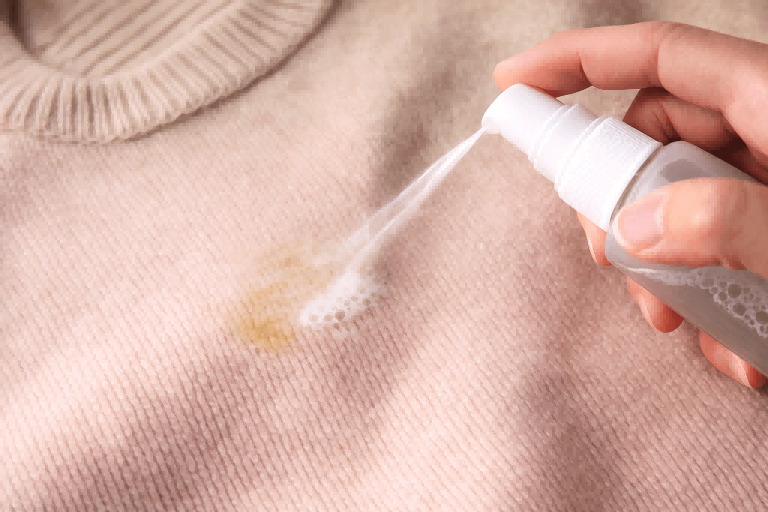
The main challenge with old stains is that they have had time to chemically bond with the sweater's fibers. This is particularly true for delicate, porous yarns like superfine cashmere or Merino wool. The same fiber structure that makes the sweater feel incredibly soft also makes it excellent at holding onto stains. This is a perfect opportunity for your brand to step in with expert advice that saves a beloved garment.
First, advise customers to identify the stain if possible. For old, unknown stains, a gentle enzyme-based cleaner is often the best solution. These cleaners are designed to break down the protein, starch, or oil molecules in the stain without harming the wool fibers. Always stress the importance of testing the cleaner on a hidden area first, like an inside seam. After soaking, they should gently press the water out between two towels, never wring or twist the fabric. Reshaping the sweater while damp and drying it flat preserves its shape. Offering a "Sweater Rescue Kit" with a trusted wool cleaner and spare yarn for repairs can turn a customer's frustration into a memorable brand experience. It positions you as a partner in care, not just a seller.
What fabrics should not be washed with vinegar?
Customers often turn to popular "DIY" cleaning hacks found online. Using common household items like vinegar can seem like a cheap and natural solution, but it often leads to irreversible damage on premium knitwear.
Never use acidic cleaners like vinegar or lemon juice on natural protein fibers. This includes all wool, such as Merino, lambswool, and cashmere, as well as silk. The acid can permanently damage the delicate fiber structure, causing brittleness, texture changes, and color loss.
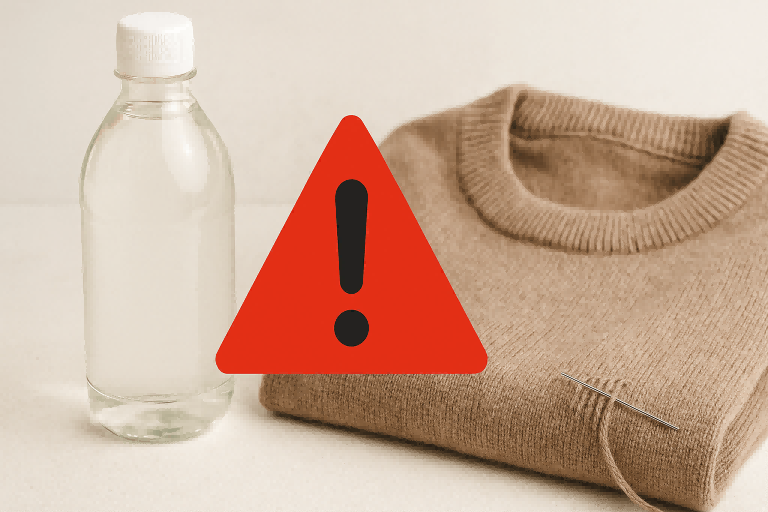
Many well-intentioned customers believe they are being eco-friendly or resourceful by using vinegar. They don't realize these common kitchen items can ruin the very qualities that make a premium sweater special. Vinegar is an acid that strips the natural lanolin from wool fibers. This protective layer is what gives wool its softness and resilience. Without it, a soft sweater can become harsh and stiff. For dyed sweaters, the acid can also cause the color to bleed or fade unpredictably, destroying a carefully crafted design.
As a manufacturer, I have seen expensive, beautifully made sweaters returned because a customer tried a simple "natural" cleaning trick and ruined them. The damage is almost always permanent. Your brand can prevent this. Your product care labels, website FAQ, and even social media content should include clear warnings. I always advise our brand partners to create a simple "Forbidden Cleaners" list to protect both the customer's investment and the brand's reputation for quality. It is a simple, no-cost step that demonstrates your expertise.
Your Forbidden Cleaning List Should Include:
- Vinegar & Lemon Juice: Too acidic; damages protein fibers.
- Baking Soda: Too alkaline; can cause yellowing and stiffen fibers.
- Chlorine Bleach: Destroys wool and silk fibers completely.
- All-Purpose Sprays: Often contain harsh degreasers and chemicals unsuitable for natural yarns.
Conclusion
Effectively managing sweater stains is about smart brand strategy, not just cleaning tips. By providing clear guidance and proactive support, you build customer trust, reduce returns, and reinforce your reputation.