You pull out your favorite Merino sweater, ready for an important day, only to find it covered in wrinkles. Ironing seems too risky. You need a fast, safe way to fix it.
The quickest and safest way to get wrinkles out of a sweater is with a handheld steamer. The steam gently relaxes the wool fibers, allowing the knit structure to return to its original shape without direct heat or pressure, preserving the garment's texture and elasticity.
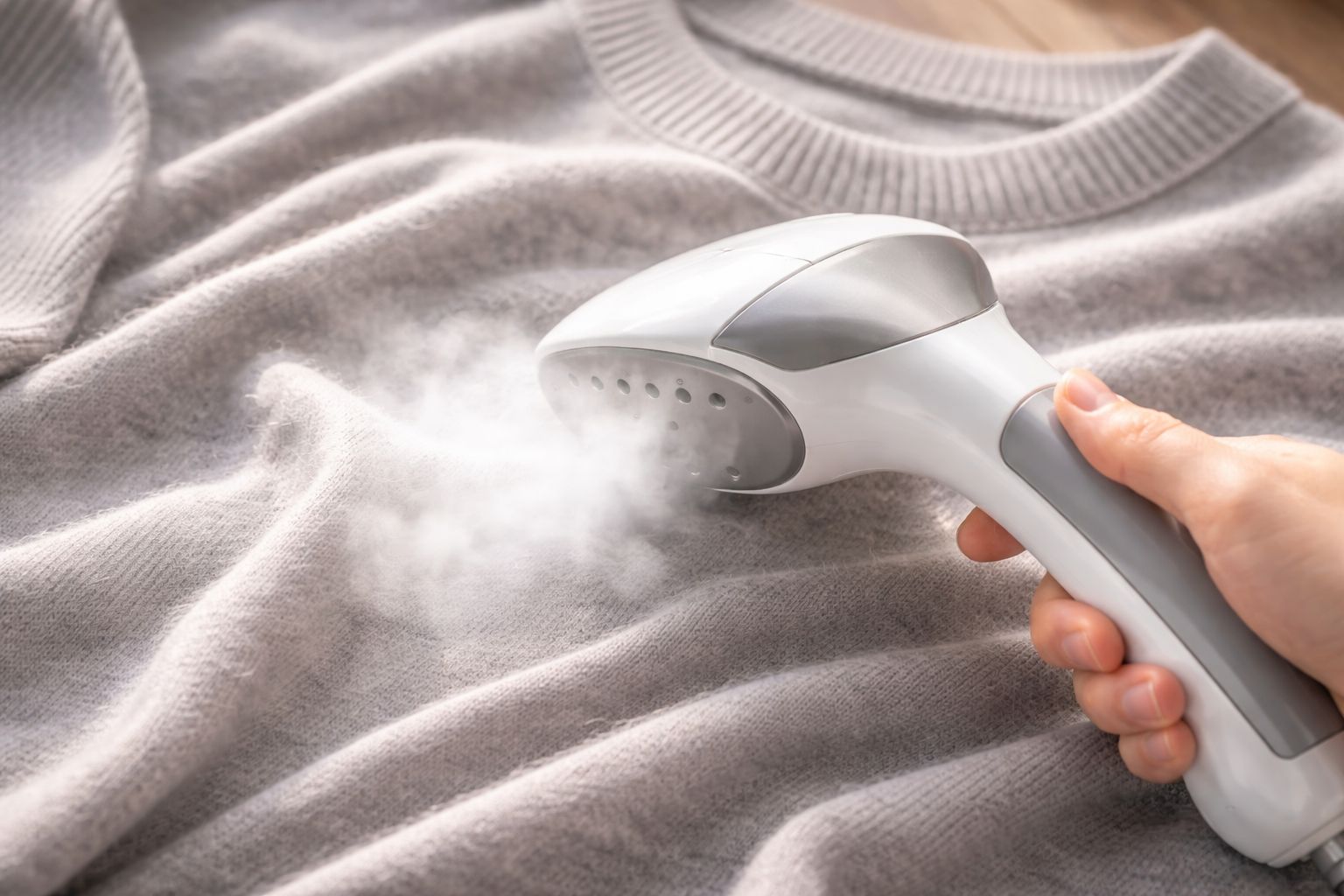
It might sound simple, but there is a science behind why steaming works so well for knitwear. Unlike a woven shirt that creases, a sweater's "wrinkles" are actually distortions in its looped structure. Understanding this difference is the key to caring for your knitwear properly and avoiding irreversible damage. To really master sweater care, we first need to look at the fiber itself.
Does 100% Wool Wrinkle Easily?
You invest in a premium 100% wool sweater, expecting it to look perfect. But after pulling it from a suitcase, you see creases. It makes you wonder if you chose the right material.
No, 100% wool is naturally very wrinkle-resistant thanks to the fiber's natural crimp and elasticity. While it can get wrinkles from prolonged pressure, like being packed tightly, these are usually surface-level and easy to remove with a little moisture.
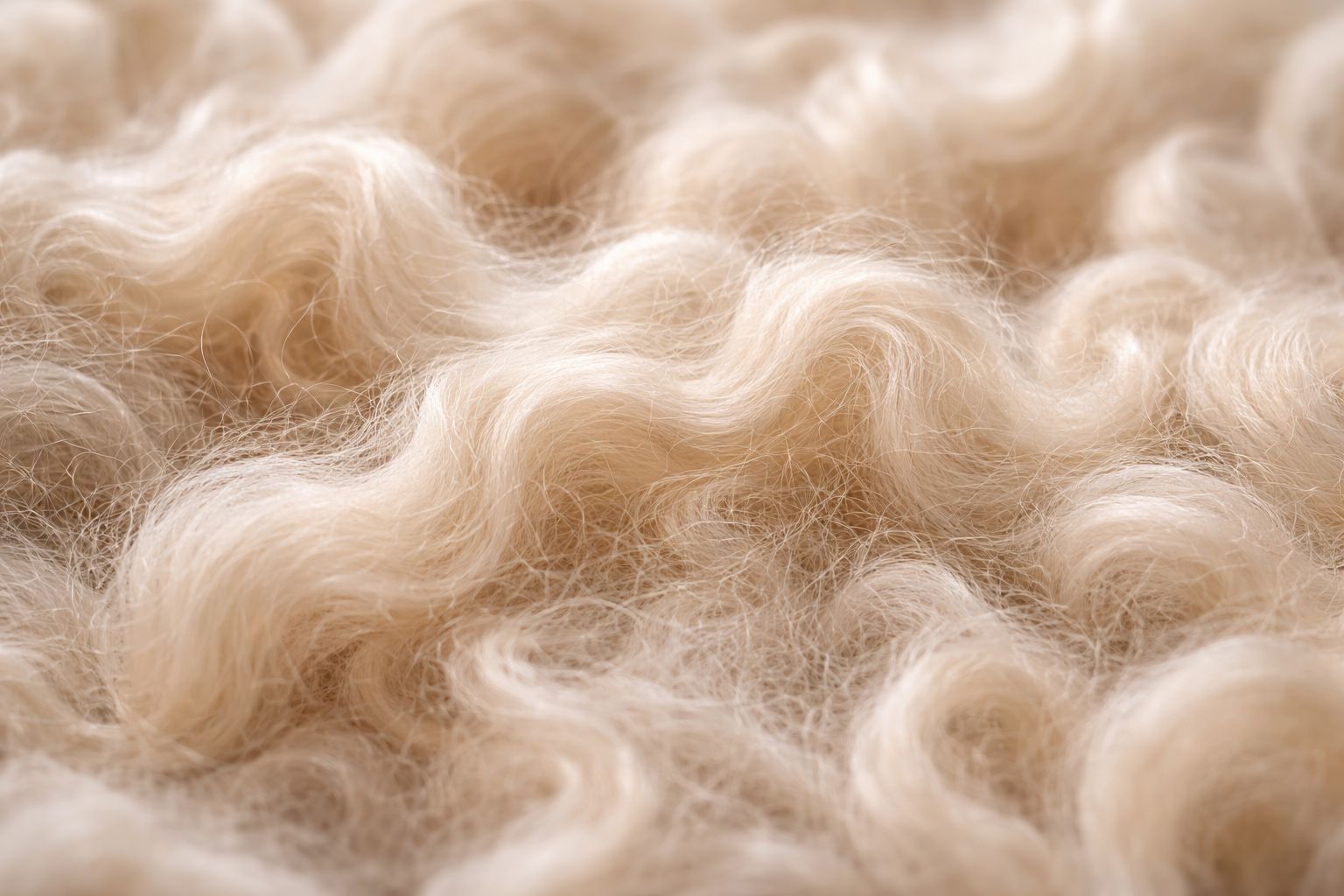
In my 13 years in the knitwear industry, I’ve learned that the secret lies in the fiber's structure. Merino wool fibers aren't straight; they have a natural three-dimensional crimp, like a tiny spring. This structure gives the yarn incredible elasticity. When a wool sweater gets wrinkled, the fibers are temporarily compressed. But with a bit of moisture from steam or even just ambient humidity, these fibers relax and spring back to their original shape. This is completely different from cotton, which has smooth fibers that lack this built-in memory. Once a cotton garment is creased, it tends to hold that shape until you apply direct heat and pressure with an iron. For product managers like Oliver, choosing the right fiber is the first step in creating a low-maintenance garment. The inherent qualities of wool make a huge difference in long-term performance and customer satisfaction.
| Fiber Type | Wrinkle Resistance | Best Recovery Method | Why It Works |
|---|---|---|---|
| 100% Merino Wool | High | Steam or Humidity | Natural fiber crimp and elasticity |
| 100% Cotton | Low | Ironing with Heat/Steam | Lacks natural fiber springiness |
| Wool/Synthetic Blend | Medium to High | Gentle Steam, Low Heat | Properties depend on the blend ratio |
How to Quickly Unwrinkle a Sweater?
You have a meeting in ten minutes, and your sweater looks like it was stored in a ball. You need a solution, and you need it now, but you know the iron is a dangerous choice.
The fastest way is using a garment steamer. Hold it a few inches from the fabric and move it over the wrinkles. The steam works almost instantly. If you don't have one, hang the sweater in the bathroom while you take a hot shower.
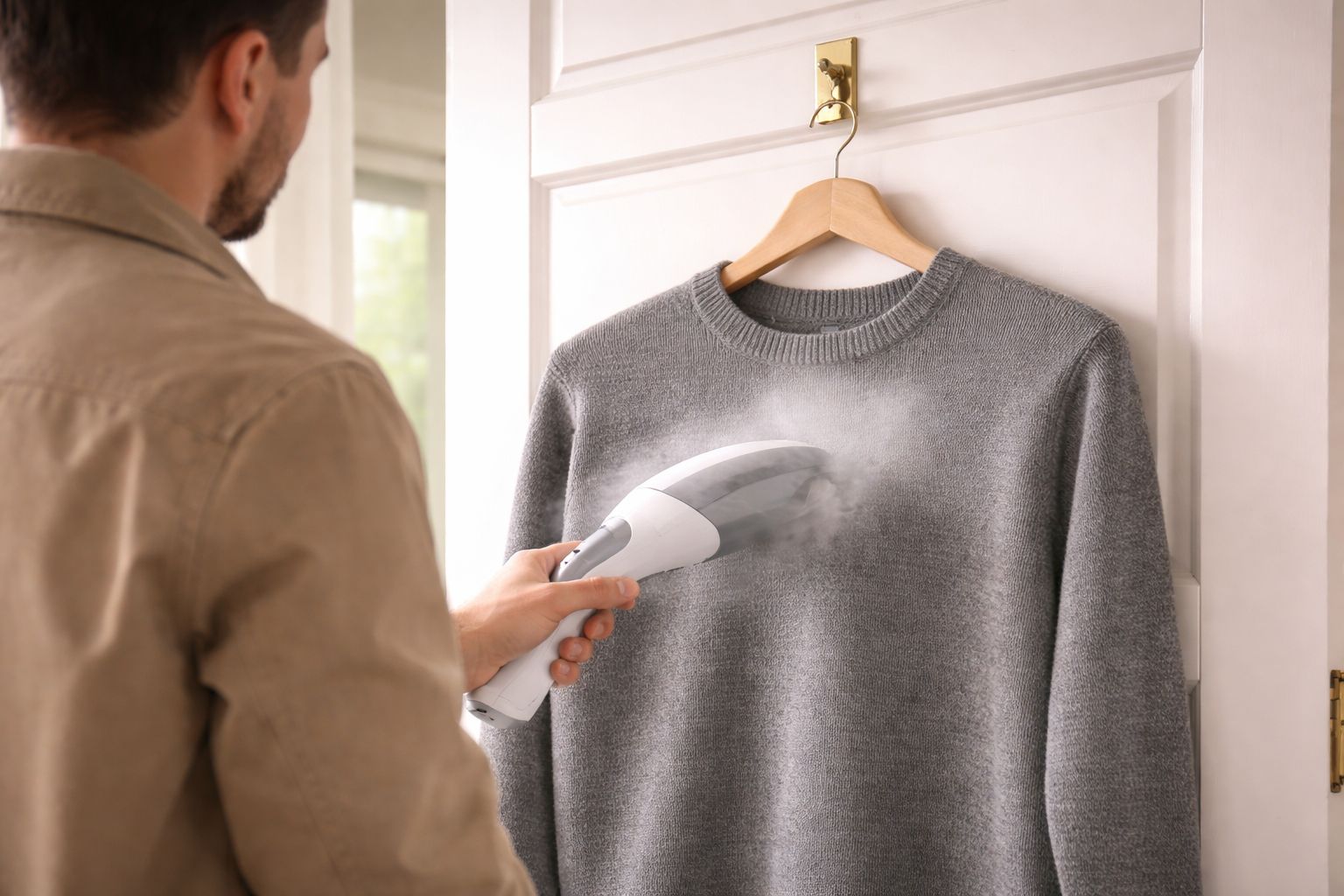
Let's break down why steam is the perfect tool for the job. Wrinkles in knitwear are not true creases; they are areas where the knitted loops have been distorted and their tension is uneven. Steam introduces a combination of gentle heat and moisture. This combination allows the yarn fibers to relax completely, releasing the tension and letting the loops settle back into their natural, uniform alignment. The sweater essentially resets itself. This is fundamentally different from ironing. An iron applies intense, direct heat and pressure, which flattens and crushes the delicate loops. This can permanently damage the wool's natural loft and elasticity, sometimes leaving shiny patches. As a manufacturer, we build our sweaters to have a specific texture and hand-feel. Ironing can destroy that in seconds. For product developers, educating customers on this point is crucial. Recommending steam in care instructions protects the garment's integrity and reinforces the brand's commitment to quality.
How to Quickly Unwrinkle a Sweater?
You’re traveling for work, and you notice your sweater is wrinkled right before a client dinner. There is no steamer in your hotel room, and no time for the shower trick.
Without a steamer, lay the sweater on a flat surface and roll it up tightly like a sleeping bag. Let it sit for about an hour. Alternatively, you can use a wrinkle-release spray, lightly misting the garment and then smoothing it out by hand.
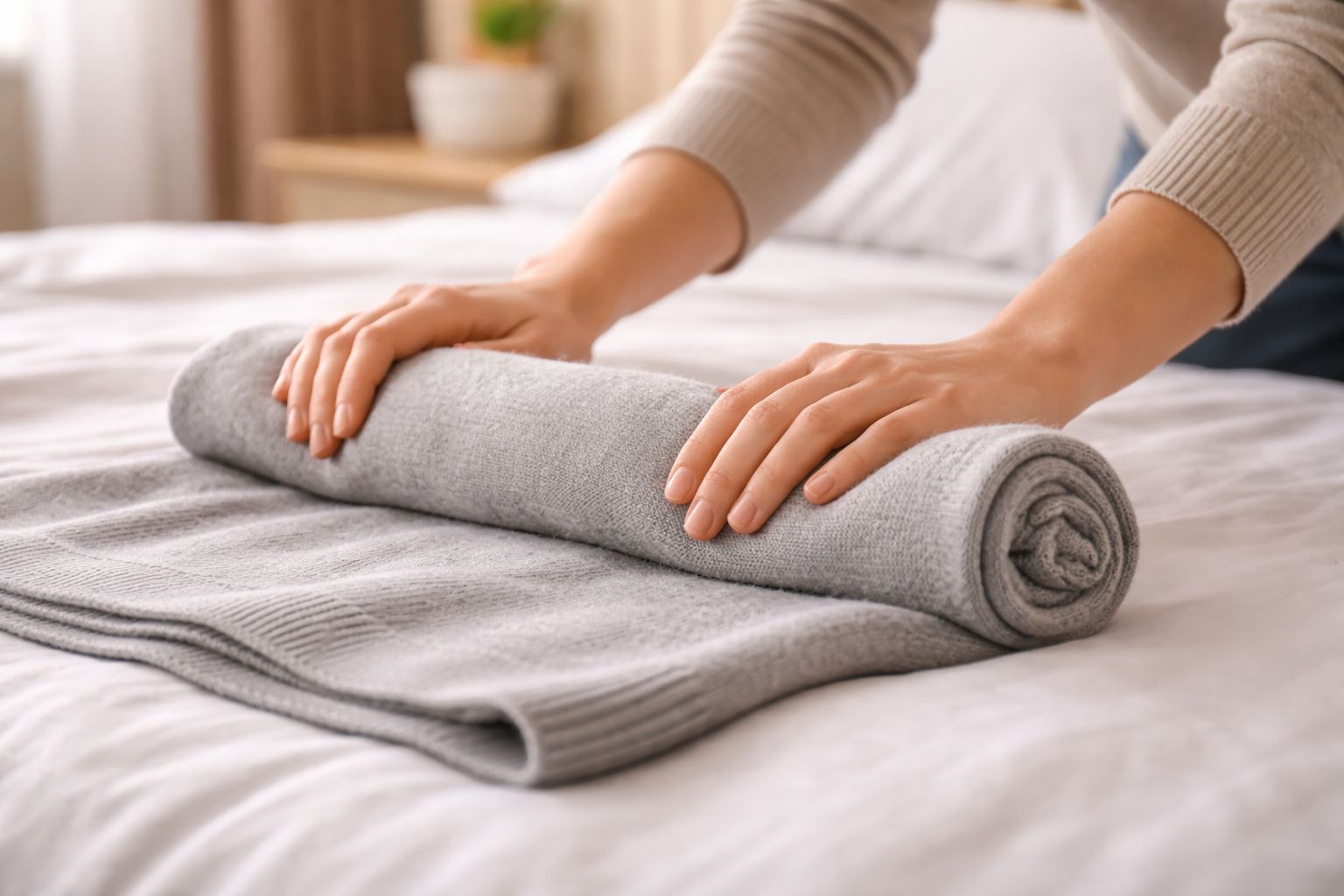
These methods work because they rely on the same principle as steaming: "humidity and low stress." The rolling technique applies gentle, even pressure across the entire garment. This slowly encourages the distorted knit loops to realign without any harsh force. It is a slow and gentle reset. Simply laying the sweater on a flat surface and smoothing it with your hands can also work wonders for minor wrinkles, as gravity and time help the fibers relax. The success of these methods often depends on the sweater's construction. A fine-gauge, fully-fashioned sweater, like a 16G, has a very stable and consistent structure. It naturally wants to return to its intended shape, making it highly responsive to these gentle techniques. A heavier, lower-gauge sweater (like a 7G) might hold onto wrinkles more stubbornly due to its weight and looser knit, often needing a bit more moisture. This is something we consider during development. A well-designed sweater is not just about aesthetics; it is also about ensuring it performs well and is easy for the end-user to care for.
Conclusion
The best way to remove sweater wrinkles is with gentle moisture, not high heat. Understanding knitwear's structure helps you restore its shape safely and keep it looking its best for years.