Why are my sweaters discolored after washing?
Nothing damages brand trust like a beautiful new sweater fading or bleeding color after the first wash. This frustrating problem leads to customer complaints, returns, and damages your reputation.
Your sweaters are likely discolored after washing because of poor color fastness, a problem that originates from the yarn and dyeing process chosen during development. It's rarely the customer's fault; the issue was locked in long before the sweater was even made.
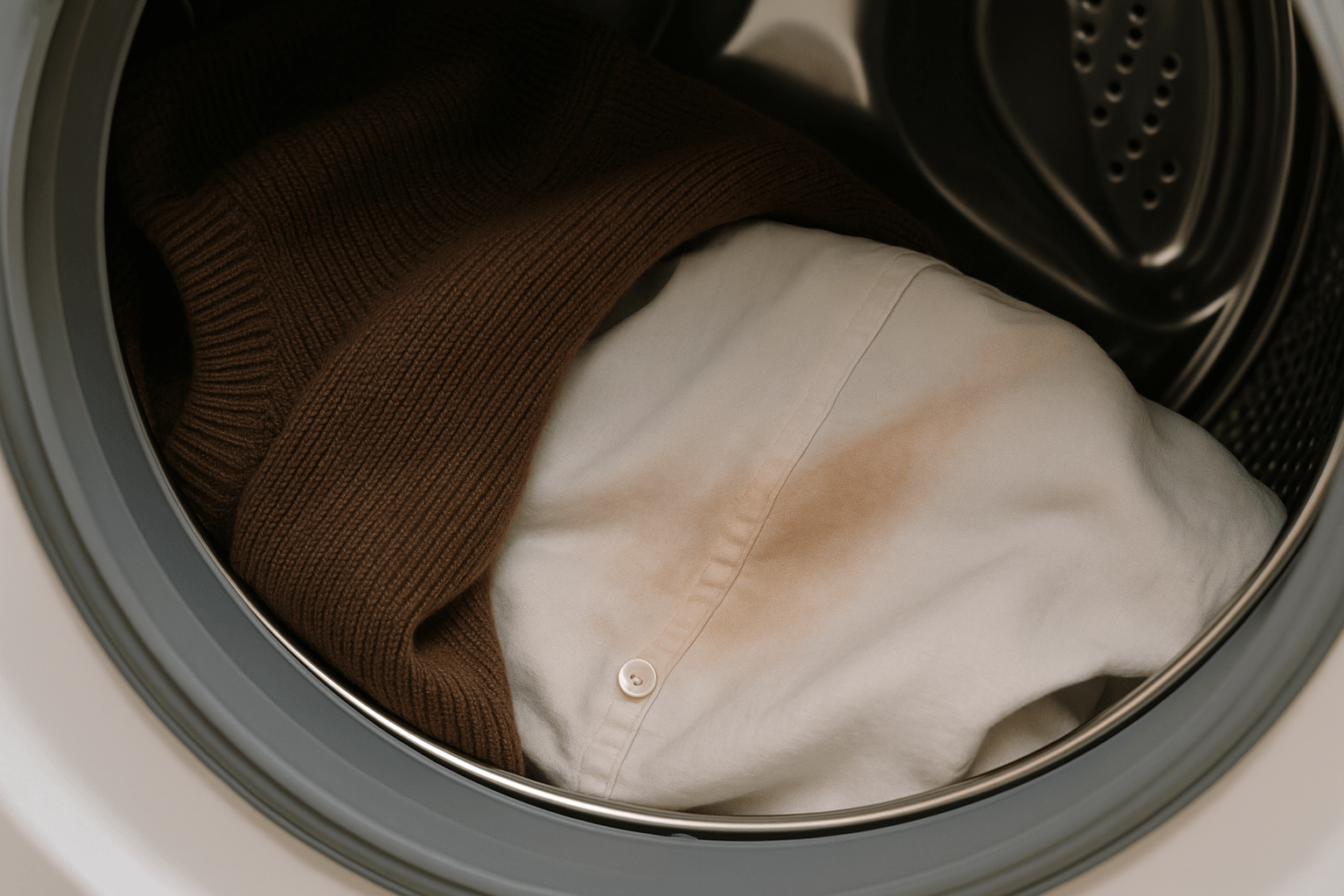
I've seen brands spend a fortune on design only to have their collection ruined by color migration. It’s a painful and costly lesson. A customer recently told one of our brand partners that a striped sweater they bought elsewhere turned into a blurry mess. The problem wasn't their washing machine; it was that the manufacturer used a cheap dye on a high-contrast design. This is a classic example of a preventable failure. The secret to vibrant, stable color isn't in the laundry room—it's in the technical decisions we make together before a single sweater is ever knitted. Let's explore how to get it right from the start.
How to stop clothes from discoloration?
You're worried about your new collection's colors fading or bleeding, but you feel like you're just guessing which yarns will hold up. This uncertainty can delay production and lead to expensive re-sampling.
To stop clothes from discoloring, you must use high color-fastness yarns and verify the dyeing process during the development stage. This means proactively choosing stable, yarn-dyed options and testing them rigorously before approving the design for bulk production.
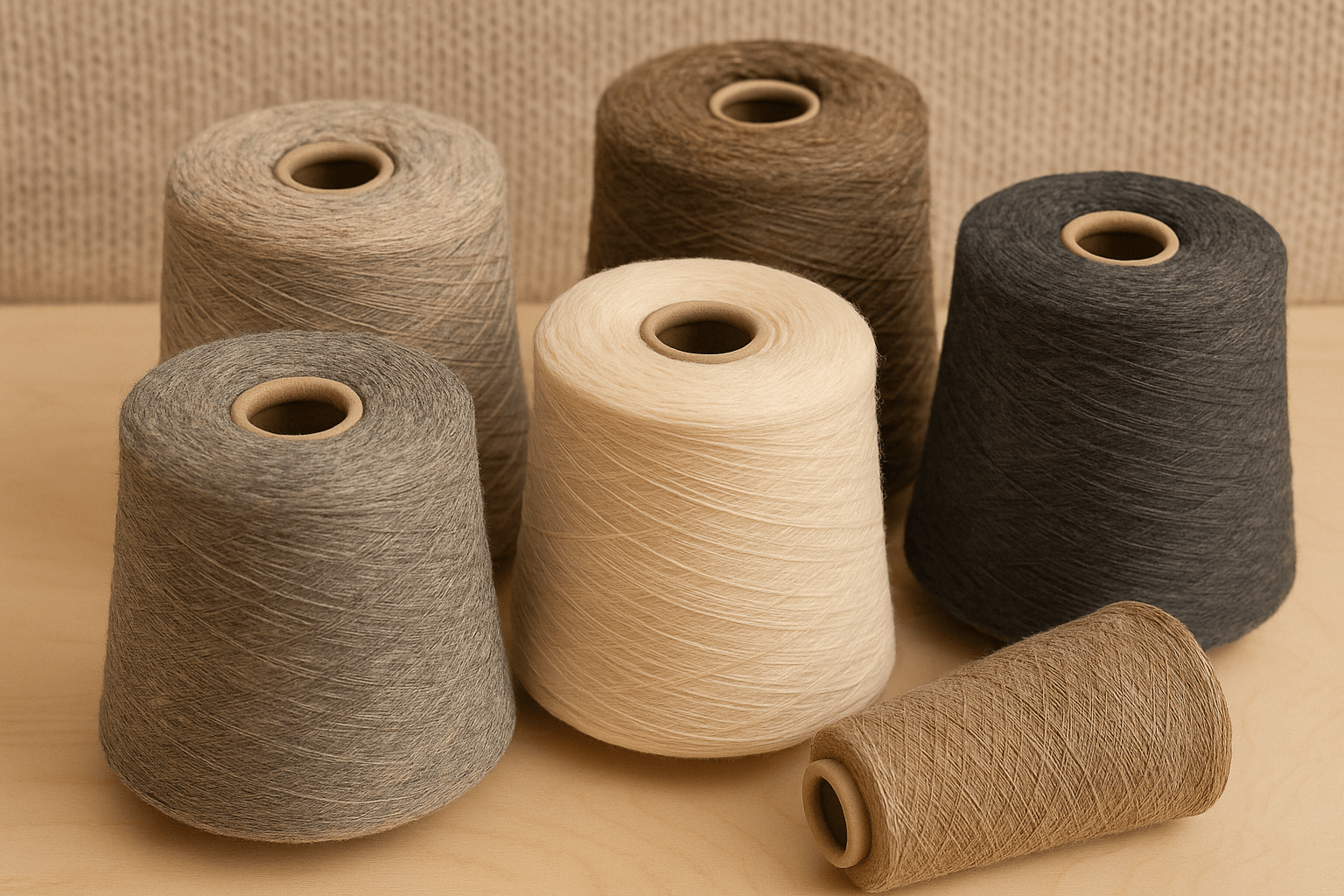
The most effective way to prevent discoloration is to address it at the source: the yarn. The root of color bleeding lies in using dyes that aren't stable enough for the final product, especially for dark colors or high-contrast patterns like stripes. At HD Merino, we strongly recommend using yarn-dyed options for premium collections. This is where the yarn is dyed before it’s knitted, ensuring the color is deeply penetrated and locked into the fiber. We provide yarn-dyed wool with a dry rub color fastness rating of Level 4 or higher, which is essential for ensuring longevity.
This choice is even more critical in modern knitwear design. Consider these factors:
| Design Feature | Potential Risk | Recommended Solution |
|---|---|---|
| Color Blocking | Color from the dark panel migrates to the light panel. | Use yarn-dyed threads with proven high color fastness. |
| Intarsia/Jacquard | Colors bleed into each other, blurring the pattern. | Ensure dye compatibility between all colors used. |
| Dark Solids | Color rubs off on skin or other clothing (crocking). | Test for both dry and wet color fastness early on. |
Color management isn't just a decorative choice; it's a structural part of a quality garment. By making the right decisions upfront, discoloration becomes a non-issue.
How to clean discolored cloth?
Your customer support team is getting questions about fixing color bleed on a new sweater. Every one of these inquiries is a red flag that your care instructions and product quality aren't aligned.
Unfortunately, once severe color bleed has occurred on a garment, it is almost impossible to reverse completely. The best approach is to educate customers on proper care to minimize minor fading, while acknowledging that the root cause is a manufacturing issue.
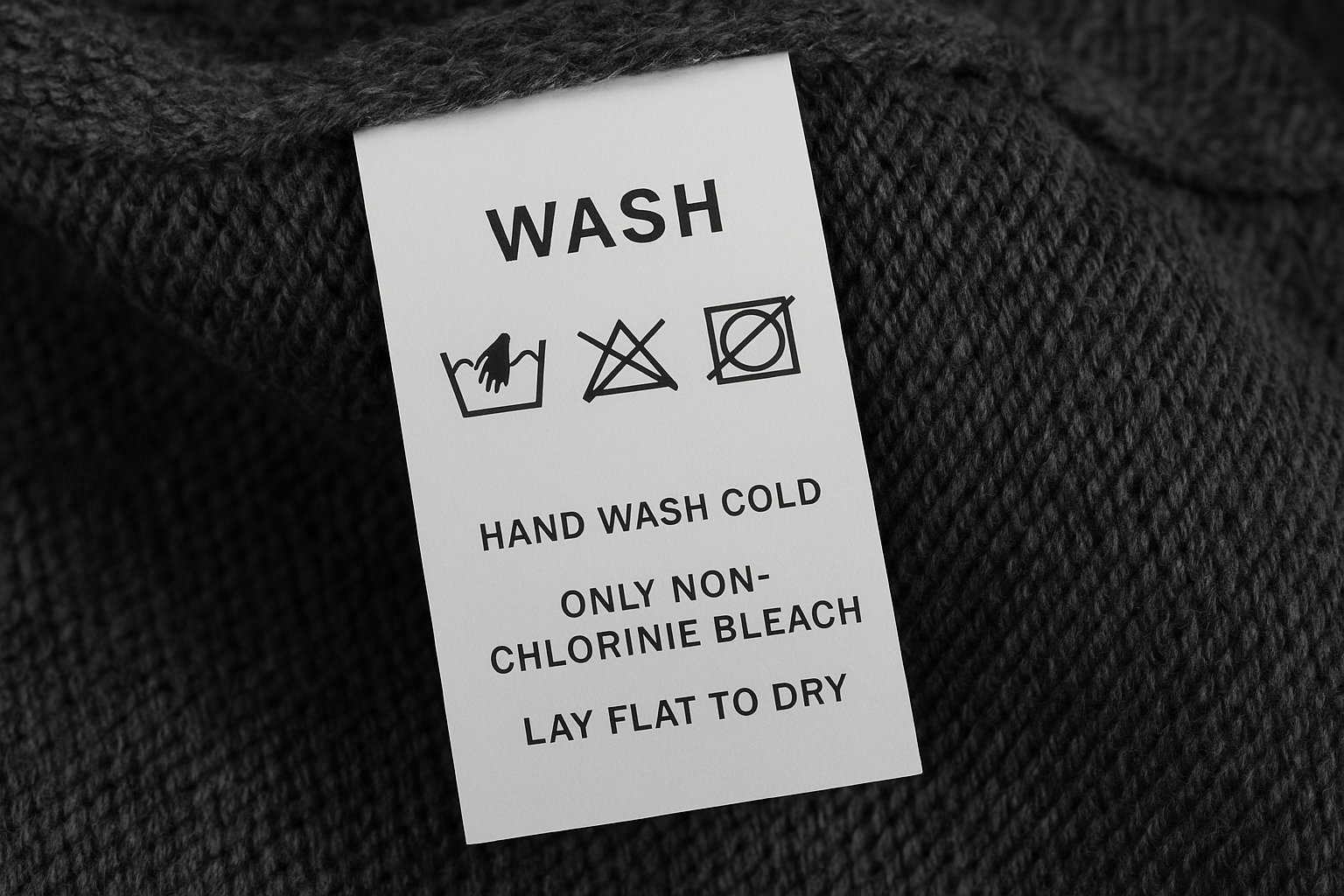
When customers google "How to get color bleed out of clothes?", it’s often too late. They are trying to solve a problem that should have been prevented in the factory. As a brand, you can't magically fix a sweater that was made with unstable dyes. However, you can and should take responsibility by providing crystal-clear care instructions. This educates your customers, manages their expectations, and reduces complaints. The core message a brand like yours should promote is that with quality materials, these "how to fix" questions become irrelevant.
You can turn this into an opportunity. Create content for your website and hangtags that addresses these common concerns head-on, while framing it around your commitment to quality.
Essential Care Instructions for Quality Knitwear:
- Wash Method: Hand wash in cold water with a gentle, pH-neutral detergent.
- Washing Action: Gently squeeze, do not wring or twist the garment.
- Drying: Lay the sweater flat on a clean towel, away from direct sunlight or heat. Never hang a wet sweater, as it will stretch.
- Stains: Address stains immediately with a spot treatment before they set.
By providing this information, you empower your customers and subtly reinforce that your products are built to last when cared for correctly.
How to fix discolored clothes?
You’ve just received sample reports, and a key colorway failed its color fastness test. Now you're worried about scrapping the yarn and facing a major production delay, blowing your budget and timeline.
From a manufacturer's standpoint, "fixing" discoloration happens before bulk production begins. It involves diagnosing the dyeing or finishing process in the lab and adjusting the technique, rather than trying to treat the finished garments. This ensures the problem is solved at its source.
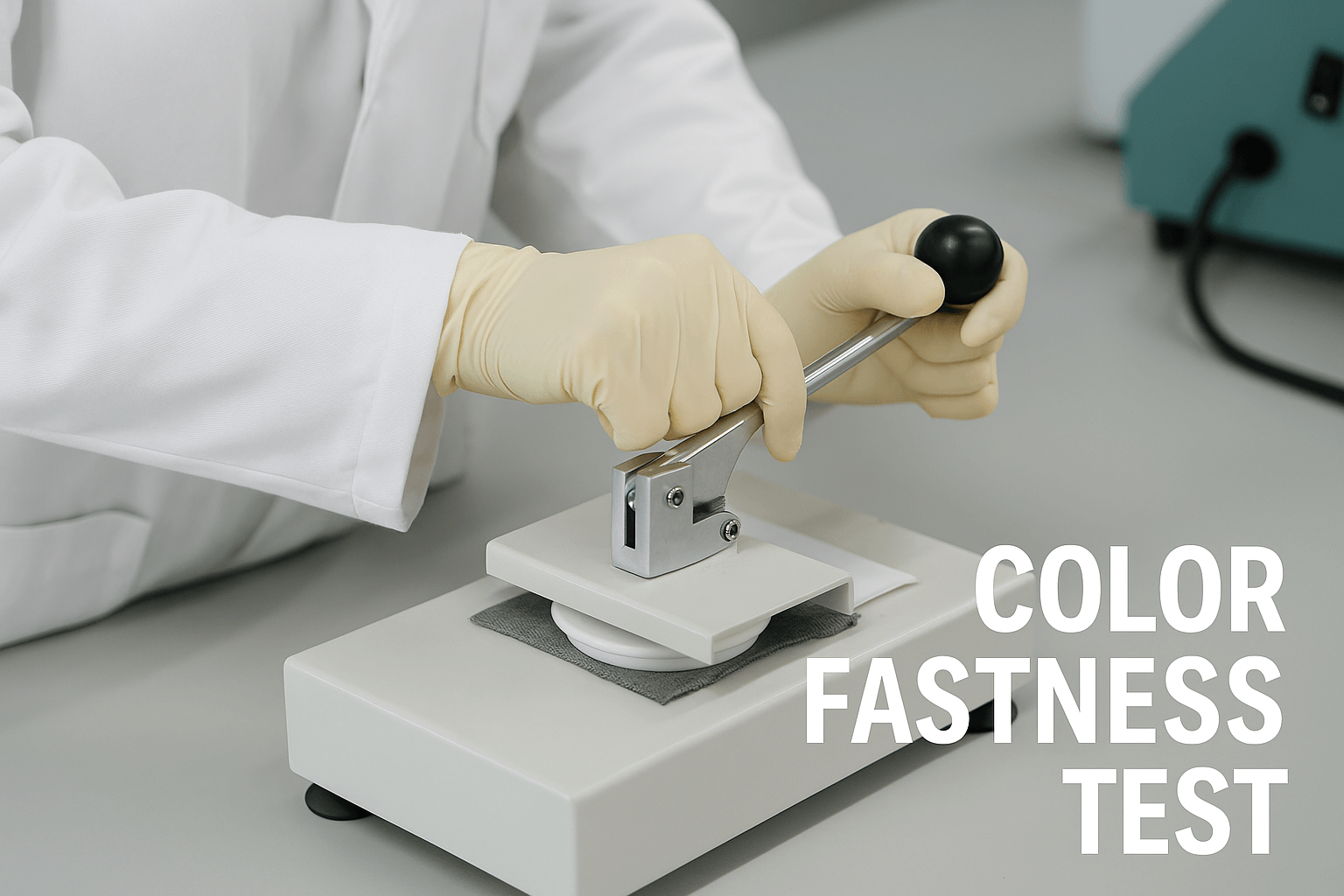
Receiving a failed test report can be stressful, but with the right partner, it’s a checkpoint, not a crisis. This is where our in-house lab becomes your biggest asset. When a sample doesn't meet the color fastness standards (tested to ISO and AATCC criteria), we don't just send you a "fail" notice. We immediately start investigating the "why." Instead of defaulting to the expensive solution of changing the yarn, we analyze the entire dyeing and finishing workflow.
Here’s how we troubleshoot a failed color fastness test:
| Problem Identified | Our Diagnostic Question | Potential Solution |
|---|---|---|
| Color Rubs Off (Crocking) | Was the dye concentration too high for the fiber? | Adjust the dye recipe and re-test. |
| Color Bleeds in Water | Was the post-dye rinsing insufficient? | Add extra rinse cycles to remove loose dye particles. |
| Color Fades Unevenly | Was the fixation agent applied incorrectly or was it ineffective? | Strengthen the fixation treatment or adjust its application. |
This proactive troubleshooting happens during the sampling phase. By fixing the process, we solve the problem for the entire bulk production run. This saves you the immense cost and time of starting over and helps build a reliable, repeatable quality control system for your brand.
Conclusion
Color-stable sweaters are not an accident. They are the direct result of a partnership that prioritizes technical excellence, from yarn sourcing and dyeing methods to rigorous, proactive lab testing.