Learning how to dry wool jumpers correctly is the key to preventing them from becoming misshapen and stretched. This common mistake can ruin your favorite knitwear, but you can easily avoid it.
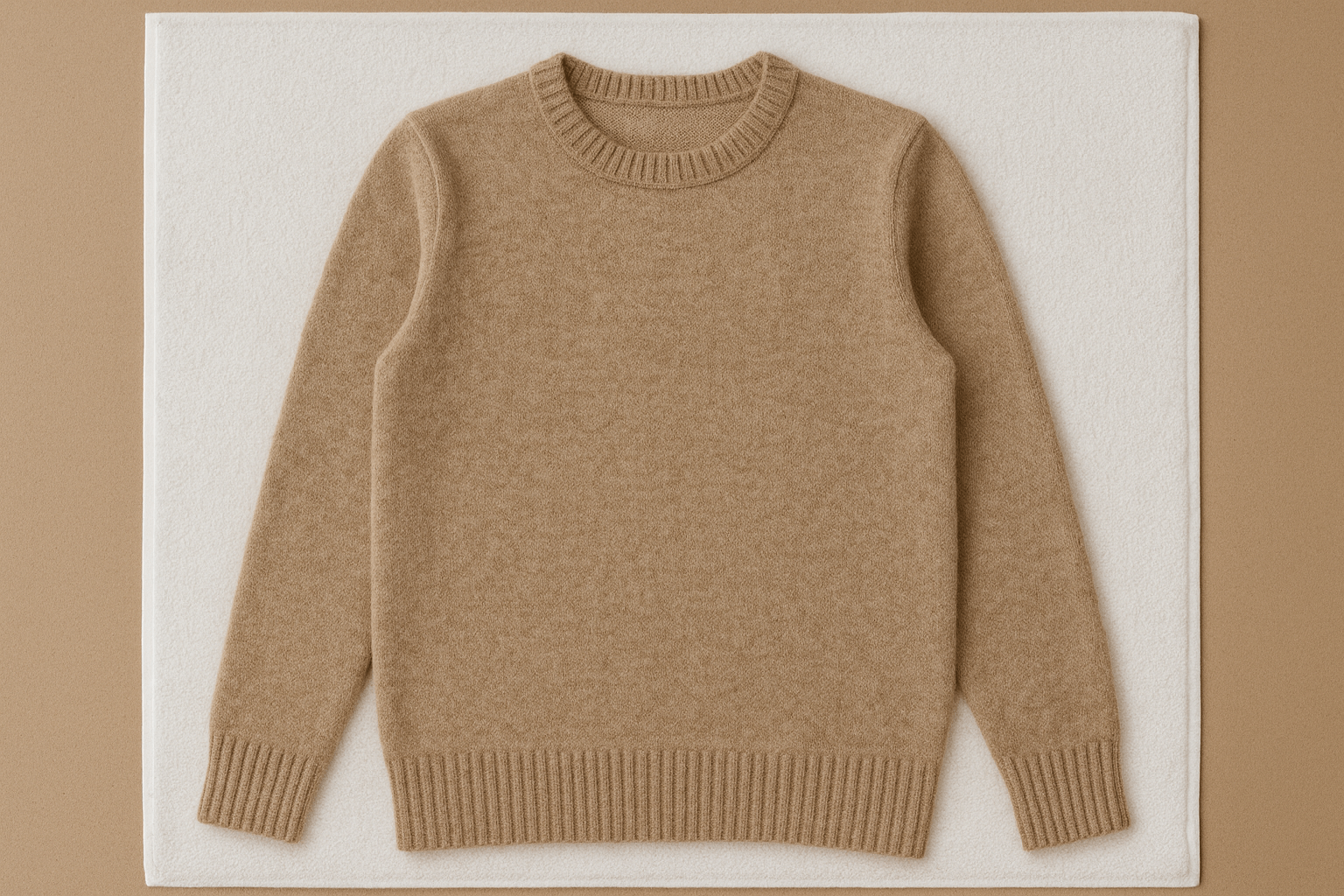
The safest way to dry a wool jumper is to first remove excess water by rolling it in a clean, dry towel. Then, lay the jumper flat on another dry towel or a mesh drying rack, away from direct sunlight or heat, and gently reshape it to its original form.
In my 13 years in the knitwear industry, I’ve seen more jumpers ruined by improper drying than by washing. When wool gets wet, its structure becomes soft and heavy, making it incredibly easy to damage. The way you dry your jumper is critical for keeping its shape, especially for fully-fashioned knits where every stitch is designed for a perfect fit. Getting this step right is the secret to making your quality knitwear last for years. Let’s dive into the details.
Can I dry a wool jumper on a radiator?
You're in a hurry and think the radiator is a quick fix for your wet jumper. This shortcut, however, is one of the fastest ways to cause permanent damage. Don't risk your expensive knitwear for a few hours of drying time.
No, you should never dry a wool jumper directly on a radiator. The intense, dry heat will damage the natural protein fibers, causing the scales on the wool to lock together. This leads to irreversible shrinkage and a stiff, felted texture that ruins the sweater's fit and feel.
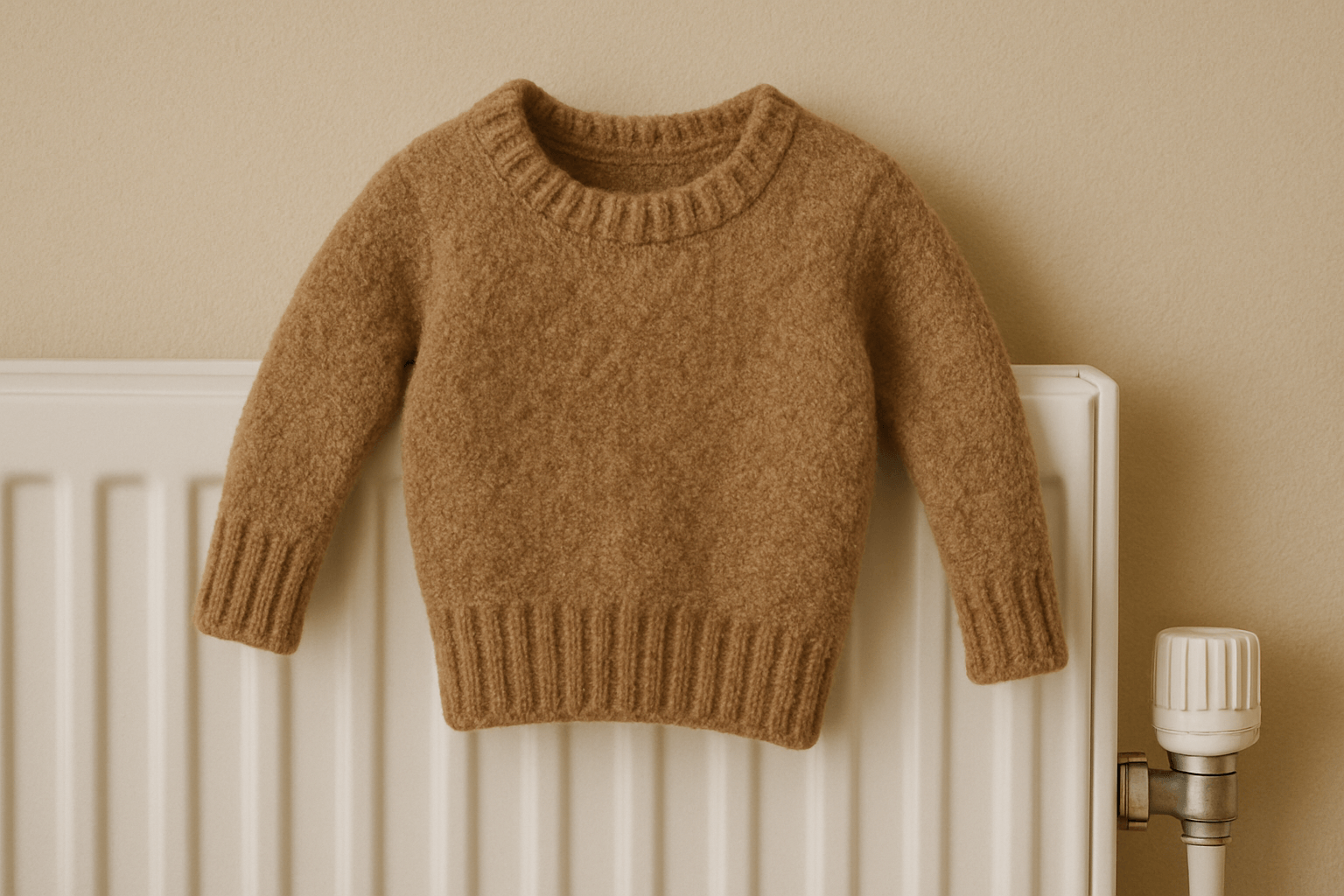
Let's break down exactly why heat is so bad for wool. Wool fibers have a microscopic, scale-like structure. When you apply direct, high heat from a source like a radiator, these scales fuse and lock together in a process called felting. The jumper doesn’t just get smaller; it becomes dense, hard, and loses its natural elasticity. This isn't something you can fix. I've seen brands deal with countless complaints from customers who made this simple mistake, and unfortunately, the damage is always permanent.
The same rule applies to other heat sources. Never use a tumble dryer unless the care label explicitly states the garment is "superwash" or "tumble dry safe," and even then, only on a low heat setting. Avoid direct sunlight, which not only risks shrinkage but can also make the fibers brittle and cause the color to fade. Think of it this way: if the heat source is too hot for your hand, it's definitely too hot for your wool.
| Drying Method | Risk Level | Potential Outcome |
|---|---|---|
| Lay Flat (Air Dry) | Low | Preserves shape, softness, and size |
| Radiator | High | Irreversible shrinkage, felting, stiffness |
| Tumble Dryer | High | Severe shrinkage and felting (unless superwash) |
| Direct Sunlight | Medium | Fading color, brittle fibers, potential shrinkage |
| Hanging to Dry | Medium | Stretching, distortion, misshapen shoulders |
Why do you lay sweaters flat to dry?
You followed the washing instructions perfectly, but after hanging your jumper on a line, you find it's two inches longer. Gravity is the hidden enemy of wet wool. Hanging knitwear is a mistake that can permanently distort its shape.
You lay sweaters flat because wool becomes extremely heavy when it absorbs water. Hanging a wet jumper allows gravity to pull this weight downwards, stretching the fibers and distorting the garment's shape. Laying it flat distributes the weight evenly, protecting the original fit and structure.

To understand this better, let's think about the physics. Wool is highly absorbent and can hold a lot of water. A wet jumper can be two or three times heavier than its dry weight. When you hang it, all that weight pulls down on the knit structure. The areas that take the most strain are the shoulders, neckline, and sleeves, leading to a long, saggy, and misshapen garment.
This is especially true for fully-fashioned sweaters, which we specialize in at HD Merino. These jumpers are knitted to shape, meaning the shoulders and seams are engineered for a precise fit. Hanging a wet a fully-fashioned jumper completely undermines that craftsmanship. The weight will pull the delicate shoulder seams and create unwanted length in the body and sleeves. I remember working with a menswear brand that faced a high rate of returns for "stretched out" sweaters. After we investigated, we found the issue wasn't the quality, but that customers were hanging them to dry. We helped them create a better care guide, and the return rate dropped significantly. Flat drying is not just a suggestion; it's the only way to guarantee your jumper keeps the shape the designer intended.
How to get wool to lay flat?
You've laid your jumper down, but the edges are curling and it doesn’t look quite right. Getting your wool jumper to lay perfectly flat is an art, but it's an easy one to master. It just requires a gentle touch and attention to detail.
After removing excess water, place the jumper on a dry, flat surface. Start at the shoulders and gently pat and push the garment into its original shape. Smooth out the body, align the side seams, and straighten the sleeves, hem, and cuffs until everything is symmetrical and flat.

Here is the step-by-step process I personally use and recommend to all our brand partners.
First, after washing, never wring out a wool jumper. Twisting and squeezing will stretch and break the delicate fibers. Instead, lay it on a thick, clean towel. Roll the towel and the jumper together like a sleeping bag, and gently press down to absorb the excess water. Unroll it, and you'll find the jumper is damp, not soaking wet.
Next, get a fresh, dry towel or a flat mesh drying rack. Lay the jumper on top. Start by aligning the shoulder seams and flattening the neckline. Then, gently slide your hands down the sides to align the seams and flatten the body. Smooth out the sleeves, ensuring they are straight and not twisted. Finally, pat the ribbing at the cuffs and hem into place. If you notice the edges are curling, which is common with jersey knits, you can use the edge of the towel to gently hold them down.
Different knits and fibers behave differently, so it's useful to know what you're working with.
| Knit Type | Drying Behavior | Pro Tip |
|---|---|---|
| Jersey Knit | Tends to curl at the edges. | Pay extra attention to patting the hem and cuffs flat. |
| Rib Knit | More stable and holds its shape well. | Easy to reshape, just ensure the ribs are straight. |
| Open Knit/Lace | Very delicate and prone to snagging. | Be extra gentle when handling and reshaping. |
The type of wool also matters. Fine fibers like Merino and Cashmere are very soft and must be handled with care to avoid any pulling. At HD Merino, we run tests on all our yarns for shrinkage and stability. This allows us to give our brand partners precise care instructions for their labels, helping them reduce customer issues and build confidence in their products.
Conclusion
Properly drying your wool jumper is simple. Just remember to press out water with a towel, reshape the garment gently, and always lay it flat away from heat. This small effort ensures your beloved knitwear will maintain its shape and quality for years.