You love your favorite wool sweater, but the "Dry Clean Only" tag feels like a costly trap. You're afraid to wash it at home, picturing it shrinking to a doll's size.
The good news is you can safely wash most wool sweaters at home. Using a pH-neutral wool detergent, cool water, and a gentle hand or machine cycle will clean your sweater without damage. The secret is avoiding friction and high heat, then always laying it flat to dry.
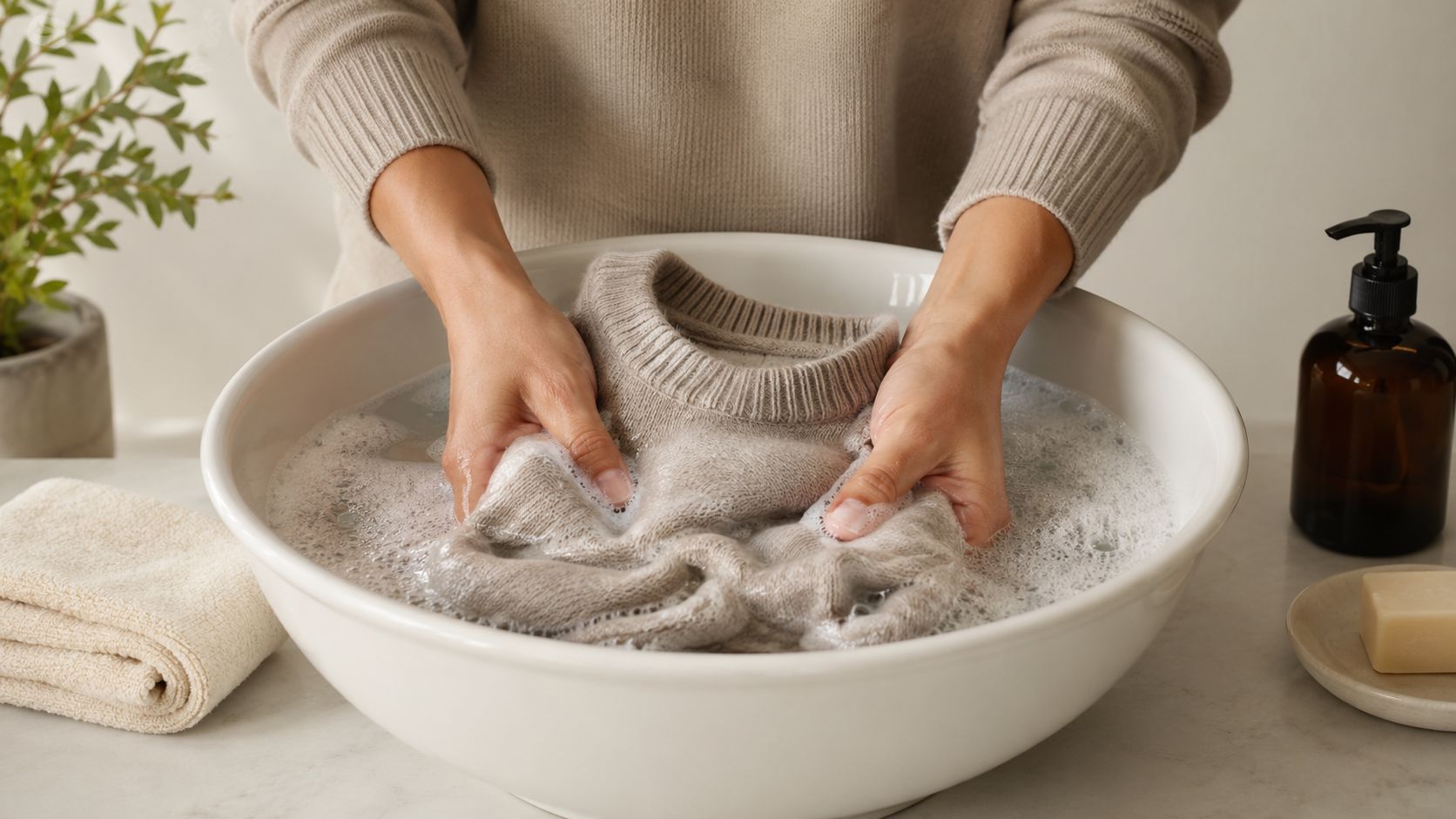
As a knitwear manufacturer, I've seen thousands of sweaters go through testing. The fear around washing wool is understandable, but often unnecessary. The truth is, how a sweater is made determines how it should be cared for. Let me share what we've learned so you can care for your knitwear with confidence.
Does Wool Really Have to Be Dry Cleaned?
That "Dry Clean Only" tag makes you hesitate, costing you time and money you'd rather save. You wonder if it's a strict rule or just an overly cautious suggestion from the brand.
No, not all wool needs to be dry-cleaned. Many modern wools, especially Superwash and fine Merino, are designed for home washing. The tag is often a precaution for delicate knits, but the wool type and construction are what truly matter.
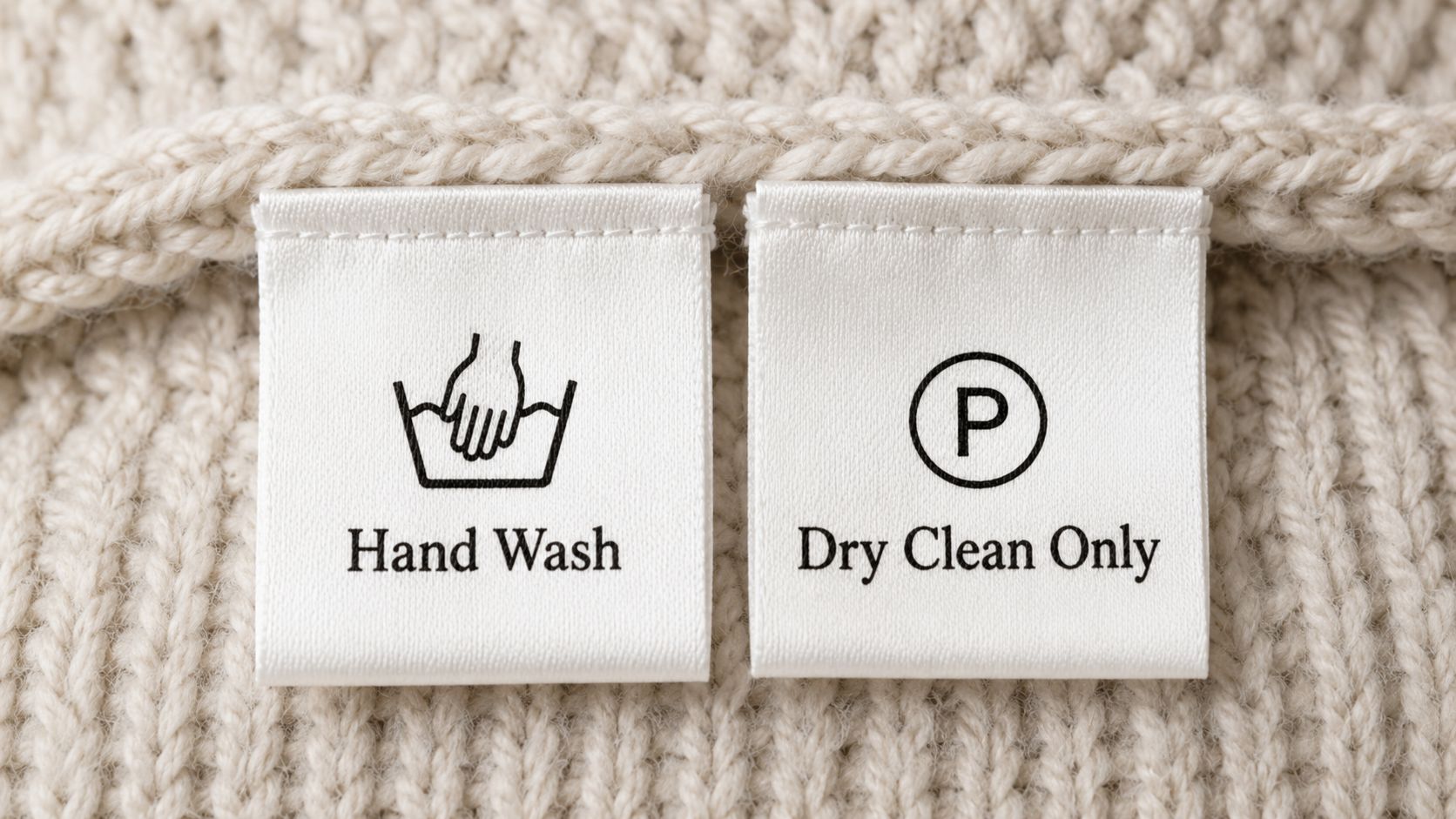
When we design a sweater, we make specific choices that influence its durability and care requirements. From the yarn we select to the way the sweater is knitted, every step plays a role. A brand might use a "Dry Clean Only" label to minimize risk on their end, especially for very fine or loosely knit garments. But as an informed consumer, you can make a better judgment call once you understand the materials.
Here’s a breakdown from a manufacturer's perspective:
| Garment Type | Why It Might Say "Dry Clean" | The Reality for Home Care |
|---|---|---|
| Fine Cashmere or Vicuña | These are extremely delicate fibers. Dry cleaning uses solvents, avoiding the water and friction that can cause felting and distortion. | High risk. Best left to professionals unless you are very experienced with hand washing fine delicates. |
| Structured Wool Blazers | The garment has internal structuring, padding, and lining. Water can cause these different materials to shrink at different rates, ruining the shape. | Do not wash at home. The structure is the key reason for dry cleaning, not the wool itself. |
| Standard Merino/Lambswool | Often a "better safe than sorry" approach by brands to prevent customer complaints from washing mistakes. | Low risk. These are often perfectly safe for a gentle hand wash or a dedicated wool cycle on your machine. |
| Superwash or Easy-Care Wool | The wool has been treated to prevent the fiber scales from locking together, which is the cause of shrinking. | Very low risk. These are specifically engineered to be machine washable. Follow the label with confidence. |
How to Wash a Wool Sweater Without Damaging It
You're ready to wash your sweater, but the process feels full of risk. You know one wrong move—too much rubbing, the wrong soap, or improper drying—could ruin your favorite piece forever.
The process is simple and safe if you follow a few key steps. Use a wool-specific detergent, cool water, and be gentle. Never wring or hang your sweater. Instead, press out water with a towel and lay it flat to dry.
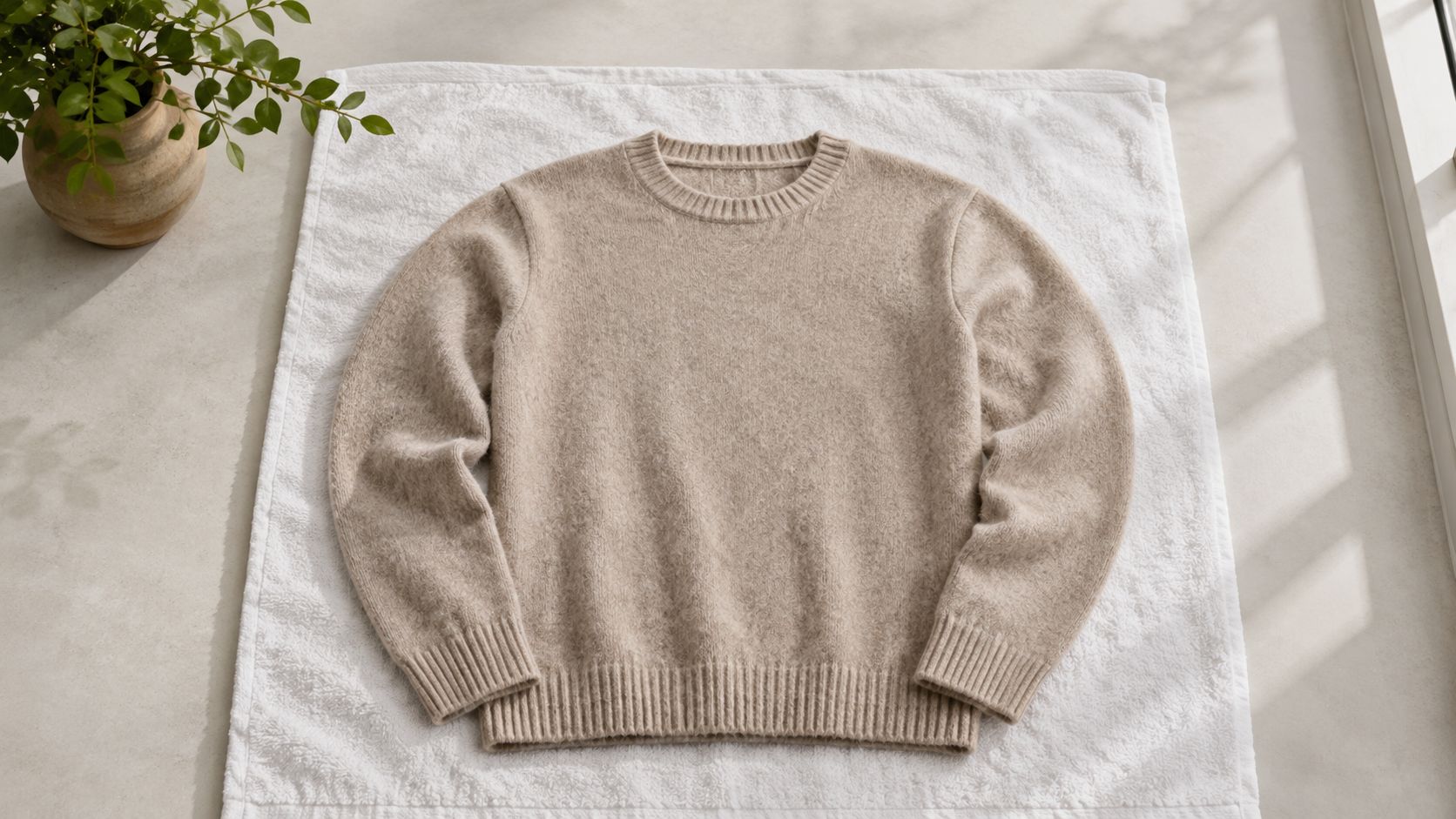
As manufacturers, we put sweaters through rigorous wash tests. This is the exact method we use in our labs to ensure our fully-fashioned knitwear maintains its shape and softness. It protects the investment you made in a quality garment.
Method 1: Hand Washing (The Safest Way)
- Fill a Basin: Use a clean sink or basin and fill it with cool water (under 30°C / 86°F).
- Add Detergent: Add a small amount of a pH-neutral, wool-specific detergent. Avoid regular laundry detergents, which are too harsh.
- Submerge and Soak: Turn the sweater inside out, submerge it, and gently squeeze the water through it. Let it soak for 10-15 minutes.
- Rinse: Drain the soapy water and refill with cool, clean water. Press the water through the sweater to rinse. Repeat until no suds remain.
- Remove Excess Water: Gently squeeze out the water—do not wring or twist. Lay the sweater on a clean, dry towel, roll it up like a sleeping bag, and press firmly to absorb more water.
Method 2: Machine Washing (For Approved Garments)
- Check the Label: Only machine wash if the care label allows it or if you know it's Superwash wool.
- Use a Bag: Place the sweater inside out in a mesh laundry bag to protect it from snagging.
- Select the Right Cycle: Use the "Wool," "Delicate," or "Hand Wash" cycle on your machine. Ensure the water temperature is set to cold and the spin cycle is on the lowest possible setting.
- Use Wool Detergent: Add the correct amount of wool-safe detergent.
- Dry Immediately: Remove the sweater as soon as the cycle finishes to prevent wrinkles and lay it flat to dry as described above.
What Happens If You Wash Wool Clothing in a Normal Wash?
You're in a hurry, and the thought of just tossing your wool sweater in with the regular laundry is tempting. You wonder, "how bad can it really be?" and hope for the best.
A normal wash will almost certainly ruin your wool sweater by causing it to shrink and felt. The combination of hot water, harsh detergent, and high-speed agitation forces the wool fibers' scales to open up and lock together permanently, creating a dense, shrunken fabric.
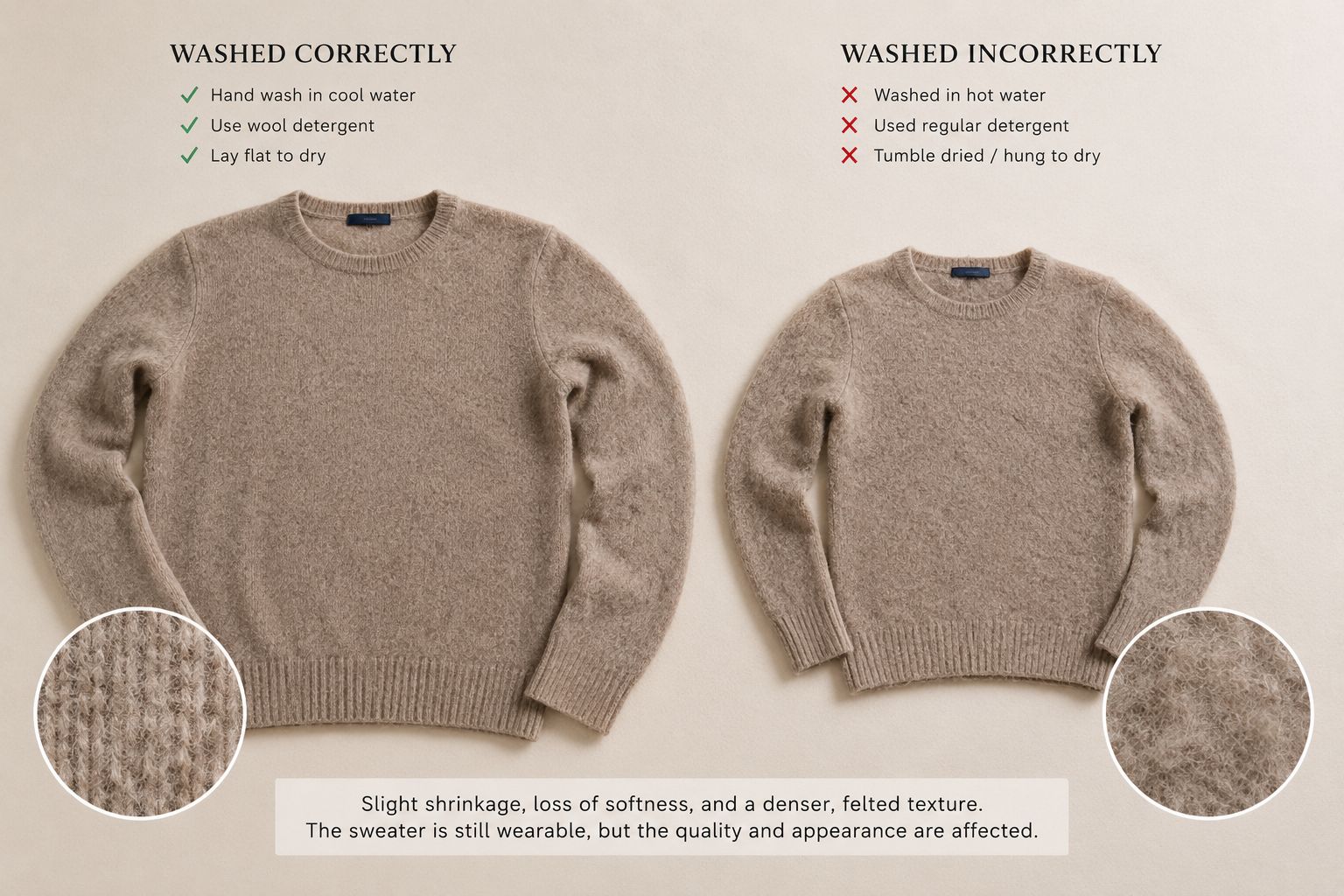
It’s not the water that shrinks wool; it’s a trio of culprits working together. The science behind it is fascinating. Wool fibers have microscopic scales, like tiles on a roof. In a normal wash, this is what happens:
| Action in a Normal Wash | What It Does to Wool Fibers | The Result for Your Sweater |
|---|---|---|
| High Heat (Hot Water) | Causes the tiny scales on each wool fiber to open up, like a pinecone in the sun. | The fibers become "grabby" and ready to interlock. |
| Strong Agitation (Spin Cycle) | Violently rubs the fibers against each other. The open scales snag and begin to lock together irreversibly. | This is the process of "felting." The fabric tightens and becomes dense. |
| Harsh Detergent (Enzymes) | Strips the natural lanolin from the wool and can damage the protein structure of the fibers, making them brittle. | The sweater loses its softness, and the fibers are weakened. |
The end result is a garment that is several sizes smaller, stiff, and no longer soft or drapey. This damage, known as felting, is permanent. Even our most stable, fully-fashioned sweaters can't withstand that kind of treatment. Proper care is essential to preserving the natural beauty and performance of wool.
Conclusion
Washing a wool sweater at home isn't scary when you know the rules. With gentle handling and the right products, you can keep your knitwear fresh, soft, and perfectly shaped.