I have worked with knitwear brands for many years, and I often hear one question from product teams: what are the real environmental benefits of sustainable knitwear? I understand why this question matters. Many brands want to show care for the planet. They also need products that can sell, scale, and stay profitable. This balance is not easy.
I do not see sustainable knitwear as only an “eco yarn” idea. I see it as a full product life cycle. It starts with fiber sourcing. It continues through yarn spinning, knitting, washing, finishing, packaging, shipment, product use, care habits, and end-of-life handling. If I only look at one material label, I may miss the bigger picture. A sweater can use a responsible fiber but still create waste if it is poorly made, quickly returned, or replaced after only a few wears.
I usually explain this topic with a simple AIDA path. I first get attention by showing how much waste a poorly planned sweater can create. I build interest by comparing material choices, knit structures, and production methods. I create desire by showing how durable knitwear can protect both the environment and brand trust. I guide action by helping brands make better development choices before bulk production starts.
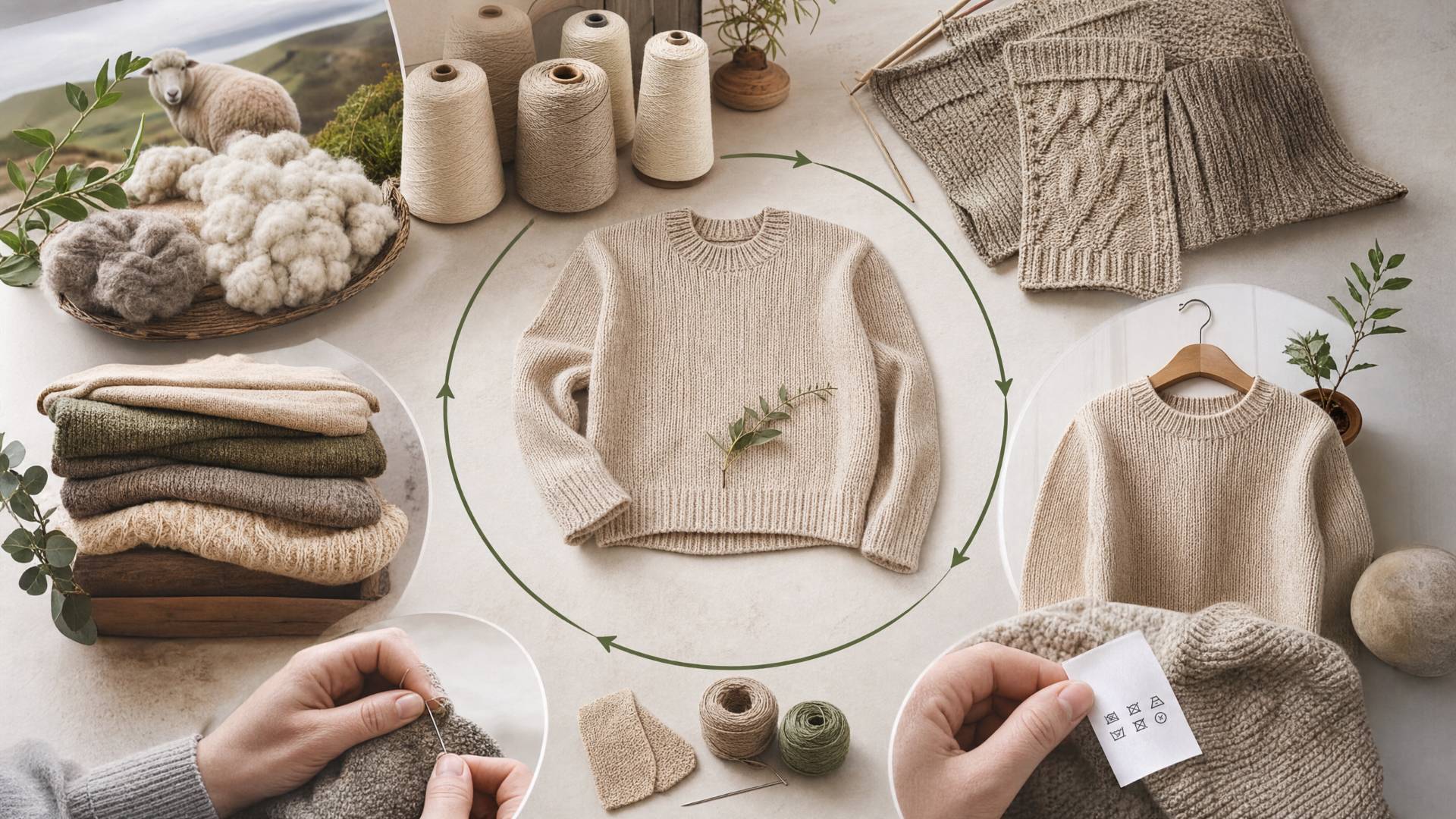
Sustainable knitwear is not one single decision. It is a group of decisions. I look at where the yarn comes from. I look at how much waste the knitting process creates. I look at how long the sweater can be worn. I also look at how often the customer needs to wash it. A product that lasts longer and needs less care can often reduce waste in a more practical way than a product that only has one green label.
This is where the PAS problem begins. The problem is that many brands simplify sustainable fashion into one selling point. They may say “organic,” “recycled,” or “certified,” and stop there. The pain is that customers are becoming more careful. They can feel when a claim is too shallow. A weak sustainability message can look like greenwashing. The solution is to build sustainability into the whole product, not only into the marketing copy.
| Area I Review | Why It Matters for Sustainability | What I Check in Development |
|---|---|---|
| Fiber Source | The raw material affects farming, animal welfare, waste, and resource use. | I check yarn type, origin, certification, and traceability. |
| Production Method | The knitting method affects waste and energy use. | I check fully-fashioned options, yarn efficiency, and sample waste. |
| Product Durability | Longer wear can reduce replacement demand. | I check pilling, shrinkage, seam strength, and shape recovery. |
| Care Needs | Lower washing frequency can reduce water and energy use during use. | I check care labels, wash testing, and consumer guidance. |
| End-of-Life Thinking | Better material choices can support repair, reuse, or recycling. | I check blends, trims, and repair options. |
How does sustainable clothing benefit the environment?
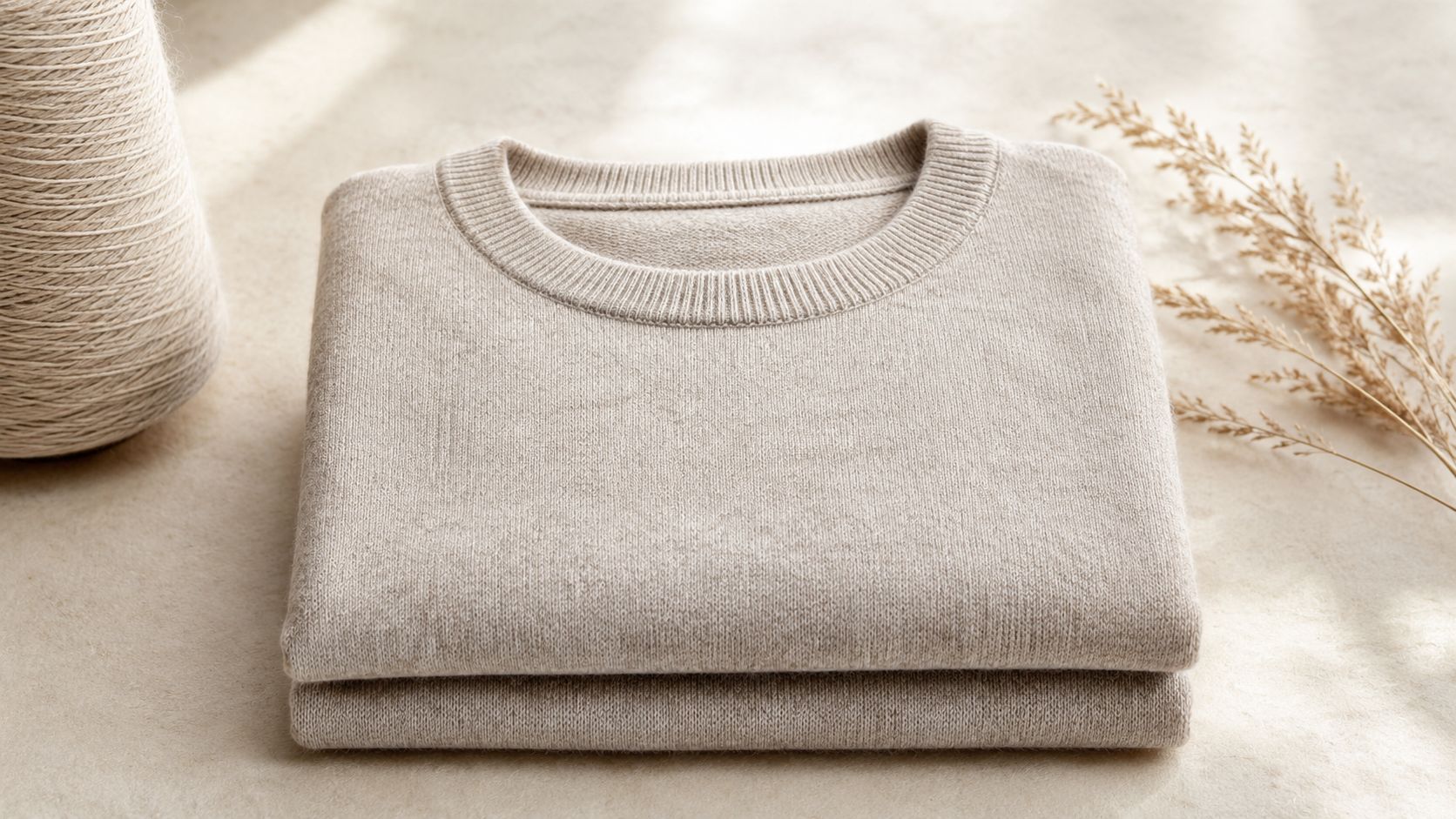
Sustainable clothing can benefit the environment when it reduces waste, lasts longer, and lowers the need for constant replacement. I see this clearly in knitwear. A high-quality sweater that keeps its shape after many wears can reduce the need for frequent buying. A cheap sweater that pills, shrinks, or twists after a few wears may create more waste, even if it looked affordable at first.
For me, one of the most important ideas in sustainable fashion is durability. A sweater should not only look good in the first photo. It should keep its value after real wear. This means the yarn must fit the product. The stitch must be stable. The seams must be clean. The washing and finishing must support long-term use. If a brand wants a truly responsible product, I believe it must care about life span, not only about material claims.
Dive Deeper: I often tell brands that slow fashion starts in the development room, not only in the marketing department. If I design a sweater with poor structure, the customer may stop wearing it quickly. The product may then become waste. If I design a sweater with stronger yarn, balanced tension, better linking, and clear care instructions, the customer may wear it for years. This longer use can lower the environmental pressure connected with repeated production, shipping, packaging, and disposal. I also think about emotional durability. A sweater with a timeless shape, stable fit, and refined texture is less likely to be treated as a short-season item. Many menswear brands already understand this because classic knitwear can stay relevant for many seasons. When a product lasts, the customer buys less often. The brand may also receive fewer complaints and returns. This is why I see durability as both an environmental benefit and a business benefit. It reduces waste, protects margins, and builds trust at the same time.
I also connect this to washing habits. Some fibers, such as merino wool, can often be worn several times before washing when the garment is used correctly. This can help reduce water and energy use during the customer phase. Still, I never make this claim without explaining care. The customer needs to know how to air, fold, wash, and dry the sweater. Sustainability fails if the product is used in the wrong way.
What are the environmental benefits of sustainable fabric?
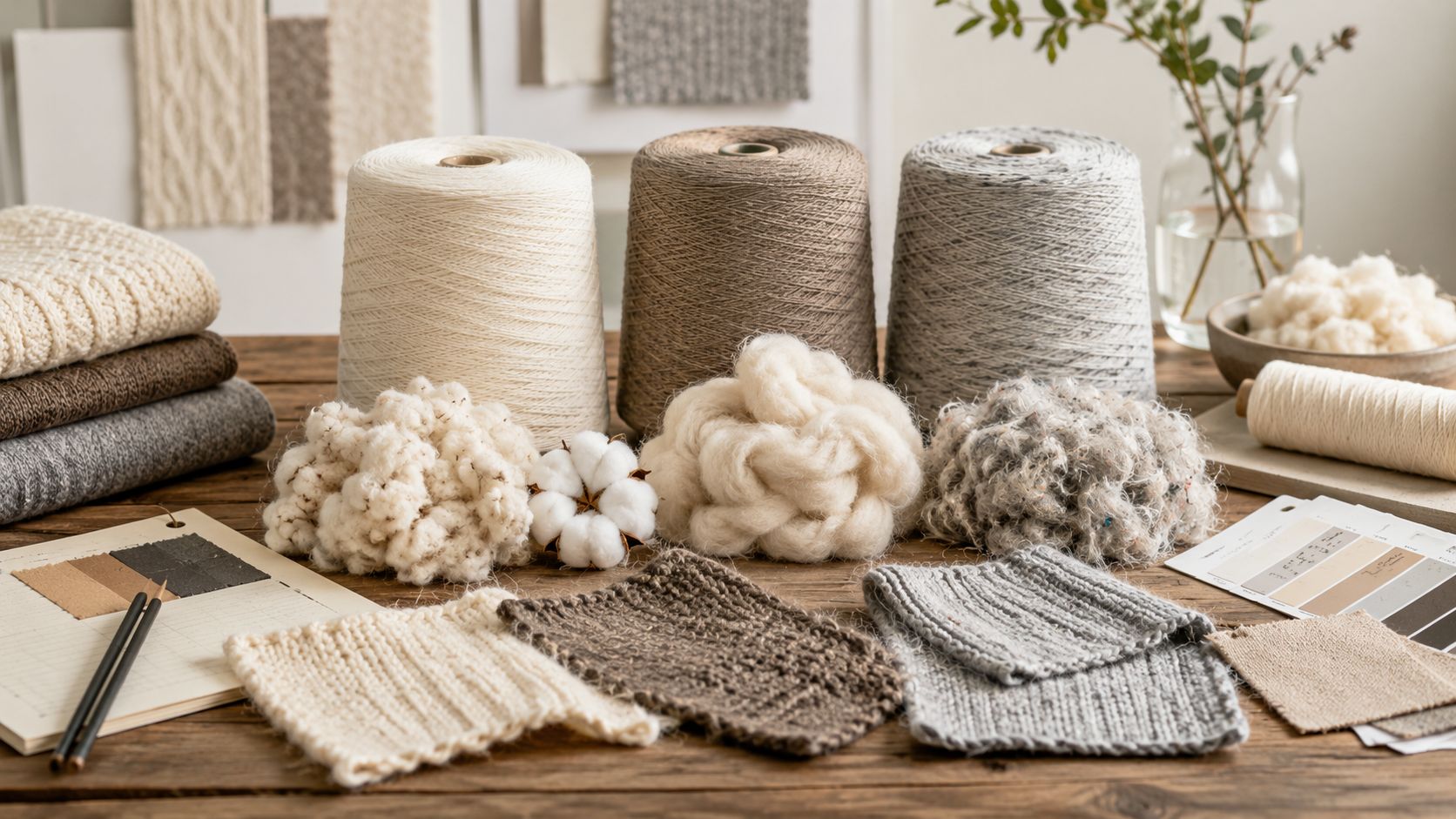
Sustainable fabric can support the environment in different ways. I do not believe there is one perfect fiber for every sweater. Organic cotton, merino wool, and recycled fibers all have different paths. Organic cotton is often linked with lower pesticide use and better soil management. Merino wool is valued for renewability, durability, comfort, and lower washing needs. Recycled fibers focus on reducing waste and keeping materials in use for longer.
The key is to choose the fabric based on the product job. If I make a light spring sweater, organic cotton or an organic cotton blend may work well. If I make a premium winter sweater, merino wool may offer better warmth, recovery, and long wear. If I make a high-frequency product, a recycled blend may help balance performance and waste reduction. The best choice depends on the garment, the customer, and the brand promise.
Dive Deeper: I try to avoid saying that one sustainable fabric is always the most eco-friendly. This can mislead both brands and consumers. A fiber must be judged inside a full system. Organic cotton may reduce some farming impacts, but it still needs water, spinning, dyeing, knitting, and shipping. Merino wool is renewable and durable, but it needs responsible animal welfare standards and good land management. Recycled fibers can reduce waste, but some blends may be harder to recycle again at the end of life. This is why I ask brands to look at the full life cycle. How often will the sweater be worn? How often will it be washed? Will it pill quickly? Can it be repaired? Can the customer understand the care label? Can the supply chain explain the material source honestly? These questions are more useful than a single label. A responsible material choice should support real product performance. It should not only decorate the hangtag.
This is also why certifications matter, but they are not the whole answer. GOTS, RWS, OCS, and other systems can help brands show better control. They can support supply chain trust. Yet certification alone does not make a weak product sustainable. If the sweater is not durable, if the fit is unstable, or if the customer returns it, the environmental benefit becomes weaker. I think certification should support good design, not replace it.
What are the benefits of sustainable materials?
Sustainable materials can help brands reduce environmental pressure and build stronger trust with customers. They can also help product teams create clearer stories around quality, responsibility, and long-term value. Yet I do not see sustainable materials as a shortcut. A responsible fiber still needs responsible design. If the structure is weak, the product may fail early. If the message is unclear, the customer may not understand why the product matters.
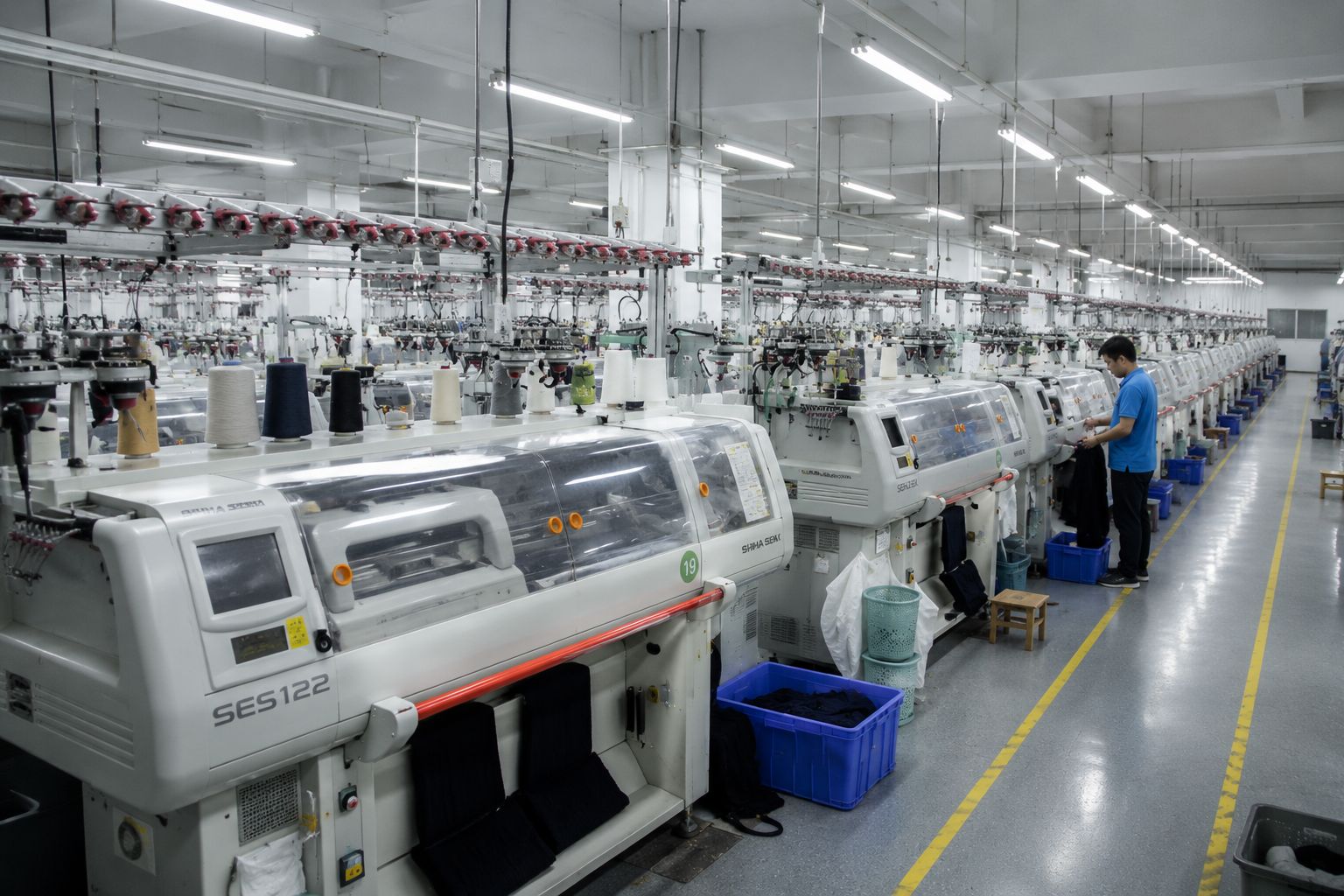
For knitwear, one major advantage comes from the way the garment is made. Fully-fashioned knitwear can reduce waste compared with many cut-and-sew methods. In fully-fashioned production, panels are knitted closer to their final shape. This can reduce cutting waste and improve shape control. It can also support better fit and longer product life when the yarn, tension, and finishing are well managed.
Dive Deeper: I believe many brands underestimate the environmental value of structure. They focus on fiber first, which is understandable, but the knitting method can be just as important. A cut-and-sew sweater may create extra waste when fabric panels are cut from larger knitted fabric. A fully-fashioned sweater is shaped during knitting, so there can be less waste from cutting. This is one reason I often recommend fully-fashioned development for premium sustainable knitwear. It also gives me better control over armholes, shoulders, sleeve shaping, and garment balance. Better shape can improve wearability. Better wearability can extend product life. I also check yarn twist, stitch density, wash shrinkage, and pilling performance. If a sweater loses shape after a few wears, the sustainability story becomes weak. If it keeps its form and texture, the story becomes real. This is why I do not separate sustainability from quality control. I see yarn use, structure, durability, wash performance, and customer satisfaction as one connected system.
Sustainable materials also create business benefits when they are used honestly. They can help a brand speak to consumers who care about supply chain transparency. They can also help buyers make better sourcing decisions. Yet I always warn brands against greenwashing. If a brand makes a strong claim, it should have clear proof. If the proof is limited, the message should be modest and accurate.
In brand development, the biggest challenge is not only choosing an eco-friendly label. The real challenge is balancing cost, scale, quality, and long-term value. A brand may want organic cotton, merino wool, recycled nylon, RWS wool, or OCS-certified yarn. Each option has a cost and a production reality. I help the brand compare these choices through product use, target price, lead time, durability, and care needs.
I also look at return reduction as part of sustainability. A returned sweater creates extra transport, handling, packaging, and sometimes waste. If I can improve fit, measurement control, color consistency, and care guidance, I can help reduce returns. This may not sound as exciting as a new eco material, but it is very practical. Less return waste is still environmental progress.
Consumer education is another part of the work. A customer may buy a sustainable sweater but wash it too often, hang it wet, or treat pilling as a defect. The product then loses its value faster. I believe brands should explain care on product pages, labels, social media, and after-sales emails. The message should be simple. Buy better. Wear longer. Wash with care. Repair when possible. This kind of education can make the sustainability promise stronger.
This is the PAS issue I see in many markets. The problem is that sustainable knitwear is often reduced to a material claim. The pain is that weak products and unclear claims can damage trust. The solution is to connect material, structure, testing, transparency, and customer education. When these parts work together, sustainability becomes a real product advantage, not just a marketing word.
Conclusion
I see sustainable knitwear as a full development strategy. It is not only about organic cotton, merino wool, recycled fibers, or one certification. It is about how the sweater is sourced, knitted, tested, worn, cared for, repaired, and kept in use. The real environmental benefits of sustainable knitwear come from lower waste, longer product life, better material choices, clearer supply chains, and more responsible customer use.
For brands, the best direction is practical. I would reduce production waste. I would use fully-fashioned construction when it supports the design. I would choose materials based on product purpose. I would improve durability. I would test shrinkage, pilling, and fit before bulk production. I would explain care in simple words. I would avoid claims that sound bigger than the proof behind them.
If I had to sum up my manufacturer’s view, I would say this. Sustainable knitwear is not a label. It is a system. A brand creates real environmental value when it makes a sweater that uses resources carefully, lasts longer, fits better, wastes less, and earns customer trust over time.