Choosing between organic and regular cotton is tough. The wrong call can unexpectedly raise costs and production risks. Let’s clarify the real difference from a manufacturer’s point of view.
The main difference between organic cotton and cotton lies in the farming and supply chain, not the fiber itself. Organic cotton is grown without synthetic pesticides or GMO seeds, focusing on sustainability. Regular cotton uses conventional, industrial methods for consistency and scale. This difference primarily affects sourcing, cost, and brand storytelling.

I've seen many product managers, just like Oliver, grapple with this choice. The "organic" label sounds great on paper, but in the world of knitwear production, it brings a unique set of questions. Is it actually better for the final garment? Does it feel different to the customer? And what are the hidden risks for a commercial menswear collection? Understanding these practical points is far more important than just following a trend. Let’s break down the common questions I hear all the time.
Is cotton better than organic cotton?
Feeling stuck on which cotton is truly "better"? Choosing the wrong one can mean a less stable product. Let's look at it from a production standpoint to see which is right.
From a manufacturing perspective, regular cotton often provides better consistency and stability for large-scale production. For a product developer, "better" means reliable. Regular cotton's industrialized supply chain ensures predictable yarn quality, consistent dyeing results, and stable shrinkage rates batch after batch, which is crucial for commercial menswear.
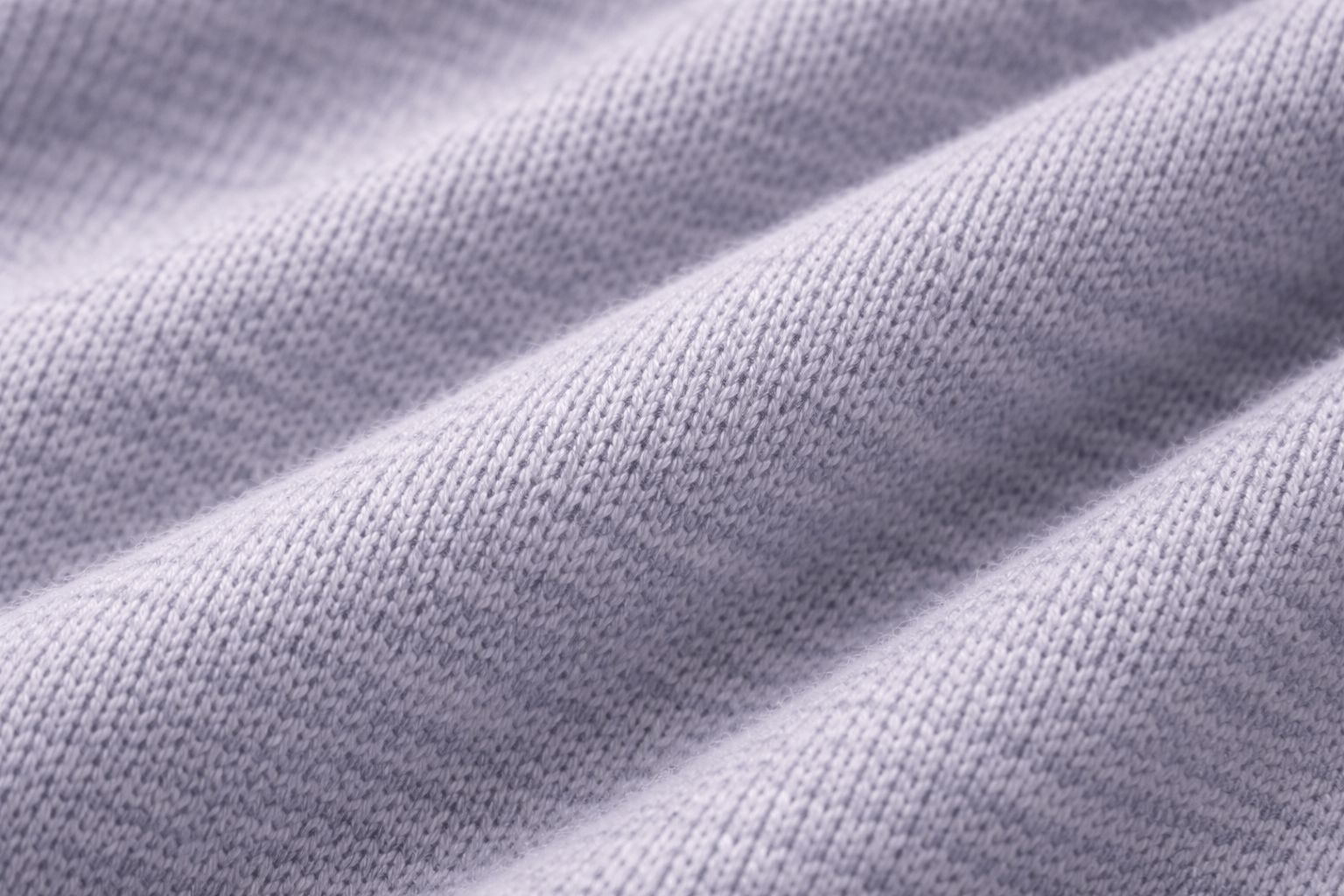
When Oliver is developing a core knitwear program, his primary concern is consistency. He needs to know that the sweater produced in May will be identical to the one produced in September. In my 13 years of experience, this is where high-quality regular cotton shows its strength. Its fibers are generally more uniform, which makes it easier to manage for complex, fully-fashioned knitting. Organic cotton, with its more varied sources, can present challenges. We might see slight differences in fiber maturity between batches, which can affect how the yarn takes dye or reacts during washing. So, for core commercial collections where stability is key, a premium regular cotton is often the more practical, "better" choice. It’s not about which fiber is superior in a vacuum, but which is better suited for the product's specific goals.
Is pure cotton the same as organic cotton?
The terms "pure cotton" and "organic cotton" are often used interchangeably, causing confusion. This misunderstanding can lead to mismatched expectations for your final product. Let's clear this up.
No, "pure cotton" is not the same as "organic cotton." "Pure cotton" simply means the product is made from 100% cotton fiber, with no synthetic blends. "Organic cotton" refers specifically to how that cotton was grown, requiring certification to prove it met strict agricultural standards.
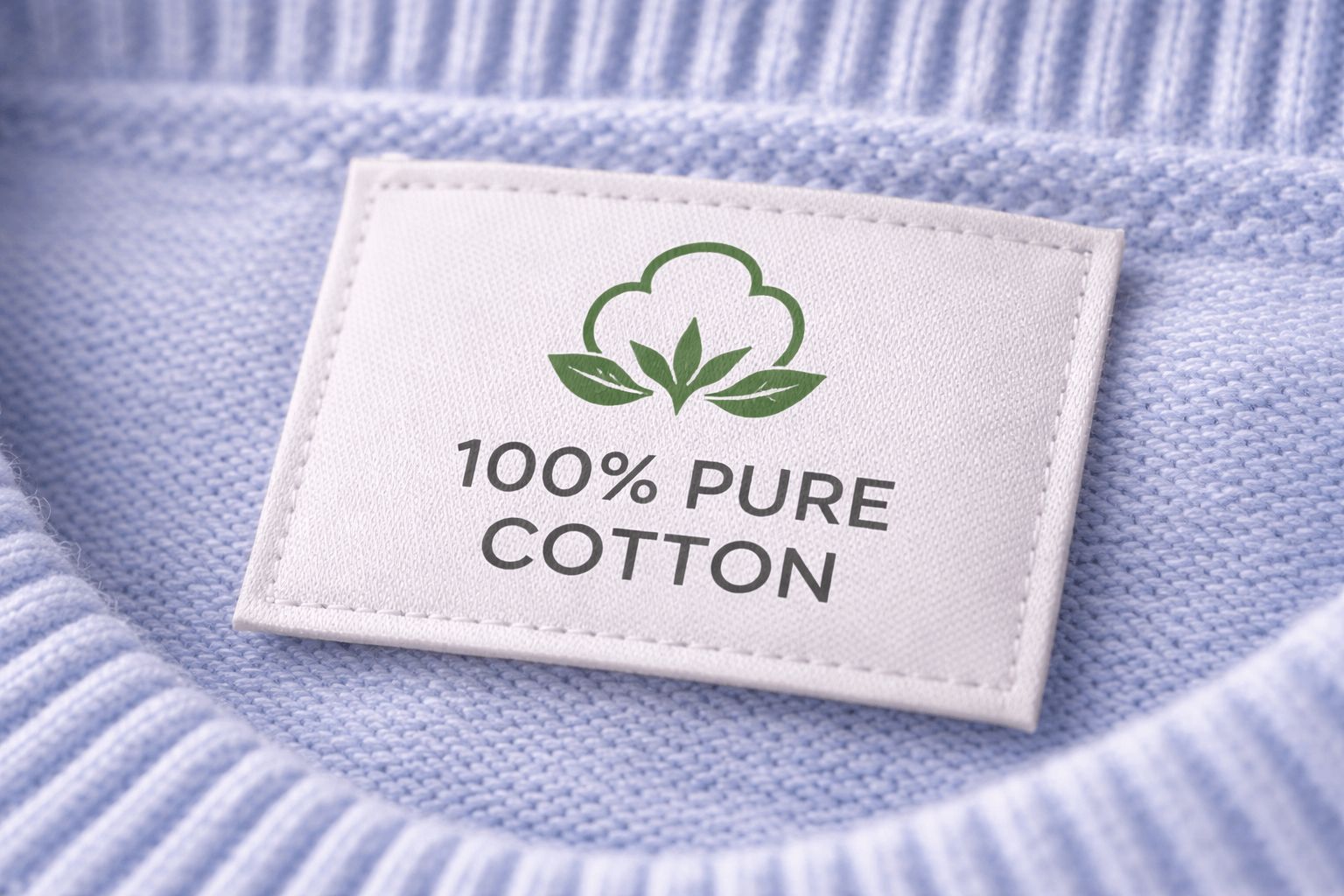
I had a client once who insisted on organic cotton for a new collection, believing it would automatically lead to a softer, more luxurious feel than their current "pure cotton" line. This is a common misconception. The truth is, a high-grade Pima or Egyptian cotton (which are "pure" but not necessarily organic) can feel far superior to a lower-grade organic cotton.
The decision to use organic cotton should be driven by brand values and marketing stories, not by a search for better physical performance. For Oliver, the key questions are:
- Does our brand need to communicate a sustainability message for this collection?
- Is our target customer willing to pay a premium for that message?
If the answer to both is yes, then organic makes sense. If the goal is purely about achieving the best hand-feel and performance within a budget, then focusing on a high-quality "pure cotton" is a much more direct and rational path.
What are the disadvantages of organic cotton?
Thinking organic cotton is a simple upgrade? It often comes with hidden production hurdles and costs that can derail a project. Knowing these downsides is key to managing risk effectively.
The main disadvantages of organic cotton are higher costs, potential for production inconsistencies, and a more complex supply chain. These factors can increase risk, especially concerning shrinkage control, colorfastness, and batch-to-batch uniformity in knitwear manufacturing, which can impact the final quality and budget.
From a manufacturer’s standpoint, the risks are very real. I remember working on a menswear collection where the brand switched to organic cotton for a fine-gauge sweater. We immediately faced challenges. The shrinkage rate showed more variation than with the conventional yarn we had used before, requiring more intensive testing and adjustments to our knitting programs. This is because the less processed nature of some organic yarns can make them less stable.
Here are the disadvantages Oliver would need to consider before signing off on a tech pack:
| Disadvantage | Impact on Product Development |
|---|---|
| Higher Raw Material Cost | Directly increases the garment's unit cost without a guaranteed improvement in feel or performance. |
| Production Inconsistency | Greater risk of variations in shrinkage and dye absorption between production batches. |
| Technical Challenges | Can be more difficult to achieve consistent colorfastness and pilling performance. |
| Supply Chain Volatility | The supply is less stable and more limited than conventional cotton, posing risks for reorders. |
These aren't dealbreakers, but they require a manufacturing partner with the technical expertise to manage them. At HD, we help brands evaluate if these trade-offs align with their product goals before a single sample is made.
Conclusion
The choice is not about organic vs. non-organic. It’s about matching the right material to your product’s goals, budget, and brand story to ensure a successful final garment.