In the world of knitwear, a pattern isn't just decoration — it's structure, texture, and identity all at once. If you're developing a custom sweater pattern for your brand, understanding the stitches behind the style is essential to making informed, impactful design decisions.
In this guide, we’ll walk you through foundational and advanced stitch structures, their visual and technical impact, and how smart pattern selection can elevate both the look and performance of your custom knitwear collection.
The Foundation: Classic Stitches That Never Go Out of Style
Plain Stitch
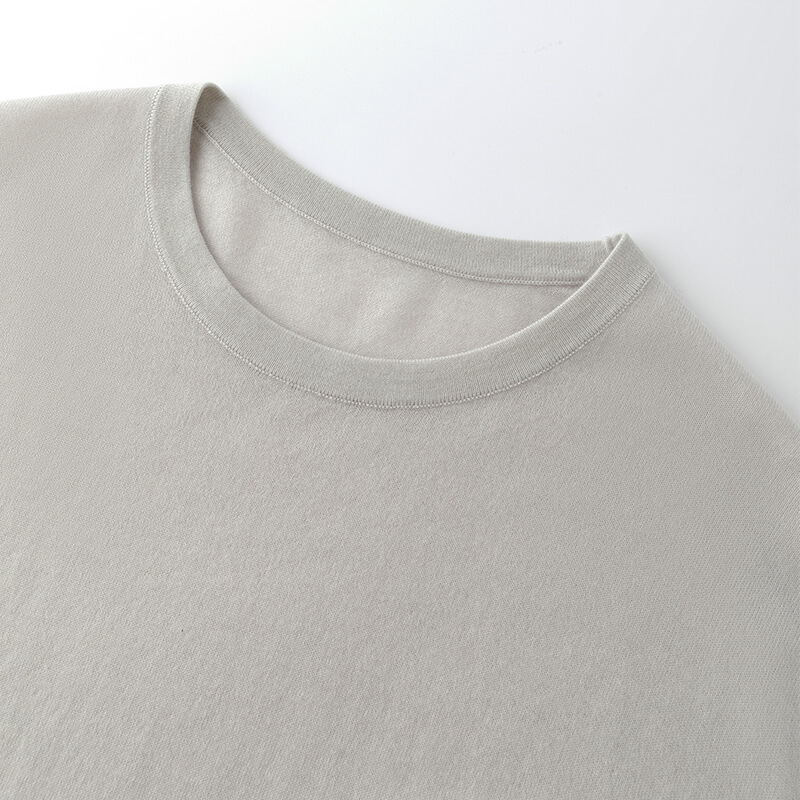
This is where most sweaters begin. With its smooth surface and subtle V-pattern, plain stitch gives a calm, clean look that's ideal for showcasing logos or embroidery. It works especially well on garments like lightweight crewnecks and cardigans, where drape and clarity of form are key.
Rib Stitch
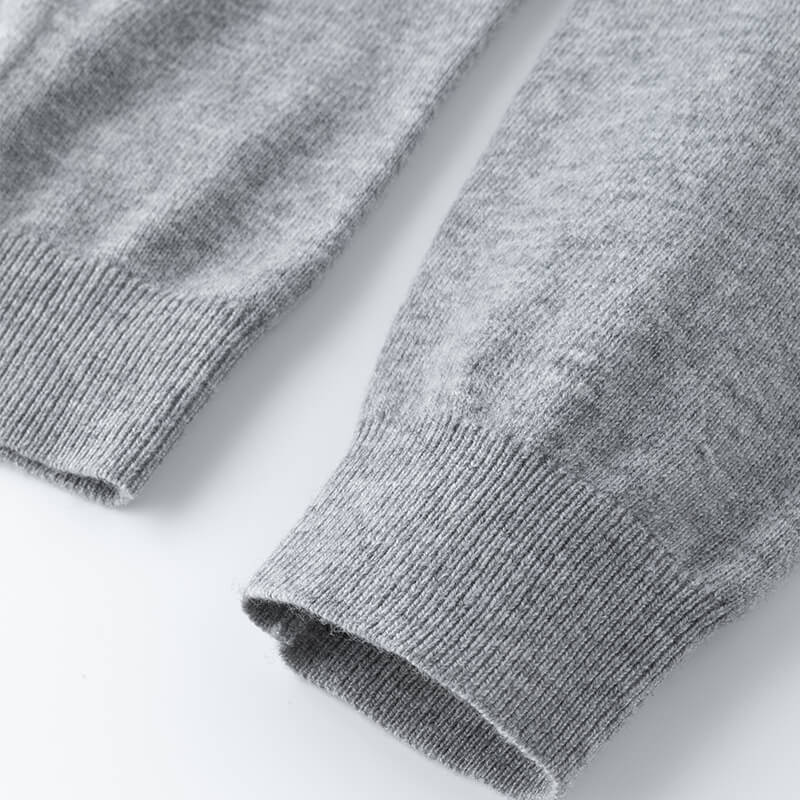
Familiar to anyone who's worn a sweater with a snug cuff or resilient collar, rib stitch is what gives knitwear its reassuring hug. Whether it's a slim 1x1 rib or a chunkier 2x2, it keeps everything in place — and keeps shape wash after wash. Our 100% Merino Wool Hoodie shows how ribbed hems and cuffs can balance comfort and silhouette.
Dimensional Texture: Patterns That Add Depth and Personality
Half & Full Cardigan Stitch
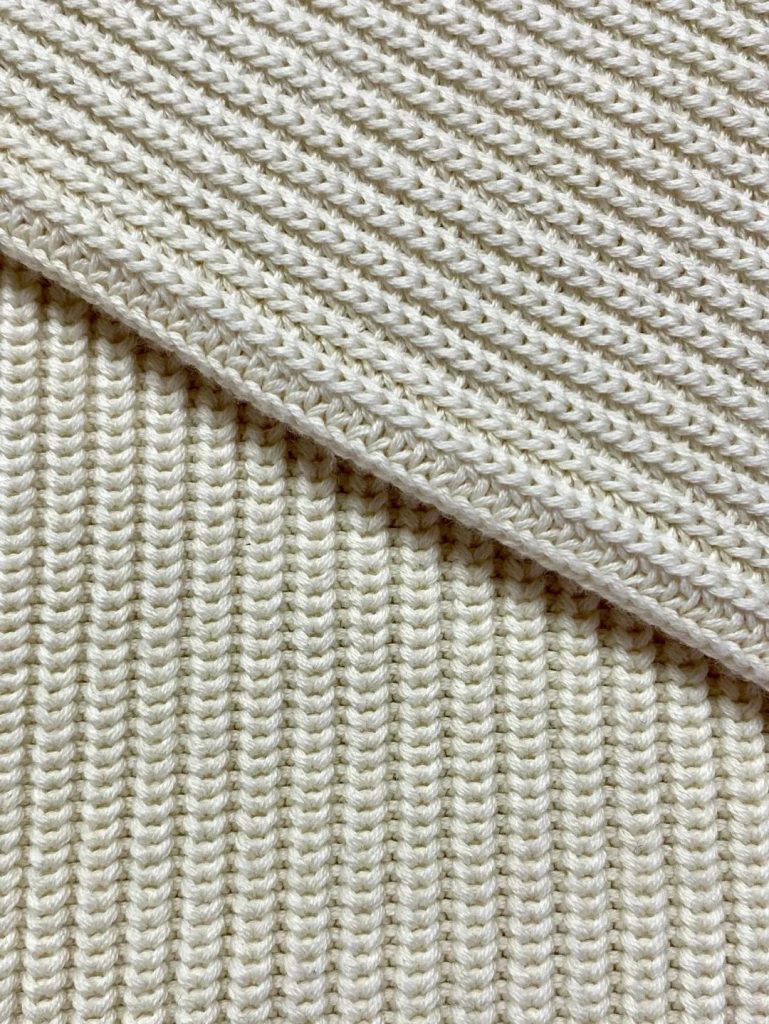
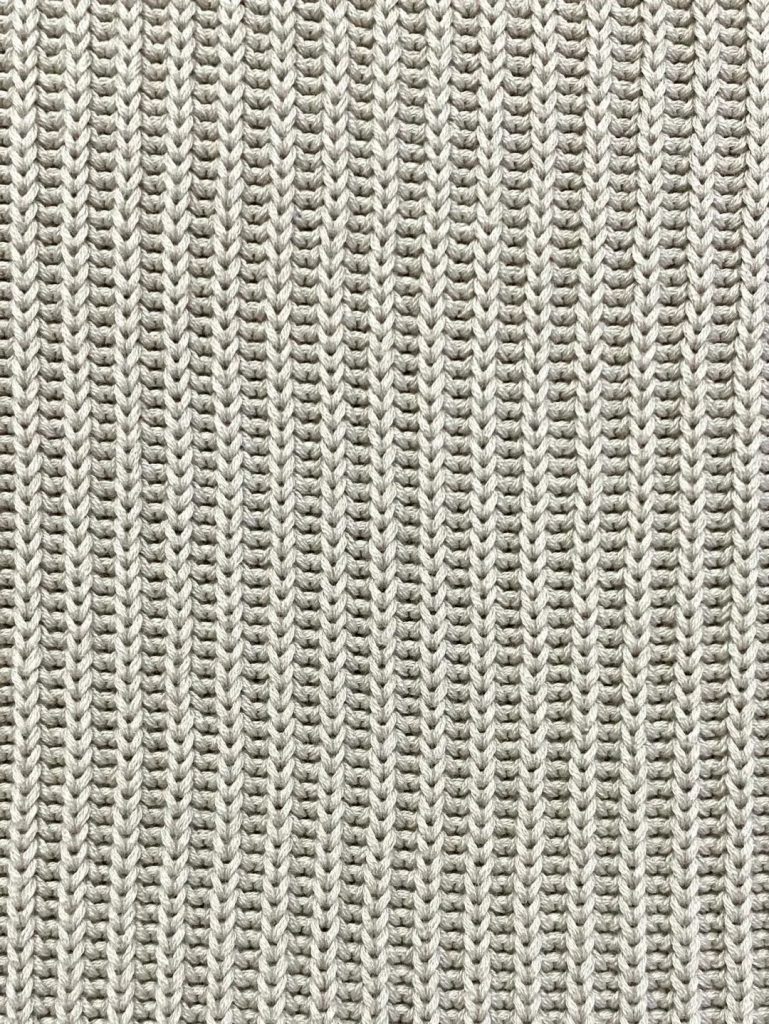
Soft yet structured, these stitches are all about dimensional feel. The half cardigan gives a lighter, grainier texture, while full cardigan delivers rich depth and warmth. Both add visual character without losing flexibility — ideal when you want a knit that feels substantial yet wearable. They’re perfect for sweaters where you want the pattern to do the talking, even in monochrome.These are variations of rib with a fuller, more dimensional feel. The half cardigan has tighter wales with less bulk, while full cardigan offers stronger texture and warmth.
Pointelle
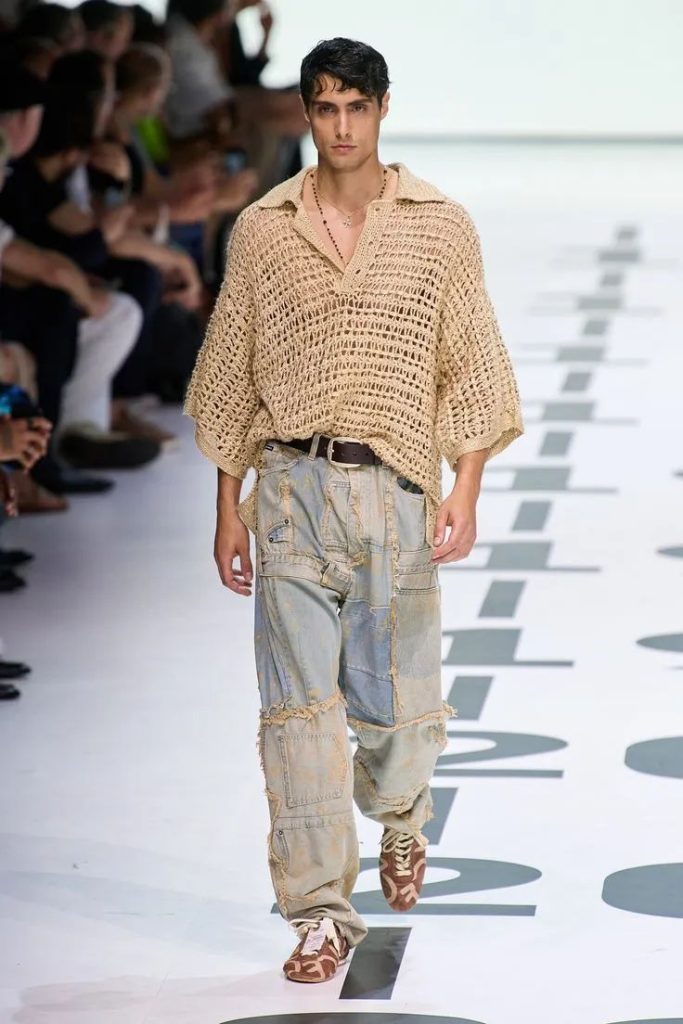
Light and breathable, pointelle uses delicate openwork to create small decorative holes — but don’t mistake it for purely feminine styling. In recent years, pointelle has become a popular stitch in spring/summer men’s knitwear collections as well, offering structure without bulk and visual interest without heaviness. It brings ventilation and a sense of lightness, making it ideal for warm-weather pullovers, vests, and layered pieces.. Creates airy, breathable fabrics.
Tuck Stitch
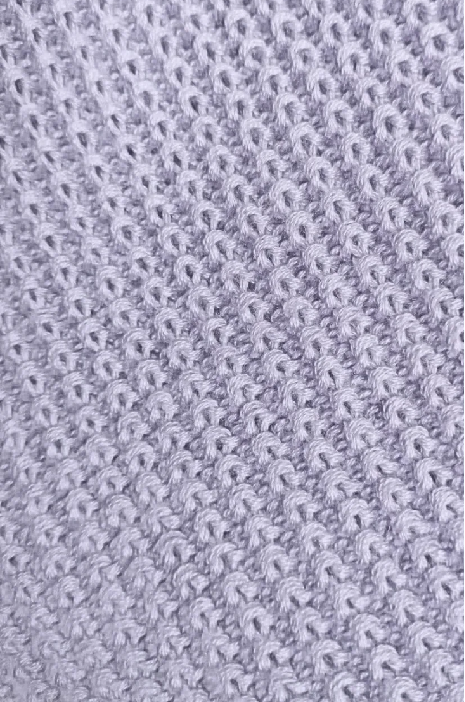
Tuck stitches create subtle surface texture by holding loops over multiple rows. This technique not only adds visual rhythm but also creates extra loft, making it a favourite for sweaters that need softness with a bit of insulation.
Statement Texture: Cable, Ottoman & Links Stitches
Cable
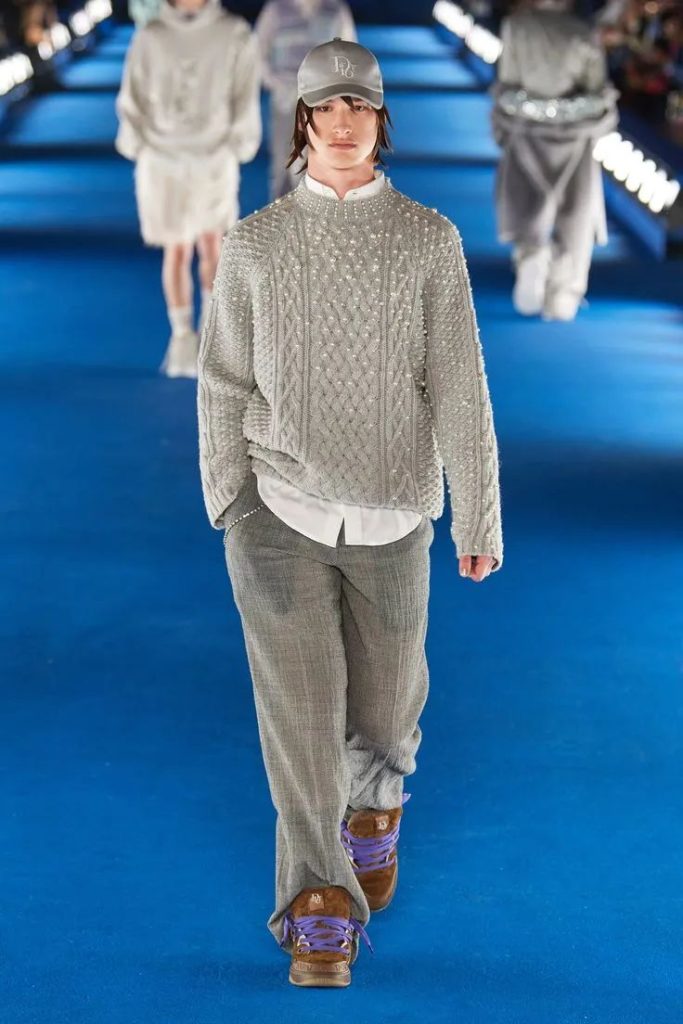
Whether it’s a traditional Aran braid or a subtle twist detail, cables bring depth and character to knitwear. They’re often seen in elevated winter collections, lending garments a tactile richness and artisanal feel.
Ottoman Stitch
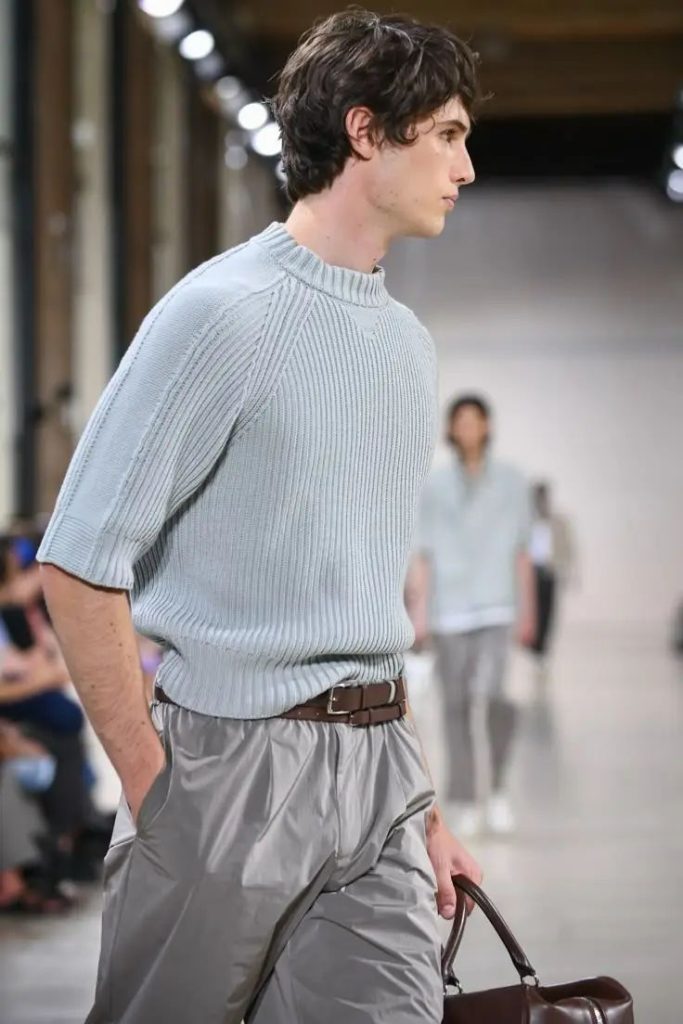
This stitch plays with alternating wide bands of knit and purl to create bold horizontal ridges. The look is bold, but the fabric remains wearable — often chosen for outer layers or directional sweaters where texture plays a lead role. It’s a favourite for pieces that need sculptural appeal without adding real weight, offering strong form and visual interest across the chest or sleeves.
Links Stitch
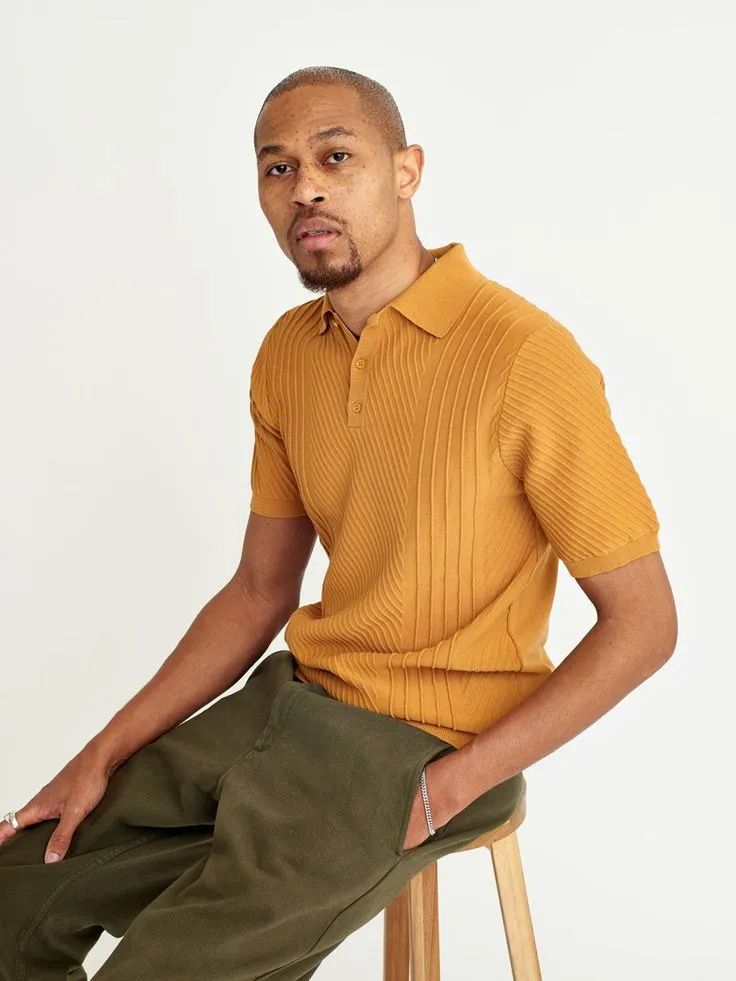
If you're after a more technical or performance-driven look, links stitch is one to explore. It forms soft horizontal ridges that add just enough dimension for everyday pieces with a subtly sporty attitude. This stitch offers a more activewear-inspired finish — great for brands aiming to combine function with casual sophistication.
Color-Focused Knitting: Jacquard & Intarsia Explained
Jacquard
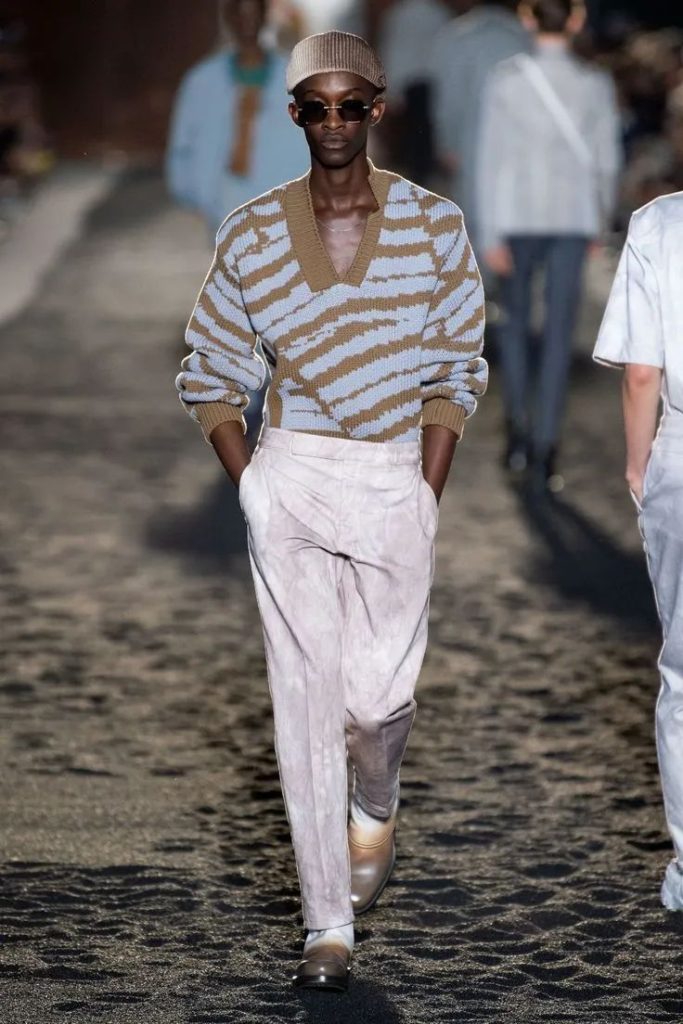
With jacquard, you can knit multiple colours into your design — think logos, graphic motifs, or repeat patterns. The technique adds weight and warmth, and works especially well for bold, seasonal pieces that need visual impact. It’s often used to create statement sweaters and expressive logo repeats that define a capsule’s theme.
Intarsia
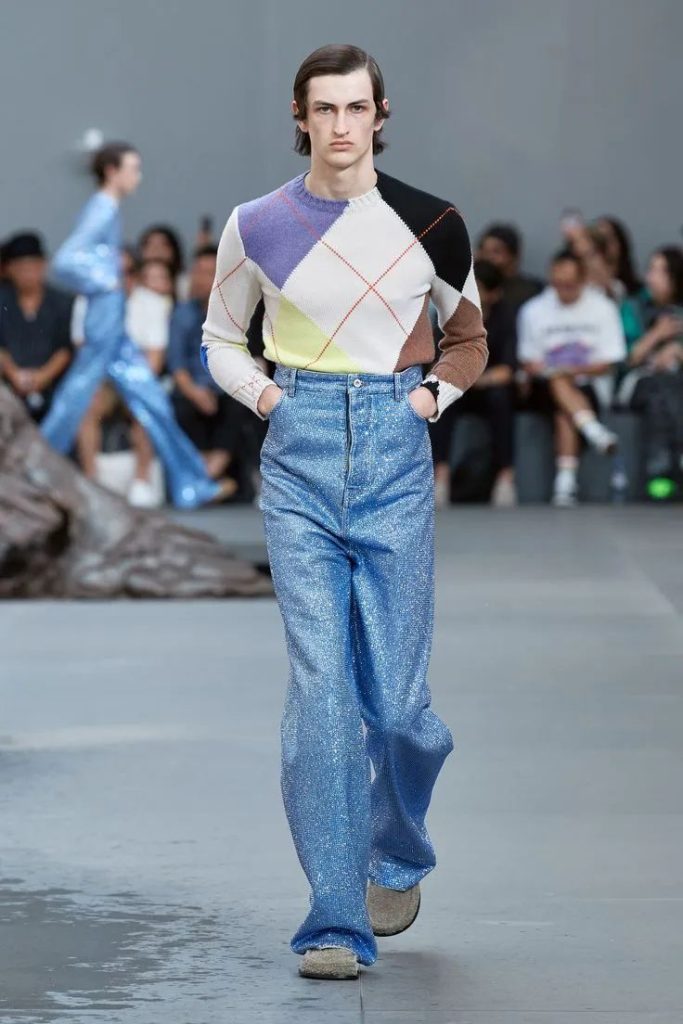
When you want colour without bulk, intarsia is the method of choice. It keeps colour blocks crisp and the fabric light — great for logo-focused knits or expressive artwork where precision matters. You’ll often see this technique used for bold monograms, geometric panels, or contrast-heavy graphics where definition is everything.
Other Creative Applications in Knitwear
Custom sweater patterns aren’t limited to what happens on the knitting machine. Once a structure is chosen, it opens the door for further creative expression — from yarn contrast to surface treatment. For example:
- Embroidery placement can follow structural lines, such as rib borders or tuck-stitched panels, giving a sense of harmony and precision.
- Jacquard detailing can be used sparingly, like on a single sleeve or yoke, to create modern asymmetry.
- Colour plating (knitting two colours together) adds contrast and subtle dimension, often seen in dual-tone sweaters or brand-accented collars.
Beyond Knitting: Embroidery & Print Enhancements
While the structure of a sweater defines its feel and silhouette, surface treatments like embroidery and printing complete the picture — especially when branding is key.
Embroidery
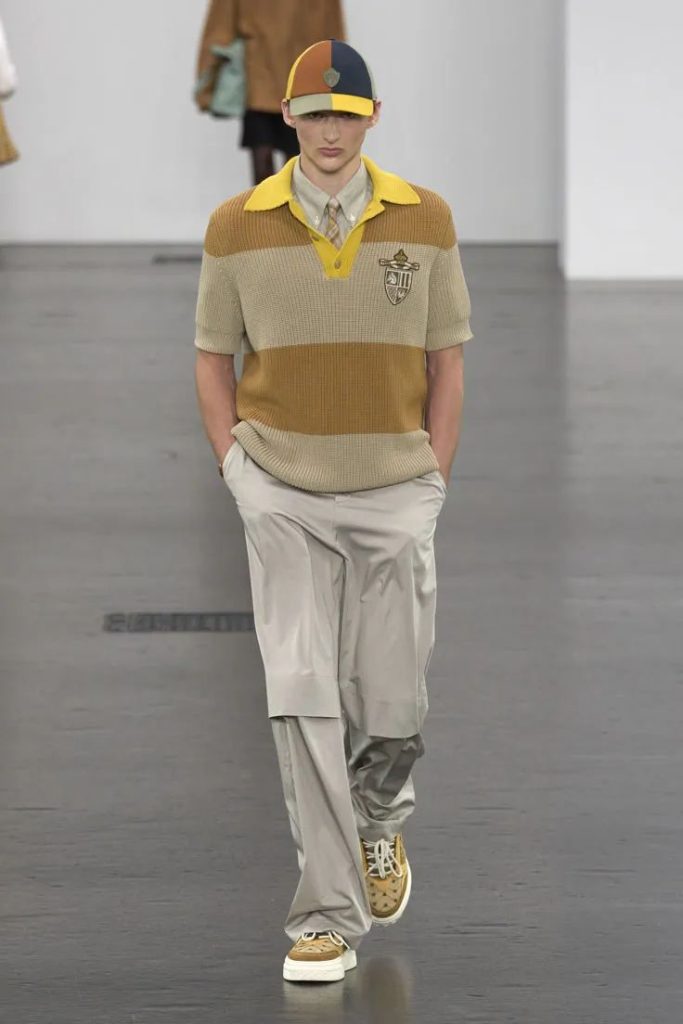
Embroidery is most successful when applied to stable, smooth stitch types like plain stitch or tightly packed ribs. It allows for highly defined branding, from subtle monograms to bold crests. However, embroidery on thick or highly textured knits (like cables or tucks) can lose clarity or even distort the garment.
We often guide clients to position embroidery within flatter areas of the garment — such as chest, sleeve cuffs, or pocket trims — where the structure won’t interfere with logo legibility.
Print (Screen / Heat Transfer)
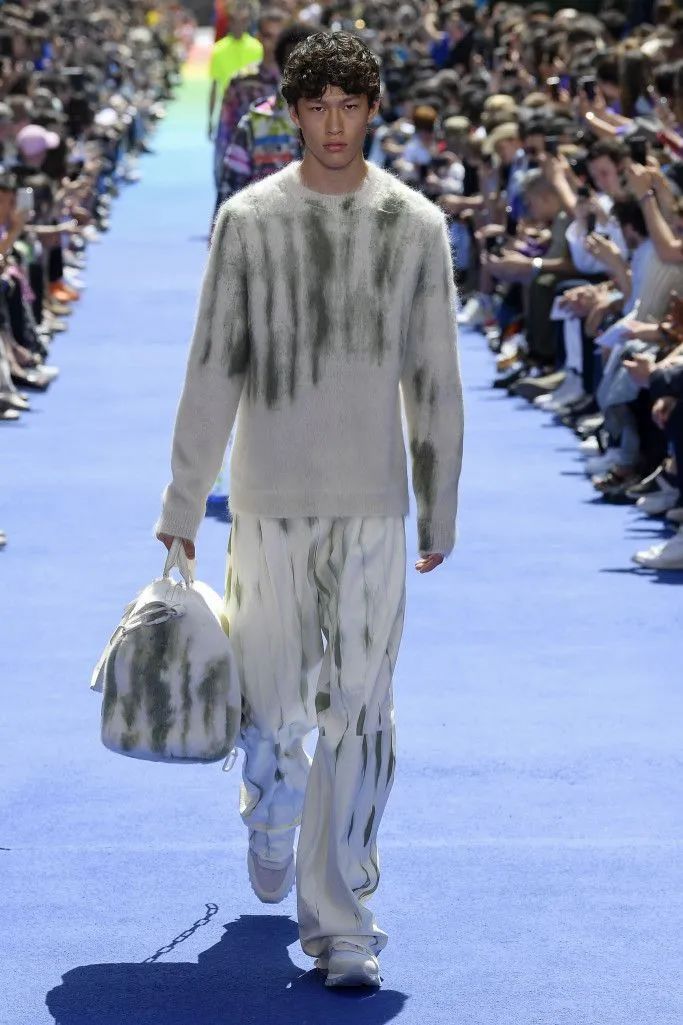
Print techniques are excellent for high-contrast visuals and quick-turn designs, but they require an even base and low yarn movement. Loose gauge or highly elastic fabrics often cause cracking or misalignment post-wash. That’s why we typically reserve print-based graphics for compact plain knits, often paired with lighter yarn weights and tested under tension to ensure performance.
If you're planning printed designs on sweaters, it’s worth reviewing yarn twist, shrinkage tolerance, and how surface finishing affects ink adherence. Better yet, let us help you prototype and test in advance — so the final result matches your intent.
For more detail on fabric-structure compatibility with branding finishes, see our knitwear trims guide.
Working with HD Merino
At HD Merino, we help brands turn ideas into form — technically, beautifully, and with purpose. Our team supports yarn selection, pattern development, and test knitting so that every custom sweater pattern looks right and wears better.
We’ve worked with dozens of brands to realise concepts using resources shared in our knitwear trims guide and pattern planning sessions, such as:
- Jacquard layout prototyping
- Tension-adjusted embroidery testing
- Cardigan rib sequencing
- Reverse-structured plating for dual-surface knits
From classic to contemporary, we help you build a stitch identity that’s unique to your brand.
Let’s create knitwear that tells your story, one pattern at a time.