Your favorite sweater is stretched out and ruined. Storing it the wrong way can destroy its shape and fit. So, how can you protect your valuable knitwear collection?
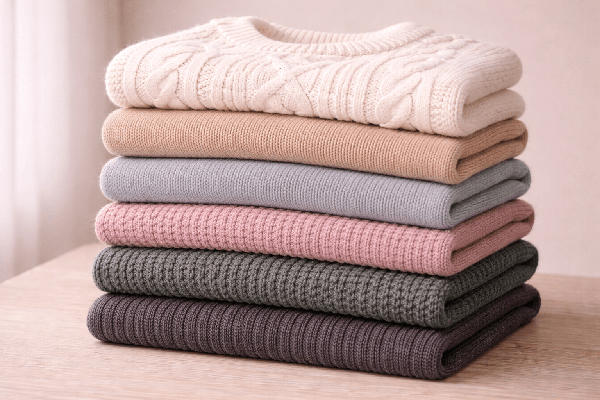
The best way to store knitwear is to fold it neatly and place it in a drawer or on a shelf. Hanging causes the knit structure to stretch under its own weight, especially at the shoulders, permanently damaging the garment's shape and fit over time.
As a manufacturer, we see firsthand how the right care can make a sweater last a lifetime, while the wrong care can ruin it in a single season. The advice to "fold, don't hang" is a great start, but it's not the whole story. The type of yarn, the weight of the garment, and even the climate you live in all play a role in proper storage. Understanding these details is the key to keeping your knitwear looking brand new, year after year. Let's explore the specifics so you can protect your investment.
Is it better to fold or hang knitwear?
Hanging a heavy sweater seems convenient, but gravity is its worst enemy. Over time, the shoulders stretch, the body lengthens, and your perfectly fitted garment becomes a shapeless mess.
Folding is always better than hanging for knitwear. Folding protects the garment from gravity, preventing the yarns and seams from stretching out of shape. This method preserves the original fit and structure, especially for sweaters made from heavy or delicate fibers like wool and cashmere.
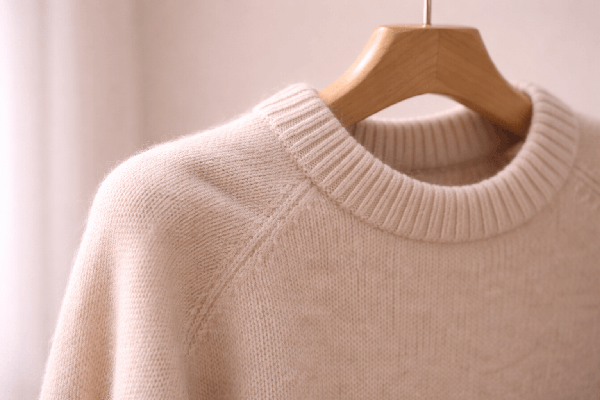
As knitwear specialists, we know that not all sweaters are created equal. The decision to fold isn't just a simple preference; it's based on the science of how knit fabrics are constructed. Unlike woven materials, which have a stable grid of threads, knit fabrics are made of interconnected loops. This looping structure is what gives knitwear its signature stretch and comfort, but it's also what makes it vulnerable to distortion. When you hang a sweater, its entire weight pulls down on the small loops at the shoulder, slowly and permanently stretching them out. Heavier gauges and natural fibers like Merino wool are even more susceptible. This is why folding is the non-negotiable standard for proper care.
The Science Behind the Fold
Gravity is relentless. The weight of the yarn, especially in heavier gauge knits (like 3GG or 5GG), constantly pulls downward. Hanging concentrates this force on the shoulder points, leading to unsightly bumps and a distorted neckline. Folding distributes the garment's weight evenly, neutralizing the damaging effects of gravity.
A Quick Guide: How Yarn and Gauge Affect Storage
The denser and heavier the sweater, the more critical folding becomes. We use lab data to advise our brand partners on care instructions, and the evidence is clear.
| Knitwear Type | Common Yarns | Gauge Range | Primary Storage Concern | Recommended Action |
|---|---|---|---|---|
| Fine-Gauge Sweater | Merino Wool, Cashmere, Silk Blends | 12GG - 16GG | Stretching, Pilling | Fold carefully; avoid compression |
| Mid-Gauge Sweater | Lambswool, Cotton, Wool/Nylon Blends | 7GG - 10GG | Stretching at Shoulders | Fold flat in a drawer |
| Chunky Sweater/Cardigan | Coarse Wool, Alpaca, Acrylic Blends | 3GG - 5GG | Heavy Distortion, Stretching | Fold loosely on a shelf |
How do you store cashmere sweaters to prevent moths?
You pull out your favorite cashmere sweater for the winter, only to find tiny, heartbreaking holes. Clothes moths are attracted to natural protein fibers and residue, making your luxury knitwear a target.
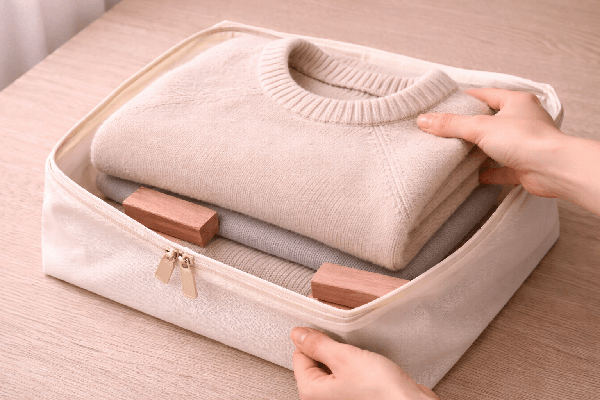
To store cashmere sweaters and prevent moths, first ensure they are professionally cleaned to remove any skin cells or food residue. Then, place the folded sweater in a breathable, sealed container like a cotton garment bag with natural moth repellents like cedar blocks or lavender sachets.
High-end fibers like cashmere and Merino wool require an extra level of care because they are pure protein, which is a primary food source for moth larvae. The problem isn't the adult moths you see flying around; it's their larvae that feast on the fibers, causing irreparable damage. Moths are particularly drawn to areas with lingering sweat, body oils, or microscopic food spills. This is why cleaning before long-term storage is the most critical step. Storing a dirty sweater is like leaving out an open invitation for pests. Once cleaned, creating a physical barrier with a storage bag and using natural repellents creates an environment where moths simply can't thrive, safeguarding your most precious garments.
A Step-by-Step Moth-Proofing Process
Effective prevention requires a systematic approach. Follow these three steps when putting your cashmere away for the season.
- Clean Thoroughly: Before storing, either have the sweater professionally dry-cleaned or hand-wash it with a gentle, pH-neutral wool detergent. This removes the residues that attract pests. Ensure it is 100% dry before proceeding.
- Choose the Right Repellents: Avoid chemical mothballs, which leave a harsh, toxic smell. Opt for natural solutions like cedar blocks, cedar rings, or dried lavender sachets. Cedar oils are a natural moth deterrent. Refresh cedar by lightly sanding it once a year.
- Create a Physical Barrier: Place the clean, folded sweater into a breathable container. A canvas or cotton storage bag is ideal as it keeps moths out while allowing air to circulate, preventing moisture buildup. Avoid storing in airtight plastic containers for long periods, as this can trap moisture and damage the fibers.
How should knitwear be stored for long-term success?
You've invested in quality knitwear, hoping it will last for years. But without a proper storage system, you're risking damage from pests, moisture, and distortion every season.
Knitwear should be stored clean, folded, and in a cool, dry, and dark place. For seasonal storage, use breathable containers with natural moth repellents. Proper rotation and occasional airing out will ensure your knitwear remains in perfect condition for years to come.

As a manufacturer working with over 80 global brands, we emphasize that a garment's lifespan depends heavily on post-purchase care. The "life" of a sweater begins when it leaves the store. We provide extensive data from our in-house labs on shrinkage, pilling, and colorfastness so brands can create accurate and helpful care labels. But these labels are only half the battle. Educating the end consumer is key. We encourage brands to use social media, QR codes on hangtags, and website FAQs to teach a simple mantra for seasonal storage: Clean, Fold, Protect. This simple, three-step system empowers customers to maintain the quality we work so hard to create, building brand trust and ensuring the garment's longevity.
Building Your Knitwear Storage System
Creating a dedicated system makes long-term care easy. Think beyond just putting sweaters in a drawer.
- Location is Key: Choose a closet or drawer away from direct sunlight, which can fade colors. Ensure the area has good air circulation and is not prone to dampness, like a basement or attic.
- Rotate Your Collection: Don't wear the same sweater two days in a row. Giving the fibers at least 24 hours to rest and recover helps them return to their natural shape.
- Value-Added Care Kits: We often help our brand partners develop custom care kits to sell alongside their knitwear. A typical kit might include a cashmere comb for de-pilling, cedar blocks, and a detailed care guide. This not only provides a better customer experience but also reinforces the brand's commitment to quality and longevity.
Conclusion
The secret to long-lasting knitwear is simple: always clean before storing, fold instead of hanging, and protect your garments from pests. This preserves their shape, texture, and value for years.