Choosing the right knitwear supplier is not just about finding someone who can make your designs — it's about building a reliable, transparent, and scalable production relationship. Whether you're a fashion brand, designer, or sourcing manager, working with the wrong supplier can result in quality issues, missed deadlines, and unnecessary friction.
In this article, we’ll unpack five common mistakes fashion professionals make when selecting a knitwear supplier, and how to avoid them for a smoother, more strategic sourcing process.
Mistake 1: Ignoring the Supplier’s Product Development Capabilities
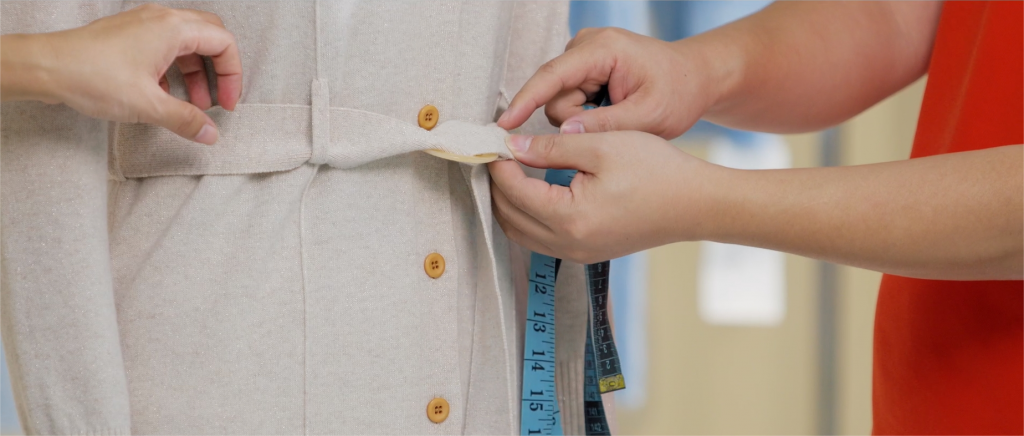
Many buyers are quick to evaluate a knitwear supplier based on a handful of finished samples — but a beautiful garment doesn’t always reflect a professional development process.
Before making a decision, dig deeper. Does the supplier understand how to interpret tech packs accurately? Can they assist with yarn sourcing, stitch options, and seasonal trend input? Are they equipped to provide multiple rounds of samples and communicate clearly about fit adjustments?
A reliable knitwear supplier should have a structured development system that accommodates iterative prototyping, adapts to different design languages, and supports brands in building salable collections — not just producing good-looking samples. Ask them how they handle revisions, approvals, and tech pack feedback.
👉 Tip: Don’t be swayed by surface presentation — inspect the way they handle requests, timeline estimates, and material substitutions during development.
🧠 Additional insight: Brands who rely solely on sample quality may discover too late that the supplier struggles to translate fit notes into technical adjustments or delays communication between sampling and production teams.
Mistake 2: Prioritising Price Over Production Capability
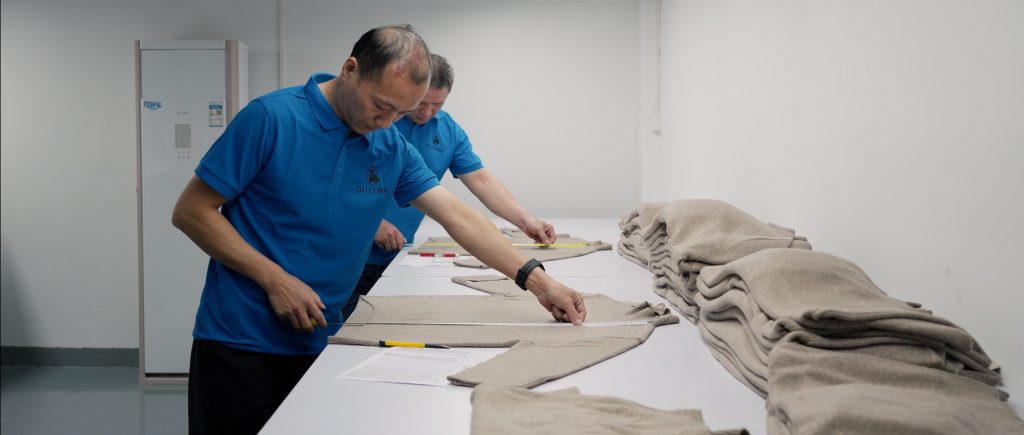
Cost is a valid concern, but chasing the lowest price can easily backfire. Some knitwear factories offer attractively low quotes but lack the team capacity, machine setup, or scheduling flexibility to manage production peaks, multiple SKUs, or reorder demand.
A strong knitwear supplier is not only competitively priced but can also demonstrate consistency across different order sizes, yarn types, and timeline pressures. Always assess if their internal systems (production planning, linking team management, quality control checkpoints) are robust enough for long-term collaboration.
🧠 Ask yourself: Can this supplier still serve us well when we scale to larger volumes or tighter calendars?
💡 For deeper insight, refer to our article: The Cost of Custom Knit Sweaters
🔍 Case example: A womenswear brand switched to a low-cost supplier in year two to reduce cost-per-unit but soon experienced unplanned delays and inconsistent product specs due to lack of internal QA process. Recovery required re-sampling and additional freight cost.
Mistake 3: Underestimating the Importance of Lead Time Planning
Production lead time isn't just a number — it's a dynamic commitment influenced by yarn sourcing, machine scheduling, team bandwidth, and even packaging timelines.
Some buyers assume a fixed 4–6 week turnaround from every knitwear supplier, but experienced manufacturers will give nuanced answers based on the complexity of your design, available yarn stock, and other overlapping client orders.
More importantly, how a supplier handles production delays says a lot about their reliability. Do they warn you about upcoming holidays, dyehouse congestion, or machine maintenance? Do they offer solutions (like pre-booked yarn, swappable trims, standby teams)?
📦 A trustworthy supplier doesn’t pretend problems don’t exist — they present mitigation plans and keep communication transparent.
🧶 Additional angle: Ask what percentage of their capacity is booked in advance, and whether they operate with floating production blocks for urgent or VIP orders. This gives you a sense of their agility.
Mistake 4: Overlooking Sample Communication Gaps
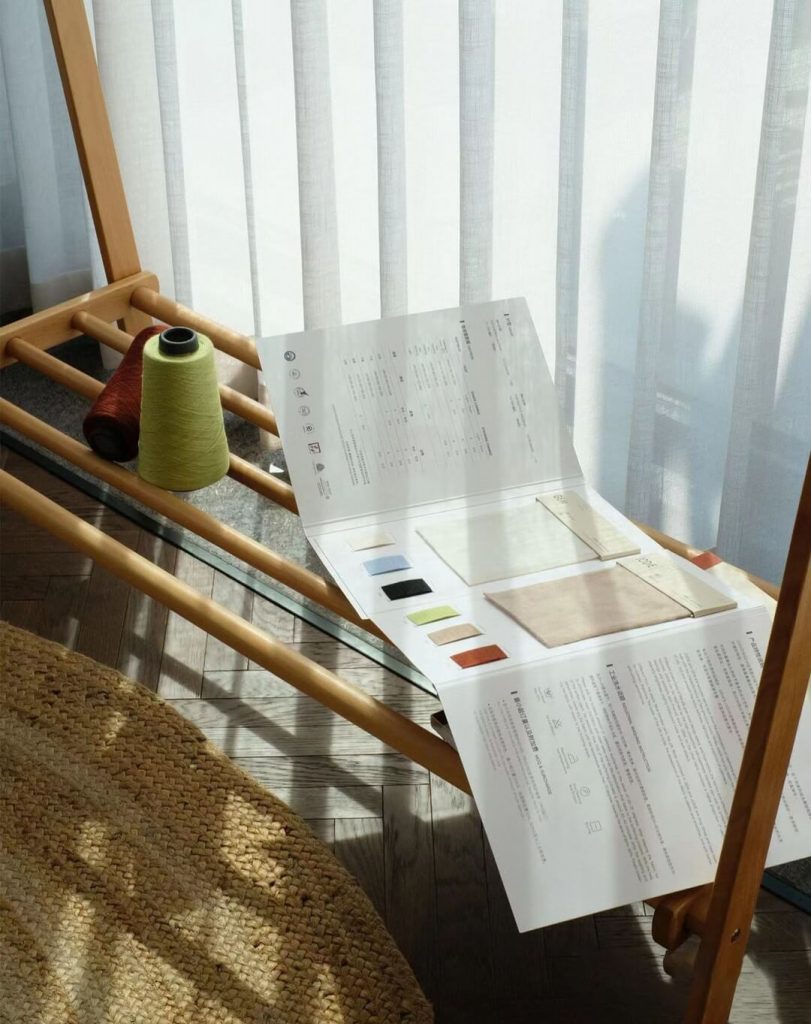
A common source of frustration is sample outcomes that “don’t match the brief.” But this usually stems not from technical inability, but from communication breakdowns.
Professional knitwear suppliers don’t just copy what’s in your tech pack — they ask questions, identify inconsistencies, and offer alternatives when needed. Do they confirm tension settings with you? Do they raise flags if the rib structure looks unbalanced? Do they document every iteration?
The goal is not just to get a finished sample, but to co-develop a production-ready standard that meets design, quality, and efficiency expectations.
🧵 Never underestimate how much clarity is gained when your supplier truly understands your brand logic, customer profile, and fit standards.
🔗 Read more: 5 Basic Tips for Custom Knitwear Material Selection
💬 Sample case: A brand working with three regional factories discovered that only one had a written sampling SOP (Standard Operating Procedure). That supplier delivered 20% faster and had 40% fewer style interpretation errors.
Mistake 5: Not Understanding How You Rank Within Their Client Priorities
Knitwear suppliers — especially good ones — work with multiple clients across seasons. Understanding where your brand sits in their priority system helps manage expectations and avoid hidden disappointments.
Ask how they allocate capacity during high season. Are repeat clients always served first? Is there a queue for new accounts? How are low-MOQ brands supported compared to major retail customers?
A mature supplier will be upfront about their bandwidth, show you a realistic timeline, and give your project proper respect — even if you're not placing massive orders yet.
🤝 Trust and transparency are two-way streets. Being clear about your long-term vision helps you earn their best service.
🧠 Buyer insight: If you’re a smaller or newer brand, suppliers are often more flexible in quieter seasons (Jan–March, August). Planning ahead improves your chances of getting priority.
Bonus Mistake: Overlooking Sustainable Practices and Certifications
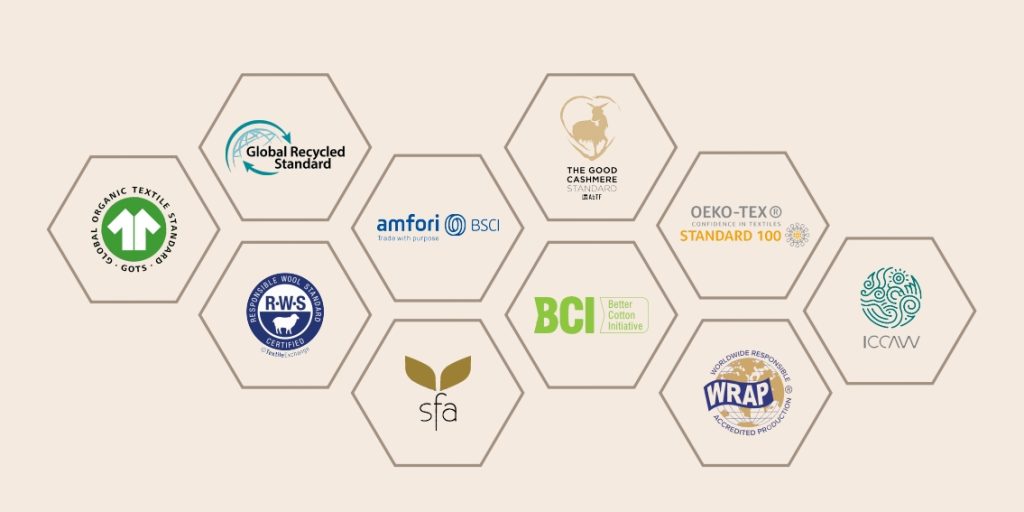
In 2024 and beyond, many fashion buyers prioritise sustainability — but few ask the right questions at the supplier level. Does your supplier use eco-certified yarns (e.g. GOTS cotton, RWS wool)? Are they GRS or BSCI compliant?
Choosing a knitwear supplier that aligns with your brand values isn’t just about storytelling — it also ensures fewer surprises when buyers or end consumers ask for transparency.
🌿 A growing number of international clients now require documentation for recycled content, ethical wages, and chemical testing. Start building your compliance foundation early.
Final Thoughts: Build Long-Term Value With the Right Knitwear Supplier
Selecting a knitwear supplier is not just a sourcing task — it’s a strategic decision that affects your entire supply chain. From development to delivery, the right partner will help you streamline processes, build a reliable timeline, and maintain your brand’s quality standards.
At HDMerino, we’ve supported over 120 fashion labels — from capsule collection startups to established global brands — helping them avoid these mistakes and scale with confidence.
If you’re evaluating knitwear production options for your next collection, let’s talk about what will work best for your business.
📩 Contact us to discuss sampling timelines, yarn options, or MOQ support.