- In this article, all references to "yak wool" specifically refer to the soft undercoat known as "yak down," which is the fine, insulating fibre collected during the animal's seasonal moulting. This is distinct from the outer guard hairs, which are coarse and not used in high-end knitwear.
Yak wool has long served as a quiet essential in Himalayan communities, yet it’s only recently that it’s begun turning heads in premium fashion. From mountain tents to modern knitwear, its transition is not one of reinvention but recognition. Where merino has been the standard bearer for softness and performance, yak wool enters the picture not to compete, but to offer something different—a warmer, tougher, and culturally richer fibre that fits the needs of selective menswear brands.
For designers pushing beyond the familiar, yak isn’t a trend. It’s a material that carries substance. As the search for meaningful materials grows, understanding how yak compares to merino is no longer a side question—it’s central to long-term product strategy.
Yak Wool vs Merino Wool: Side-by-Side
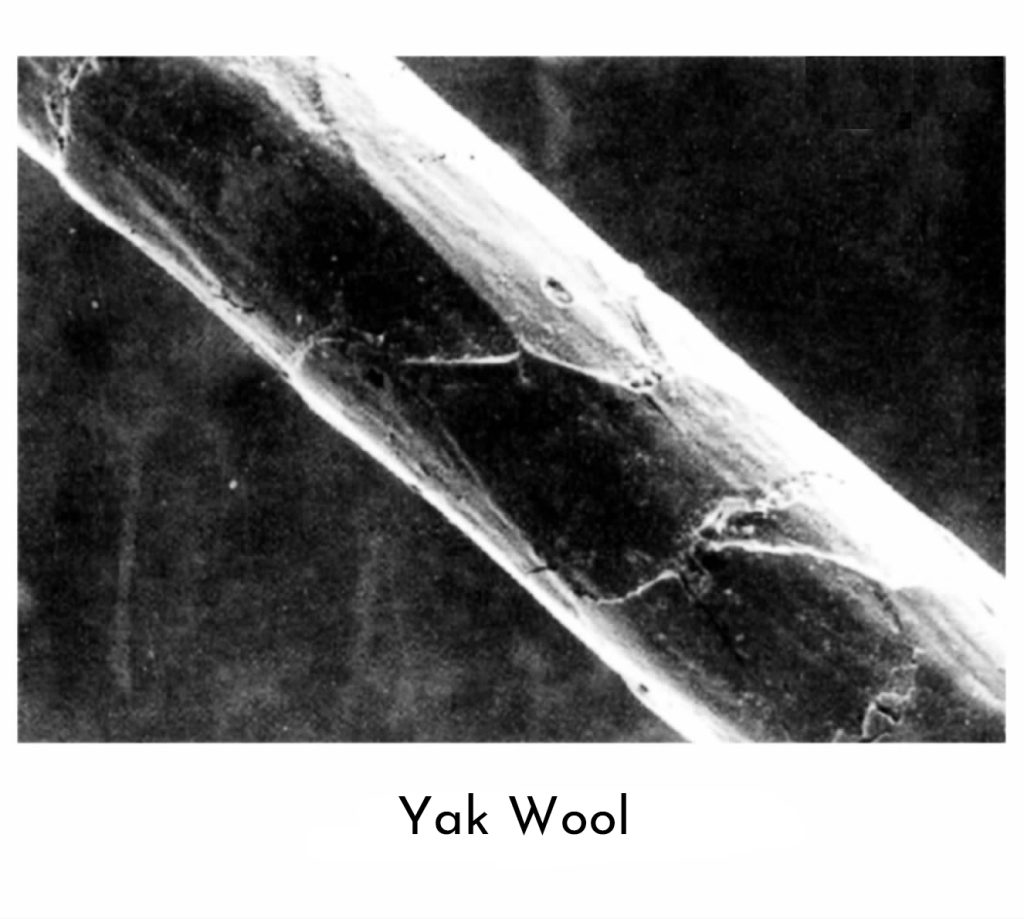
Yak and merino wool come from animals bred to withstand extreme conditions. Both perform exceptionally in cold and dry climates. But the fibres, when analysed closely, reveal distinct traits:
| Feature | Yak Wool | Merino Wool |
|---|---|---|
| Warmth | Higher heat retention due to hollow fibre core | Excellent insulation, though slightly less efficient |
| Fibre Diameter | 16–20 microns, aligned with fine cashmere | 17–21 microns, though some ultra-fine varieties go lower |
| Softness | Dense, smooth fibre with a silky touch | Springy and consistent; slightly less refined in handle |
| Strength | Strong and resistant to surface wear | Durable, though thinner yarns may pill |
| Breathability | Naturally porous and wicks well | Breathable; slightly behind yak in dry environments |
| Colour Range | Earthy natural tones, light colours require processing | Accepts dyes well; ideal for colour variety |
One note: yak wool typically appears in dark natural tones like chocolate and charcoal. Achieving lighter colours can involve blending with white fibres or delicate bleaching. Merino, by contrast, provides a more open palette for bright, dyed hues.
Sustainability, Culture, and Supply

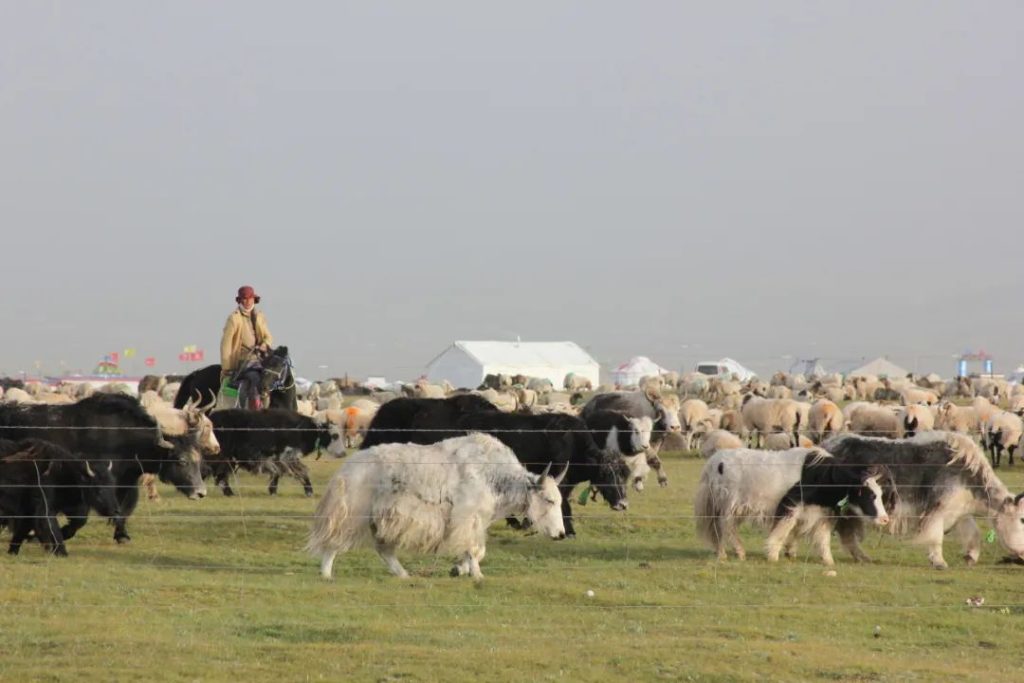
What distinguishes yak wool isn’t just its feel—it’s the way it enters the supply chain. Herders gather yak fibres by combing them out during the spring moulting season, when the animal naturally sheds. There is no force involved, no machines, no harm. This collection method is entirely manual, guided by rhythm and respect rather than mechanised urgency. It also ensures that the fibre remains intact, clean, and minimally stressed—both ethically and structurally.
This gentle approach reflects a broader relationship. In Tibetan life, the yak is more than livestock; it’s a provider. Families rely on it for milk, fuel, fibre, and even shelter. It’s often called the "second mother." This respect also extends to the landscape. Yaks graze lightly, feeding without pulling up root systems—unlike goats, which often cause soil degradation. Their movement across high-altitude grasslands is rotational and regenerative, helping to aerate the soil and preserve biodiversity.
From an environmental standpoint, yak herding uses no antibiotics, industrial feed, or mechanical infrastructure. It’s a low-impact, high-integrity system. The fibre is produced without artificial inputs, processed close to the source, and requires less chemical intervention during refinement than many conventional fibres.
Supply remains niche—by design. Each yak yields a limited amount of usable fibre, and the pastoralist communities that manage the animals do so at a pace governed by tradition and ecology, not industrial output. This keeps the supply chain transparent and close-knit, often involving cooperatives or small-scale regional mills.
For brands exploring deeper sustainability and sourcing alignment, yak tells a grounded and traceable story. It offers not just ethical material, but continuity—connecting ancient pastoral practices with modern premium design in a way few fibres can match.
Yak Wool vs Cashmere, Alpaca: A Luxury Fibre Check-In
Yak wool sits in a similar class to cashmere and alpaca, and often finds itself compared to both. In terms of softness, well-graded yak down rivals cashmere at 15–19 microns. But where cashmere is known for delicacy, yak stands out for strength. It resists pilling and keeps its shape through wear.
Compared to alpaca, yak wool has more bounce and form. Alpaca knits can feel lofty, even airy, but sometimes lack memory. Yak fibres bring more structure, allowing garments to retain their silhouette without feeling stiff.
Breathability also sets yak apart. The fibre allows for consistent airflow, making it comfortable in changing conditions. Whether as a mid-layer or standalone piece, it adapts well across seasons.
What Brands Should Know Before Using Yak Wool

Using yak wool requires planning. The fibre is seasonal, gathered only once a year. A single animal yields around 100 to 150 grams of usable down. And the cleaning, sorting, and dehairing process significantly reduces usable yield.
Most yak wool comes in dark hues. Achieving off-whites or pastels often requires blending with lighter fibres or soft bleaching—steps that can affect fibre structure if mishandled. For brands seeking very specific colour profiles, this adds a layer of complexity.
On the production side, yak wool benefits from lower temperatures and soft finishing. Harsh treatment can dull its texture or cause shrinkage. Teams used to working with merino or cashmere may need to adapt workflows slightly.
Is Yak Wool a Fit for Your Collection?
Yak isn’t a mass-market staple. But for brands focused on texture, performance, and values-led sourcing, it deserves a serious look. It excels in cool-season pieces, naturally toned accessories, and product lines that lean into authenticity.
It also connects. In a world of over-processed options, yak offers depth: a fibre that performs, tells a story, and reflects a relationship between material and place. For menswear lines looking to evolve beyond merino basics, yak wool opens the door to something both ancient and current.
Revisiting yak isn’t about replacing the familiar. It’s about widening the frame—and seeing premium through a broader, more grounded lens.
A Practical First Step: Start with Yak-Merino Blends

Some brands working with wool may hesitate to dive straight into yak. That hesitation is understandable. One practical approach is to explore blends—starting small, adapting gradually. Yak and merino pair surprisingly well: the former brings body and warmth, the latter contributes familiarity and processing ease. Blended together, they create a fabric with depth and story, yet still accessible.
Instead of reinventing your entire supply chain, testing a yak-merino mix in just one product line—a crewneck, a ribbed beanie, or a structured cardigan—can offer insight. A modest yak content, even under one-third, often gives enough of a textural shift to stand out.
At HD Merino, we help brands navigate this process. From yarn sourcing and blend development to finishing advice and sample production, our team works closely with designers and developers to ensure a smooth, scalable transition. Whether you’re experimenting with your first yak blend or building a capsule around natural fibres, we’re here to make the unfamiliar feel like second nature.