You see "Merino wool" on high-end knitwear, but you're not sure what makes it so different from regular wool. Is it just a marketing term, or is there a real, tangible difference in quality?
Merino wool yarn is a premium natural fiber spun from the fleece of Merino sheep. It is defined by its exceptionally fine fibers, which make it incredibly soft, breathable, and comfortable against the skin, unlike the scratchy wool you might remember.
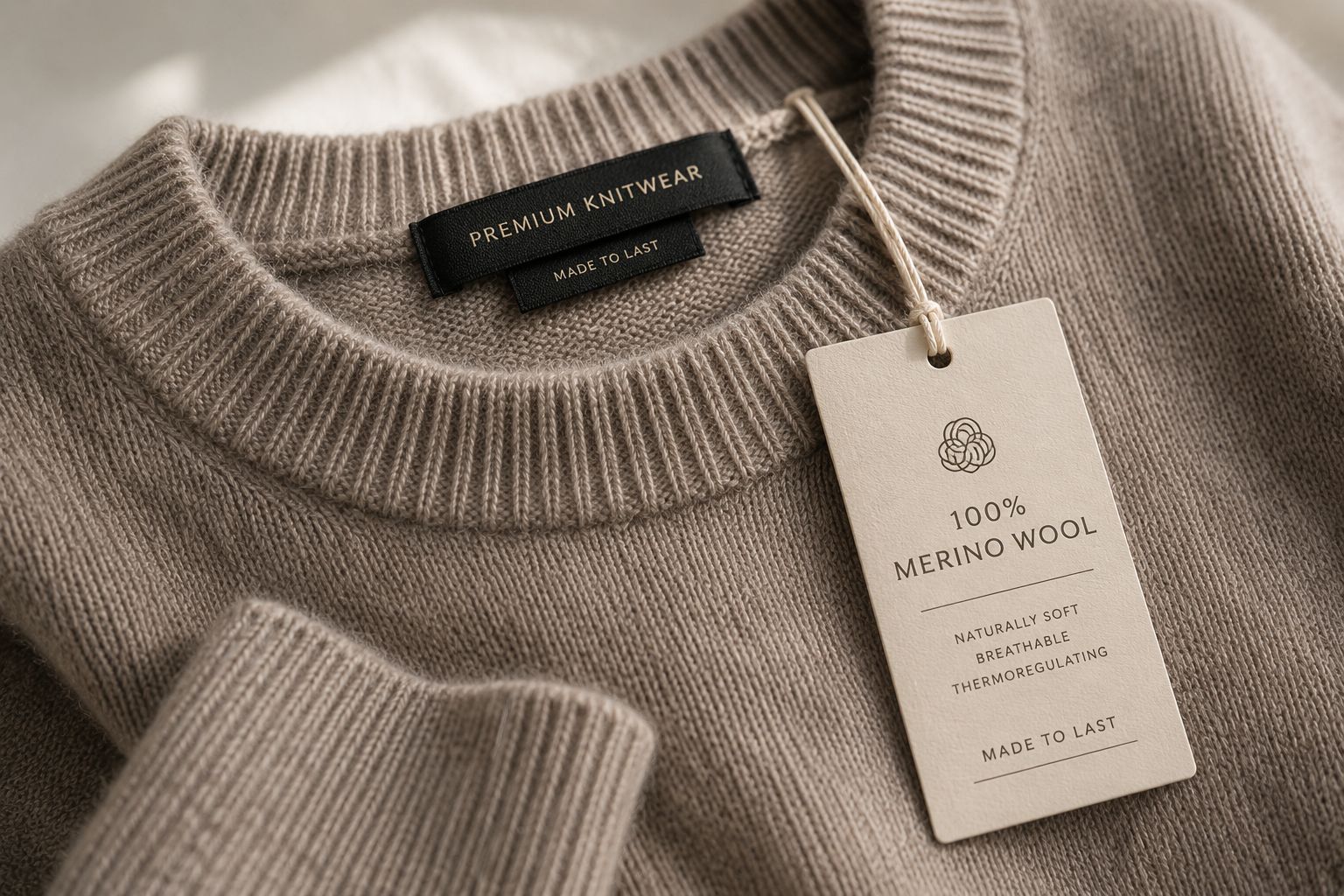
As a knitwear manufacturer with over a decade of experience, we work with different yarns every single day. We see firsthand why Merino wool stands out as the foundation for premium sweaters. The difference isn't just something you feel; it's something we measure and engineer from the very first fiber. Let’s break down what makes this material so special and why it's the preferred choice for high-quality brands worldwide.
What is the difference between merino wool and regular wool?
You might think all wool is the same: warm but itchy. This makes you hesitant to invest in wool garments, fearing they will be uncomfortable to wear.
The key difference is the fiber's diameter, or micron count. Merino wool fibers are much finer and more flexible than traditional wool. They bend gently against your skin instead of poking it, which is why Merino feels soft and luxurious, not scratchy.
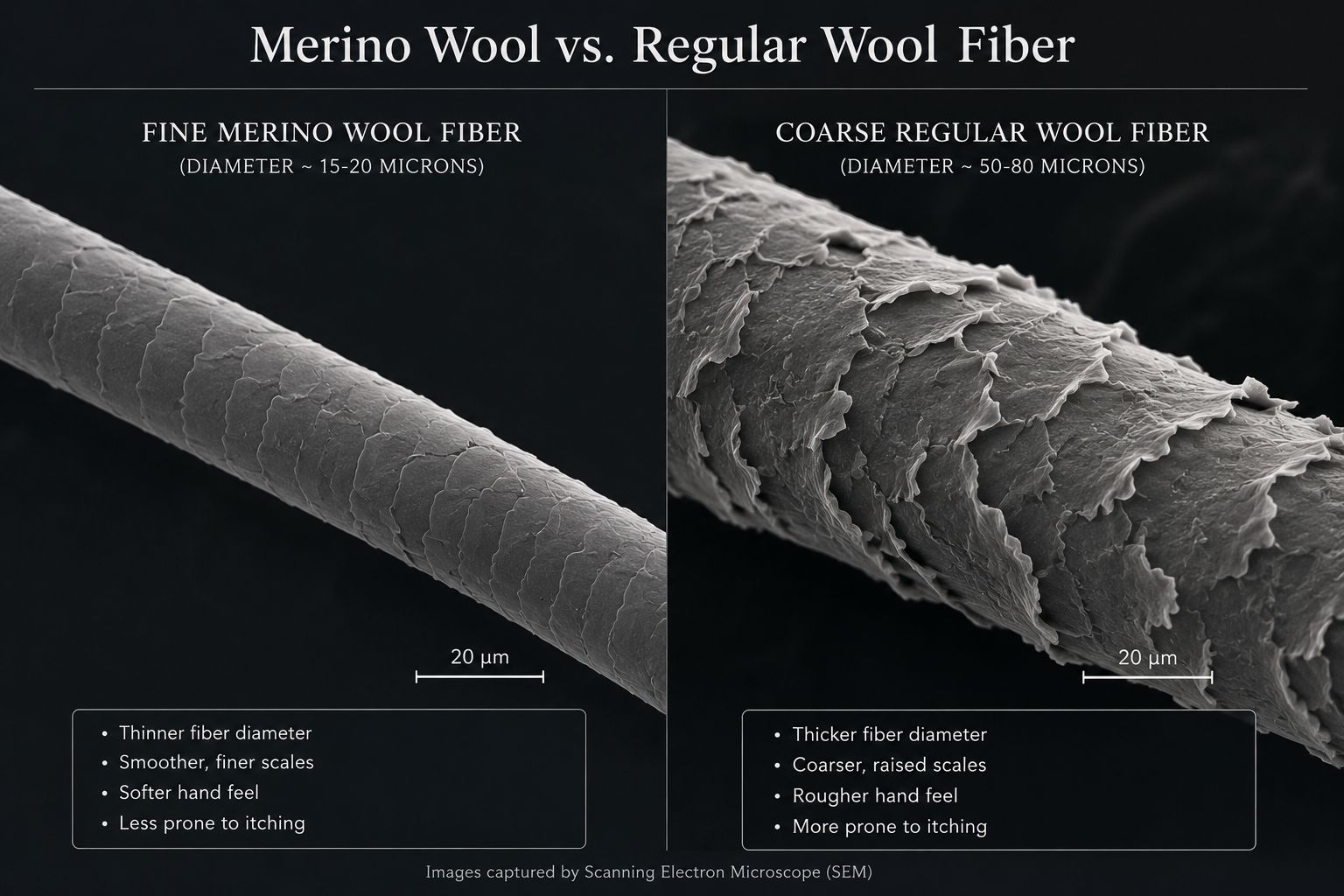
In our industry, everything starts with the fiber. A regular wool fiber can be over 25 microns thick, which makes it rigid enough to feel prickly. In contrast, we use Merino wool that is typically under 24 microns, and for high-end, next-to-skin products, we select superfine grades of 18.5 microns or less. This fineness is the secret to its softness. Furthermore, Merino wool has a more pronounced natural "crimp" or wave. This structure creates tiny air pockets, making it an excellent insulator while remaining lightweight. The fibers are also more uniform in length, which helps us spin a smoother, stronger yarn that is less prone to pilling. It’s a difference in quality that is engineered by nature and perfected in manufacturing.
| Feature | Merino Wool | Regular Wool |
|---|---|---|
| Fiber Diameter (Micron) | Fine (typically 17-24μ) | Coarse (often >25μ) |
| Feel on Skin | Soft, flexible, and non-itchy | Can be stiff, prickly, and itchy |
| Natural Crimp | High and consistent | Lower and less uniform |
| Weight-to-Warmth Ratio | Excellent; lightweight yet very warm | Good, but often heavier for same warmth |
| Yarn Quality | Smoother, stronger, and more resilient | Less consistent, higher pilling risk |
What is so special about merino wool?
You know Merino wool is soft, but so are other materials like cashmere or even some synthetics. Is softness the only reason it's considered a premium fiber?
If you only focus on softness, you miss the true "magic" of Merino. What makes Merino wool so special is its unique combination of natural performance features. It’s an all-in-one technical fiber that regulates temperature, wicks away moisture, and resists odors, all while feeling incredibly soft.
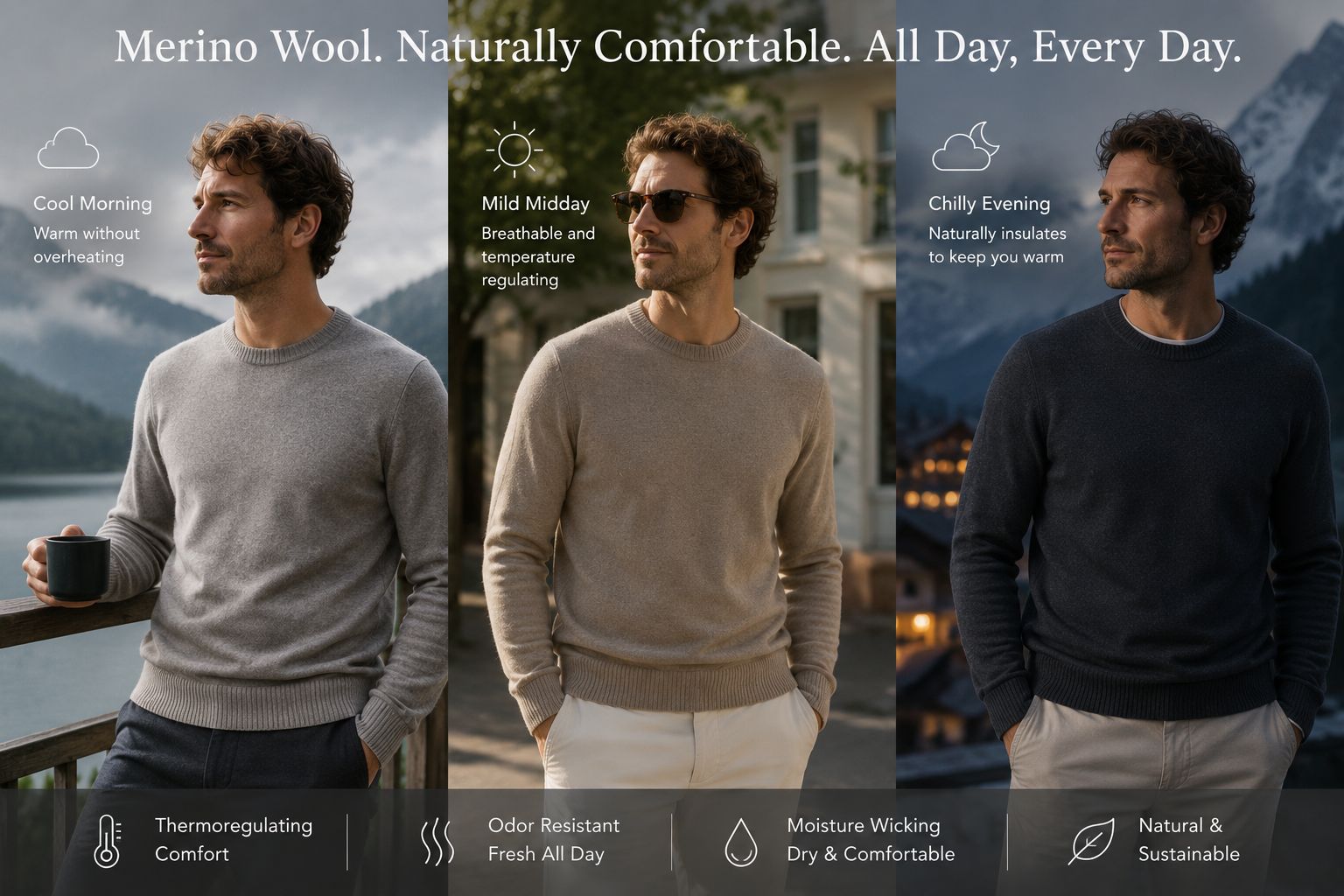
From a product development standpoint, Merino wool solves multiple problems at once. It’s not just a single-benefit material. We choose it because it delivers a complete wearing experience that synthetics struggle to replicate.
A Natural Performance System
Merino is a brilliant temperature regulator. The fiber's natural crimp traps air for insulation when it's cold. When you get warm, its excellent breathability allows heat and moisture vapor to escape, keeping you from overheating. It can also absorb up to 30% of its own weight in moisture without feeling damp, wicking sweat away from your skin.
Built-in Odor Resistance and Durability
Another incredible benefit is its natural resistance to odor. The fiber's properties inhibit the growth of bacteria, so you can wear a Merino sweater multiple times before it needs washing. This is something we always highlight to brands. Furthermore, each fiber is like a tiny spring; it can be stretched and bent, but it returns to its original shape. This natural elasticity means our sweaters have excellent shape retention and wrinkle resistance, making them perfect for travel and daily wear.
What are the benefits of 100% merino wool?
You see many sweaters labeled as "Merino blends." This might make you wonder if choosing 100% Merino wool is really worth it, or if a blend is a smarter, more cost-effective choice.
While blends have their place, choosing 100% Merino wool ensures you get the maximum, undiluted benefits of the fiber. You get unparalleled softness, superior temperature regulation, and breathability. It's also a fully renewable and biodegradable material, making it a powerful statement for brands focused on quality and sustainability.
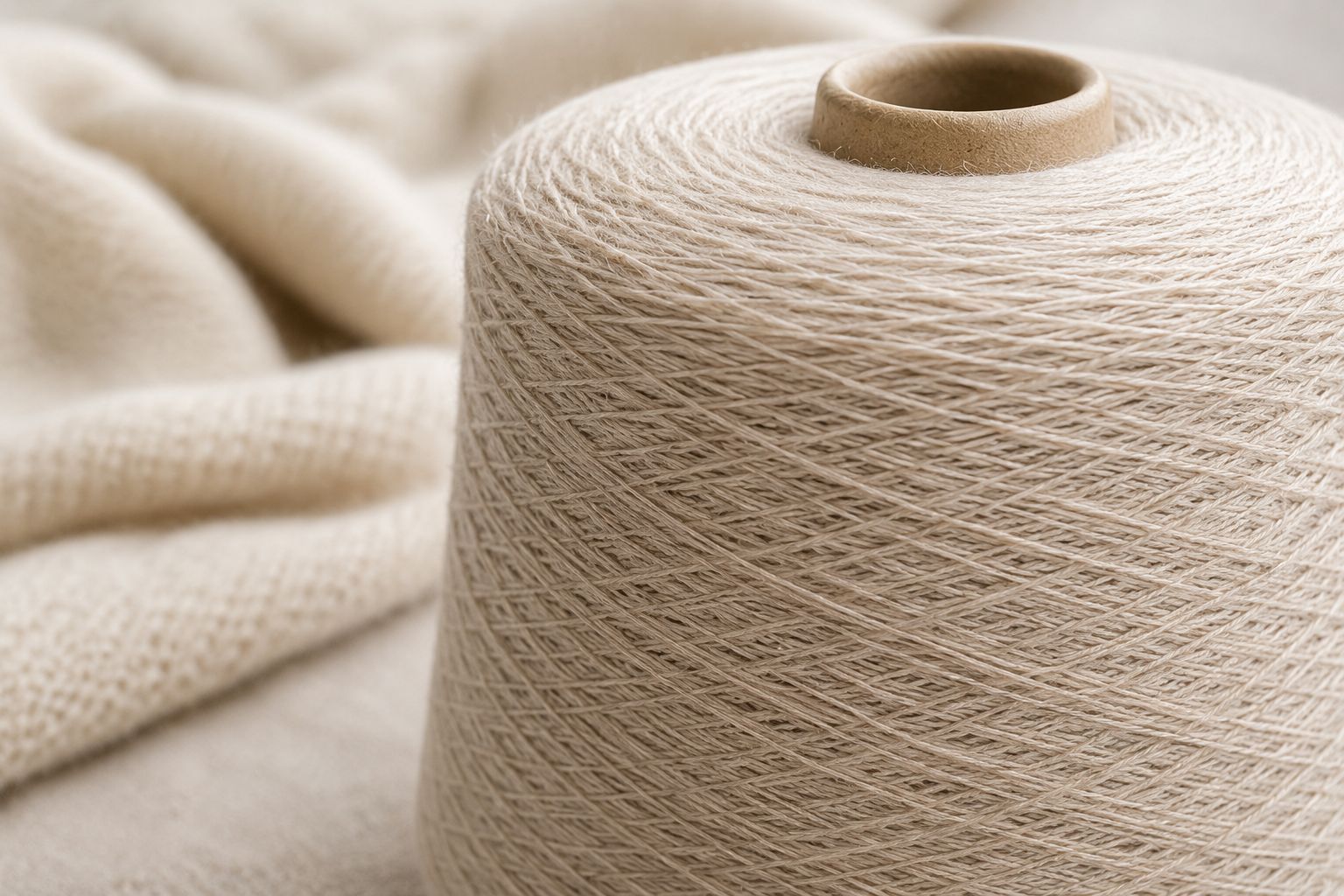
For the brands we partner with, choosing 100% Merino wool is about delivering an uncompromising product. In our development process, we don't just aim for "soft." We create a balanced garment. Overly soft yarns with low twist can lead to pilling and poor shape retention. Our job is to find the perfect equilibrium between softness, durability, and a beautiful structure. With 100% Merino, we have full control over these variables. We establish strict hand-feel standards—like "Cashmere Touch" or "Natural Resilience"—and use quality control tests for micron, pilling, and dimensional stability to ensure every sweater is consistent. For the end customer, this means a sweater that not only feels amazing on day one but also gets even more comfortable over time as the fibers relax, all while holding its shape. It's a true long-term investment in comfort and style.
Conclusion
Merino wool yarn is a superior fiber defined by its fineness. This quality delivers unmatched softness and natural performance, making it the ideal foundation for premium, comfortable, and long-lasting knitwear.