Your customer buys a beautiful wool sweater, but after one wash, it feels stiff and rough. This feedback is frustrating and can damage your brand's reputation for quality. You need a solution that prevents this from happening.
The stiffness is rarely about the yarn itself. It's about how the wool's natural fibers react to washing and drying. You can soften a stiff wool sweater by using proper care techniques and, more importantly, by making smart choices during the production phase.
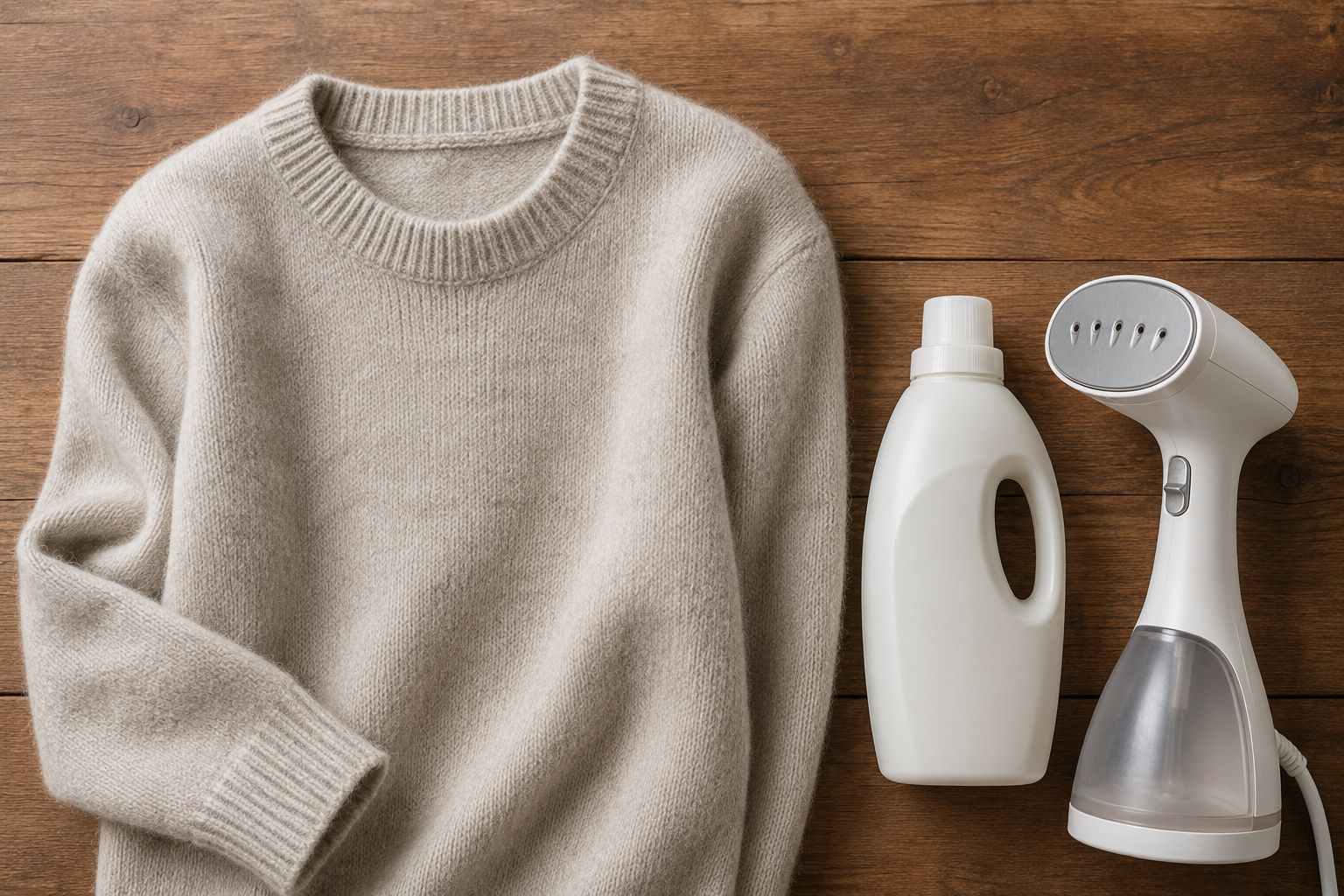
Understanding what causes stiffness is the first step toward creating knitwear that stays soft for a lifetime. When you know the science behind the fiber, you can work with your manufacturing partner to build better products and give your customers the right advice. Let's dive into the details.
Why Is My Wool Sweater Not Soft After Washing?
A customer complains that their new sweater feels rough after washing. This immediately makes them question the quality. The problem is that this experience can lead to negative reviews and returns.
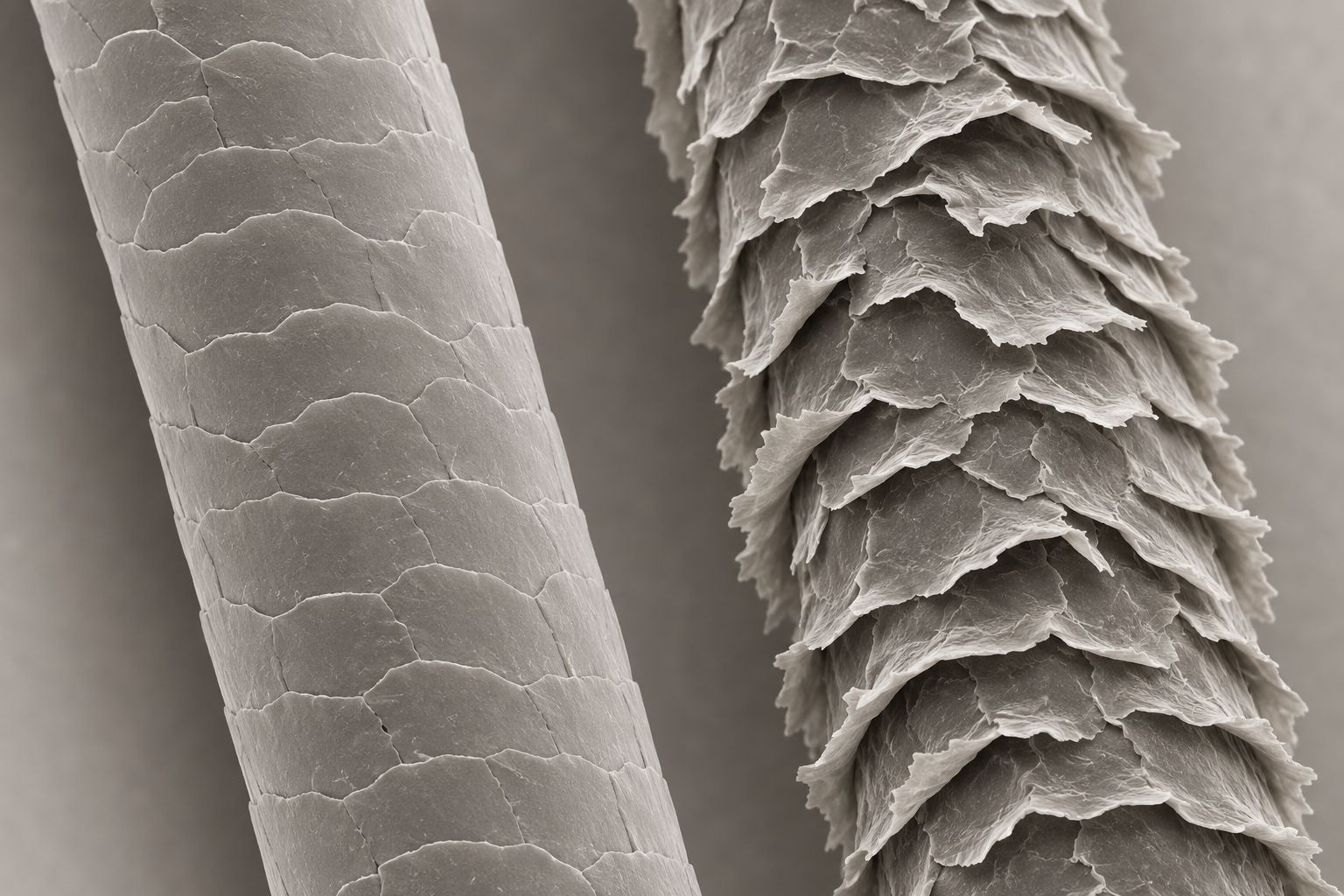
The reason a sweater feels stiff is not because the yarn is "aging" or low quality. Instead, the wool's tiny surface scales have flared up or locked together. This happens when they are exposed to harsh conditions like improper washing, hard water, or high heat.
The good news is that in a well-made sweater, this stiffness is often reversible. The key is to understand what causes it so you can prevent it. It's all about controlling the environment around the fiber. We need to look at the common mistakes that happen during the laundry process.
The Science Behind Wool Fiber Stiffness
Every wool fiber is covered in tiny, overlapping scales, similar to the shingles on a roof. When a sweater feels soft, these scales are lying flat. When it feels stiff or rough, these scales have been disturbed. This can be caused by a few common factors.
Common Causes of Post-Wash Stiffness
We help our partners anticipate these issues during development. The main culprits are almost always related to the washing and drying process.
| Culprit | How It Creates Stiffness |
|---|---|
| High-Agitation Washing | The friction from a machine's tumble cycle forces the wool scales to rub against each other, causing them to interlock and felt. |
| Harsh Detergents | Standard laundry detergents are often too alkaline. They strip the wool of its natural oils (lanolin), leaving the fibers dry, brittle, and rough. |
| Hard Water | Water with high mineral content can leave deposits on the fibers. This builds up over time and creates a stiff, dull texture. |
| High-Heat Drying | A tumble dryer is the enemy of wool. The combination of high heat and friction causes the fibers to shrink and lock together permanently. |
How Can You Make a Stiff Wool Sweater Soft Again?
You have customer returns due to stiffness, or you find that your development samples don't feel right after testing. This is a costly issue that affects your bottom line. You need a reliable method to fix it.
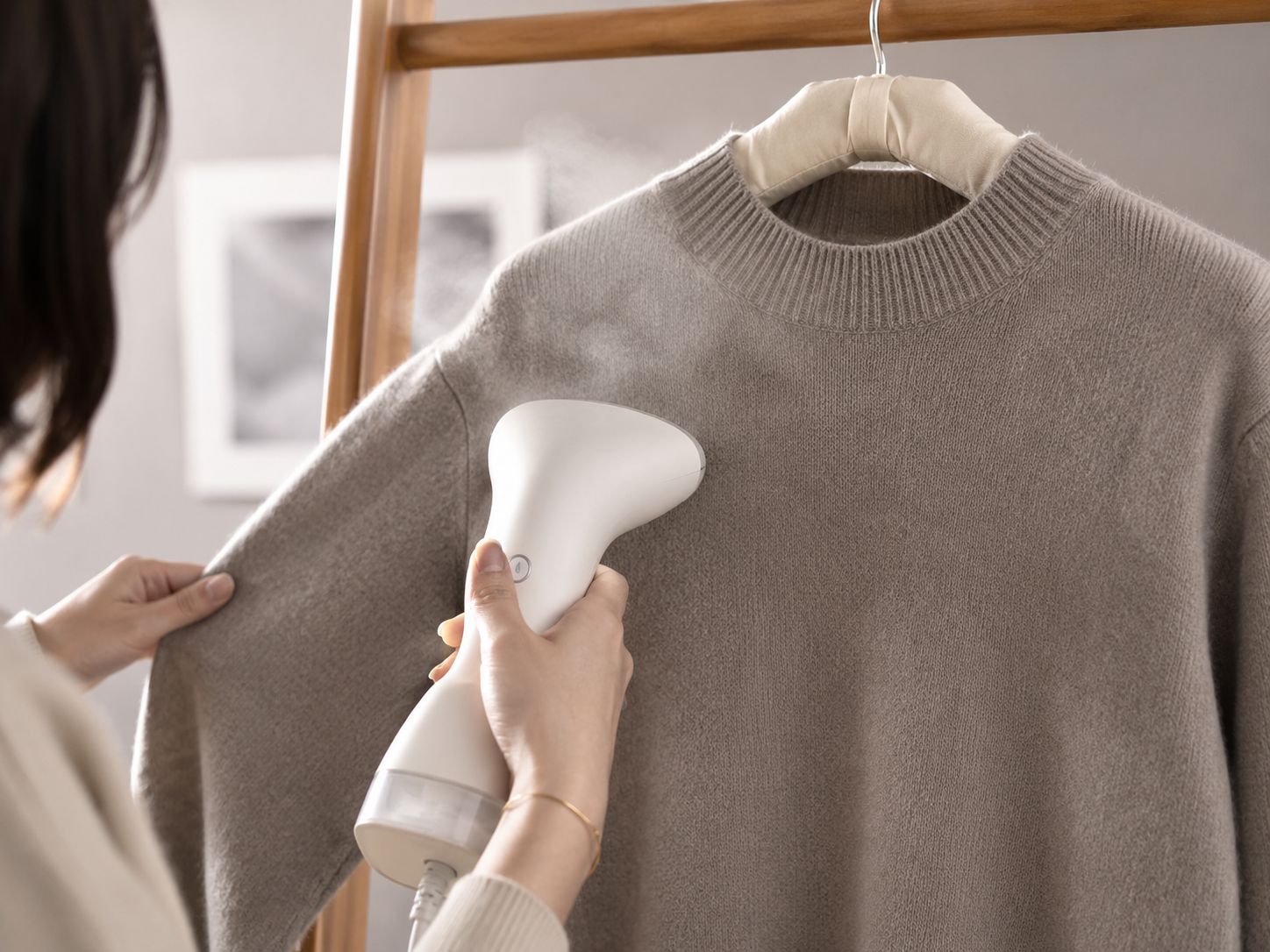
To restore softness, use a pH-neutral wool wash, gently wash in cool water, and avoid agitation. Then, reshape the sweater while it is damp and let it air dry on a flat surface. Using a steamer is also an excellent way to relax the fibers.
While these care steps are effective, the best strategy is prevention. A proactive approach during manufacturing is the most powerful way to ensure softness from the start. This involves making smart choices about everything from the yarn to the final finish.
A Manufacturer's Proactive Approach
As your manufacturing partner, we focus on building softness into the garment. This is where a Softness Standard Operating Procedure (SOP) is crucial for your brand.
- Smart Yarn Selection: It all begins with the fiber. We help you source yarns based on micron count. A lower micron number means a finer, softer fiber. Merino wool, with its low micron count, is far less likely to feel itchy or stiff compared to standard wools.
- Advanced Finishing Techniques: We can apply modern treatments to enhance the hand-feel. An enzyme wash can smooth the fiber surface, while a light silicone finish can add a silky touch. For easy-care collections, Superwash wool is an excellent choice, as its scales have already been treated to prevent felting.
- Controlled Production Methods: Our fully-fashioned knitting process creates each garment piece to its exact shape. This reduces stress on the yarn compared to cut-and-sew methods. We also control the knitting density (gauge), washing formulas, and steam finishing to lock in a consistent, soft feel.
What to Tell Your Customers
Clear care instructions are your best defense against stiffness complaints. Advise customers to avoid using standard fabric softeners. These products coat wool fibers, which blocks their natural ability to breathe and manage moisture. Over time, this buildup actually makes a sweater feel less soft and can harm its natural elasticity.
Does Wool Get Softer Over Time?
Your marketing team wants to know if they can claim your sweaters get softer with wear. This is a common promise, but you worry if it's always true. The answer directly impacts your brand's credibility.
Yes, high-quality wool like fine Merino often gets softer with wear. The initial use and proper washing help the surface fibers relax and settle. However, a sweater made from coarse, lower-grade wool will never become truly soft, as its potential is limited by its raw material.
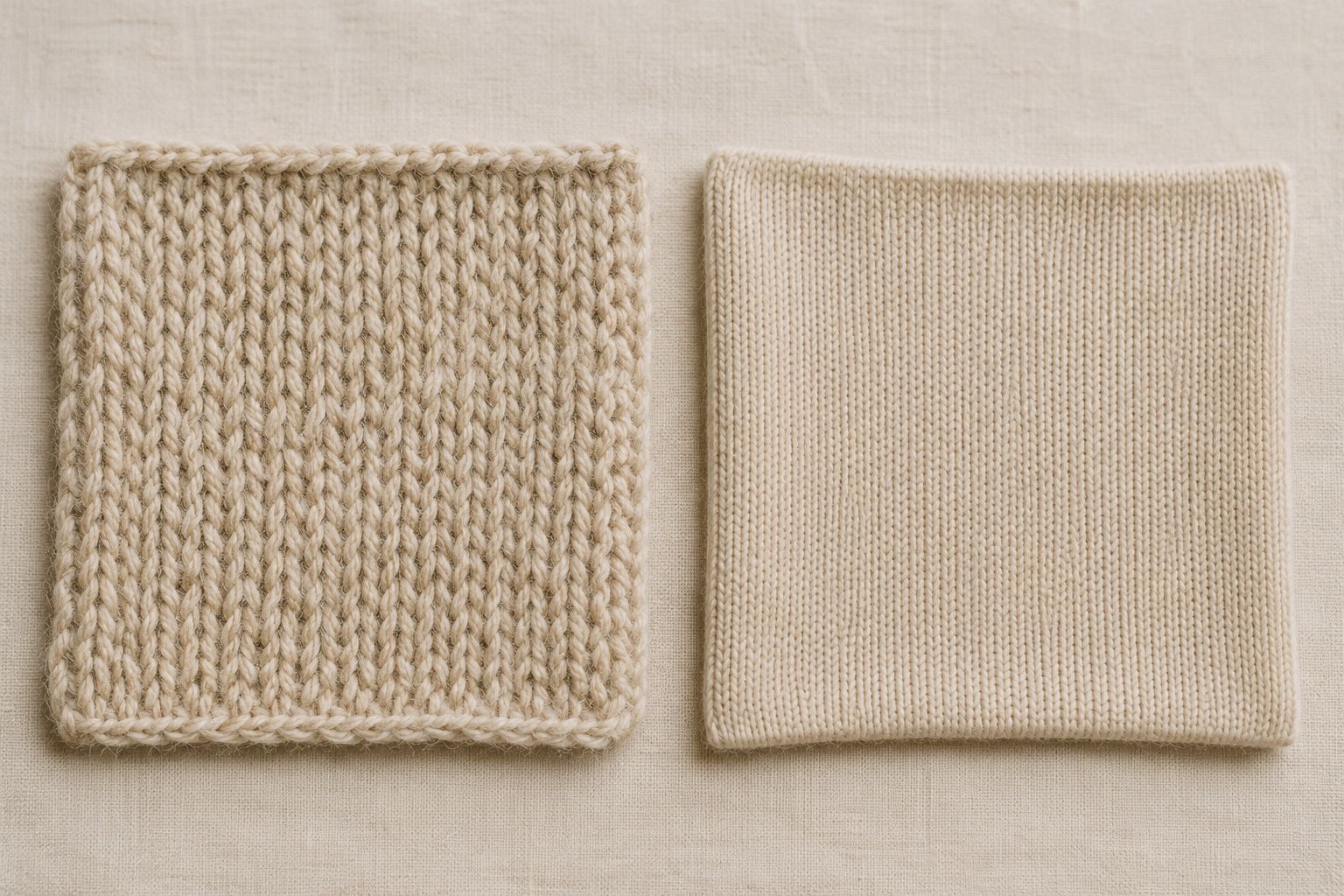
The potential for softness is decided before the sweater is even made. It comes down to the quality of the fiber itself. That is why yarn selection is the most important decision you will make.
The Deciding Factor: Fiber Micron
A fiber's diameter is measured in microns. The lower the micron number, the finer and softer the fiber. This single factor determines the ceiling for a sweater's softness. No amount of washing or wearing can make a coarse fiber feel like a fine one.
| Wool Type | Typical Micron | Softness Potential & Feel |
|---|---|---|
| Fine Merino Wool | 15 - 19.5 microns | Very soft and flexible, feels gentle on skin. Often softens more over time. |
| Standard Wool | > 25 microns | Can feel stiff and prickly. Its softness is limited and will not improve much. |
The Balance Between Softness and Durability
It's also important to know that extreme softness can sometimes come at a price. A yarn that is spun to be incredibly soft might have less structure, making it more prone to pilling or shedding. As a premium brand, your goal is to find the perfect balance. You want a sweater that offers luxurious softness, resilient springiness, and the durability to last for years. This is the mark of true quality.
Conclusion
A stiff wool sweater is a preventable problem. By selecting fine-micron yarns, using controlled manufacturing processes, and providing clear care instructions, you can deliver knitwear that stays soft and builds lasting customer trust.