As a Product Development Manager, you know that a brand’s identity is built on more than just a well-sewn label. It’s woven into the very fabric of the garment. The final branding touch is only as powerful as the quality it represents. For premium menswear, few things can undermine brand perception faster than a knitwear piece that fails to perform. A common, and often misunderstood, challenge is wool shedding.
We understand your daily reality: balancing creative vision with technical feasibility, managing tight calendars, and ensuring every garment meets the highest standards of quality and craftsmanship. When a customer complains about excessive shedding, it reflects not just on the sweater, but on the entire brand promise.
This guide moves beyond the label to address a core aspect of knitwear quality. As your manufacturing partner, we believe that proactively managing issues like fiber shedding is fundamental to building a brand known for lasting value. Let’s explore how to stop wool sweater shedding from a development and production perspective.
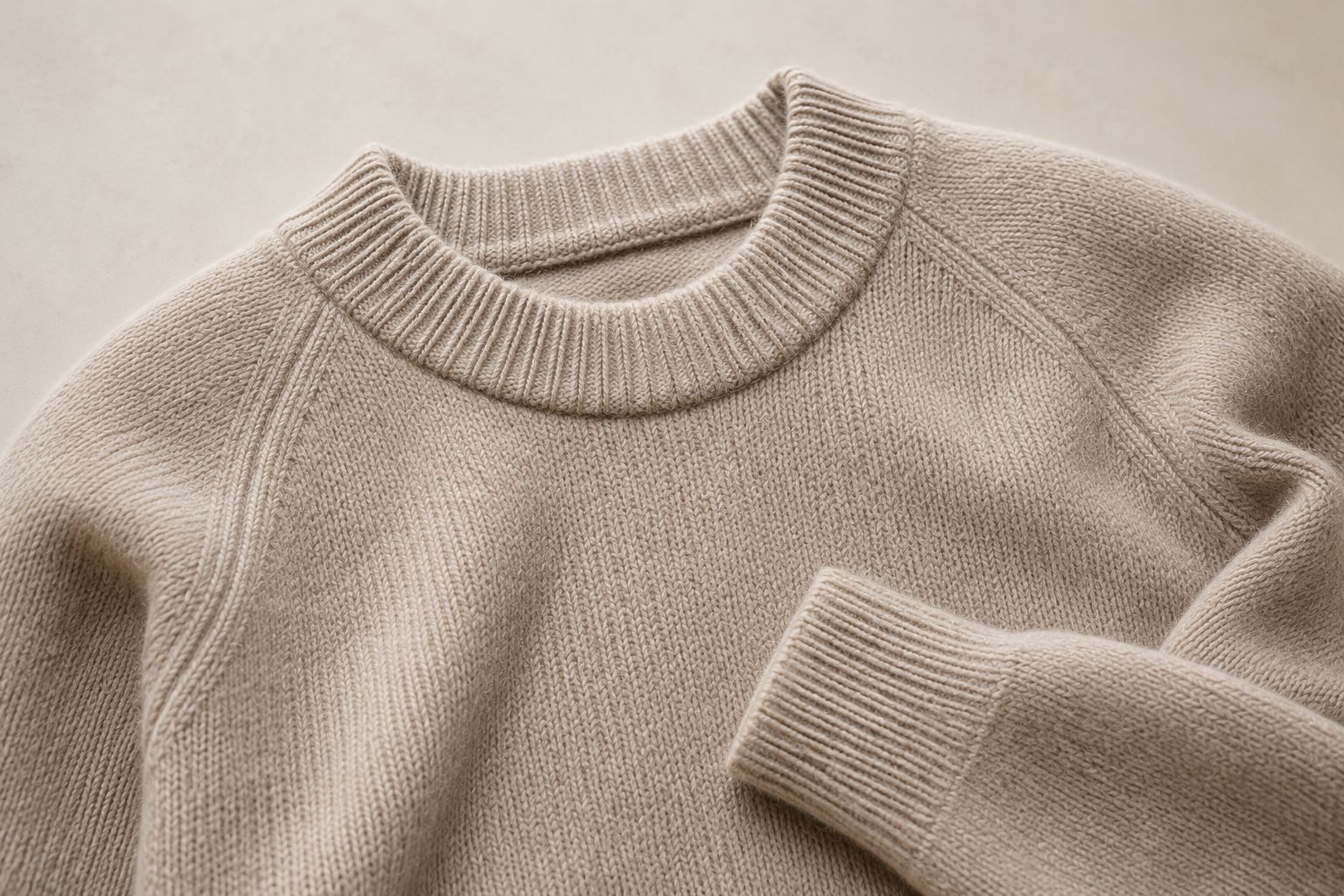
Does 100% Wool Shed?
Yes, but shedding isn't automatically a sign of poor quality. It's a natural process where loose, short fibers present in the yarn gradually detach during wear, friction, or washing.
A new sweater releasing some residual surface fibers during its first few wears or after the first wash is perfectly normal. However, persistent, heavy shedding can point to issues with fiber quality, yarn construction, or finishing processes, and requires a nuanced assessment beyond just the material itself.
For a product manager like you, Oliver, distinguishing between normal and problematic shedding is key. The degree of shedding is influenced by a combination of factors we can control during development:
- Fiber Length & Fineness: Yarns made from Long Staple Wool have better fiber cohesion and shed significantly less than those from Short Staple Wool.
- Yarn Construction: The twist and ply of the yarn play a critical role. A loosely twisted yarn feels softer but will also release fibers more easily.
- Wool Type: Different wools offer a trade-off between softness and durability. Ultra-soft fibers like cashmere or some lambswool may have a higher propensity to shed compared to robust Merino wool, which we can engineer for greater stability.
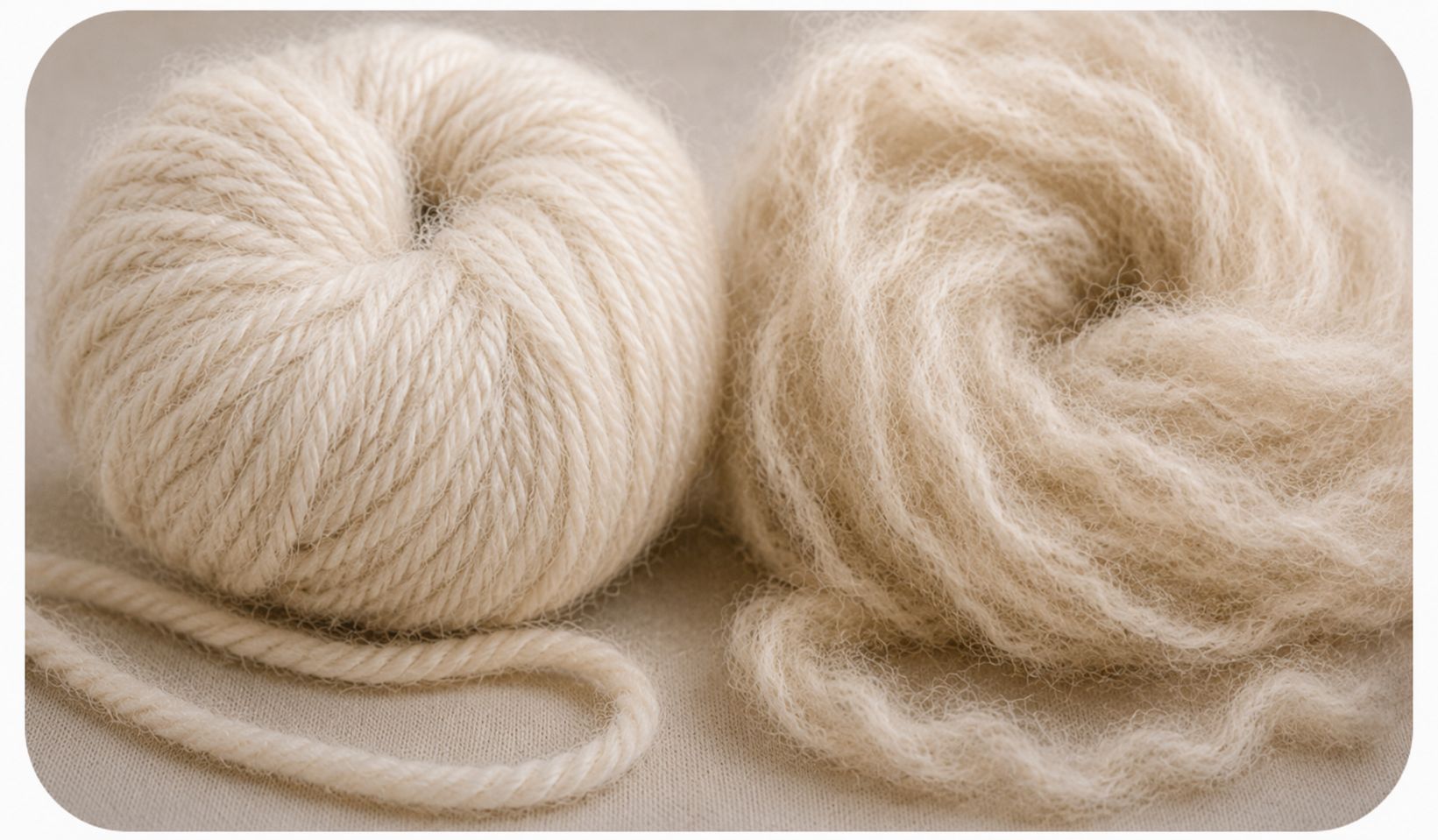
During development, we partner with you to navigate these variables, selecting the right fiber and yarn structure to achieve your desired hand-feel while engineering for minimal shedding.
How to Stop Wool Fabric from Shedding?
You’re reviewing prototypes and a sample seems to be shedding more than expected. Your first instinct might be to look for a care solution, but the most effective fix starts long before the garment is even made.
To truly control shedding, you must build stability into the product from the development stage. This involves strategic yarn selection, optimized knitting and finishing processes, and rigorous quality control, rather than relying solely on post-purchase consumer care.
This two-pronged approach—proactive production strategies and clear consumer education—is the most effective way to manage shedding.
1. A Manufacturer’s Approach: Engineering for Stability
As a Product Development Manager, your greatest leverage is in the development phase. Partnering with a technically proficient manufacturer allows you to build quality in from the start.
- Strategic Yarn Development: It begins with Fiber Selection. We prioritize long-staple fibers and can source specialized Anti-pilling Yarns engineered for higher resistance to both pilling and shedding. Controlling the Yarn Twist and Ply is a delicate balance—we work with you to find the sweet spot that delivers a refined texture without compromising yarn integrity.
- Optimized Knitting & Finishing: Our Fully-Fashioned Knitwear construction creates more stable panels with less stress on the yarn compared to cut-and-sew, reducing weak points. Furthermore, finishing processes like Brushing or Raising, which create a softer surface, must be precisely controlled to avoid weakening the yarn structure.
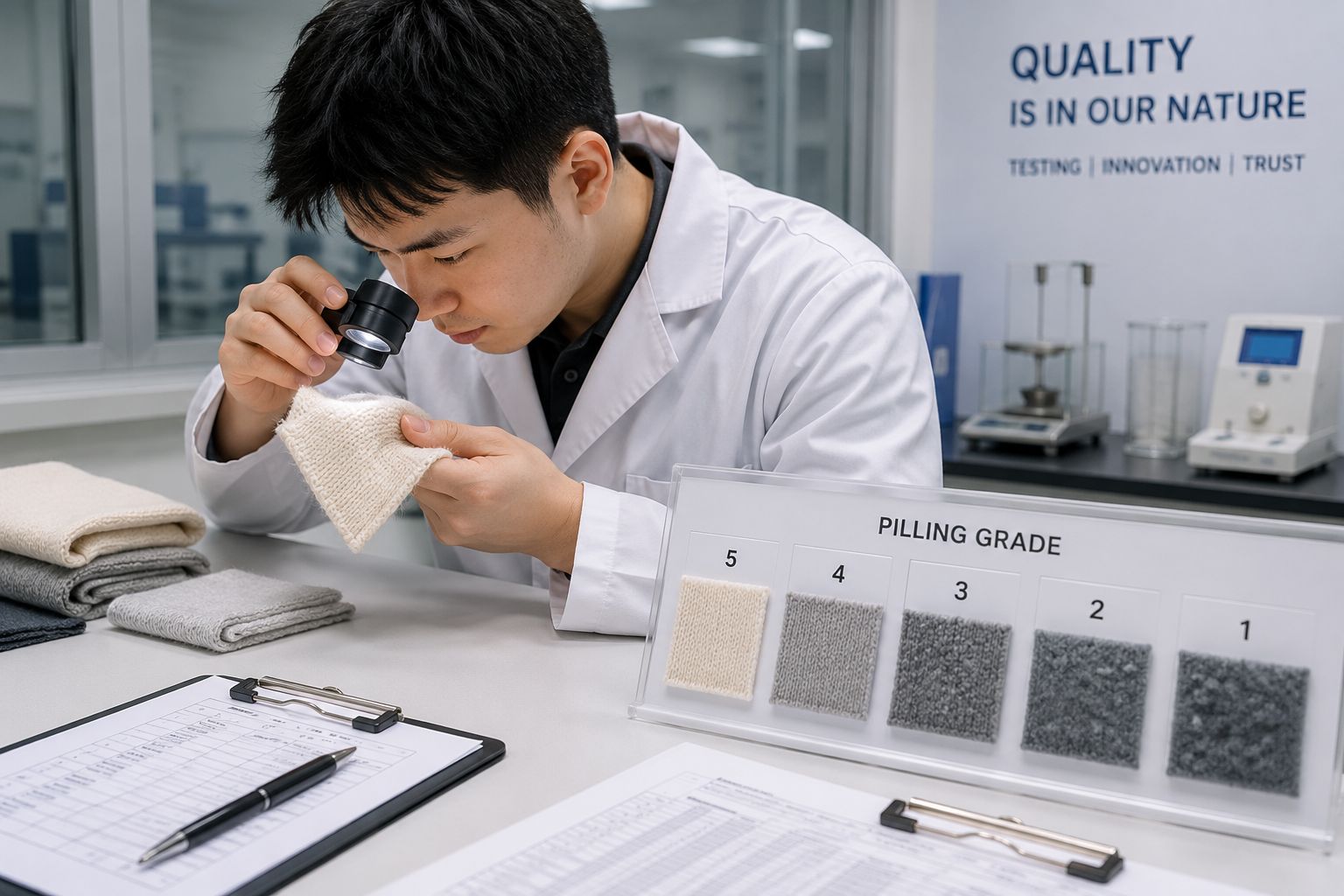
- Rigorous Quality Control: This is non-negotiable. Our comprehensive QC system includes Washing Tests and Fiber Shedding Tests during prototyping. For bulk production, our strict AQL inspection system ensures every batch meets the pre-defined standards, providing you with the reliable quality consistency your brand depends on.
2. A Brand’s Approach: Consumer Education
Many common consumer "fixes"—like using harsh brushes or repeated aggressive washing—can actually damage the garment’s fibers and worsen the problem. By providing clear care instructions, you empower customers and protect your brand's reputation. Advise them to use a gentle, wool-specific detergent, wash cool, and always lay flat to dry.
Does Wool Ever Stop Shedding?
A customer emails, worried that their new sweater won't stop shedding. They love the design but are concerned about the quality. Understanding what to tell them is crucial for brand trust.
Yes, initial shedding of surface fibers should subside after the first few wears and a gentle wash. If a sweater continues to shed heavily, it indicates an underlying issue. It is also important to differentiate between shedding and other related phenomena to address feedback accurately.
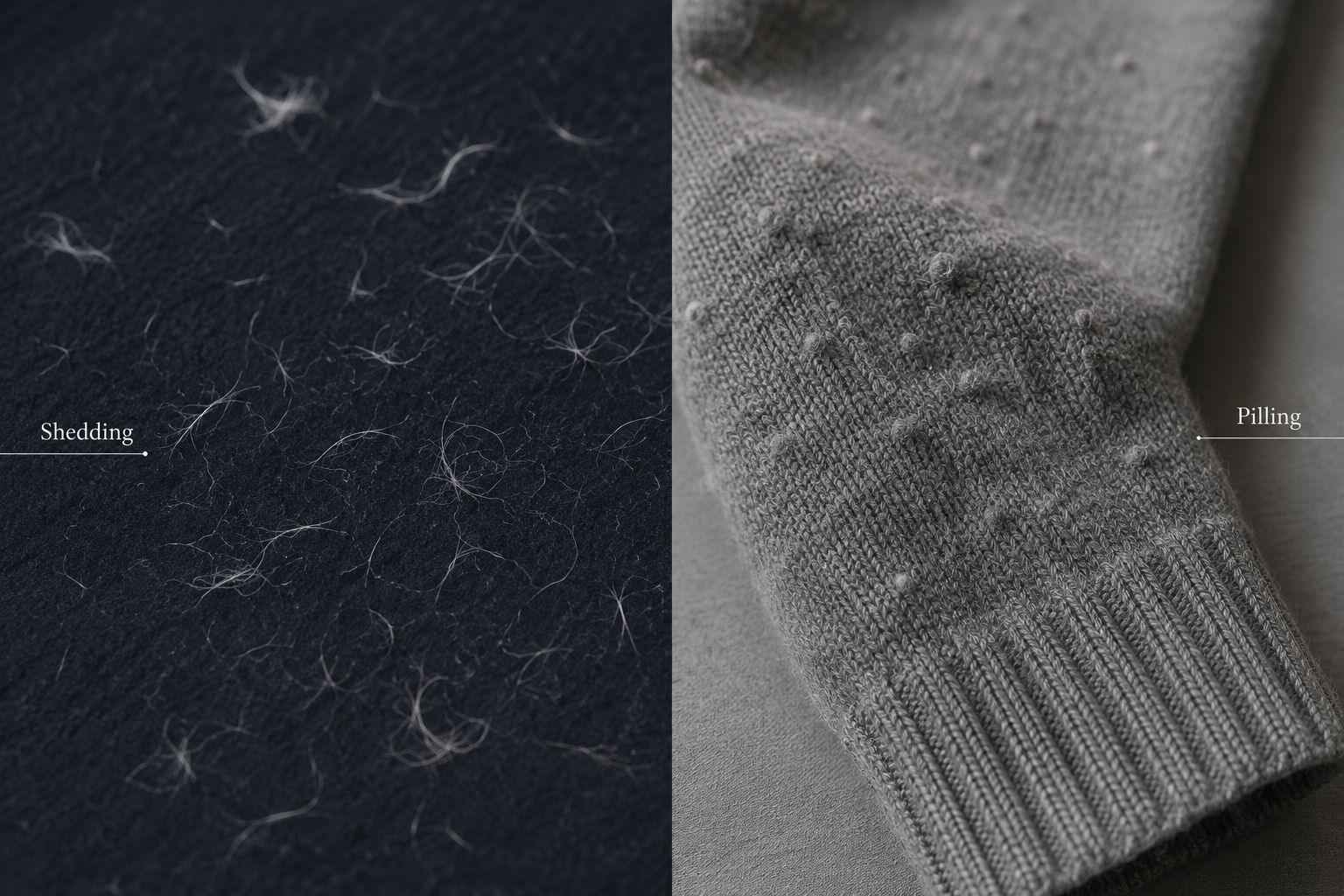
To handle these situations correctly, it's helpful to clarify the terms, both for your internal team and for customer service:
| Term | Description |
|---|---|
| Shedding | Loose, unattached fibers falling from the yarn. Common in new products. |
| Pilling | Tangled balls of broken fibers that form on the fabric surface due to friction. |
| Lint | General fiber debris from various sources that clings to a garment’s surface. |
| Fiber Loss | The umbrella term for any loss of fiber, including shedding and pilling. |
A high-quality wool garment is not about achieving "zero shedding." It’s about achieving a sophisticated balance between softness, comfort, fiber stability, and durability. By establishing a robust development and quality control framework—from Fiber Selection to final AQL reports—brands can drastically minimize shedding and deliver a product that performs as beautifully as it looks.
Conclusion
The trust your label conveys is earned through every detail of the garment's life. As a manufacturing partner, our philosophy is simple: to make fashion manufacturing easier, faster, and more sustainable by building lasting quality into every sweater, ensuring your brand’s reputation is as durable as the knitwear you create.