I have worked with wool sweaters for many years, and I often hear one worried question from buyers and customers: how to stop wool sweater from shedding? I understand this worry. A customer may buy a soft wool sweater, wear it once, and see loose fibers on a coat, shirt, or chair. The customer may think the sweater has poor quality. The brand may then receive a complaint, even when the shedding is light and normal for a soft natural fiber.
I always explain this problem from a manufacturer’s view. Wool sweater shedding is the movement and loss of fibers from the yarn surface during rubbing, wearing, and washing. It is not always a defect. Light shedding can appear in soft wool, merino wool, cashmere, and other luxury yarns. These fibers often feel soft because the surface is gentle and lofty. Yet long-term heavy shedding is different. It may point to a weak yarn structure, a high short-fiber content, loose twist, poor ply balance, or not enough finishing control.
I use a simple AIDA path when I explain this to brands. I first get attention by showing loose fibers on a dark fabric after a new sweater is worn. I build interest by explaining fiber length, yarn twist, ply, and finishing. I create desire by showing how better development can reduce complaints and protect the luxury feeling. I guide action by giving clear care advice and by helping the brand set better testing standards before bulk production.
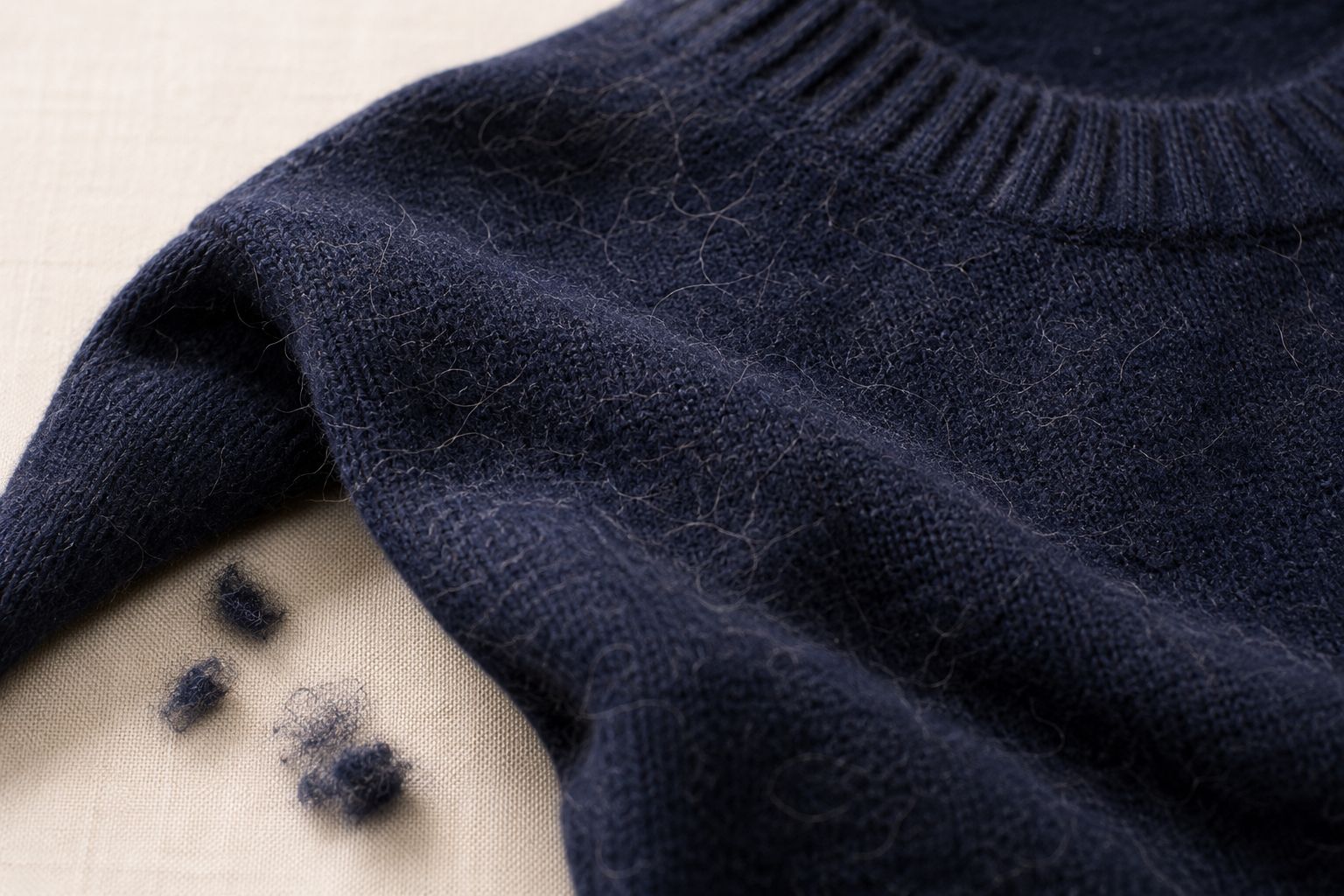
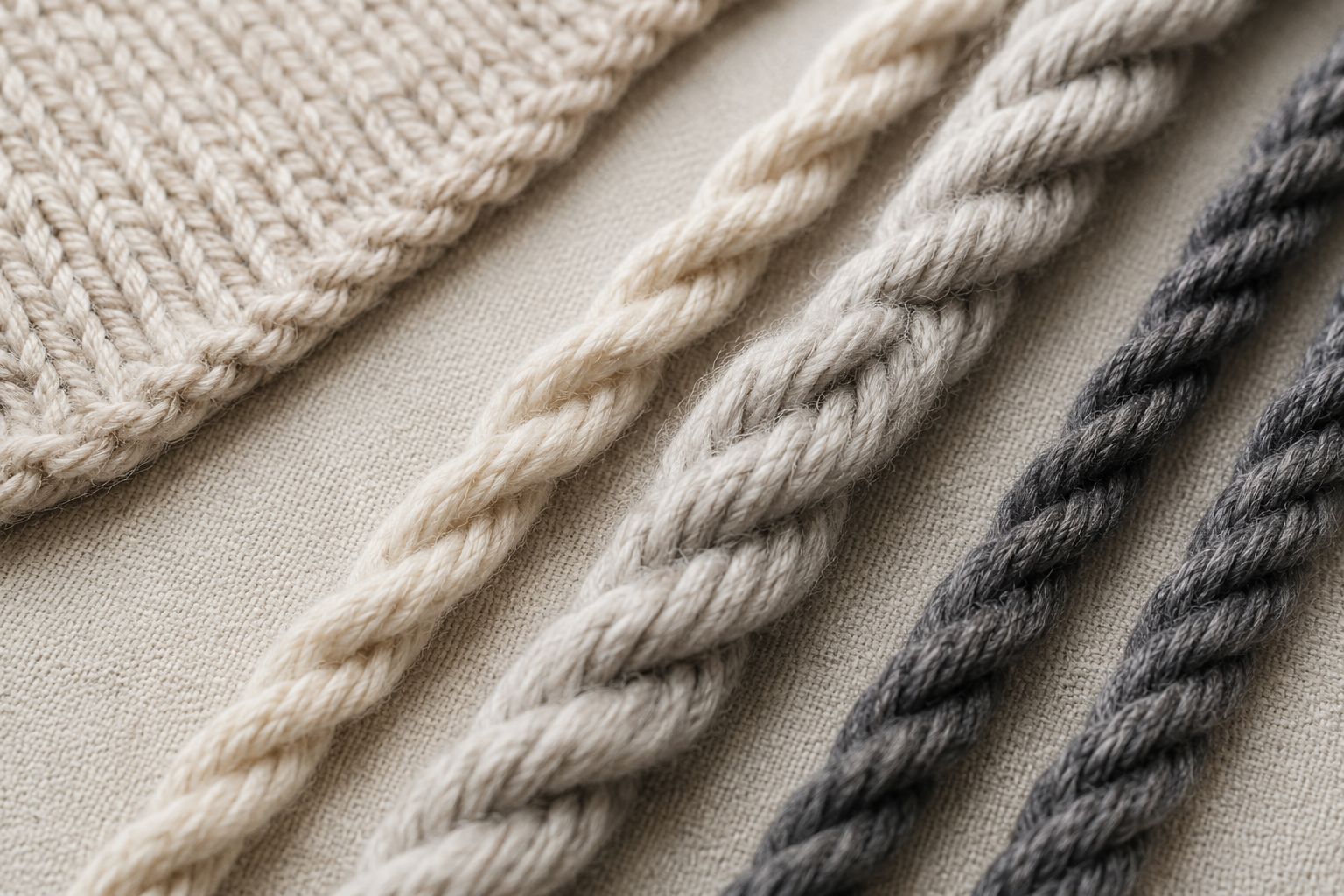
The key point is that shedding starts at the yarn surface. Wool fibers have a natural scale structure. During friction, some fibers can move outward. Short fibers are easier to loosen than long fibers. A yarn with stronger twist and better ply structure usually holds fibers more tightly. A yarn with very low twist may feel soft and fluffy, but it may also release more fibers during wear. This is why I never judge shedding only by the raw material name. I look at the whole yarn system.
This is also a PAS problem. The problem is that many consumers think any shedding means low quality. The pain is that they may over-clean the sweater, rub it hard, or return it too quickly. The solution is to explain what is normal, what is not normal, and how to care for the sweater. For brands, the solution also includes yarn testing, anti-pilling finishing, and clear after-sales education.
| Factor I Check | How It Affects Shedding | What I Prefer |
|---|---|---|
| Fiber Length | Short fibers leave the yarn more easily. | I prefer better fiber length control for premium sweaters. |
| Yarn Twist | Loose twist can feel soft but may shed more. | I use balanced twist for softness and stability. |
| Ply Structure | Better ply can improve fiber holding power. | I choose ply based on garment use and target hand feel. |
| Knit Density | Loose structures can allow more surface movement. | I adjust gauge and stitch density for stability. |
| Finishing | Poor finishing may leave more loose surface fibers. | I use controlled washing, softening, and stabilization. |
| Care Method | Heat and friction can increase fiber loss. | I recommend cool water, low friction, and flat drying. |
Is It Normal for Wool to Shed?
Yes, wool can shed a little. I see light shedding as normal in many soft natural yarns, especially in new sweaters or lofty luxury styles. A brushed wool sweater, a soft merino sweater, or a cashmere sweater may release some loose surface fibers during early wear. This does not always mean the sweater is poorly made. It may only mean that loose fibers on the surface are coming away.
Yet I do not treat all shedding as normal. If a sweater keeps shedding heavily after several wears and gentle care, I would look deeper. I would check the yarn quality. I would check whether the fibers are too short. I would check the twist and ply. I would also review the finishing process. Heavy shedding can reduce the clean look of the garment and harm the customer’s trust.
Dive Deeper: I often explain shedding by comparing short fibers and long fibers. Long fibers can sit more securely inside the yarn. Short fibers have less holding length, so they can move out more easily when the sweater rubs against a coat, bag, table edge, or seat belt. Wool’s scale structure can also help fibers catch and migrate during friction. This is why yarn engineering matters so much. A soft yarn is not only about luxury touch. It must also have enough structure to hold fibers together. Yarn twist is one of the main controls. If the twist is too low, the yarn can feel airy and soft, but it may lose surface fibers faster. If the twist is too high, the yarn may feel stronger, but it can become too firm for premium knitwear. Ply also matters. A well-balanced two-ply or multi-ply yarn can improve strength and surface stability. In development, I try to find the right balance. I want softness, but I also want the sweater to survive real wear.
For brands, this means that “soft” should not be the only approval standard. I need to check how the swatch behaves after rubbing, washing, and drying. A sample that feels beautiful for five seconds may still create problems if the yarn sheds too much in daily use.
How to Stop Wool Fabric from Shedding?
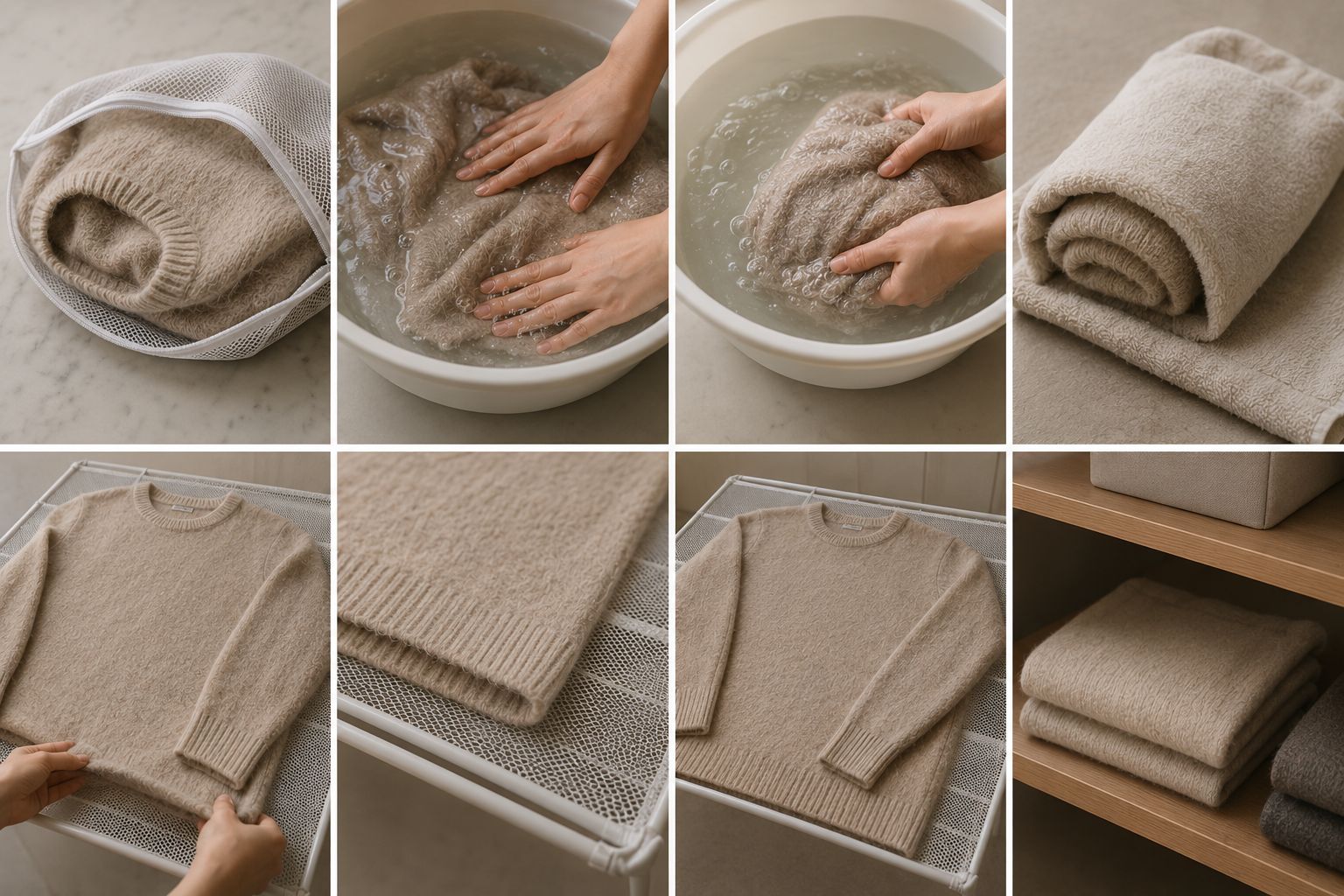
I do not promise that wool shedding can be stopped completely. Wool is a natural fiber, and some loose surface fibers may come away. Yet I can reduce shedding a lot with the right care. I always start with low friction. I wash wool gently. I use cool water. I use a mild wool detergent. I avoid strong rubbing, twisting, and high-speed machine action.
I also avoid heat. High-temperature washing and frequent tumble drying can stress wool fibers. They can make fibers break, loosen, or felt. After washing, I press out water with a towel. I reshape the sweater by hand. Then I dry it flat. I do not hang it wet because wet wool is heavier and can stretch. I also reduce long rubbing against rough surfaces, heavy bags, and coarse outerwear.
Dive Deeper: I see many customers make shedding worse while trying to fix it. They may use a sticky roller again and again. They may rub the sweater hard with a brush. They may machine wash it often because they think washing will remove all loose fibers. These actions can create more friction and pull out even more fibers. A fabric shaver or sweater comb can help with pills, but it must be used carefully. It should not be used as a rough cleaning tool for every loose fiber. Strong detergent is another problem. A harsh detergent can make the fiber surface dry and weak. High heat can also damage wool structure and increase fiber breakage. My care advice is simple. I let the sweater rest between wears. I air it instead of washing it too often. I wash only when needed. I use cool water, low movement, and wool-safe detergent. I dry flat on a clean towel. I store the sweater folded. These steps may look basic, but they protect the yarn surface and reduce fiber loss over time.
For brands, this care message should be written clearly. A simple care label is not always enough. I like when brands add a care card, product page instructions, and after-sales guidance. This helps customers understand that careful care is part of owning premium wool knitwear.
Is Anti-Pilling Yarn Worth It?
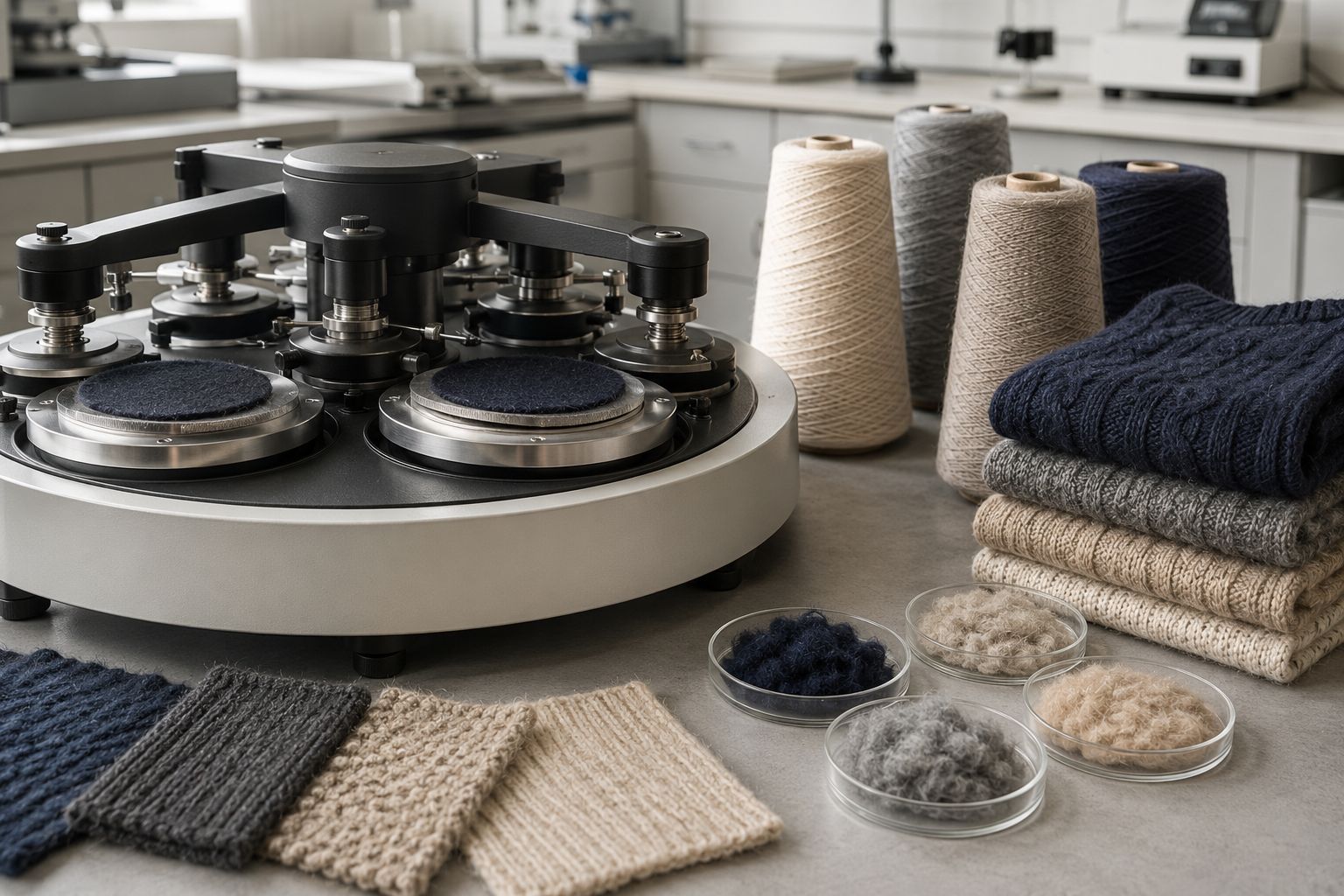
Yes, anti-pilling yarn can be worth it when the product needs better surface stability. Anti-pilling yarn and low-shedding yarn can reduce fiber loss and surface fuzz. They can help a sweater look cleaner after wear. They can also help brands reduce complaints about pilling and shedding. Yet I do not choose anti-pilling yarn blindly.
There is always a balance. If I make the yarn too stable or too firm, the sweater may lose its soft, lofty, luxury hand feel. Some high-end customers expect natural softness and volume. If the yarn feels too hard, the product may not match the brand image. So I always compare softness, durability, pilling risk, shedding risk, and price before I make a recommendation.
Dive Deeper: In manufacturing, anti-pilling performance is not one single choice. It comes from fiber selection, yarn twist, ply, finishing, stitch density, and testing. Anti-pilling finishing can help reduce loose surface fibers, but it must be controlled. Too much treatment can change the natural touch. Fully-fashioned knitwear can also help because the garment panels are shaped during knitting. This can reduce cutting waste and lower the risk of yarn damage that may happen in some cut-and-sew methods. It can also create cleaner seams and better tension balance. Gauge also affects shedding. A fine and dense gauge can often hold the structure better. A loose, chunky gauge may feel soft and warm, but the surface can move more. I also use lab testing to reduce risk. Fiber shedding tests can show how much fiber is released during friction. Martindale testing can help review abrasion and pilling behavior. These tests do not replace real wear experience, but they help brands make better choices before bulk production. I prefer to find problems in swatches and samples, not after the product reaches the store.
For a premium brand, anti-pilling yarn is worth considering when the target customer expects a cleaner surface and longer wear. It is also useful for high-frequency styles, travel sweaters, office knits, and products worn under coats. Yet for very soft luxury pieces, I may suggest a balanced approach instead of the strongest possible anti-pilling option.
I also think brands should explain shedding honestly. If a sweater is made from very soft natural fibers, I would not say it will never shed. I would say light shedding can happen at first and can be reduced with proper care. This statement is more truthful. It also helps customers understand the material better.
From a development point of view, I would build shedding control into the process. I would check yarn quality first. I would review fiber length, twist, and ply. I would test different gauges. I would choose finishing carefully. I would run shedding and pilling tests when needed. I would also write care instructions in plain language. This complete process is better than relying on one anti-pilling label.
This is the final PAS issue I see with many brands. The problem is not only shedding. The problem is poor expectation management. The pain is returns, bad reviews, and customer frustration. The solution is better yarn control, better testing, better finishing, and better education. When these parts work together, shedding becomes manageable instead of damaging.
Conclusion
I see wool sweater shedding as a natural fiber issue that can be controlled, but not always removed completely. If someone asks me how to stop wool sweater from shedding, I give two answers. For consumers, I recommend cool water, low friction washing, wool detergent, flat drying, less rubbing, and careful storage. For brands, I recommend better yarn development, balanced twist and ply, controlled finishing, fully-fashioned construction, shedding tests, Martindale review, and clear care education.
Light shedding in soft wool, merino wool, or cashmere is not always a quality defect. It can be part of the first wearing stage of a soft natural yarn. Yet heavy and long-term shedding should be checked carefully. It may come from short fibers, weak yarn structure, poor finishing, or harsh care.
As a manufacturer, I believe the best result comes from balance. I want a sweater to feel soft, warm, and premium. I also want it to stay clean, stable, and wearable after real use. This balance comes from yarn care, structure control, testing, finishing, and honest communication. That is how I help brands reduce shedding while keeping the natural luxury feeling of wool knitwear.