I have worked with wool knitwear for many years, and I often hear one practical question from brand teams and customers: does wool absorb sweat? I understand why this question matters. A sweater may look soft and refined, but the real test starts when the wearer moves, travels, sits in a warm office, or walks outside in cold air. If the garment feels sticky, damp, or heavy, the customer will not remember the fiber story. The customer will only remember the discomfort.
I usually explain wool moisture management in a simple way. Wool does not handle sweat in the same way cotton does. Wool is better at absorbing moisture vapor into the fiber core. This means it can take in the humidity around the body while the surface can still feel relatively dry. That is why a good merino wool sweater can feel comfortable during light sweating, indoor-outdoor temperature changes, and long daily wear.
I also use a clear AIDA path when I explain this to brands. I first get attention by asking how a sweater feels after a full day of wear. I build interest by explaining the difference between sweat, moisture vapor, wicking, and breathability. I create desire by showing how merino wool can improve comfort in premium knitwear. I guide action by helping the brand choose the right yarn, gauge, structure, finishing, and care message.
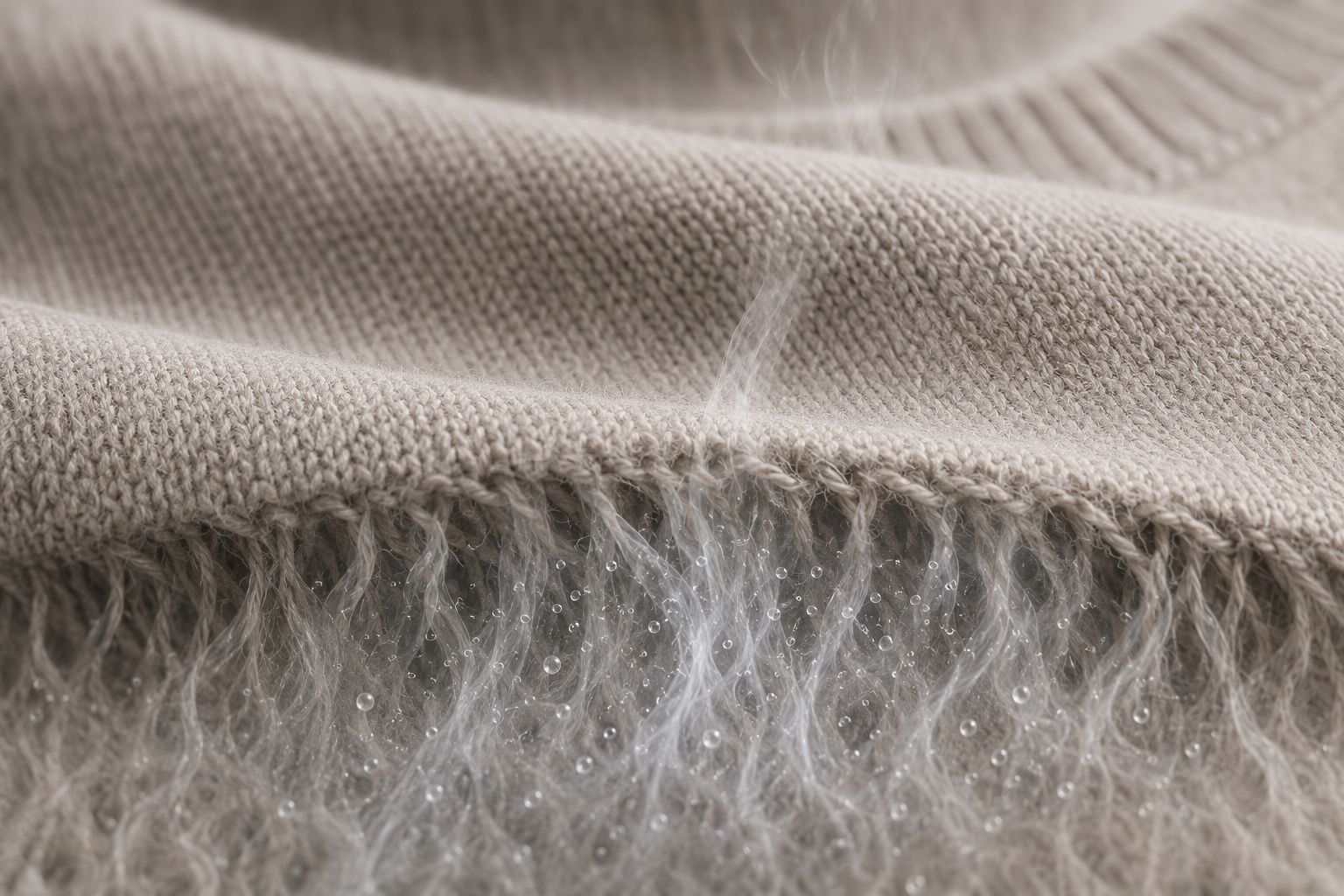
The most important point is this. Wool can absorb moisture, but it should not be described like a sponge. It does not simply soak up liquid sweat and hold it on the surface. Wool can take moisture vapor into the fiber. This helps buffer humidity around the body. In light sweating conditions, the wearer may feel less damp than expected. This is one reason merino wool is used in premium sweaters, base layers, travel knitwear, and trans-seasonal garments.
This is where the PAS problem often appears. The problem is that many people mix up absorption, wicking, and breathability. The pain is that brands may overpromise the wrong benefit. A customer may expect wool to behave like a synthetic sports fabric, or like cotton. Then the customer may feel confused. The solution is to explain wool honestly. Wool helps manage moisture and comfort, but the final result depends on fiber, yarn, knit structure, garment weight, and care.
| Moisture Term | What It Means | How I Explain It in Knitwear |
|---|---|---|
| Absorption | The fiber takes in moisture. | Wool can absorb moisture vapor into the fiber core. |
| Wicking | Liquid sweat moves across the fabric surface. | A good knit structure can help moisture spread and evaporate. |
| Breathability | Air and vapor move through the fabric. | Gauge, stitch density, and garment weight affect airflow. |
| Moisture Buffering | The fabric helps manage changes in humidity. | Merino wool can reduce the damp feeling during light sweating. |
| Dry Comfort | The garment feels less wet against the skin. | Wool can feel comfortable when slightly damp if the structure is right. |
Can Wool Absorb Moisture?
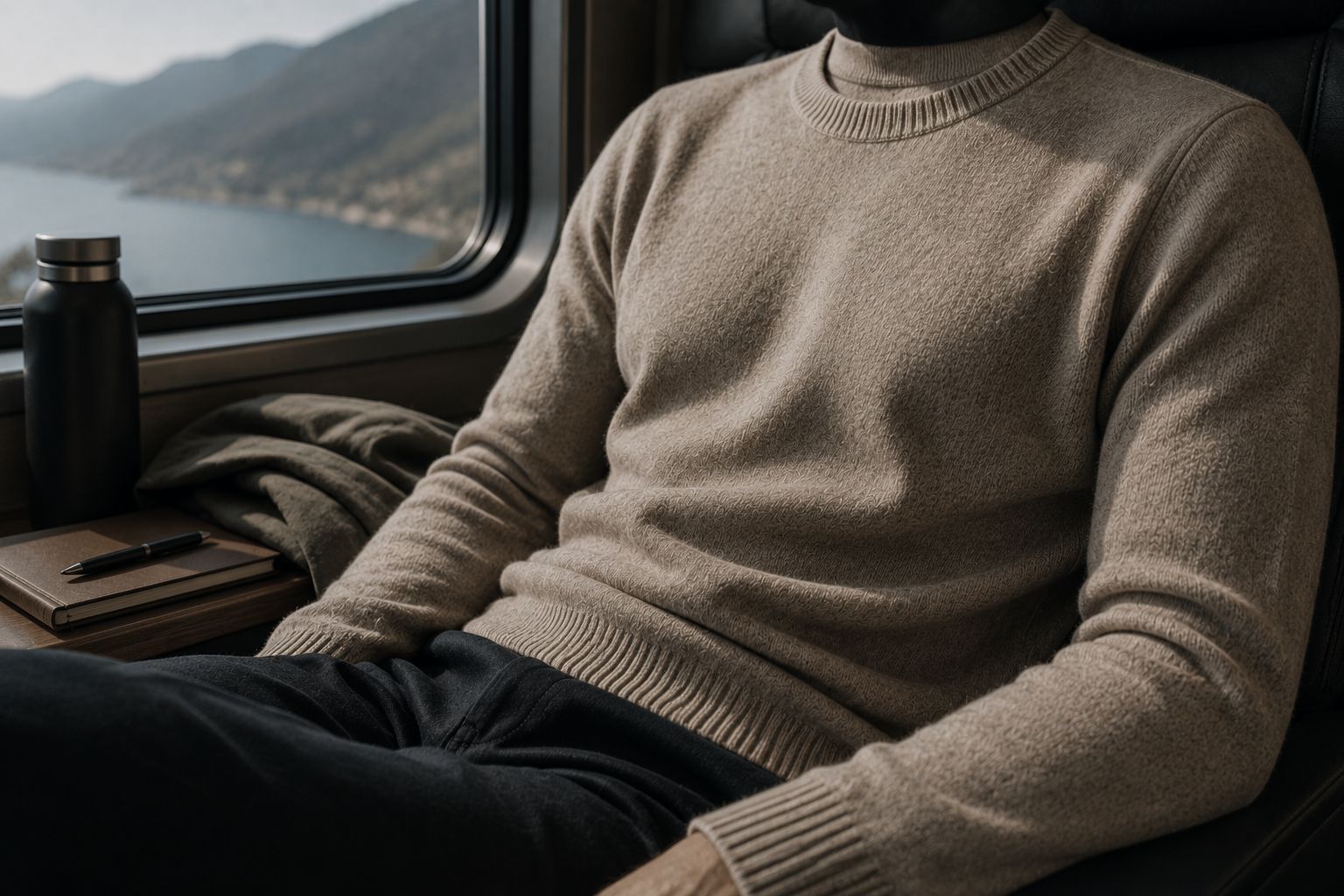
Yes, wool can absorb moisture. More precisely, wool can absorb moisture vapor. I see this as one of its most useful comfort benefits. When the wearer moves from a cold street into a warm room, the body may release humidity. A merino wool sweater can help manage that small humidity change. It can absorb some moisture vapor and reduce the sticky feeling that can happen with some dense fabrics.
Merino wool is especially useful because the fibers are fine and naturally crimped. The crimp creates small spaces in the yarn and fabric. These spaces help with air movement and comfort. A well-developed merino knit can feel warm in cool weather, but it can also feel less clammy when the wearer becomes slightly warm. This balance is important for business travel, commuting, office wear, and layered winter outfits.
Dive Deeper: I always separate moisture absorption from liquid sweat soaking. If a customer sweats heavily during sports, any sweater can become wet. Wool is not magic. Yet in daily life, many people do not deal with heavy liquid sweat all the time. They deal with small changes in body humidity. This is where wool performs well. The fiber can absorb moisture vapor into its structure. The surface can feel less wet than cotton in some conditions. Merino wool can also release that moisture gradually when the environment changes. In product development, I do not look only at the fiber. I also check yarn count, twist, gauge, stitch density, and finishing. A very dense merino sweater may feel warmer, but it may release moisture more slowly. A lighter fine-gauge sweater may feel more breathable, but it may not give the same winter warmth. The correct choice depends on the garment purpose. If I develop a travel cardigan, I want moisture comfort and shape stability. If I develop a heavy winter sweater, I may accept slower moisture release in exchange for warmth. This is why moisture management is a full design decision, not only a fiber claim.
For brands, this point matters because the customer needs clear expectations. I would not say wool is only “sweat absorbing.” I would say wool helps manage moisture and comfort. This language is more accurate and more professional.
Does Wool Wick Moisture?
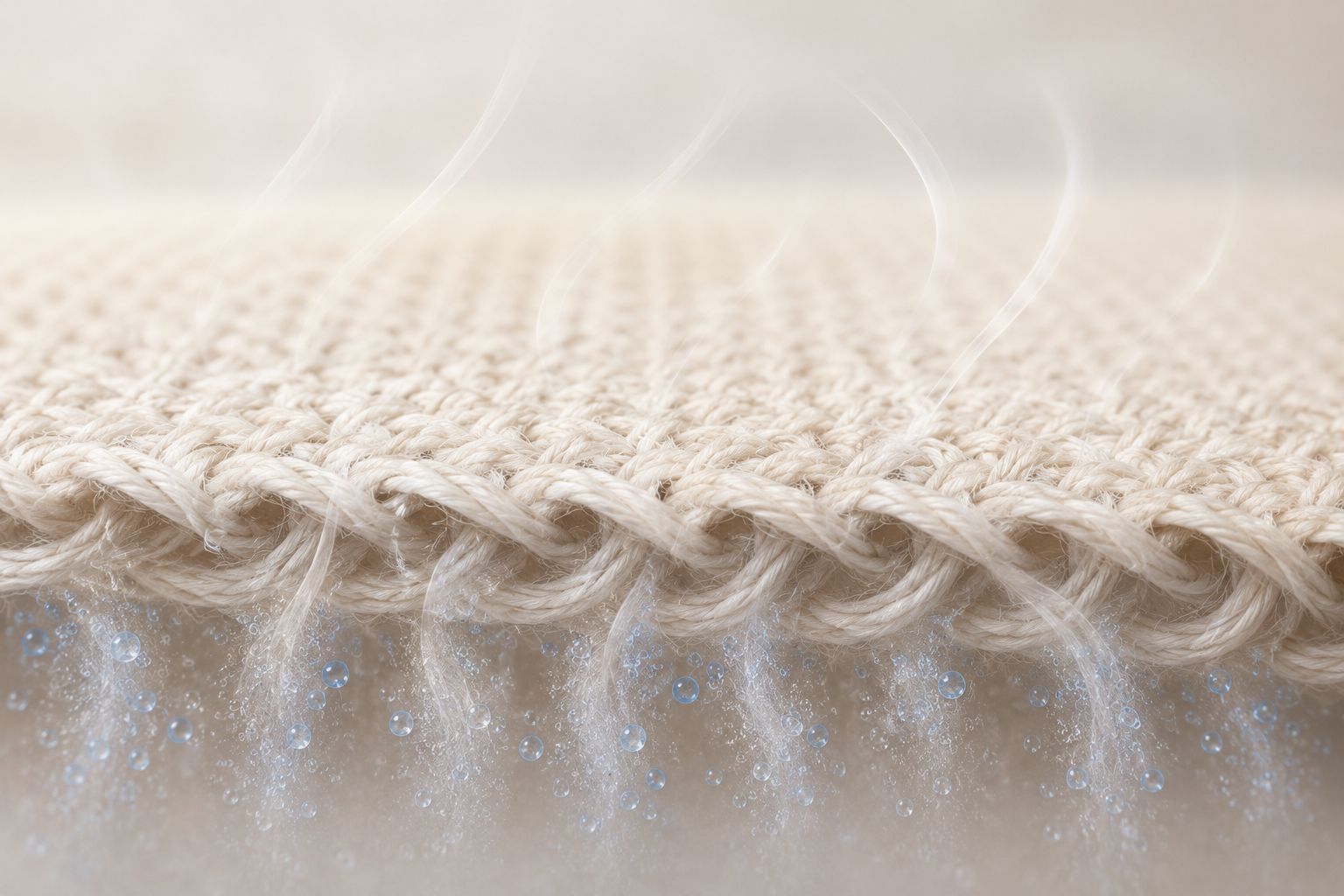
Wool can wick moisture to some degree, but wicking is not the same as absorption. Absorption means the fiber takes in moisture vapor. Wicking means liquid moisture moves across the fabric surface and spreads out so it can evaporate. A well-designed merino wool knit can support both effects, but the performance depends on the fabric structure.
I always look at the knit as a system. A fabric with a more open structure may allow better airflow. A compact structure may feel smoother and warmer, but it may release moisture more slowly. Yarn twist also matters. A balanced yarn can help control surface behavior. Finishing can also change the touch, the surface smoothness, and how the garment feels after washing.
Dive Deeper: In manufacturing, I do not treat moisture wicking as a simple label. I ask how the garment will be worn. A base layer needs moisture movement close to the skin. A mid-layer sweater needs comfort, warmth, and breathability. A premium office sweater needs dry comfort during long wear, but it also needs a refined surface. These products should not use the same structure. Yarn count affects thickness. Twist affects yarn stability and surface behavior. Gauge affects how compact or open the fabric is. Stitch density controls how much air can move through the sweater. Fully-fashioned construction can also help because it creates a more balanced garment shape and cleaner fit. If the garment fits badly, moisture comfort can also feel worse because the sweater may pull, cling, or trap heat in the wrong areas. Finishing is another factor. A soft finish can improve hand feel, but too much finishing may change moisture behavior. This is why I test swatches and samples before bulk production. A brand may want to say “moisture wicking,” but I prefer to support that claim with real fabric decisions and wash review.
This is also important for consumer education. Wool can help manage moisture, but it still needs correct care. If a sweater is washed with harsh detergent or dried with high heat, the hand feel and performance can change. The customer may then think the material failed, when the real issue was care.
Is Wool More Breathable Than Cotton?
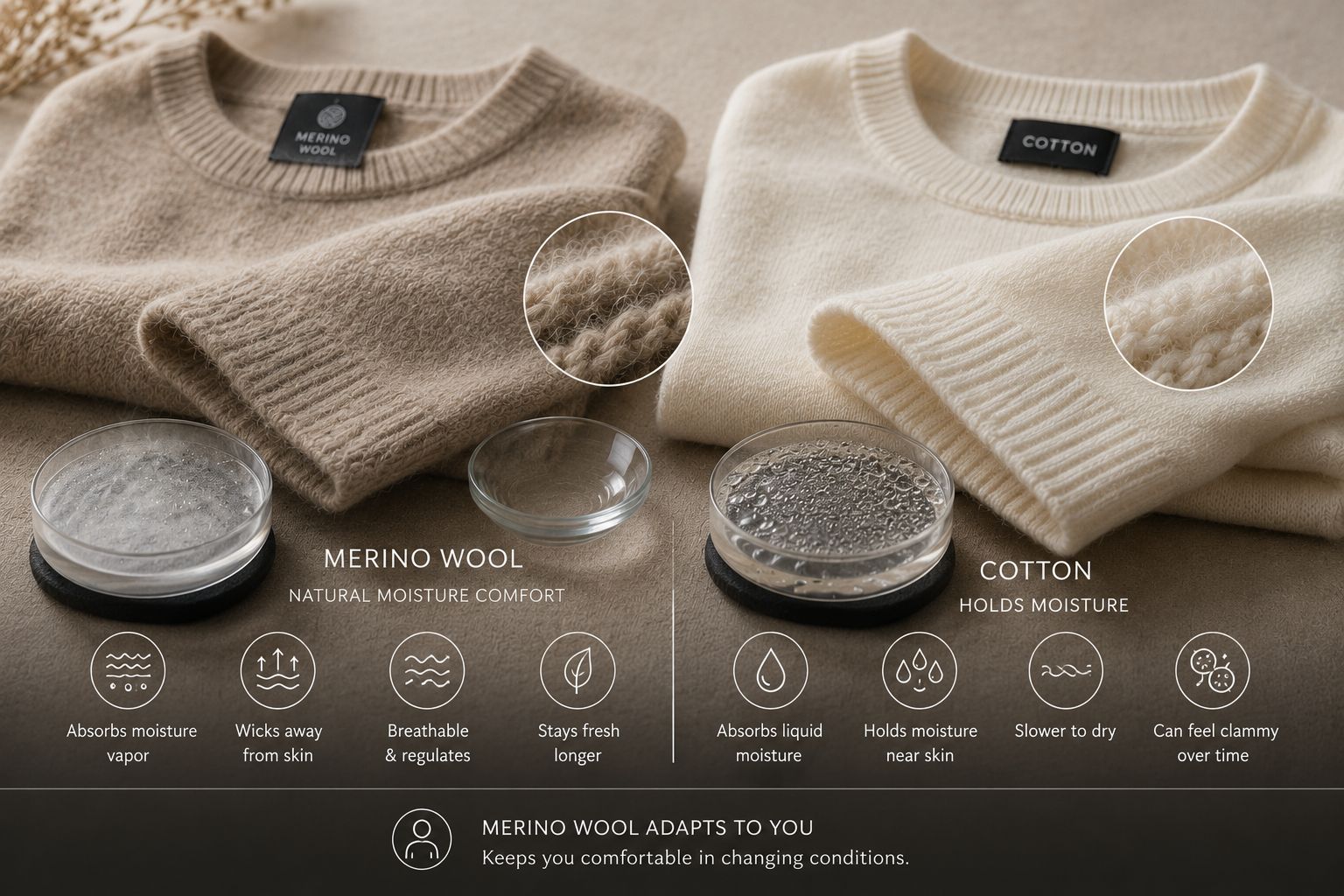
Wool can be more comfortable than cotton in changing humidity, but I do not say it is always better in every situation. Cotton absorbs liquid moisture easily. When cotton gets wet, it can feel heavy and damp. It can also cling to the skin. Wool can absorb moisture vapor and still feel warmer when slightly damp. This makes wool useful in cool weather and changing indoor-outdoor conditions.
Cotton still has its own value. In hot and dry weather, cotton can feel cool, casual, and comfortable. It can work well for summer knits, relaxed styles, and products where easy care is more important than warmth. So I do not frame wool versus cotton as a simple winner-and-loser question. I frame it as product positioning.
Dive Deeper: When I compare wool and cotton for brands, I begin with the wearing scene. If the customer wears a sweater in winter, travels between climates, or spends long hours between offices and outdoor spaces, merino wool can give a stronger comfort story. It can buffer humidity and hold warmth better when slightly damp. If the customer wants a casual spring sweater for warm, dry days, cotton may be the better choice. Cotton can feel cool and familiar, but it may not manage dampness in the same way as wool. I also look at garment weight and structure. A lightweight cotton sweater can be breathable because the fabric is open and light. A thick cotton sweater can feel heavy when damp. A fine-gauge merino sweater can feel smooth and breathable, while a dense wool sweater can feel warm but less airy. This means the fiber alone does not decide breathability. The yarn, gauge, stitch, weight, and finishing all matter. For a manufacturer, the best choice is the one that matches the product promise. A brand should not say wool is always more breathable than cotton. It should explain why wool works better for certain climates, seasons, and wearing habits.
For product development, I usually ask the brand to define the role of the sweater. Is it a winter layer? Is it a travel piece? Is it a close-to-skin knit? Is it a casual cotton alternative? Once the role is clear, the fiber choice becomes easier.
I also remind brands that moisture comfort continues after the sale. A wool sweater should be aired between wears. It should be washed gently. It should not be dried with high heat. It should be dried flat to protect shape. If the customer takes care of the sweater correctly, the garment can keep its comfort and performance for longer.
This is another PAS issue. The problem is that brands may only say “breathable wool” without explaining how to use or care for it. The pain is that customers may wash too often, dry incorrectly, or expect sportswear-level sweat removal from a fashion sweater. The solution is to use clear product language. I would explain that wool helps manage moisture, odor comfort, and temperature changes. I would also explain that correct care helps maintain those benefits.
For brands, moisture management should be considered during development, not only during marketing. I would choose yarn based on the product use. I would test the fabric after washing. I would review the care label. I would check how the garment feels after wearing and resting. I would also make sure the product page does not overpromise. This protects the brand and helps the customer trust the product.
Conclusion
I see wool moisture management as more than a simple answer to “yes” or “no.” If someone asks me does wool absorb sweat, I would say wool can absorb moisture vapor and help manage body humidity. It does not behave exactly like cotton, and it does not behave exactly like synthetic performance fabric. Its main value is moisture buffering, breathable comfort, and stable warmth in changing conditions.
Merino wool is especially useful because it combines fine fibers, natural crimp, softness, warmth, and moisture comfort. A well-designed merino knit can feel comfortable during light sweating, travel, commuting, and indoor-outdoor temperature changes. Yet the final performance depends on yarn, twist, gauge, stitch density, garment weight, finishing, and care.
As a manufacturer, I believe brands should describe wool accurately. Wool is not just an “absorbent” material. It is a comfort-management fiber. When the right fiber is combined with the right knit structure and clear care guidance, wool knitwear can offer a dry, warm, breathable, and premium wearing experience over time.