I have worked with wool sweaters for many years, and I still hear the same worried question from buyers and customers: what temperature to wash wool without ruining it? I understand the concern. A wool sweater can look perfect on the shelf, but one wrong wash can make it smaller, harder, and less comfortable. I have seen this happen in real customer feedback. I have also seen brands lose trust because a beautiful sweater did not come with clear care guidance.
I always explain wool washing with one simple idea. Wool care is not only about water temperature. It is about the full washing environment. Heat, water, and friction can work together. When they work together in the wrong way, wool fibers can lock into each other. The sweater can shrink. The surface can become felted. The shape can change. This is why I never tell a customer to only “wash below 30°C” and stop there. I also talk about gentle movement, mild detergent, low spin, and flat drying.
In my work as a knitwear manufacturer, I use the same AIDA thinking when I talk about wool care. I first get attention by showing what a shrunken wool sweater looks like. I build interest by explaining the fiber scale structure in simple words. I create desire by showing that good care can protect softness, size, and shape. I guide action by giving clear washing rules that a brand can put on labels, product pages, and hangtags.
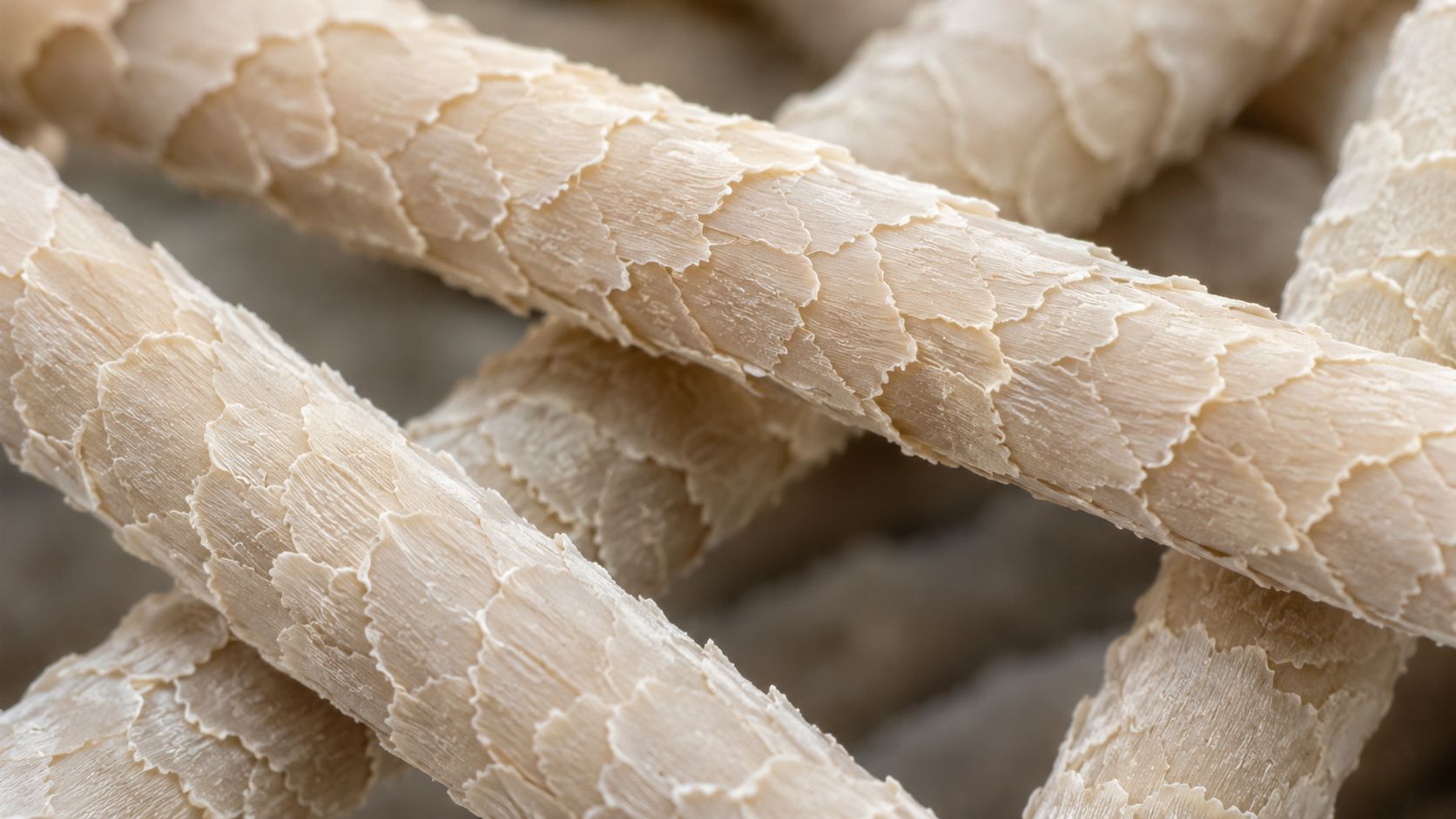
The reason wool is sensitive to washing comes from its surface structure. Wool fibers have tiny scale-like layers on the outside. These scales are part of the natural fiber. When wool meets heat, water, and rubbing, these scales can open and catch on each other. Once the fibers move and lock together, the fabric can become tighter. This is the start of felting and shrinkage. So I see wool washing as a balance between temperature control, friction control, and chemical control.
I also see many people make one common mistake. They think cold water means complete safety. I do not agree. Cold water is safer than hot water, but cold water alone cannot protect wool if the washing action is too strong. A wool sweater can still shrink in cold water if it is twisted, rubbed, spun too fast, or washed with the wrong detergent. This is why I always tell brands that care instructions must be complete. The label should not only say a temperature. It should explain gentle wash, wool detergent, low spin, and flat drying.
| Washing Factor | What I Watch For | Why It Matters |
|---|---|---|
| Water Temperature | I prefer cold water or low temperature. | Higher heat can increase shrinkage risk. |
| Agitation | I avoid strong rubbing and strong machine movement. | Friction can make wool fibers lock together. |
| Detergent | I use wool-safe mild detergent. | Harsh detergent can damage hand feel and fiber surface. |
| Spin Speed | I use low spin or careful pressing. | High spin can stretch, twist, or deform the sweater. |
| Drying Method | I dry wool flat. | Hanging can pull the sweater out of shape. |
What Temperature Is Safe to Wash Wool?
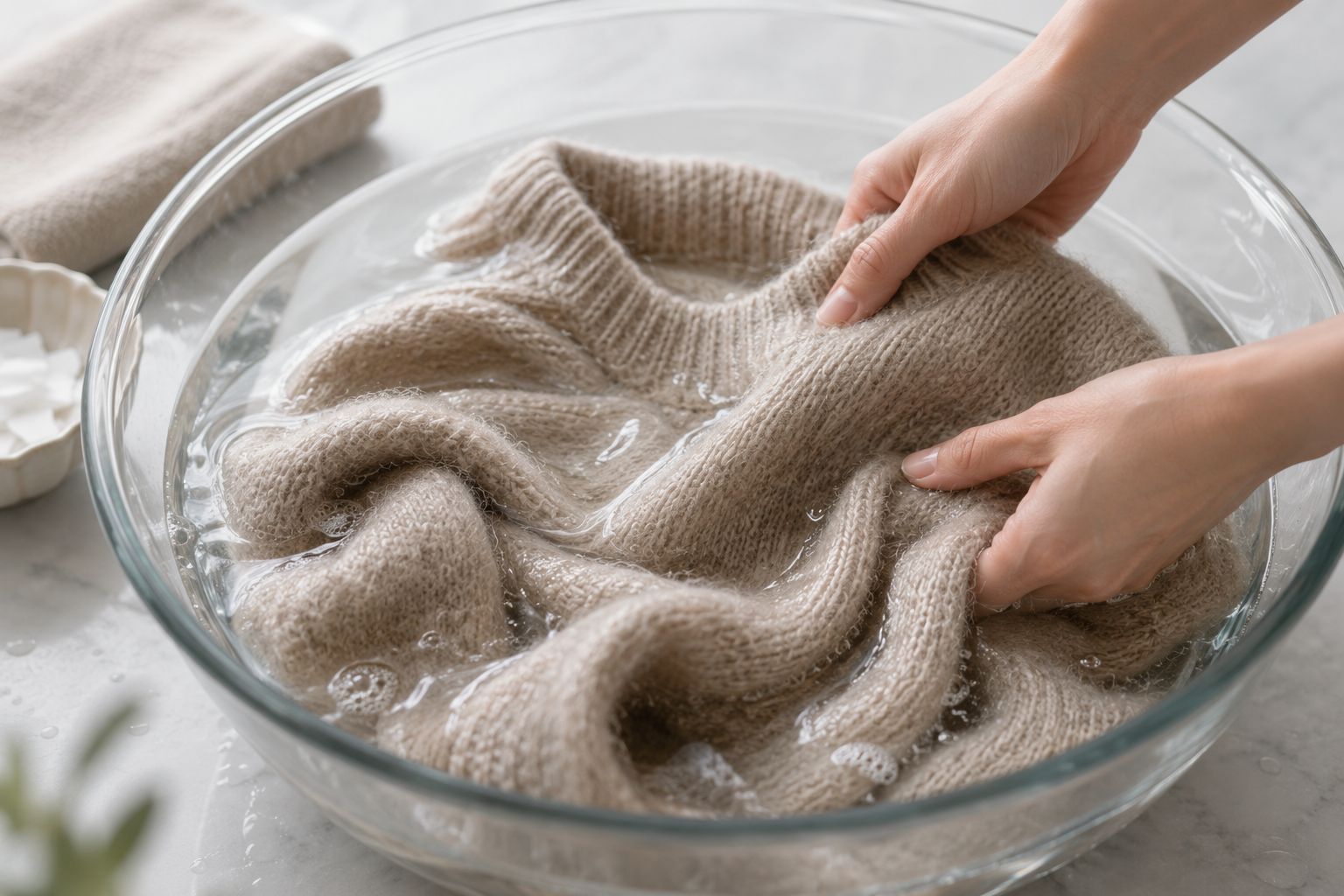
I usually recommend cold water or low temperature for wool sweaters. In most consumer situations, I see 30°C or below as the safer range. Still, I always check the care label first. Some wool sweaters are made from untreated wool. Some are made from superwash wool. Some have blends, special finishes, or complex knit structures. These details change how the sweater reacts in water.
I do not treat 30°C as a magic number. It is a safer guide, not a full guarantee. A 30°C wash with strong machine agitation can still damage wool. A cold wash with high-speed spin can still pull the sweater out of shape. A gentle hand wash at low temperature with wool detergent is usually much safer. This is why I always think of wool washing as a system.
Dive Deeper: When I develop wool sweaters for brands, I do not only ask what the fiber is. I also ask how the customer will wash it. This question matters because the same wool yarn can behave differently under different wash conditions. If the water is warm, the fibers may become more active. If the machine movement is strong, the fibers rub against each other. If the detergent is too harsh, the surface feel can change. When these factors come together, the sweater can shrink or felt. I usually tell brands that safe washing means low temperature, low friction, and mild detergent at the same time. I also suggest that the approved sample should go through wash testing before bulk production. I prefer checking measurements after washing, including body length, chest width, sleeve length, shoulder width, and rib recovery. If the sweater changes too much after testing, I know the issue must be solved before shipment. A good care label should come from real testing, not from guesswork. This is how I connect consumer care with factory development.
Superwash wool can handle washing better than normal wool because it has been treated to reduce shrinkage risk. Yet I still do not suggest careless washing. Superwash does not mean unlimited heat. It also does not mean rough spinning is safe. I see it as more tolerant, not impossible to damage. The safest advice is still simple. I use low temperature, gentle movement, wool detergent, and flat drying.
Should I Wash Wool in Hot or Cold Water?
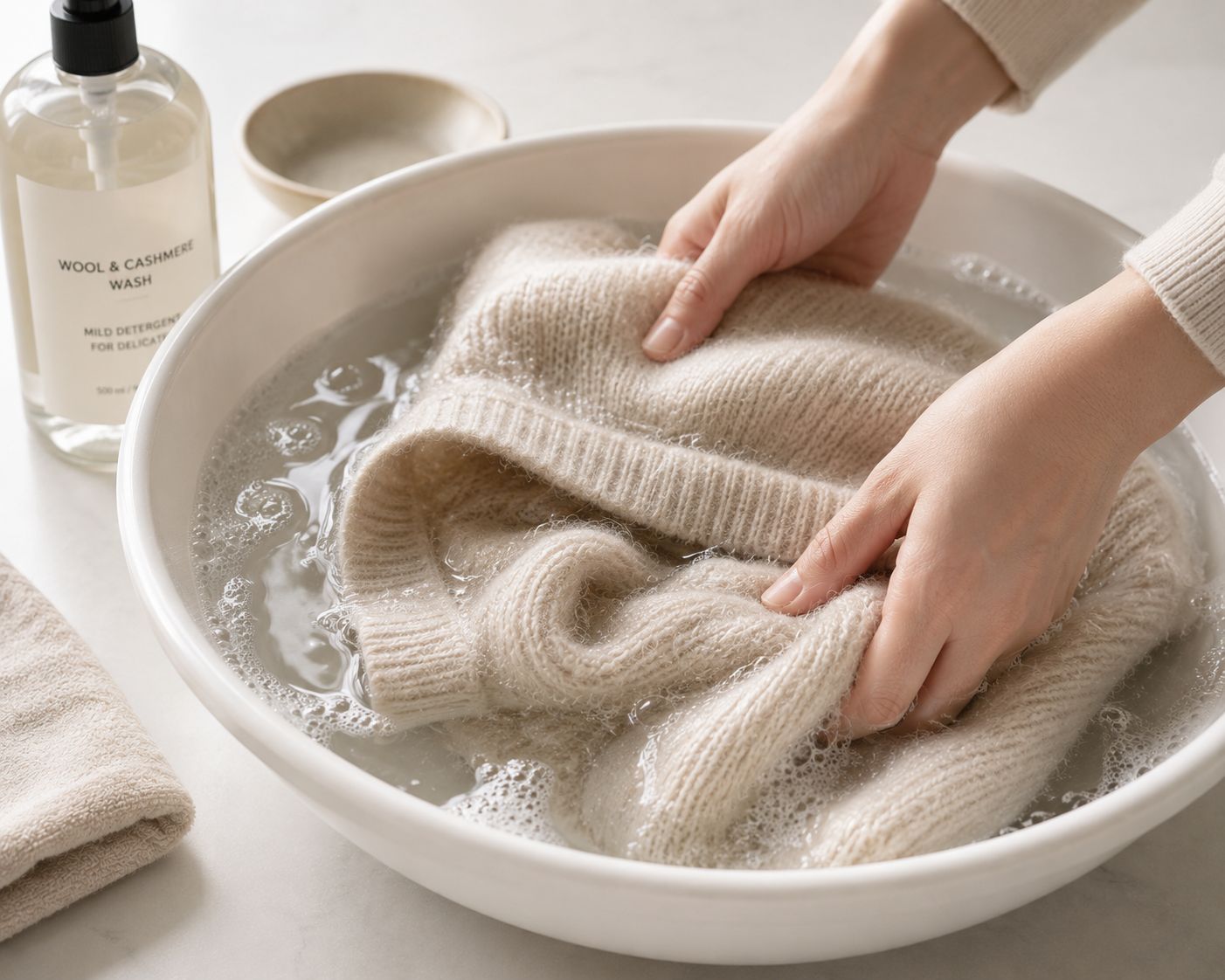
I choose cold water or low temperature water for wool. I avoid hot water unless the care label clearly allows a special process. Hot water can raise the risk of shrinkage because it can make wool fibers move and catch more easily. When hot water is combined with rubbing or machine agitation, the risk becomes higher. This is why I do not tell customers to use hot water for ordinary wool sweaters.
Cold water is better, but I still do not call it fully safe by itself. This is the part many people miss. If I put a wool sweater into cold water and rub it hard, I can still damage it. If I wash it with a strong detergent, the handle can become dry and rough. If I use high-speed spin, the sweater can twist or stretch. So I always say that cold water is only one part of safe wool care.
Dive Deeper: I have seen many wash test reports where temperature was not the only reason for failure. Sometimes the sweater was washed at a low temperature, but the machine program was too strong. Sometimes the detergent was made for normal laundry, not wool. Sometimes the spin speed was too high, and the sweater came out longer at the body or distorted at the sleeve. In knitwear, the structure matters a lot. A high-gauge sweater, such as 16G, can often look more stable because the fabric is finer and more compact. A lower-gauge sweater, such as 7G or 12G, may have more open loops and more visible movement after washing. Fully-fashioned knitwear can also perform better than cut-and-sew structures because the panels are shaped during knitting and the tension is more balanced. This does not mean fully-fashioned sweaters cannot shrink. It means the construction can support better shape recovery when the yarn, stitch, and finishing are controlled well. When I develop a washable wool style, I check the yarn twist, gauge, stitch tension, linking, washing finish, and final measurements together. This is why I believe washing advice must connect with manufacturing, not only with home laundry habits.
For consumers, my washing choice is simple. I use cold water or low temperature water. I use a wool-specific detergent. I do not rub the sweater. I do not wring it. I press out extra water with a towel. Then I reshape it gently and dry it flat. This process sounds simple, but it prevents many problems.
How to Save a Wool Sweater After Washing at 40°C
I see 40°C as a high-risk temperature for normal wool sweaters. If a sweater has been washed at 40°C, I first check how much damage has happened. If the sweater is only slightly smaller and the surface is still soft, I may try to relax the fibers. If the sweater has become dense, hard, and felt-like, I know it may not return fully. Severe felting is usually permanent.
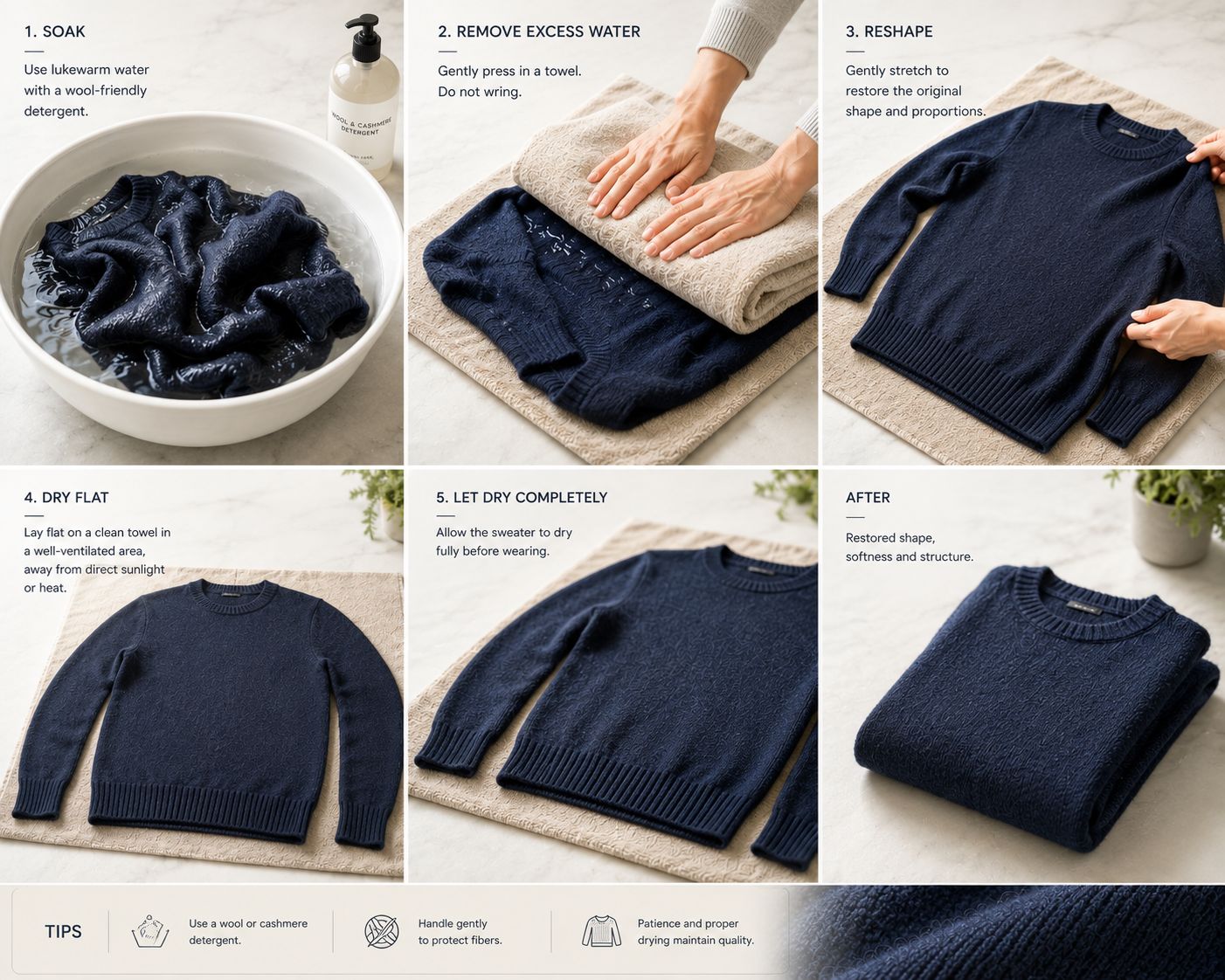
When I try to save a lightly shrunken wool sweater, I use cool or lukewarm water. I add a small amount of wool conditioner or a mild hair conditioner. I let the sweater soak for a short time. I do not rub it. I do not twist it. After soaking, I press out water with a towel. Then I lay the sweater flat and gently reshape it back toward the original measurements. I move slowly. I do not pull hard. Strong pulling can damage the knit structure.
Dive Deeper: I explain the 40°C problem in a very direct way. For normal wool, 40°C can be too warm because heat can make the scales on the fiber surface more active. If the sweater is also moving inside a washing machine, the fibers rub together. The scales catch. The loops tighten. The sweater becomes smaller. This is why a 40°C wash can be risky even if it only happens once. Superwash wool may survive better because it has a shrink-resist treatment, but I still do not treat 40°C as a free choice. The garment may have trims, blends, ribs, seams, or finishes that react differently. When a customer asks me how to fix a sweater after 40°C, I always ask about the surface first. If the fabric is only tight, gentle relaxing may help a little. If the fabric has become thick and felted, the damage is not just a size issue anymore. The fiber structure has changed. At that point, I avoid giving false hope. I may suggest reshaping for comfort, but I do not promise full recovery. This is also why brands need clear care labels. A customer should know the risk before the first wash, not after the sweater has already shrunk.
For brands, this topic is not only a customer service issue. It is also a product development issue. I believe care performance should be part of the design plan. I want the sweater to look good, but I also want the customer to care for it with less confusion. This means I check shrinkage during development. I also check wash aftercare, rib recovery, seam stability, and hand feel after drying.
I prefer to set a clear shrinkage target during development. For many wool sweaters, a practical standard may be around shrinkage within plus or minus 5%, depending on the style and buyer requirement. The exact standard should be agreed before bulk production. I also pay attention to yarn twist. A yarn that is too loose may feel soft at first, but it may move more after washing. A better-balanced twist can improve stability while keeping a good hand feel.
I also think the brand must educate the consumer. A care label is important, but it is not enough. I like when brands explain wool care on their website, product page, social media, and hangtags. The message should be simple. Low temperature does not mean no shrinkage. Cold water does not protect wool if the washing action is too rough. Wool detergent matters. Flat drying matters. This kind of education can reduce bad reviews, returns, and loss of trust.
This is the PAS problem I see very often. The problem is that customers wash wool like cotton. The pain is that the sweater shrinks, the customer feels disappointed, and the brand receives the complaint. The solution is to design for care and teach care. I need to test the garment before shipment. The brand needs to explain washing clearly. The customer needs to use the right method at home.
Conclusion
I see safe wool washing as a full care system, not a single temperature answer. If someone asks me what temperature to wash wool, I usually say cold water or 30°C and below is safer. Yet I also say that temperature is only one part of the answer. The sweater also needs gentle movement, wool-safe detergent, low spin, careful reshaping, and flat drying.
Hot water is risky for normal wool. A 40°C wash can cause shrinkage and felting, especially when heat, water, and friction work together. Cold water is safer, but it is not a full guarantee. Strong agitation, harsh detergent, and high-speed spin can still damage wool. This is why I believe good wool care starts before the customer washes the sweater. It starts in yarn selection, knit structure, wash testing, shrinkage control, care label design, and consumer education.
As a manufacturer, I want every wool sweater to keep its beauty after real use. I cannot control every washing machine in every home, but I can help brands reduce risk. I can test the garment. I can suggest clearer labels. I can build better structure. I can help the brand explain care in simple words. This is how I protect the sweater, the customer experience, and the brand’s long-term trust.