You pulled your favorite sweater from the closet, but it feels stiff and scratchy. You're worried that trying to fix it might ruin the yarn for good.
To soften knitwear, gently hand-wash it in cool water with a pH-neutral wool soap. This removes residue that causes stiffness. Avoid commercial fabric softeners, as they can damage natural fibers over time. Instead, use steam or a vinegar rinse.
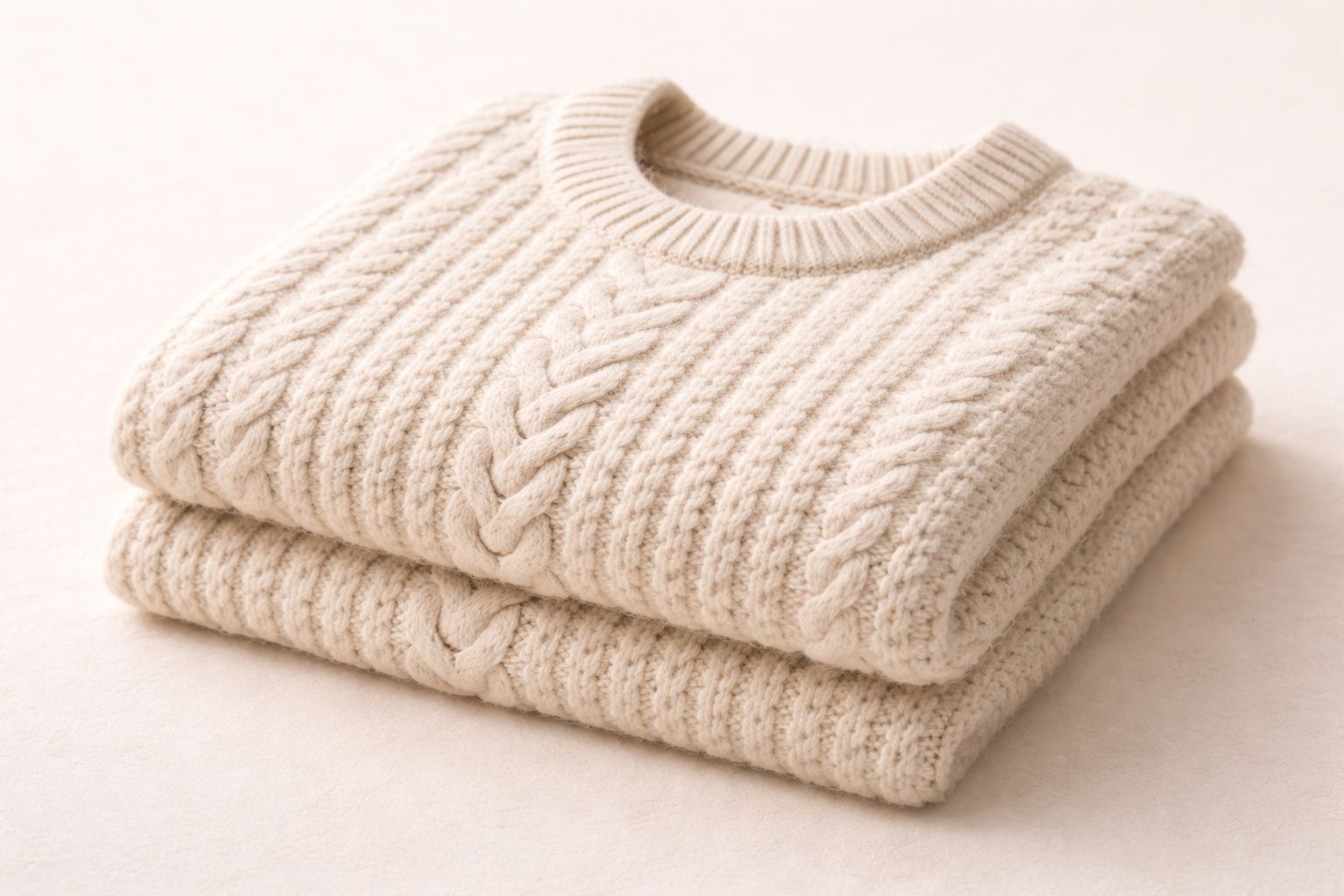
As a knitwear manufacturer, I talk to product managers like Oliver about this all the time. A customer buys a beautiful sweater, but after a few washes, they complain it's become stiff or itchy. They assume it's a quality issue, but the reality is more complex. Softness isn't just about the initial feel in the store. It’s a delicate balance between the yarn itself, how it was finished, and—most importantly—how it’s cared for at home. Understanding why a sweater gets stiff is the first step to safely restoring its original comfort and feel.
Why Is My Wool Sweater So Stiff?
You invested in a beautiful wool sweater, but now it feels rough and unwelcoming. You're disappointed, thinking the quality wasn't what you paid for.
Your wool sweater is likely stiff from a combination of detergent residue, hard water minerals, and improper drying. These factors cause the wool's natural microscopic scales to become rough and interlocked, creating a stiff and sometimes scratchy texture.
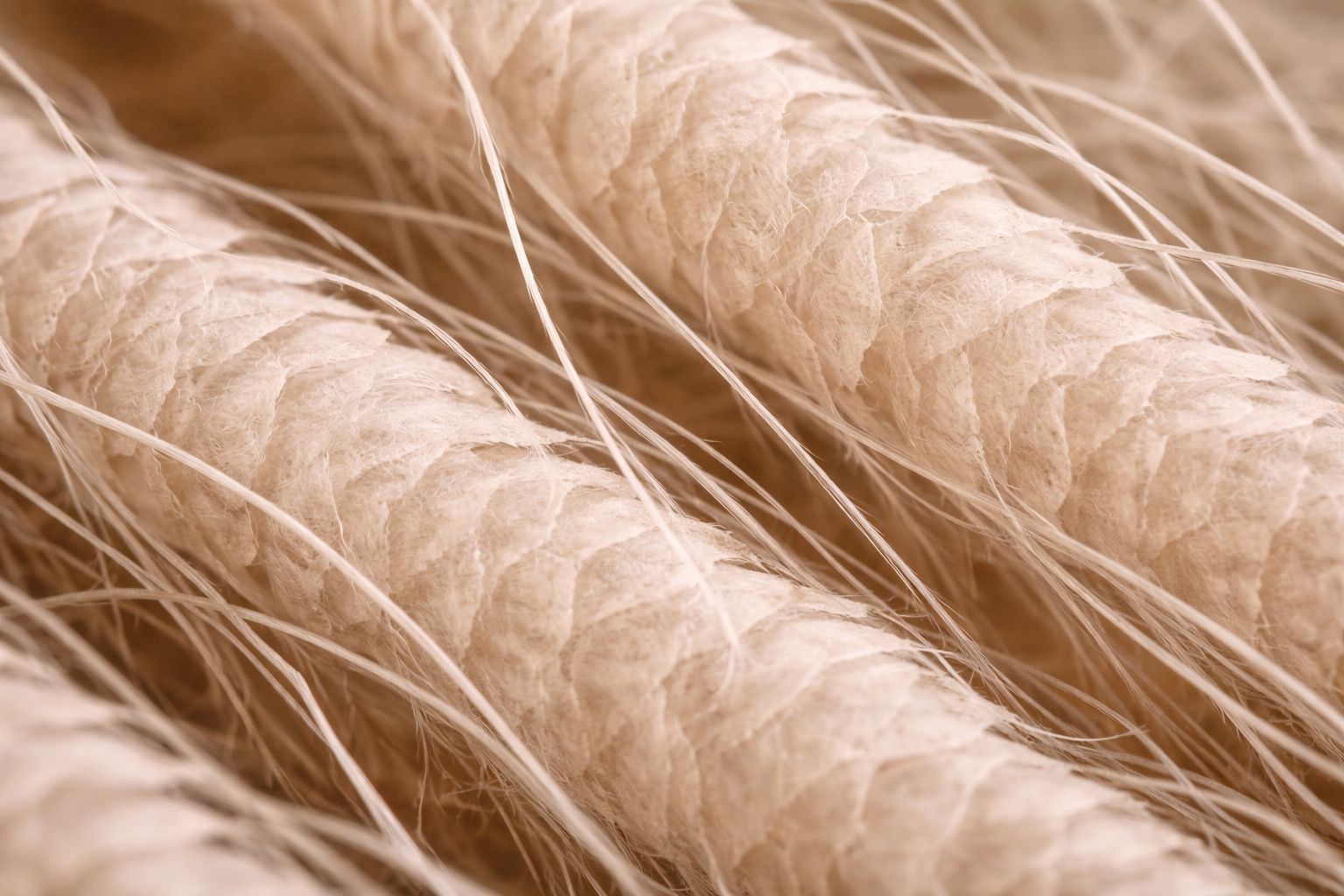
The softness of any sweater begins with the yarn. A sweater made from fine Merino wool (with a low micron count) will always be softer than one made from coarse, high-micron wool. No amount of washing can change the fundamental nature of the fiber. However, even the softest yarn can feel stiff if cared for incorrectly. It's often not one single mistake but a buildup of several issues over time.
The Real Causes of Stiffness
- Manufacturing vs. Home Care: Many sweaters receive a special silicone or enzyme finish at the factory to give them an ultra-soft feel in the store. This finish can wash away over time, revealing the fiber's true texture. This is normal. The stiffness that follows is usually caused by what happens next.
- Washing Mistakes: Using a standard laundry detergent can leave behind an alkaline film on the wool fibers. If you have hard water, mineral deposits like calcium and magnesium build up on top of that. Add in high heat or the friction of a machine wash, and you get a perfect recipe for stiff, matted fibers. The wool's natural scales essentially get "glued" down in a rough position.
How to Soften a Stiff Wool Sweater?
That stiff sweater is just sitting in your closet, unworn. You're afraid that any attempt to soften it will lead to shrinking, stretching, or permanent damage.
The best method is a gentle "reset" wash. This process cleanses the fibers of buildup and allows them to relax back into a soft state without causing harm.
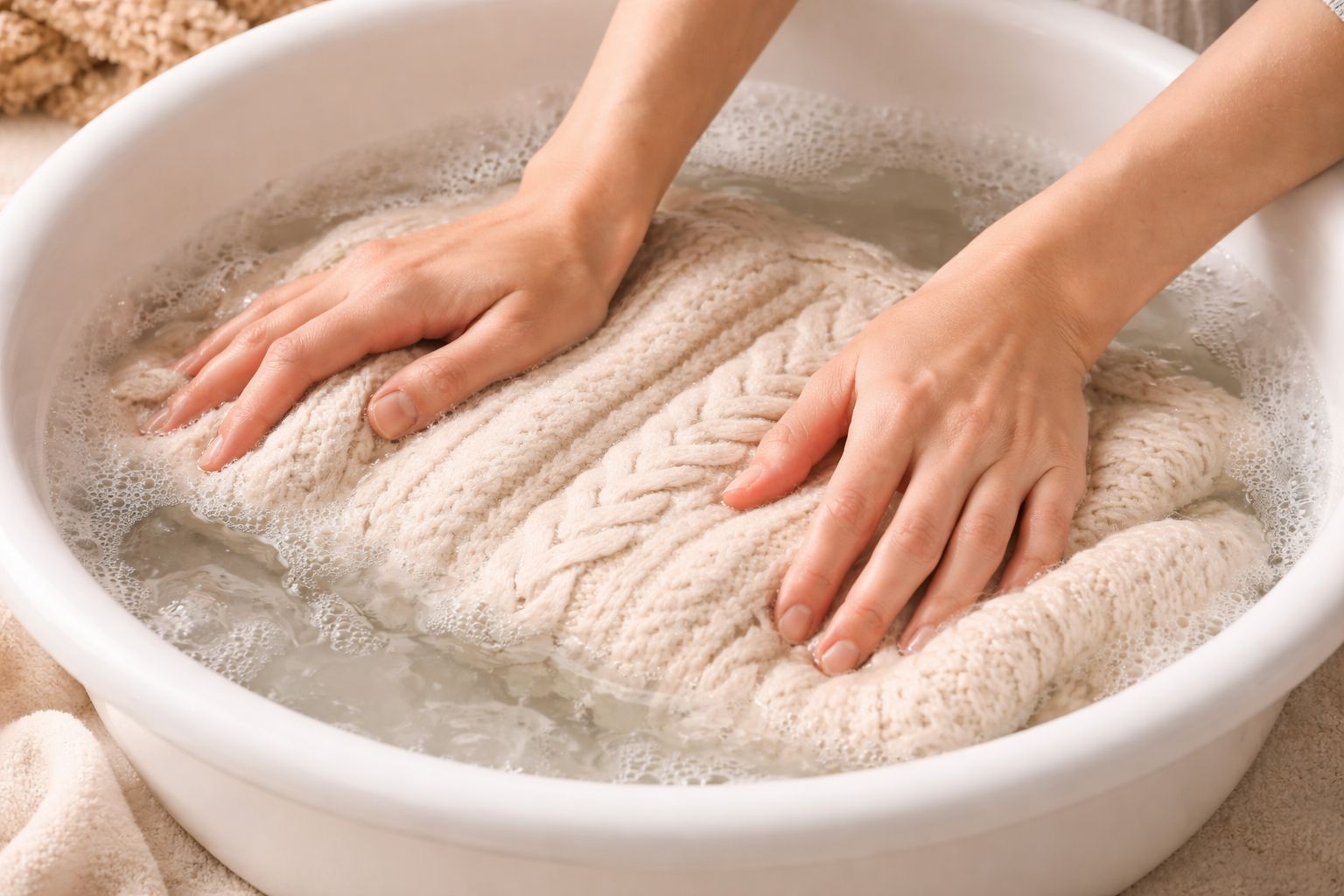
Think of this process not as cleaning dirt, but as stripping away the invisible layers that are causing the stiffness. Your goal is to get the fibers back to their natural, flexible state. The key here is to be extremely gentle. Wool is most vulnerable when it's wet, so avoid any harsh twisting, wringing, or rubbing. For sweaters that are only slightly stiff or just need a refresh, a garment steamer is an excellent alternative. The moist heat penetrates the fibers and helps them relax and plump up without a full wash.
A Step-by-Step Guide to Restoring Softness
- The Cleansing Soak: Fill a basin with cool water and add a small amount of a pH-neutral wool detergent. Submerge the sweater and let it soak for about 30 minutes. This gives the soap time to work on dissolving any residue.
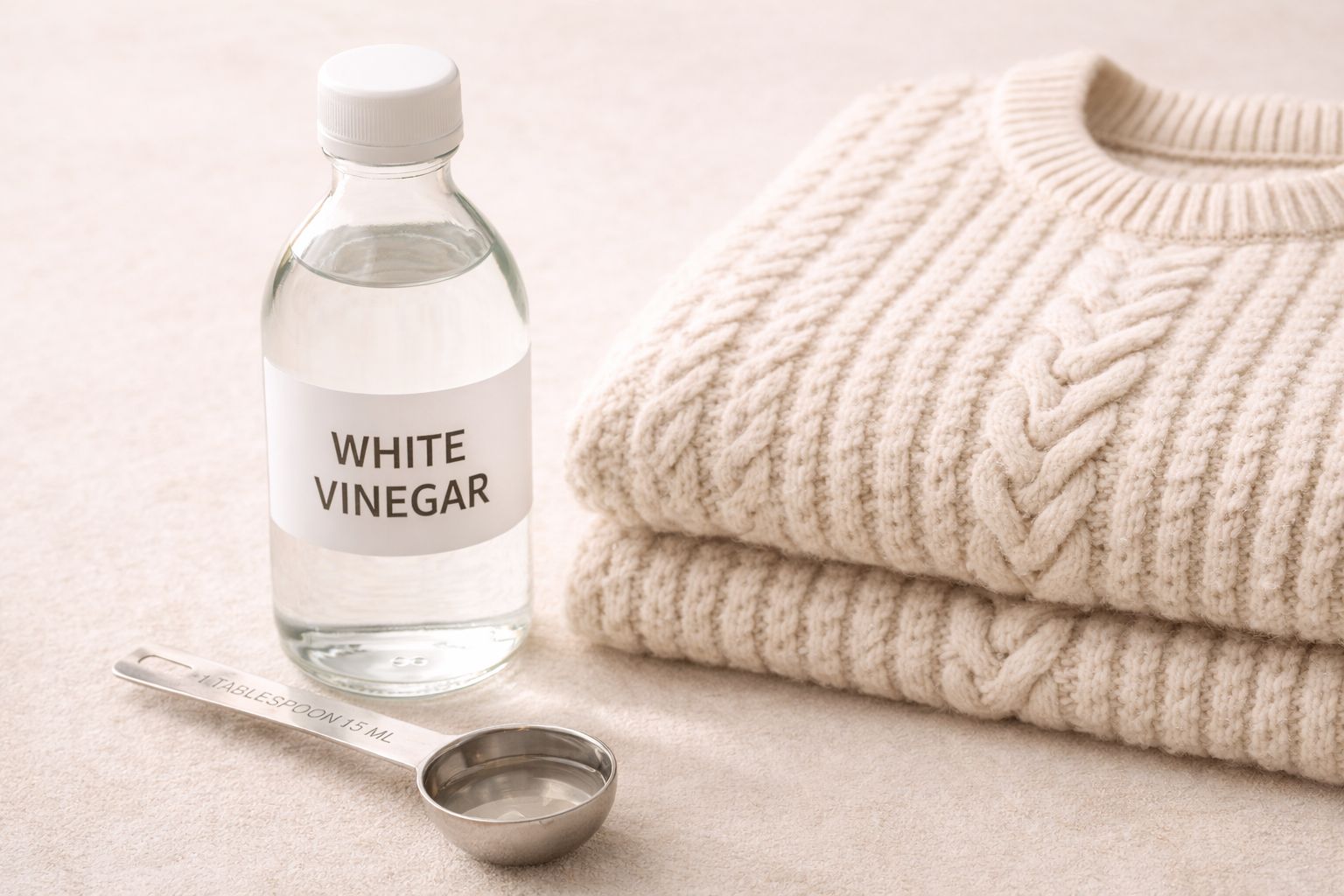
- The Vinegar Rinse: Drain the soapy water and refill the basin with fresh, cool water. Add a splash of white vinegar (about one tablespoon per liter of water). The vinegar's mild acidity works wonders to break down any remaining detergent and mineral deposits from hard water.
- Drying Properly: Gently squeeze the water out—never wring it. Lay the sweater on a thick towel, roll it up to absorb more moisture, then unroll and reshape it on a dry towel or a flat drying rack. Let it air dry away from direct heat or sunlight.
How to Soften a Sweater Without Fabric Softener?
You automatically reach for fabric softener to solve stiffness. But you've heard it might be bad for wool and are worried it will do more harm than good.
Absolutely avoid standard fabric softeners on wool. Instead, use a splash of white vinegar in the rinse cycle or a lanolin-based wool conditioner to nourish the fibers naturally.
This is one of the most important things I tell brands to communicate to their customers. Commercial fabric softeners are the enemy of high-quality wool. They don't actually "soften" the fiber; they just coat it with a layer of chemicals, often silicone-based. This gives the illusion of softness but creates a barrier that has several negative long-term effects. For brands like the one Oliver works for, providing clear care instructions that warn against softeners is key to preventing customer complaints and returns. It's about protecting the integrity of the garment we worked so hard to produce.
| Method | How It Works | Why It's Better Than Fabric Softener |
|---|---|---|
| White Vinegar Rinse | Dissolves alkaline residue from soap and hard water minerals. | It cleans the fibers, allowing their natural softness to return. It leaves no coating behind. |
| Wool Conditioner | Replenishes lanolin, wool's natural moisturizing wax. | It nourishes and conditions the fiber from within, improving its health and flexibility. |
| Garment Steamer | Uses gentle, moist heat to relax and plump up fibers. | It provides a quick refresh without a full wash and avoids all chemicals and residue. |
Conclusion
True softness comes from clean, healthy fibers. Start with quality yarn, wash it gently with the right products, and always skip the fabric softener to keep your knitwear soft for years.