You’ve seen merino wool marketed as a miracle fiber for the outdoors, but you're skeptical. Can a natural wool sweater really stand up to rain, or is that just clever marketing hype?
No, merino wool is not waterproof. It is highly water-resistant and can absorb a significant amount of moisture before feeling wet. Its key strength is not in blocking water, but in keeping you warm and comfortable even when damp.
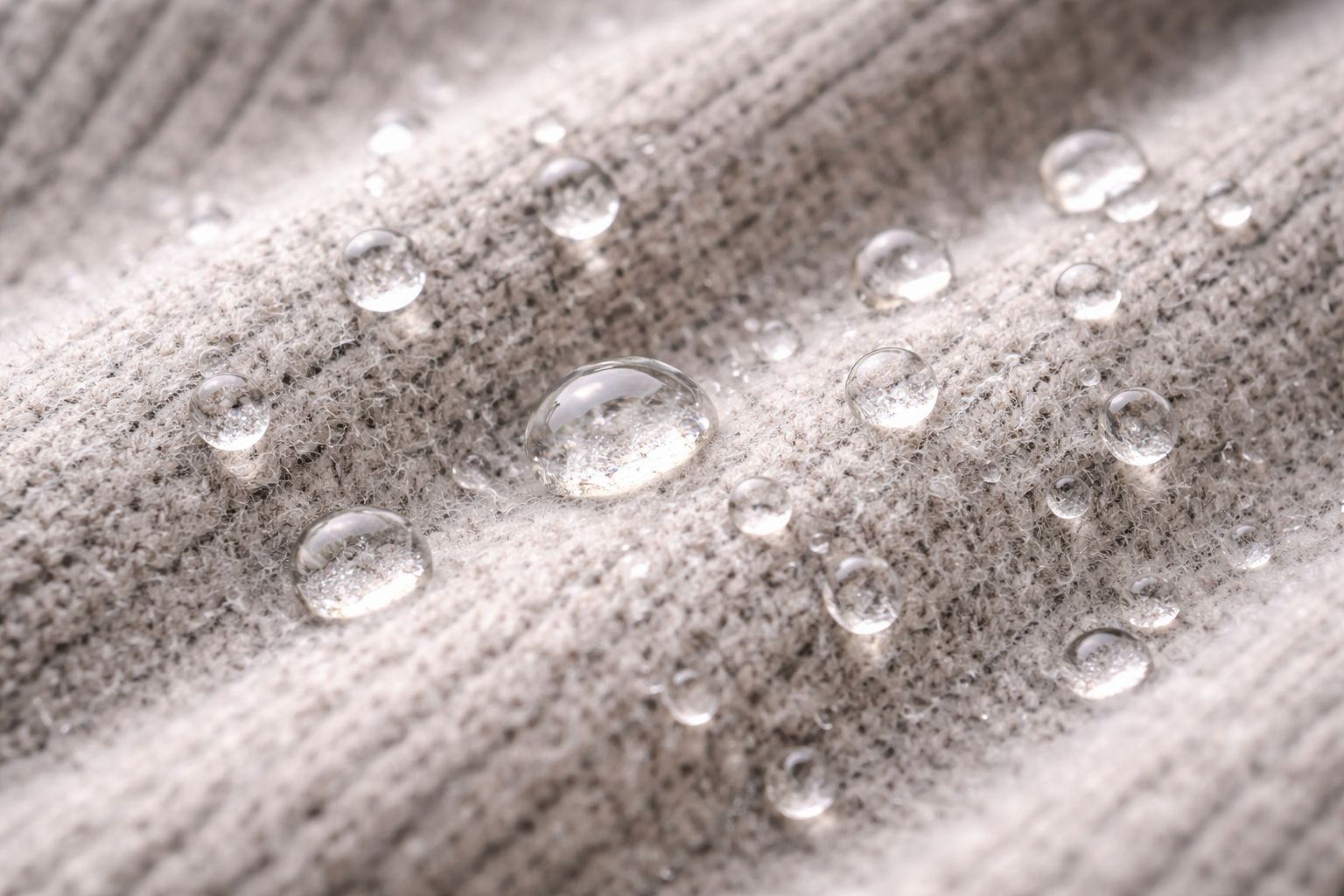
This is one of the biggest misconceptions I have to clear up for brands. A product manager like Oliver, who develops high-end menswear, often asks me if he can label his new merino collection as "weatherproof." He's trying to give his customers the best performance, but using the wrong term can backfire spectacularly. If a customer buys a sweater thinking it's a rain jacket and gets soaked, that's a lost customer and a bad review. The truth is, merino wool's relationship with water is far more complex and impressive than simply being "waterproof." Understanding this difference is key to designing and marketing a successful product.
How Waterproof Is Merino Wool?
You need to describe your product's performance accurately to your customers. Calling it waterproof is a strong claim, but you fear it might be misleading and could ultimately damage your brand's credibility.
Merino wool is naturally water-resistant. Its fibers have a waxy outer layer that causes water to bead up and roll off in light moisture. However, it is not a barrier and will eventually absorb water in steady rain.
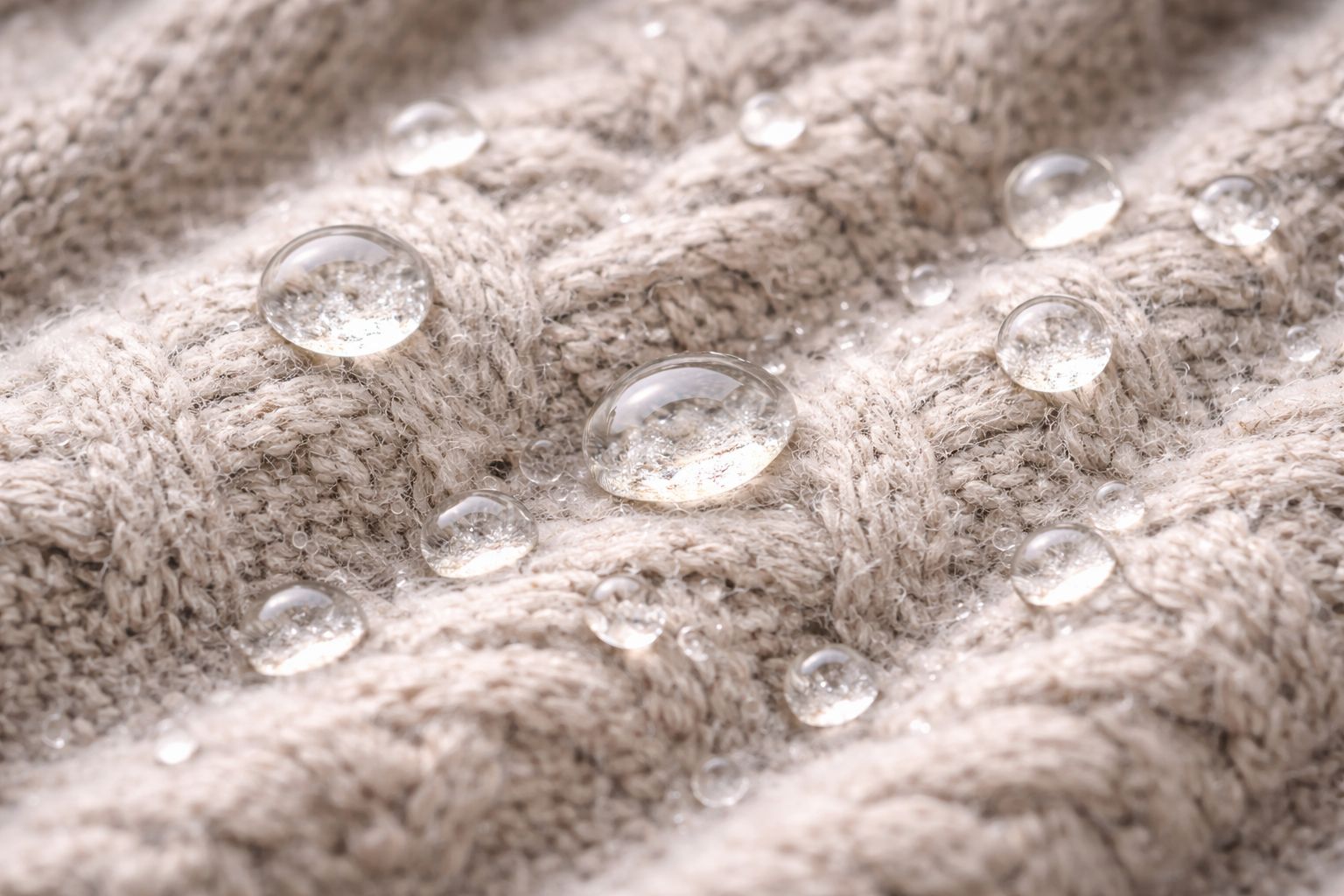
The performance of merino wool comes from a brilliant dual-action system. First, the surface of each wool fiber is covered in tiny, overlapping scales and a natural waxy substance called lanolin. This combination creates a hydrophobic (water-repelling) exterior that makes light rain or mist bead up and roll away. But here's the clever part: the core of the fiber is hydrophilic (water-loving). This means it can pull moisture vapor—like sweat from your skin—away from your body and absorb it, holding up to 30% of its own weight in moisture without feeling wet. It's a moisture management system, not a rain shield. For Oliver, this means positioning his products correctly. He can't sell a merino knit as an alternative to a rain shell. Instead, he markets it as a "smart" layer that resists morning fog on a commute and actively manages body temperature, which is a more honest and compelling story.
| Feature | Merino Wool | Waterproof Synthetic (e.g., Coated Nylon) |
|---|---|---|
| Primary Function | Moisture Management & Temp Regulation | Water Barrier |
| In Light Rain | Water beads and rolls off (Resistant) | Water is completely blocked (Waterproof) |
| In Heavy Rain | Will eventually get saturated | Remains dry inside |
| Breathability | Excellent | Can be poor unless it has a membrane |
What Happens When Merino Wool Gets Wet?
You've experienced how a wet cotton shirt gets cold and clammy, clinging to your skin. You worry that a merino sweater, once saturated, will become a heavy, cold, and miserable liability in the outdoors.
When merino wool gets wet, it retains its structure and continues to insulate. A chemical reaction within the fibers actually releases a small amount of heat as it absorbs moisture, helping you stay warm even when the garment is damp.
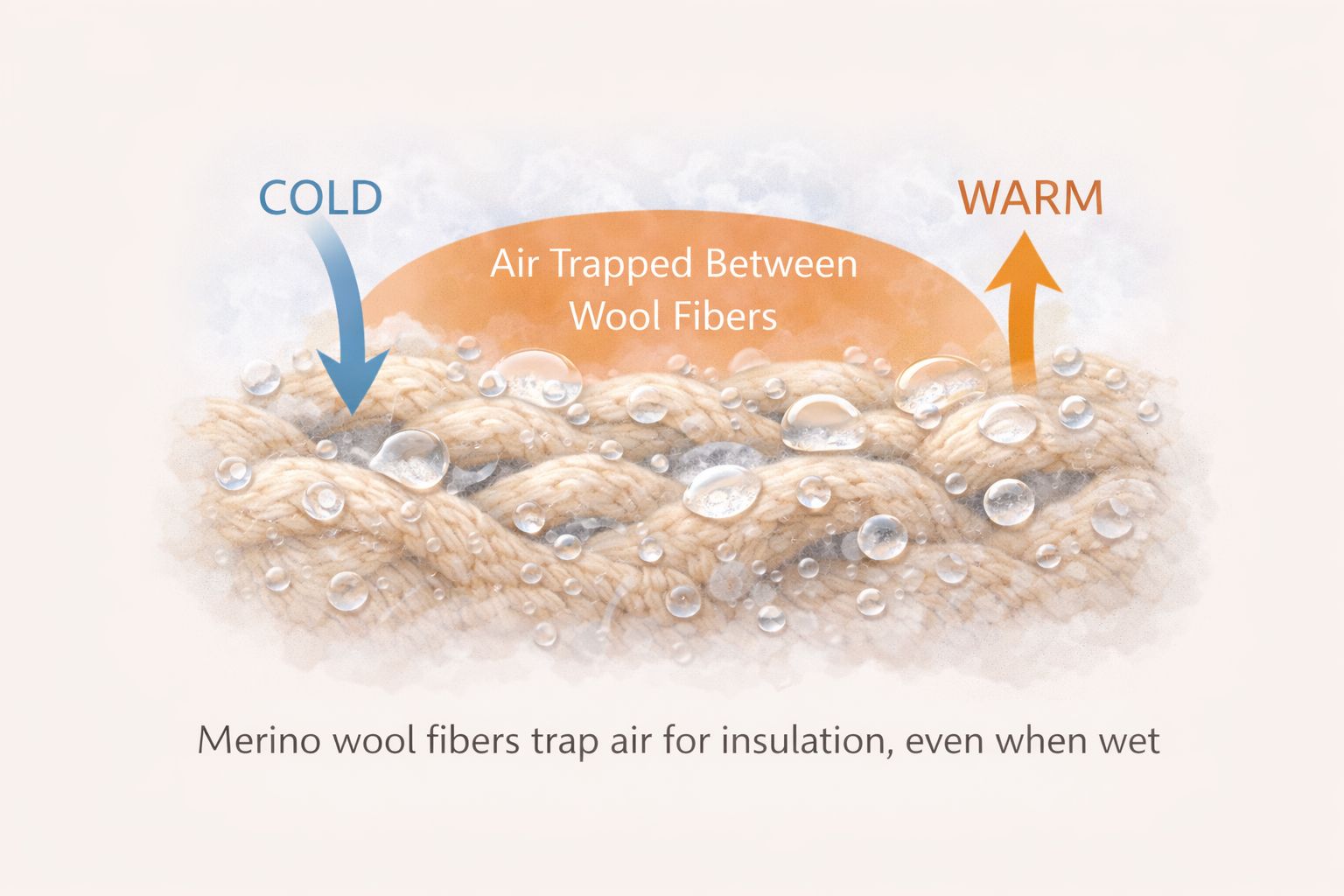
This is merino's true superpower and the reason it has been trusted by sailors, mountaineers, and outdoor enthusiasts for centuries. Unlike other fibers, it doesn't stop working when wet. When water vapor enters the core of the wool fiber, the process of binding with the molecules there—called "heat of sorption"—releases energy as warmth. This can make a huge difference in comfort and safety. A wet cotton t-shirt, by contrast, loses all its insulating properties and actively pulls heat from your body, which can be dangerous in cold conditions. Synthetics like polyester don't absorb water, so moisture just sits between the fabric and your skin, creating a clammy, uncomfortable feeling. We once developed a line of performance sweaters for a cycling brand. Their biggest concern was riders getting cold from sweat buildup on cool days. We chose a merino-nylon blend. The merino pulled sweat vapor from the skin, keeping riders from feeling clammy, and the nylon added the durability needed for high-friction sport. The garments were a huge success because they solved the "warm but wet" problem that plagues many athletes.
Can I Wear Merino Wool in the Rain?
Your goal is to offer a versatile garment for all kinds of weather. You need to know the exact limits of merino wool so you can give your customers clear, trustworthy advice on when and how to wear it.
You can wear a merino wool sweater in light mist or a brief, light shower. For any heavy or sustained rainfall, you must use it as an insulating mid-layer under a proper waterproof outer shell to stay dry.
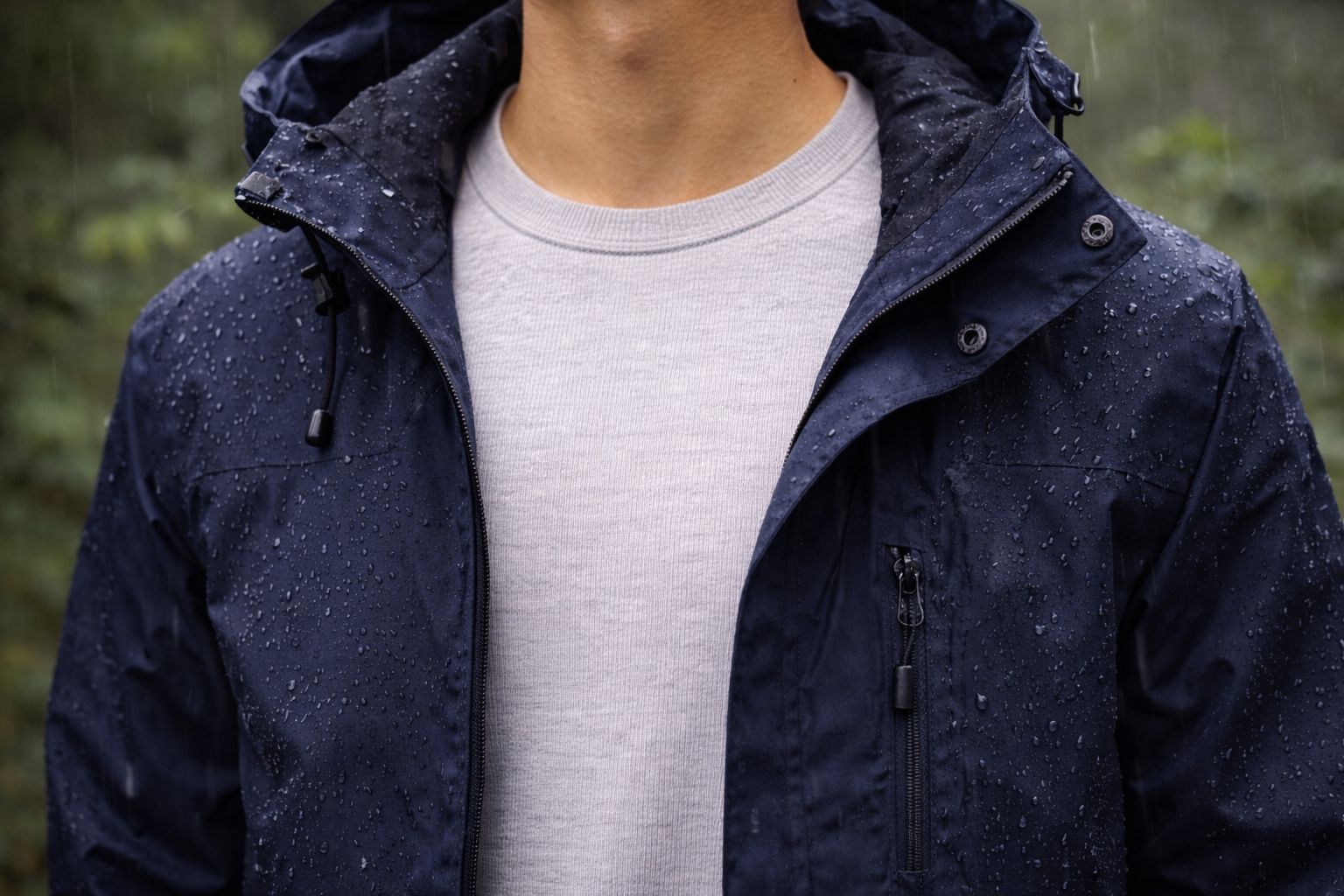
Setting the right expectations is everything. As a manufacturer, I always advise brands to be very specific about a garment's intended use. Here’s a simple guide we provide:
Merino Wool Rain Guide:
- For Fog, Mist, or Very Light Drizzle: A standalone merino sweater is an excellent choice. Its water-resistance will be enough to keep you comfortable and dry for short periods.
- For Steady or Heavy Rain: Merino wool is not the right tool for the job on its own. It should be worn as a mid-layer. A waterproof jacket provides the barrier against rain, while the merino sweater underneath does the critical work of insulating you and wicking sweat away from your skin to keep you warm and dry from the inside.
- For Snow: Merino is fantastic in snowy conditions. Dry, cold snow tends to brush off the surface rather than melt and soak in, and merino's insulating properties are a major advantage in the cold.
When we develop a product with a brand, we can also engineer the knit to improve performance. A tighter, denser knit will naturally resist wind and water more effectively than a loose, open one. A fully-fashioned construction ensures the garment holds its shape, even when damp. It's our job to help brands like Oliver's make these technical choices to create the best possible product for a specific use case.
Conclusion
Merino wool is not waterproof, but its water-resistance and ability to insulate while wet make it a superior performance fiber. Use it as your cozy, smart layer, not your rain shield.