You love your wool sweater but hate the chore of hand-washing it. You're tempted to toss it in the machine, but you fear it will shrink to a doll's size.
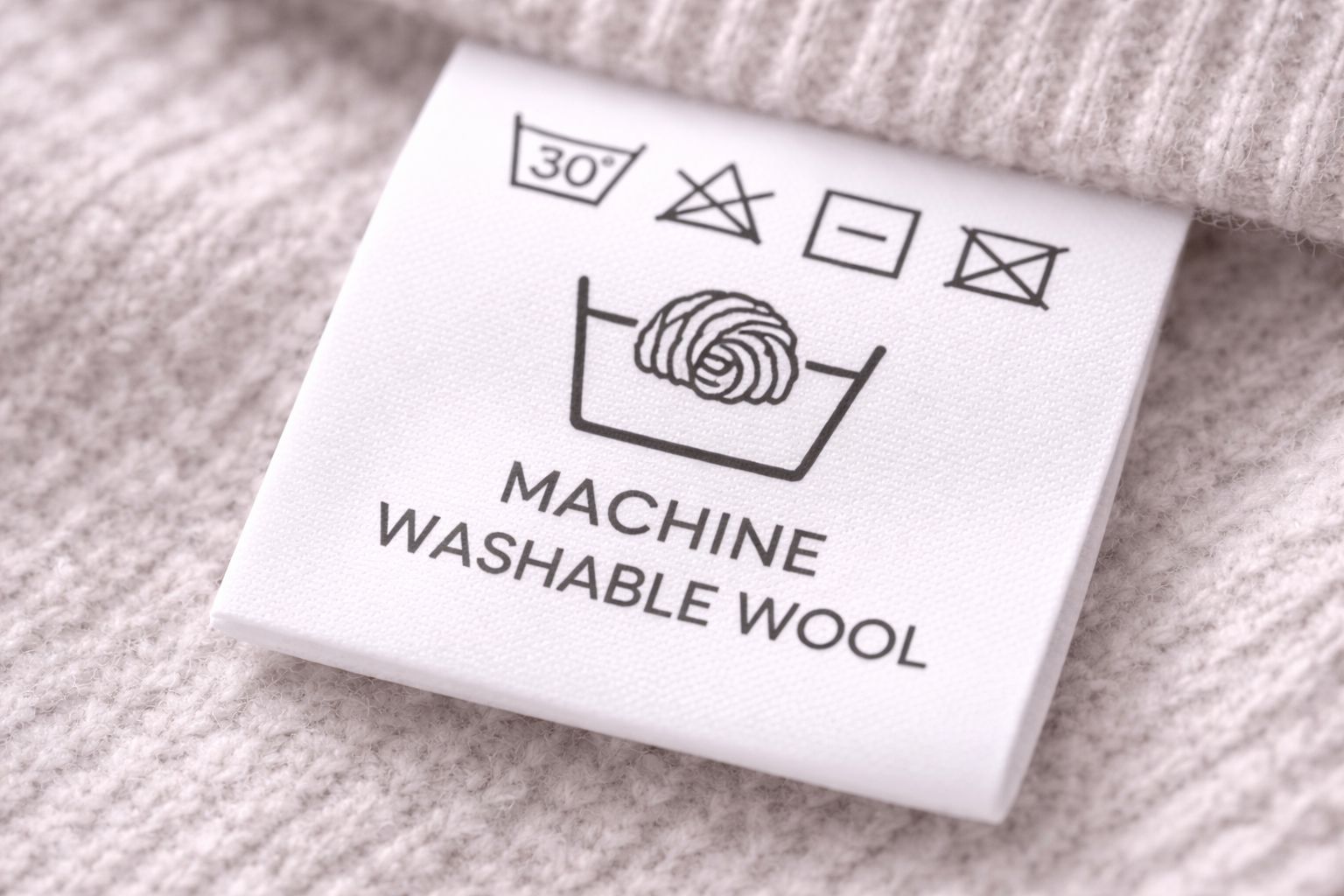
Yes, you can machine wash some wool sweaters. The key is the care label. If the wool is specially treated (like Superwash) and labeled machine-washable, you can. Always use a gentle wool cycle and a wool-specific detergent.
As a manufacturer, I've seen the sad results of washing mistakes. A ruined sweater leads to an unhappy customer, which is a big problem for any brand. For a product manager like Oliver, every customer complaint about shrinkage is a mark against the product's quality perception. But the fear of washing machines is often based on misunderstanding. By understanding what really happens to wool in the wash, we can create better, more practical garments and give customers the confidence to care for them properly.
Can You Machine Wash a 100% Wool Sweater?
You see "100% Wool" on the tag and instantly think "hand wash only." The idea of putting something so pure into a machine seems incredibly risky and wrong.
Yes, you can, but only if it's the right kind of 100% wool. The deciding factor isn't the percentage, but whether the yarn has been treated to be machine-washable, like "Superwash" wool.
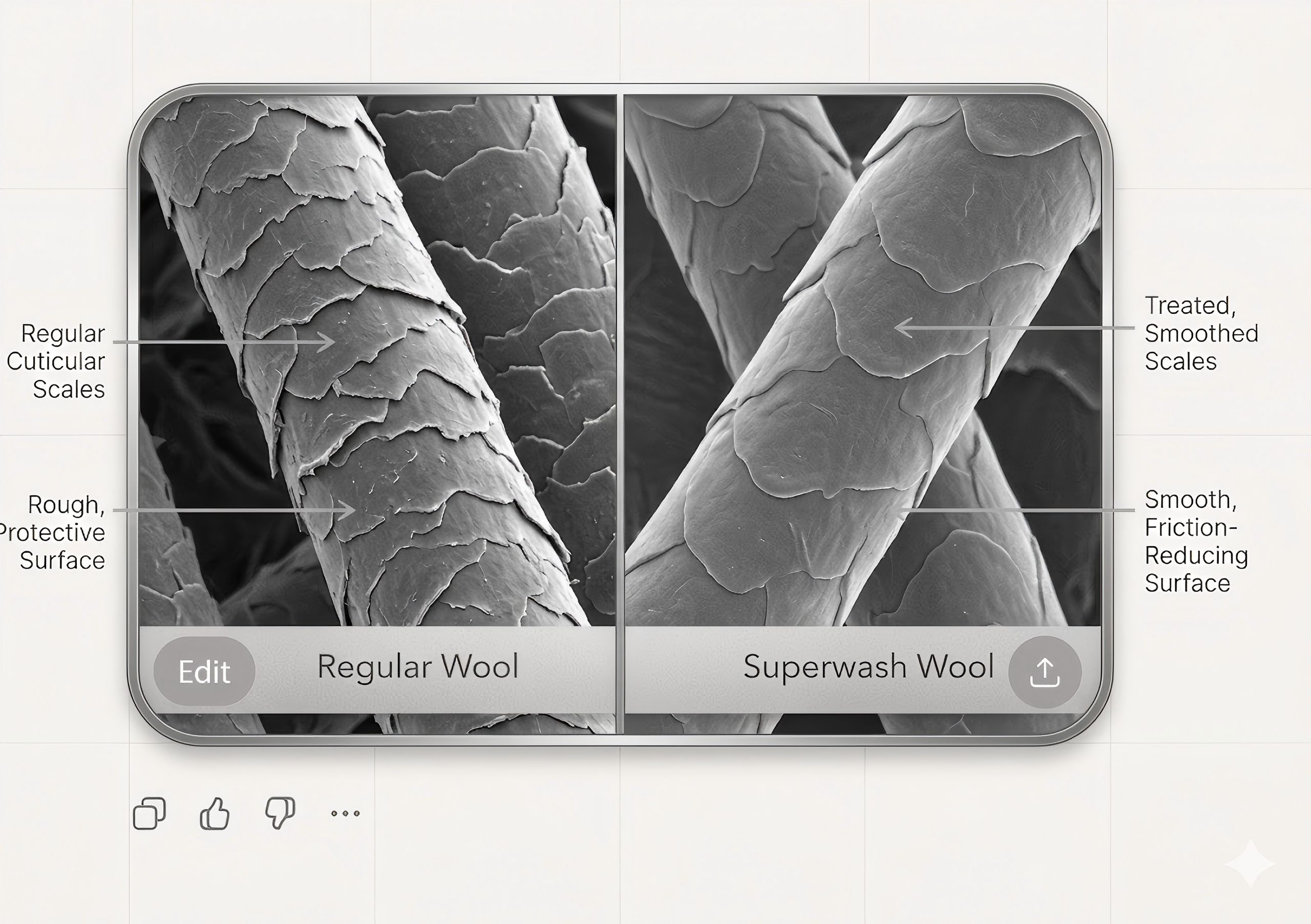
This is a critical distinction we deal with daily in production. Standard wool fibers are covered in microscopic scales, like tiny shingles on a roof. Superwash wool has been treated to either remove these scales or coat them with a fine polymer. This prevents them from grabbing onto each other during a wash. So, when a brand wants to offer an "easy-care" wool product, they must invest in this treated yarn. For Oliver, this is a strategic choice. He knows that offering a machine-washable Merino sweater appeals to customers with busy lifestyles. It's a balance—the treatment can slightly alter the yarn's natural feel, but the convenience it offers is a huge selling point. We always provide samples of both treated and untreated yarns so the brand can make an informed decision.
What Happens If You Wash Wool in the Washing Machine?
You made the mistake once. That beautiful, soft wool sweater went into the machine and came out a stiff, matted mess, small enough for a child. You've been scared ever since.
When you wash an untreated wool sweater, the machine's action causes permanent damage. The combination of water, heat, and movement forces the fiber scales to interlock. This process is called felting, and it causes the sweater to shrink irreversibly and become dense.
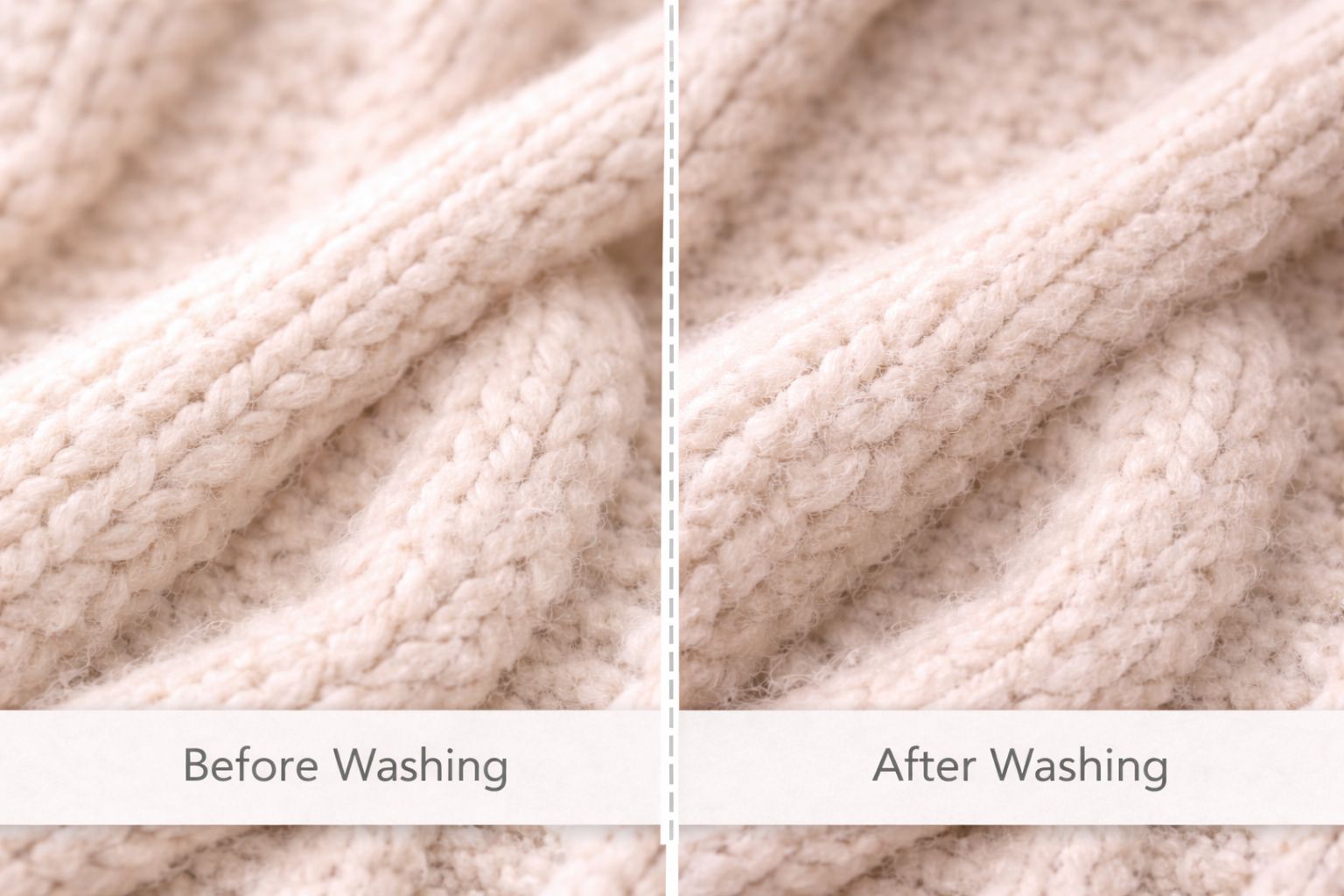
Think of the wool fibers' scales as tiny hooks. When they're dry, they lie flat. But when they get wet and are agitated, they grab onto each other and refuse to let go. Heat just makes this process happen faster. The constant tumbling and spinning of a regular wash cycle is the perfect environment for this disaster. This is why a "Wool" or "Delicate" cycle is so important. It's designed to minimize this agitation, gently rocking the clothes instead of tumbling them. The spin speed is also much lower to prevent stretching and distortion. In our development process, we run wash tests on new sweater designs to see how they perform. This data helps us give our brand partners the most accurate care instructions, protecting their customers—and their brand's reputation.
Will Wool Shrink at 30 Degrees?
You've been told that washing clothes at 30°C (86°F) is the safe, gentle option. But when it comes to wool, you're still not sure. Is a low temperature really a magical guarantee?
A 30-degree wash is not a guarantee against shrinkage for all wool. For an untreated wool sweater, the mechanical action of the machine is the real enemy, and even at a low temperature, a standard cycle can still cause it to felt and shrink.
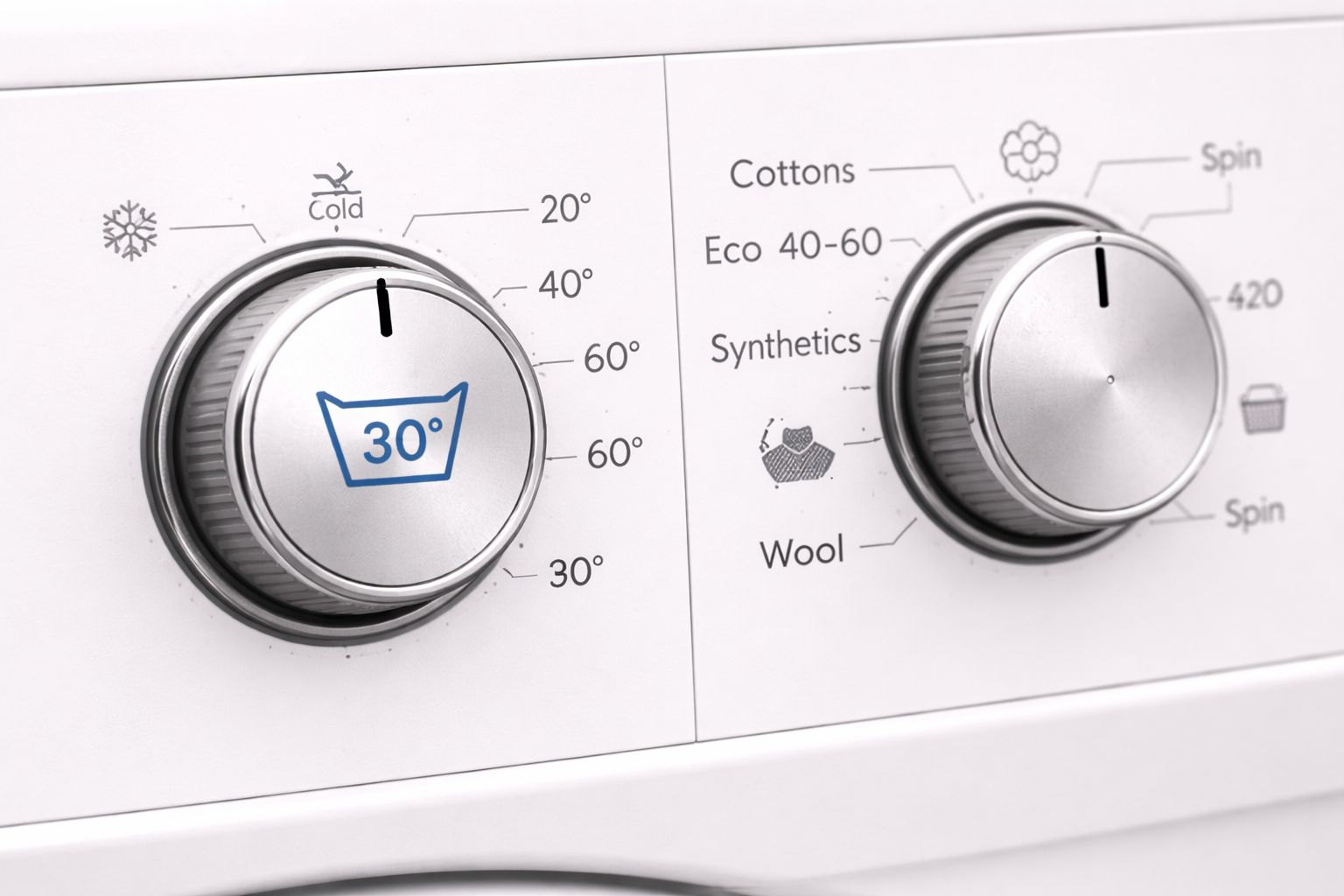
Temperature is only one part of the equation. For a successful machine wash, you need a combination of three things: low temperature, low agitation (a wool cycle), and a wool-safe detergent. Leaving one out can still lead to problems. The structure of the sweater also matters. A chunky, low-gauge knit absorbs a lot of water. It becomes very heavy, and the force of a spin cycle can stretch it out of shape, even if it doesn't felt. In contrast, a fine-gauge (like 16G) sweater is more tightly knit and dimensionally stable. It's one reason why we advocate for fully-fashioned manufacturing. By knitting each panel to shape, we create a more stable garment that maintains its structure better through washing and wearing. It's a detail that provides long-term value, something Oliver and his customers definitely appreciate.
| Factor | Bad for Wool | Good for Wool | Why it Matters |
|---|---|---|---|
| Temperature | Hot (40°C+) | Cool (30°C or less) | Heat accelerates felting. |
| Agitation | Standard/Cotton Cycle | Wool/Delicate Cycle | High agitation causes scales to lock. |
| Detergent | Enzyme-based powders | pH-neutral liquid wool wash | Enzymes can damage wool protein fibers. |
| Garment Type | Untreated Wool | Superwash/Treated Wool | Untreated wool has scales that will felt. |
Conclusion
Always check the care label on your wool sweater. For brands, offering machine-washable options requires smart yarn choices and clear instructions to build customer trust and satisfaction.