You assume cashmere is always warmer than wool because it costs more. But when you develop a lightweight cashmere sweater, you worry it won't feel as warm as a chunky wool alternative.
Cashmere is warmer than wool for its weight due to its finer, loftier fibers that trap more air. However, a sweater's actual warmth depends more on its thickness, knit density, and yarn structure than just the material name on the label.
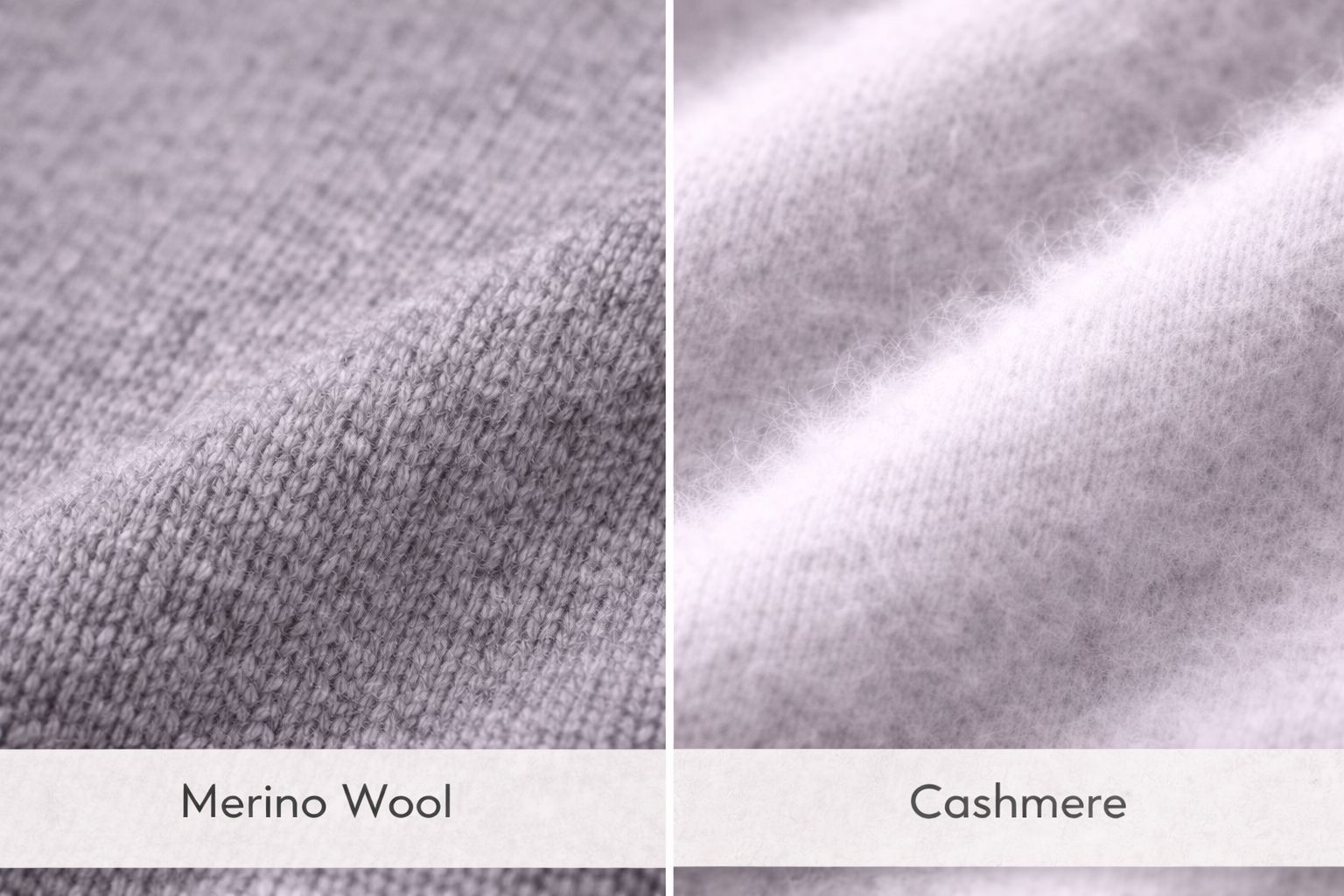
In my 13 years of manufacturing knitwear, I've seen countless product managers, like Oliver, debate this. They want to offer the best, but they often believe the myth that "more expensive equals warmer." The truth is more interesting. It's not a simple contest between two materials. It's about choosing the right tool for the job. Understanding how these yarns really work helps you create products that don't just sound luxurious, but perform exactly as your customer expects. Let's look at the real factors that determine warmth.
Is Cashmere Really Warmer Than Wool?
Your team wants to create a premium, lightweight sweater for fall. Everyone agrees on cashmere, assuming it will provide superior warmth. But you know a thick wool sweater often feels cozier.
Yes, on a fiber-to-fiber level, cashmere is warmer. Its fibers are incredibly fine and have a natural crimp that creates tiny air pockets, trapping heat more efficiently. This gives it a higher warmth-to-weight ratio. But a finished garment's warmth is a different story.
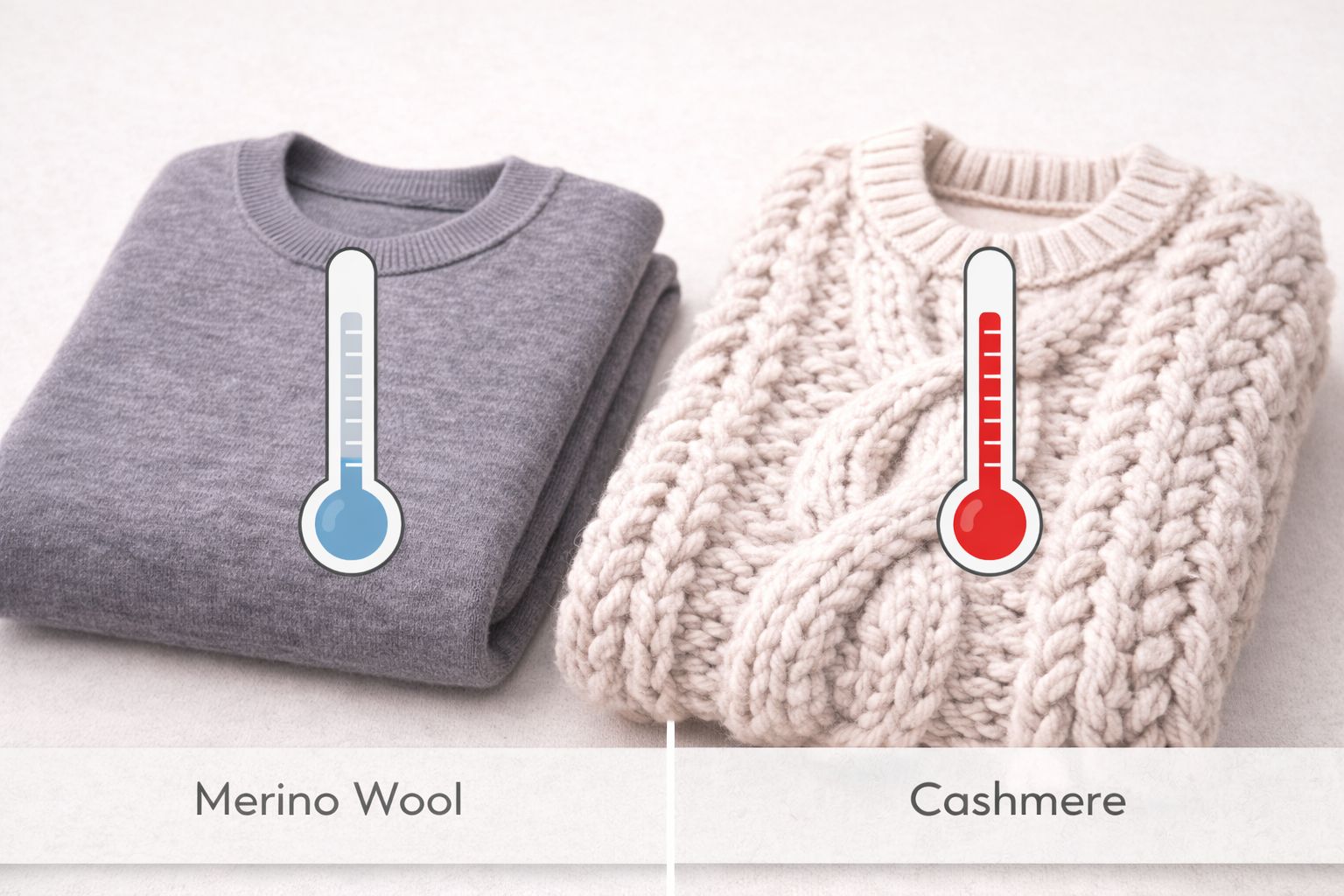
The real driver of warmth is the total amount of air a sweater can trap. A thick, dense wool sweater can easily be warmer than a thin, loosely-knit cashmere one. Think of it this way: a light down vest is warm for its weight, but a heavy-duty parka is warmer overall in a blizzard. I worked with a brand that launched a beautiful, fine-gauge cashmere collection. Customers loved the feel but were surprised it wasn't as warm as their old wool cardigans. The next season, we developed a 7-gauge cashmere piece—thicker and denser. It was a bestseller because it delivered both the luxurious feel and the expected warmth. So for product development, don't just ask "wool or cashmere?" Ask "how much insulation does this product need?"
Is Wool More Itchy Than Cashmere?
You want to use wool for its durability and cost-effectiveness. But you are afraid that customers will complain it feels itchy, a problem you don't have with cashmere.
Not all wool is created equal. Itchiness is determined by the diameter of the fiber, measured in microns. Coarser fibers are stiffer and poke the skin, causing that itchy sensation. Standard wool can have a high micron count, which makes it feel rough.

Cashmere fibers are naturally very fine, typically around 14-19 microns. This is why they feel so soft and buttery against the skin. However, high-quality wools, like Merino, have also been bred to have very fine fibers. A fine Merino wool can be 17-21 microns, making it soft enough for next-to-skin wear. The idea that "wool is itchy" is an outdated generalization. For a product manager like Oliver, this is freeing. You are not locked into cashmere for every soft garment. By specifying a fine-micron Merino wool, you can create a product that is soft, comfortable, durable, and more affordable. It opens up your options for creating high-quality knitwear without compromise.
| Fiber Type | Typical Micron Diameter | Feel Against Skin | Best Use Case |
|---|---|---|---|
| Standard Wool | 25+ microns | Often itchy, coarse | Rugged outerwear, blankets |
| Fine Merino Wool | 17 - 21 microns | Soft, comfortable | Base layers, sweaters, socks |
| Cashmere | 14 - 19 microns | Very soft, luxurious | Luxury sweaters, scarves, premium base layers |
What Is the Warmest Fabric to Wear in Winter?
You're designing your brand's ultimate winter sweater. The goal is maximum warmth. You're debating between a thick wool knit and a dense cashmere piece, and the choice feels critical.
The warmest fabric for winter is one that combines insulating fibers with a structure that traps the most air. While cashmere fibers are top-tier insulators, a product's overall warmth is a team effort between fiber, yarn construction, and knit structure.
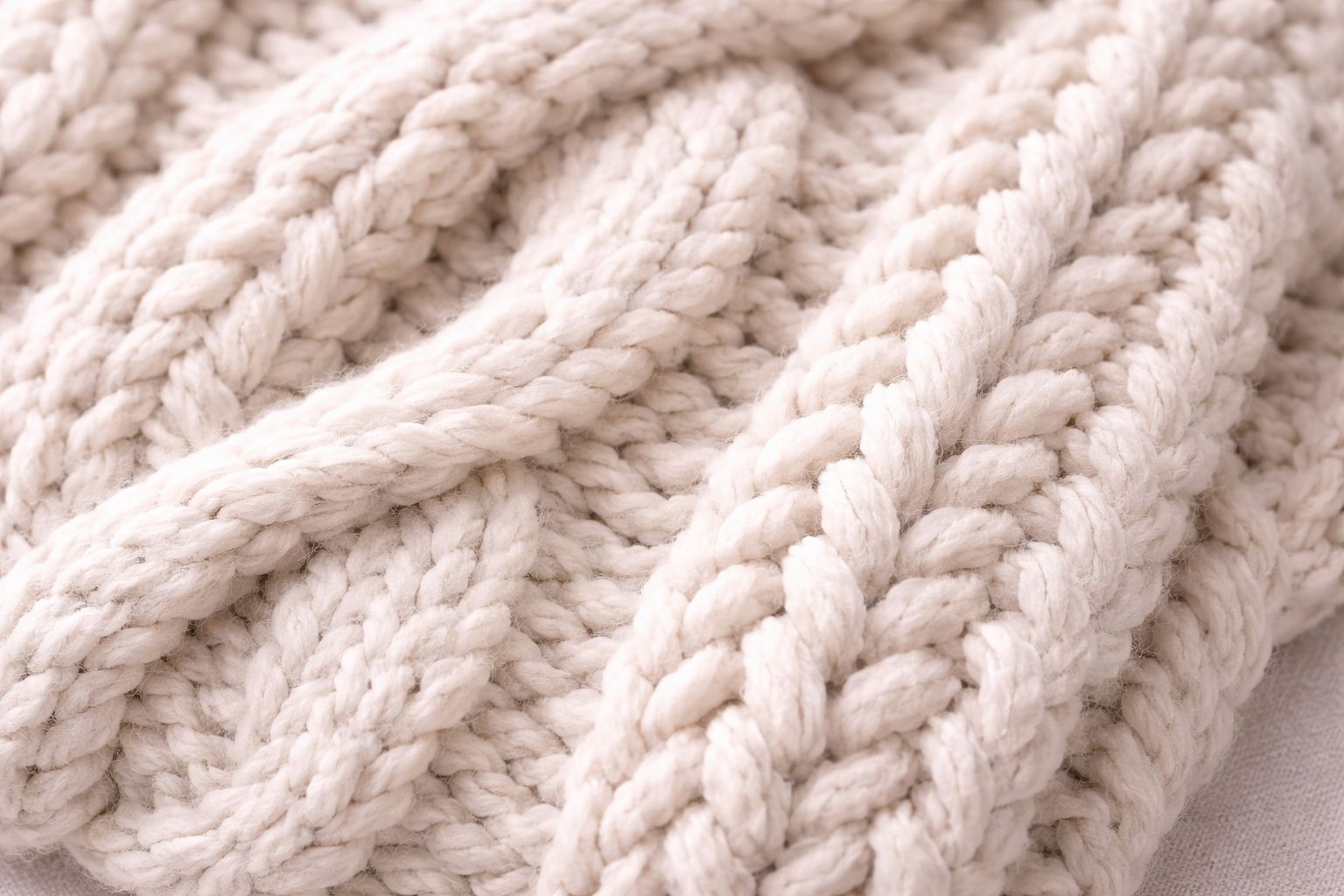
For pure, rugged warmth, a heavy wool sweater often wins. Wool is incredibly resilient. It can be spun into thick, lofty yarns and knit into a dense, low-gauge fabric (like a 5 or 7-gauge) without losing its structure. This creates a thick garment that traps a massive amount of air. Cashmere, being more delicate, is less suited for such heavy constructions and is prone to pilling and wear under heavy use. So, while a dense cashmere sweater is very warm, a well-constructed wool sweater often provides more practical and durable warmth for true winter conditions. For a brand, this means you should position your materials strategically. Use cashmere for "lightweight luxury warmth" and use a robust Merino wool for your "ultimate winter warmth" hero products. This way, you meet different customer needs perfectly.
Conclusion
Choosing between wool and cashmere is not about which is "better," but which is right for your product. Focus on yarn thickness, knit density, and durability to deliver on your brand promise.