You put on a fresh cotton shirt, feeling comfortable and ready for the day. But after a brisk walk, you feel that familiar, uncomfortable dampness clinging to your skin.
Yes, cotton holds sweat very effectively. Its natural fibers are highly absorbent, meaning they soak up moisture quickly. However, they are very slow to release it, trapping sweat against your skin. This makes the fabric heavy, wet, and can leave you feeling chilled and uncomfortable.
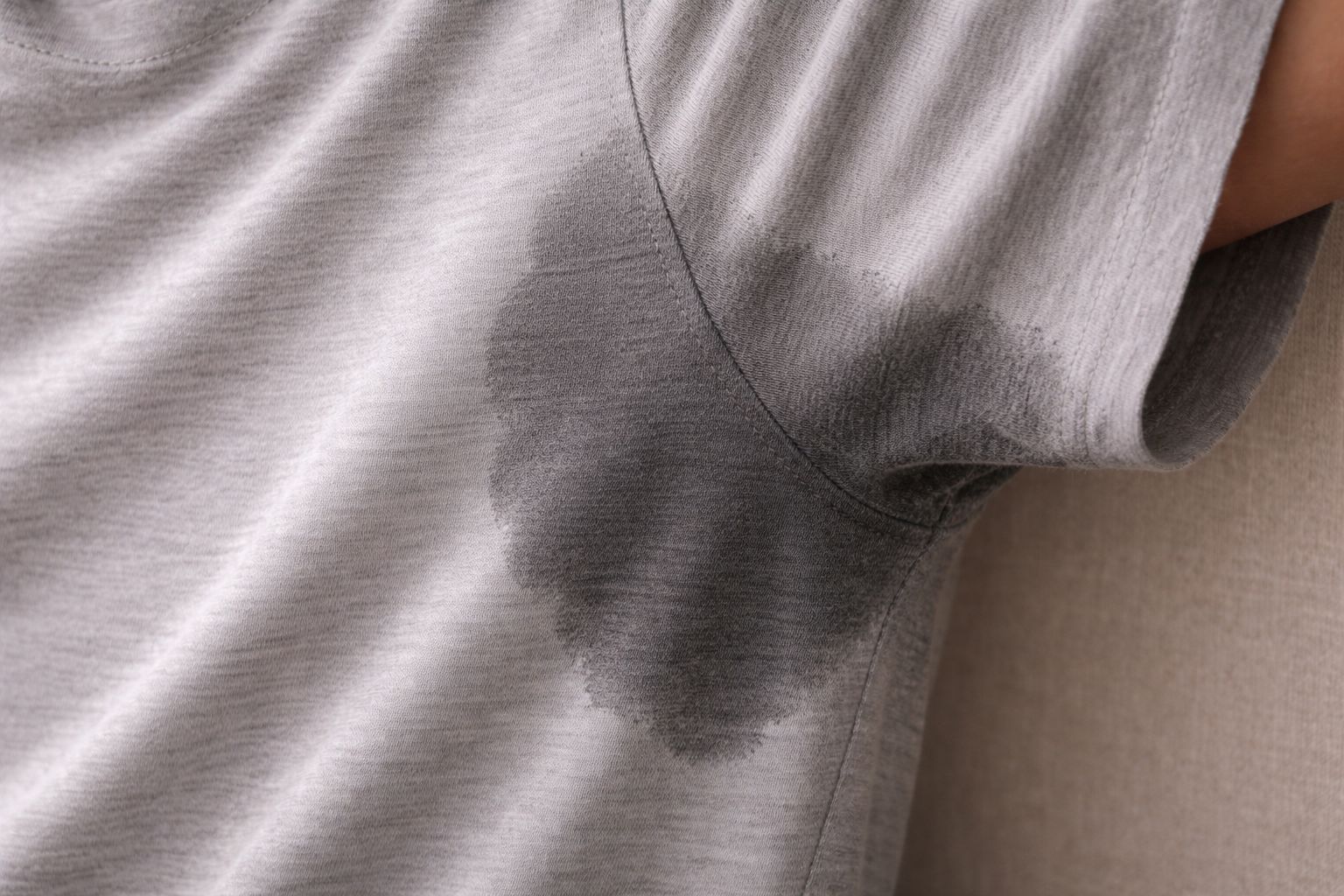
As a knitwear manufacturer, I work with different fibers every single day. I've seen firsthand how materials behave under stress, and one of the biggest misconceptions I encounter relates to cotton and sweat. People often think "absorbent" means "good for sweat," but the reality is more complex. True comfort doesn't just come from soaking up moisture; it comes from getting rid of it. Let's dive into why cotton acts the way it does and what that means for your wardrobe.
Is Cotton Good for Absorbing Sweat?
You think a 100% cotton shirt is the perfect, natural choice for a warm day. But before long, that comfortable shirt feels damp and heavy, making you wonder what went wrong.
Cotton is fantastic at absorbing sweat, thanks to its hydrophilic (water-loving) fibers. The problem is, it's terrible at letting it go. It holds onto moisture like a sponge, preventing it from evaporating. This is why it’s not ideal for situations where you expect to sweat.
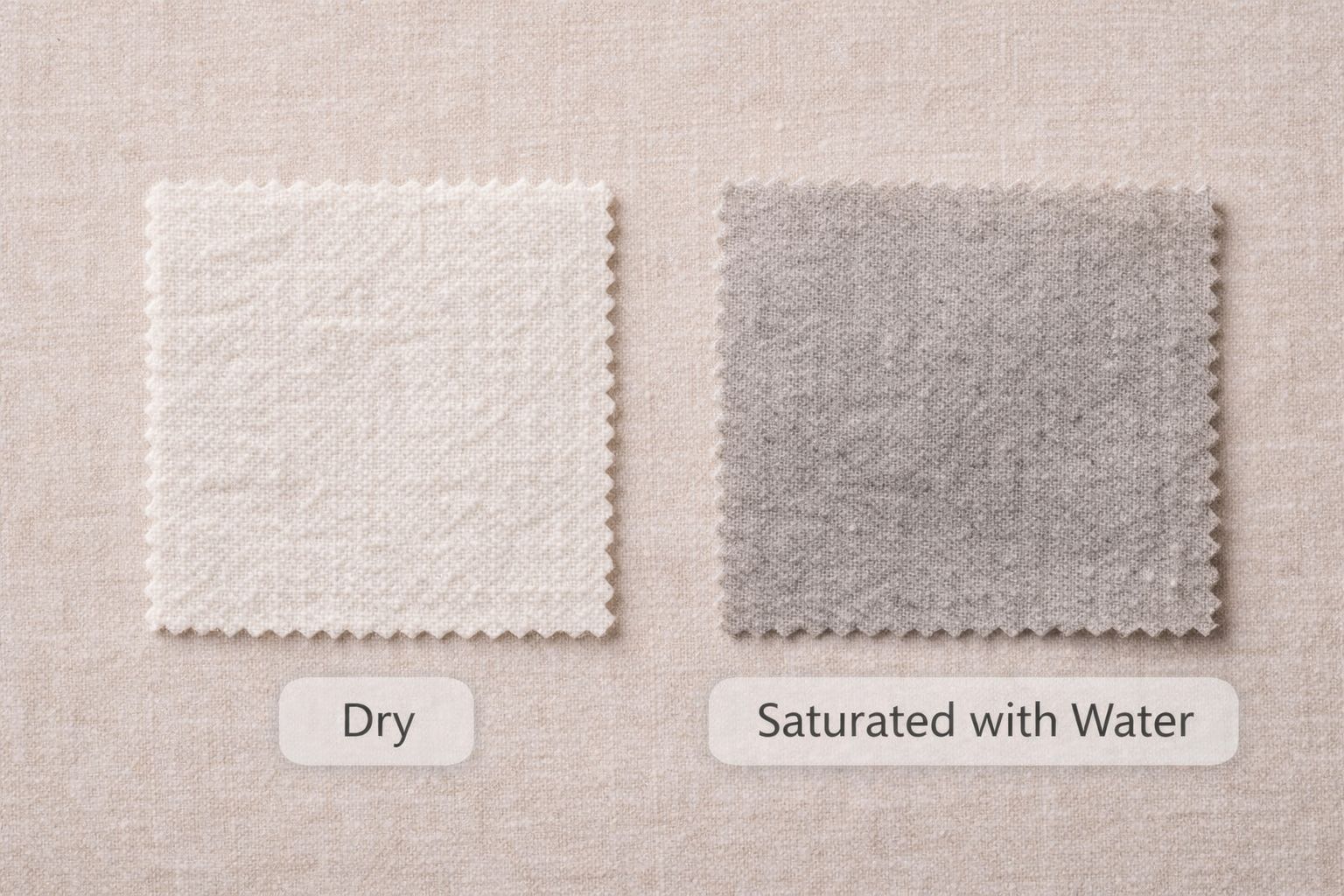
In the world of textiles, we talk about two different properties: absorption and wicking. Understanding this difference is key to understanding comfort. Absorption is a fabric's ability to take in moisture. Wicking, on the other hand, is the ability to pull moisture away from your skin and spread it across the fabric's surface so it can evaporate quickly.
Cotton is a champion of absorption but fails at wicking. When you sweat, the cotton fibers soak up the moisture and swell, trapping the water within the fabric structure. This is what creates that heavy, clingy, and clammy sensation. It's also why a wet cotton shirt takes so long to dry. For true comfort during any activity, you need a fabric that manages moisture, not just stores it.
| Property | What it Means | Cotton's Performance | The Feeling |
|---|---|---|---|
| Absorption | Soaking up moisture like a sponge. | Excellent | Initially feels dry as sweat is pulled from skin. |
| Wicking | Moving moisture away and letting it evaporate. | Poor | Quickly becomes wet, heavy, and clammy as moisture gets trapped. |
Is Cotton Good for Working Out?
You're heading to the gym and grab that old, soft cotton tee. It feels great at first, but midway through your workout, it’s soaked, uncomfortable, and suddenly you feel cold.
No, cotton is a poor choice for working out. While it effectively absorbs your sweat, it doesn’t dry out. This leaves you in a heavy, wet garment that can lead to skin irritation, chafing, and a significant post-workout chill as your body temperature drops.
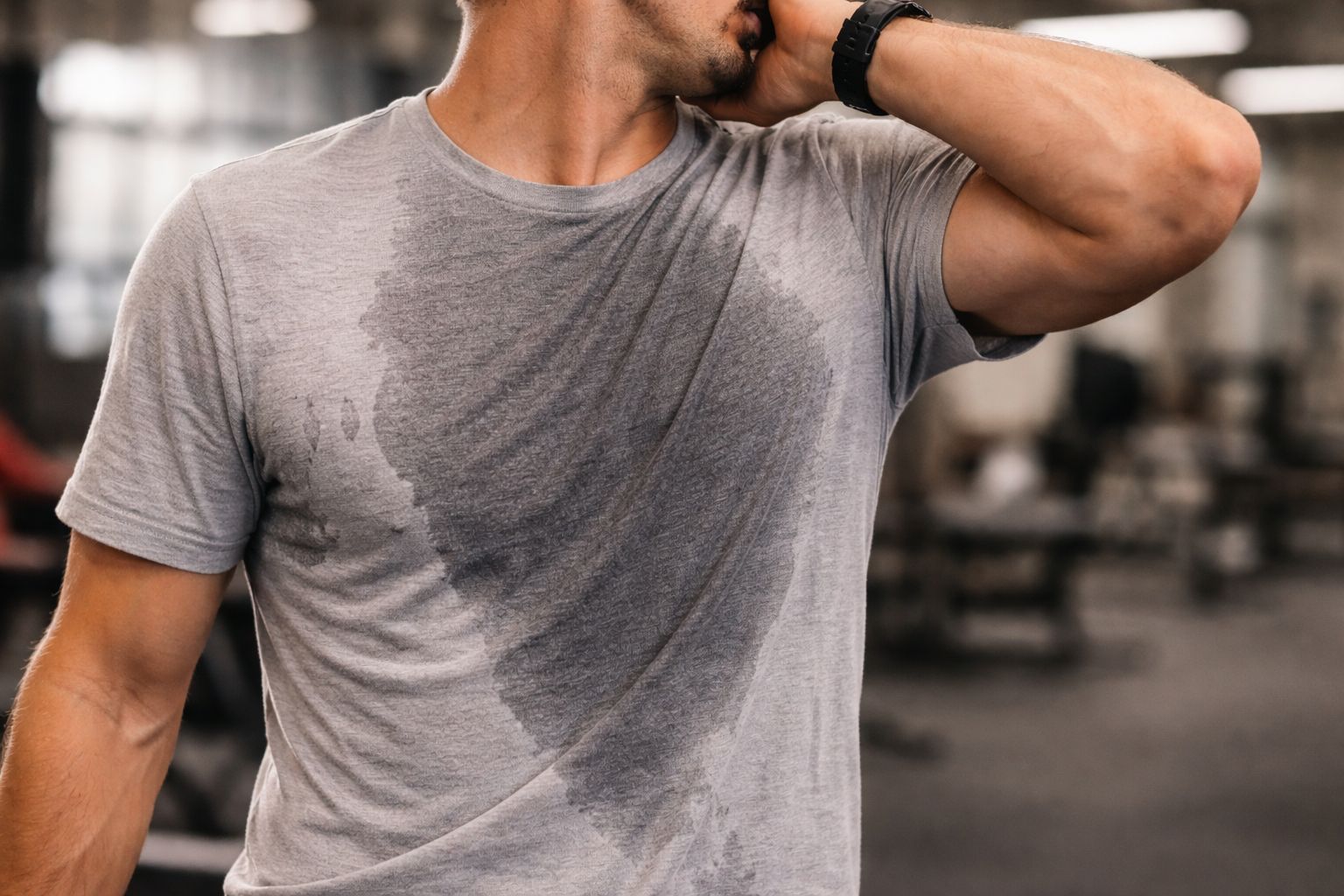
The reason athletes and performance brands avoid cotton is simple science. Water conducts heat away from the body about 25 times faster than air. When your cotton shirt is saturated with sweat, it stops being an insulator. Instead, it actively pulls heat from your body. This might feel nice for a moment when you're overheated, but as soon as you stop moving or a cool breeze hits, you can experience a rapid drop in body temperature. This phenomenon, often called "post-exercise chill," is not just uncomfortable—it can be dangerous in cooler conditions.
In contrast, performance fabrics are designed to manage this process. They use wicking to keep your skin relatively dry, which helps regulate your body temperature far more effectively.
| Fiber | Moisture Management | Drying Speed | Best For |
|---|---|---|---|
| Cotton | Absorbs, but doesn't wick. | Very Slow | Low-intensity, casual wear. |
| Merino Wool | Absorbs and wicks. | Moderate | All-weather activity, hiking. |
| Polyester | Wicks, but doesn't absorb. | Very Fast | High-intensity workouts, running. |
Why Don’t Athletes Wear Cotton?
You watch professional sports and notice everyone is wearing sleek, synthetic-looking gear, never a plain cotton shirt. You might wonder if it's just for looks or if there's a real advantage.
Athletes don’t wear cotton because it actively works against them during physical exertion. A sweat-soaked cotton garment becomes heavy, restrictive, and a source of distraction and discomfort. It hinders performance by increasing the risk of chafing and failing to regulate body temperature effectively.
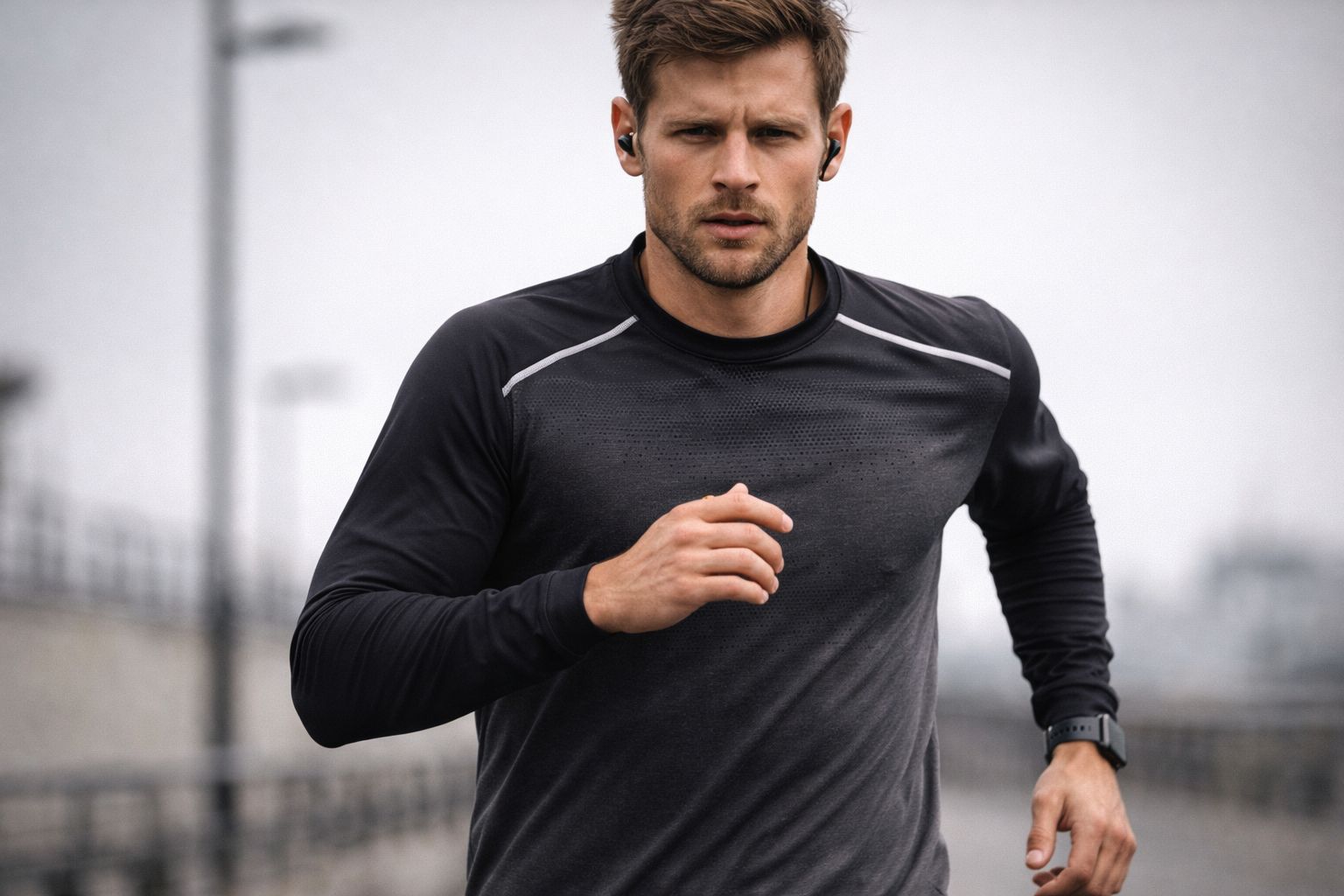
From a manufacturing standpoint, this is where material science becomes crucial. As a product developer for menswear brands, I know that choosing the right yarn is based entirely on the product's end-use. We would never specify 100% cotton for a running top. However, we can engineer fabrics to give customers the "best of both worlds."
For example, blending cotton with a synthetic fiber like polyester can significantly improve its performance. The cotton provides the soft, natural feel that customers love, while the polyester adds durability and, most importantly, wicking capabilities. The polyester fibers create channels within the fabric to help pull moisture away and speed up drying time. We can also use specific knit structures, like a jersey or a piqué, to enhance airflow. This kind of thoughtful design is critical for creating a product that performs well and keeps the customer happy. It's our job to communicate these benefits, explaining why a cotton-blend shirt is a smarter choice than pure cotton for an active lifestyle.
| Blend / Structure | How It Improves on Cotton | Ideal Use Case |
|---|---|---|
| Cotton/Polyester Blend | Adds wicking, durability, and speeds drying. | Active lifestyle, travel, versatile daily wear. |
| Cotton/Merino Blend | Adds temperature regulation and better moisture management. | Premium travel wear, light hiking, multi-season layers. |
| Jersey Knit Structure | Creates a lightweight fabric with natural stretch and breathability. | High-quality T-shirts, casual tops. |
Conclusion
Cotton excels at absorbing sweat but fails to dry quickly. This makes it perfect for relaxed, casual wear but a poor choice for any activity that makes you perspire.