You receive a perfect wool sweater prototype. But one wrong wash can ruin it, leading to customer complaints and damaging your brand’s reputation. Here’s what you need to know first.
Yes, you can and should wash most wool sweaters in cold water. Cold water is the safest starting point because it minimizes the risk of the wool fibers felting and shrinking. However, temperature alone isn't enough; you must also use a gentle detergent and avoid harsh friction.
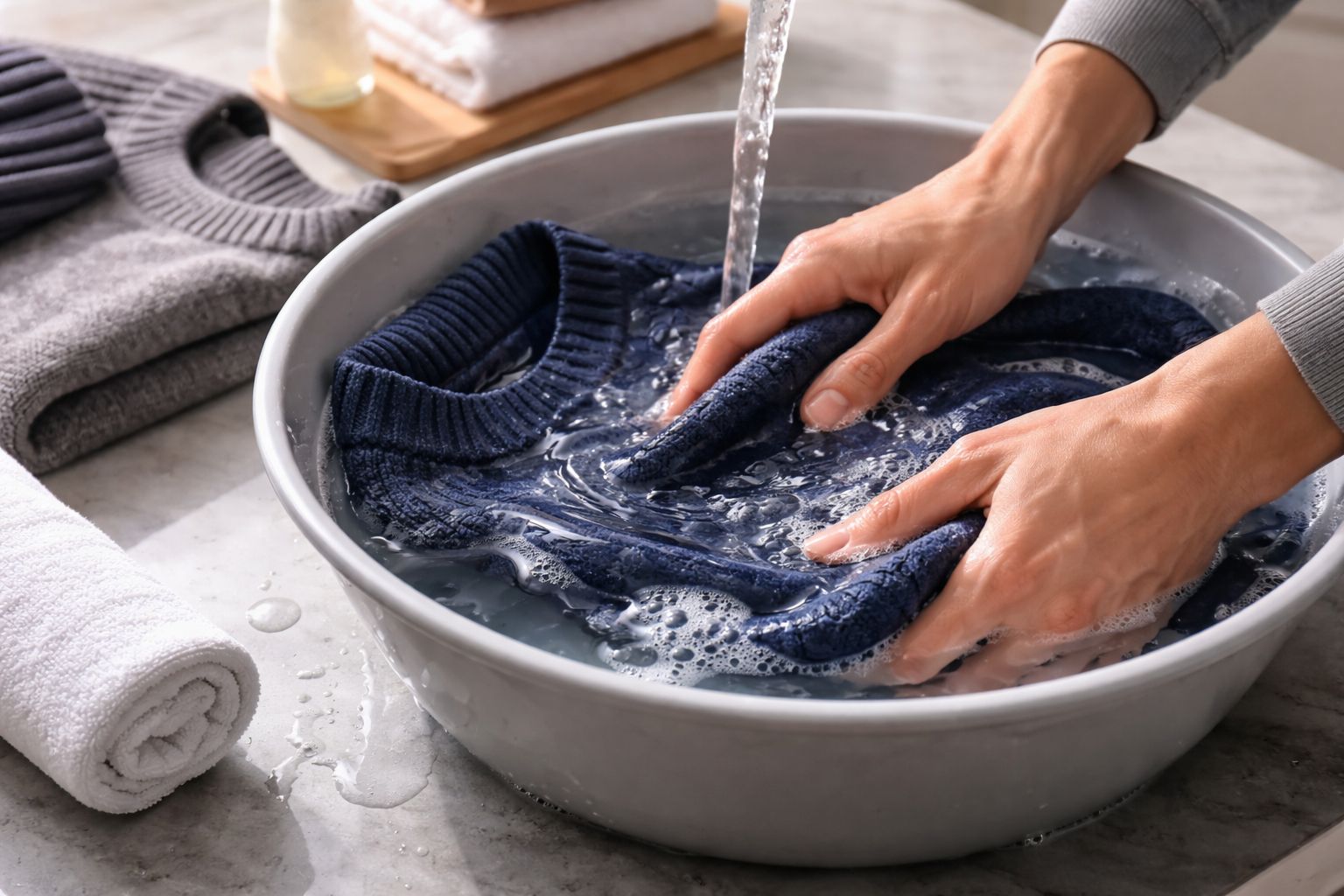
As a manufacturer, this is one of the most common questions I get from product managers like Oliver. They want to give customers clear, safe care instructions. The answer isn't a simple "yes" or "no" because washing wool properly involves more than just the water temperature. It's a balance of temperature, mechanical action, and the right cleaning agents. Let's break down exactly what brands and their customers need to understand to keep their knitwear looking great for years.
Can I Wash 100% Wool in Cold Water?
You’ve sourced a beautiful, 100% wool yarn for a new collection. Now, you worry that one wrong instruction on the care label could lead to returns. Is cold water safe enough?
Yes, cold water is the best choice for 100% wool. It keeps the microscopic scales on the wool fibers from opening up and locking together, which is the primary cause of shrinking. This makes it the foundation of safe and effective home laundering for wool garments.
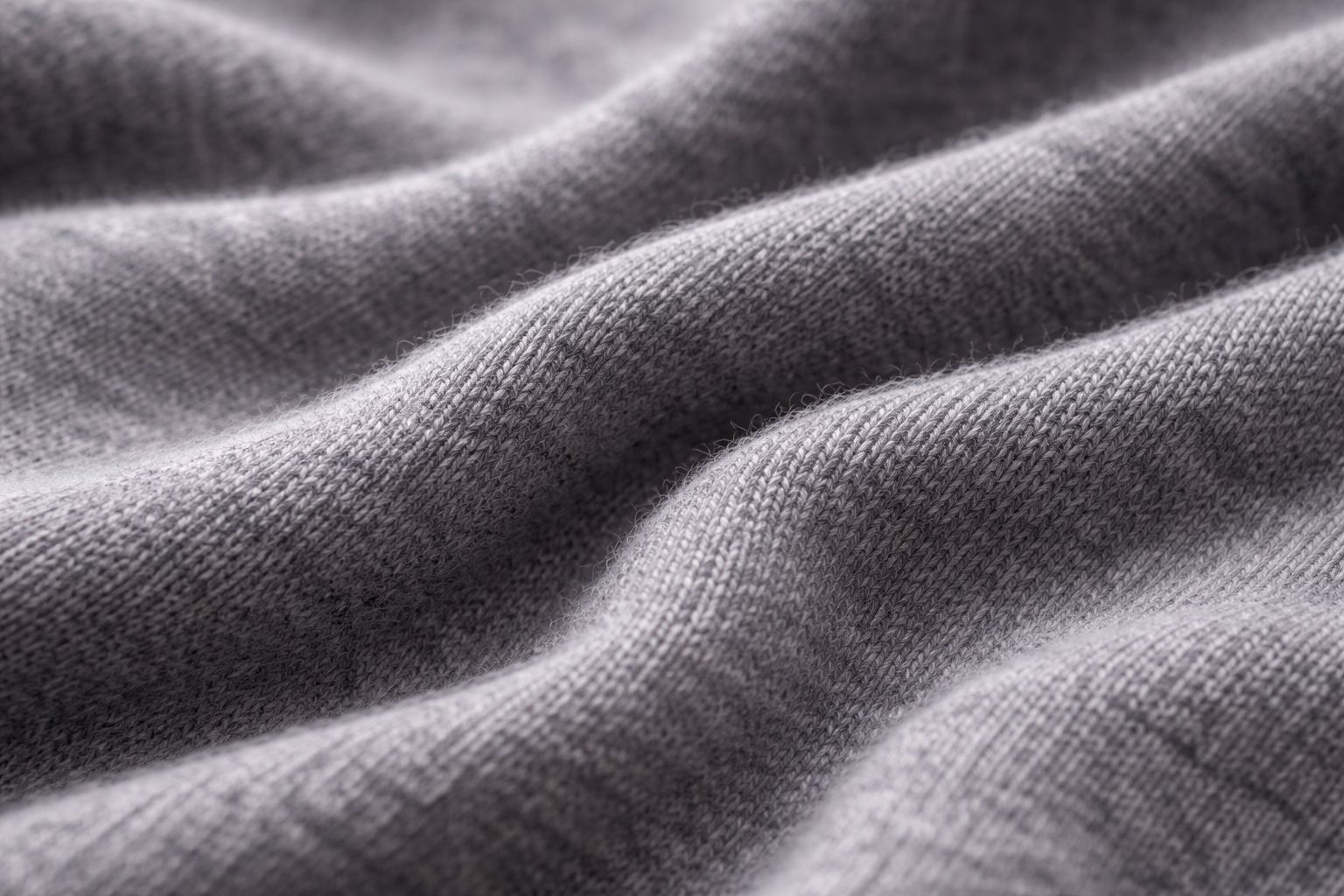
To understand why cold water is so important, we have to look at the structure of a wool fiber. Imagine the fiber is covered in tiny, overlapping scales, like shingles on a roof. When you expose wool to heat and agitation, these scales open up. As the fibers rub against each other, the open scales hook and lock together, causing the fabric to mat and shrink. This process is called felting, and it's irreversible.
Cold water keeps these scales mostly closed, drastically reducing the chance of felting. But it can't prevent it entirely if other negative factors are present. I always tell my clients to think of wool care as a three-part system.
The Three Pillars of Wool Care
| Factor | High Risk (Causes Damage) | Low Risk (Safe for Wool) |
|---|---|---|
| Temperature | Hot Water | Cold or Lukewarm Water |
| Friction | Machine Tumbling, Wringing | Gentle Squeezing, Soaking |
| Chemicals | Standard Laundry Detergents (Enzymes) | pH-Neutral Wool Wash |
As a brand, your care label should guide the customer to control all three of these factors. Recommending "cold water" is the first and most critical step, but it works best when paired with instructions for gentle handling and the right type of soap.
What Happens If You Machine Wash 100% Wool?
The convenience of a washing machine is tempting for customers. But the aggressive tumbling, even on a 'wool' cycle, can damage a sweater. So what really happens inside that drum?
When you machine wash 100% wool, the tumbling action creates intense friction that can cause the fibers to felt and shrink, even in cold water. The high-speed spin cycle also stretches the water-heavy fibers, which can permanently distort the sweater's shape and silhouette.
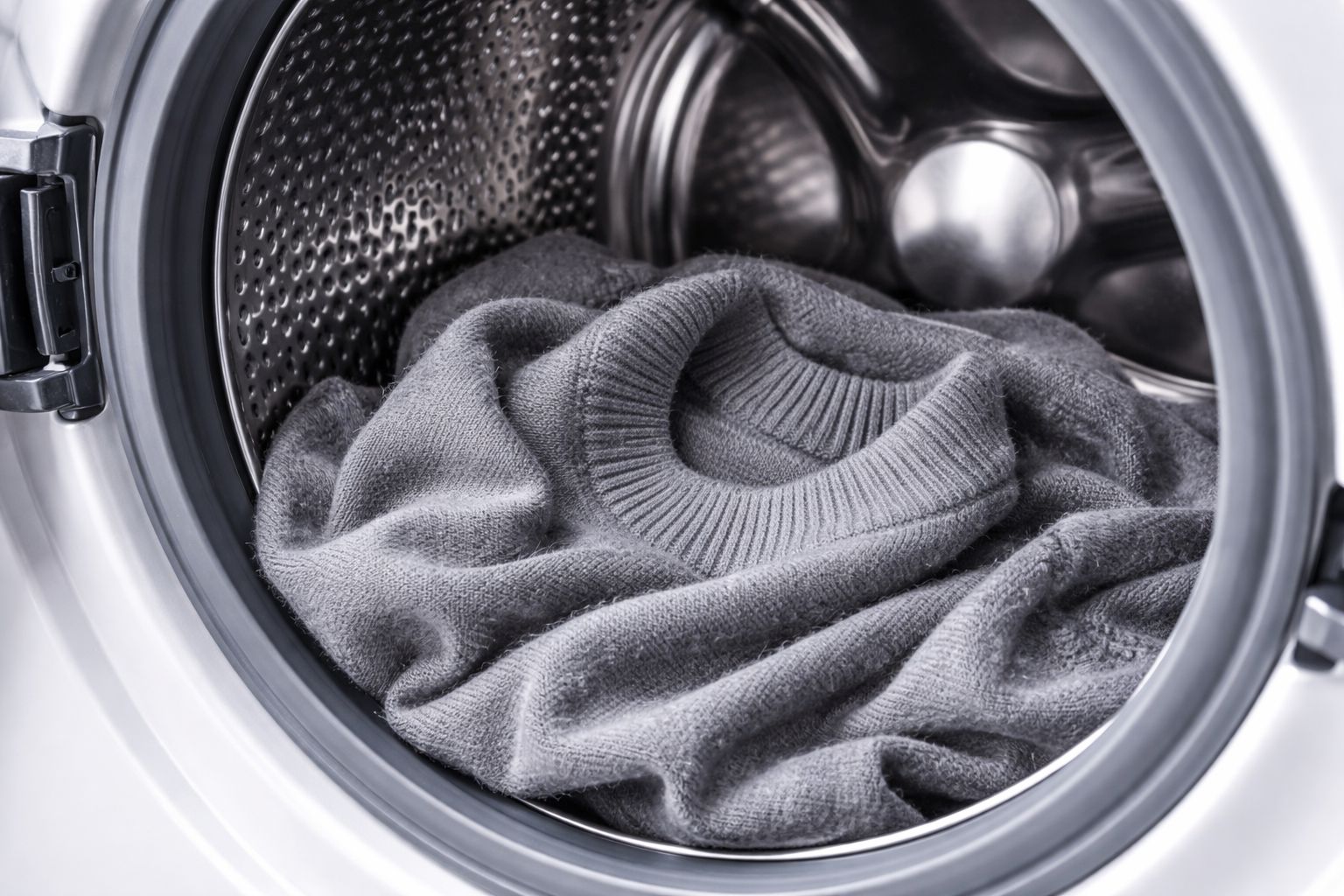
The main difference between hand washing and machine washing is the intensity of the mechanical action. In a machine, the sweater is repeatedly lifted and dropped against the metal drum and other clothes. This constant rubbing is exactly the kind of agitation that causes wool scales to interlock. Furthermore, a wool sweater can absorb up to 30% of its weight in water without feeling damp. When fully saturated, it becomes incredibly heavy. The centrifugal force of the spin cycle pulls on this weight, stretching the shoulders, sleeves, and body in ways the garment was never designed to handle.
However, as manufacturers, we can make sweaters more resilient to washing. This is a key part of the product development process.
Manufacturing for Durability
- Superwash Wool: This wool has been treated to remove or coat its scales, making it much more resistant to felting. It's a great option for brands targeting customers who value easy care.
- High-Gauge Knits: A sweater knit in a high gauge, like 16G, has a tighter, denser structure. The yarns have less room to move and rub against each other, reducing the risk of pilling and shrinkage compared to a loose, low-gauge knit.
- Fully-Fashioned Construction: Creating sweater panels that are knitted to the exact shape, rather than cut and sewn, ensures the tension is continuous throughout the garment. This helps the sweater hold its form better after washing.
By making these choices during development, we can create a product that stands up better to real-world use and potential washing mistakes.
Is It Better to Hand Wash or Dry Clean Wool Sweaters?
You're finalizing the care label. Do you recommend hand washing, or the "safer" but more expensive option of dry cleaning? This choice can influence a customer's decision to buy.
For regular cleaning and preserving the natural softness of wool, hand washing is better. It's gentler on the fibers. Dry cleaning is best reserved for removing stubborn, oil-based stains, as its chemical solvents can strip the wool’s natural lanolin over time.
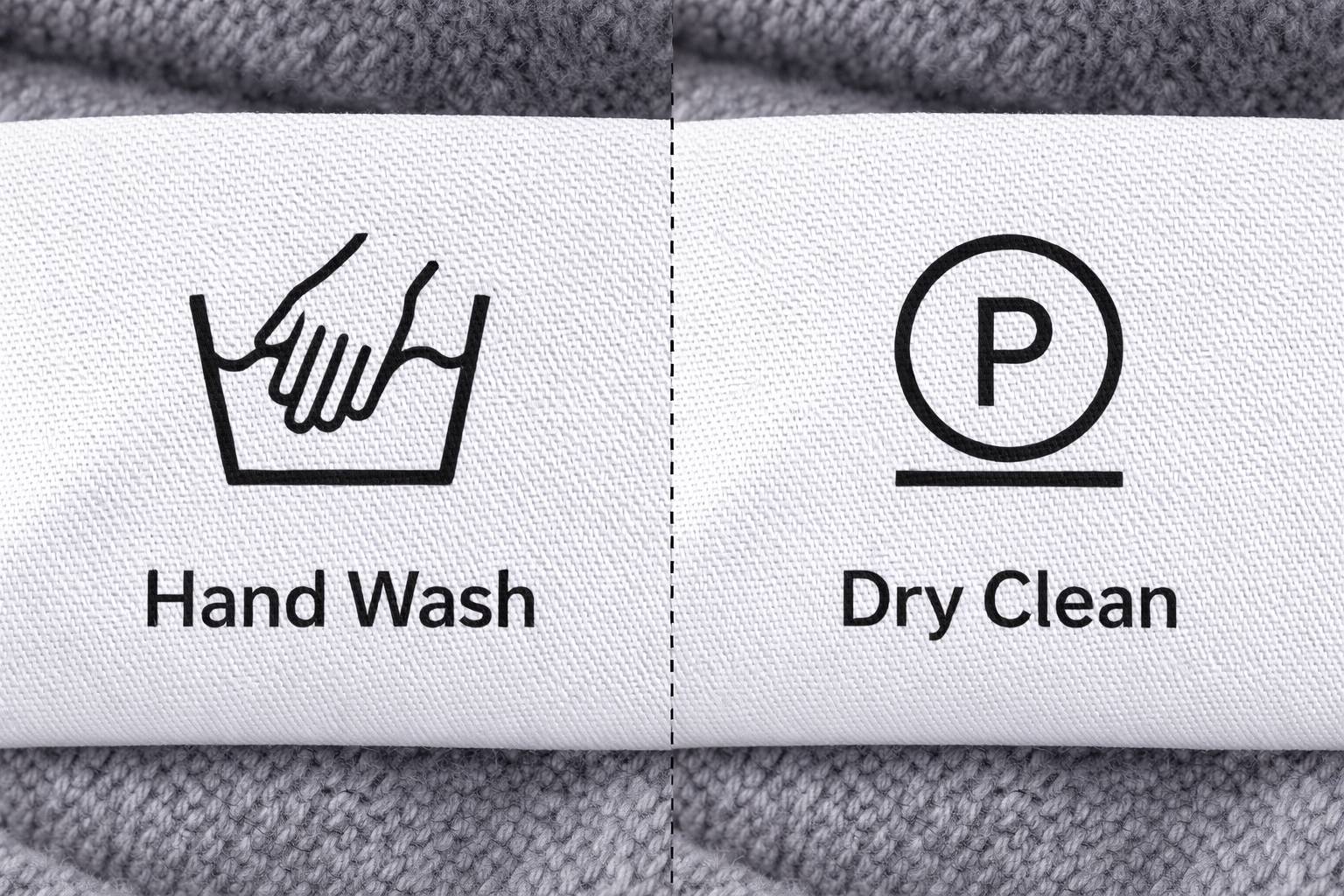
Both methods have their place, and the best recommendation often depends on the specific garment and the brand's positioning. For my partners, I explain the trade-offs so they can make an informed decision for their customers. Oliver, one of the product managers I work with, always asks for wash test results before finalizing his care labels. We test our sweaters to ensure shrinkage is controlled within a tight tolerance (usually ±5%), which gives him the confidence to recommend the right method.
Here’s a simple breakdown I share with clients:
| Feature | Hand Washing | Dry Cleaning |
|---|---|---|
| Method | Water and gentle, pH-neutral soap | Chemical solvents |
| Pros | Revitalizes fibers, eco-friendly, gentle | Removes tough oil stains, convenient |
| Cons | Can be time-consuming, risk of user error | Harsh chemicals, can weaken fibers over time |
| Best For | Regular cleaning of high-quality knitwear | Specific stain removal, structured coats |
Ultimately, for a brand that prides itself on premium, natural fibers, guiding customers toward gentle hand washing is often the best long-term strategy. It empowers them to care for their garment properly, which builds trust and reinforces the quality message.
Conclusion
Cold water is the best foundation for washing wool. But true garment care comes from combining it with gentle handling, the right detergent, and smart design choices made during production.