Your design team wants to use organic cotton, claiming it’s a must-have for the new collection. But you're seeing higher costs and wondering if it's just marketing hype.
Yes, organic cotton is better for the environment because its farming methods prohibit synthetic pesticides and fertilizers. This improves soil health, protects water quality, uses less energy, and promotes biodiversity, creating a more sustainable agricultural system compared to conventional cotton farming.

As a product manager, you're constantly weighing material choices. The term "organic cotton" comes up in almost every strategy meeting. It sounds good, but you need to know the real difference it makes—not just for your brand's marketing story, but for the actual quality of your knitwear and the integrity of your supply chain. I've been working with different cotton yarns for over a decade, and I can tell you the distinction is crucial. It's not just about a tag; it's about a completely different approach to farming and manufacturing. Let’s look at the facts so you can make decisions with confidence.
Is 100% cotton and 100% organic cotton the same?
You see two sweaters labeled “100% Cotton” and “100% Organic Cotton.” They feel similar, so what’s the real difference? This confusion can make it hard to justify the higher cost.
No, they are not the same in practice. While the cotton fiber itself is identical, the 'organic' label guarantees the cotton was grown without synthetic pesticides, fertilizers, or GMOs. The difference lies entirely in the farming method and its impact on the environment, not the final fiber.

From a manufacturer’s point of view, this is the most important distinction to grasp. When Oliver, a product manager I work with, first explored organic cotton, he asked me, "Is the yarn itself stronger or softer?" I had to explain that the natural properties of the cotton fiber don't change. You can have high-quality conventional cotton and lower-quality organic cotton, and vice-versa. The "organic" certification is about the journey, not the destination. It tells a story of soil health, water preservation, and a safer environment for farmers. For knitwear production, this means we must be even more diligent. Organic cotton yarn can sometimes have slight variations between batches because the farming inputs aren't standardized with chemicals. It requires experience to manage knitting tension and finishing to ensure the final garment is perfect.
Is organic cotton more environmentally friendly?
Everyone says organic is 'greener', but what does that actually mean in numbers? Without clear facts, 'environmentally friendly' just sounds like a vague promise that’s hard to sell to your finance team.
Yes, organic cotton is significantly more environmentally friendly. It reduces water pollution by 98% because it bans hazardous synthetic pesticides and fertilizers. It also promotes soil health, which improves water retention and requires less irrigation over time, making it a more sustainable choice.
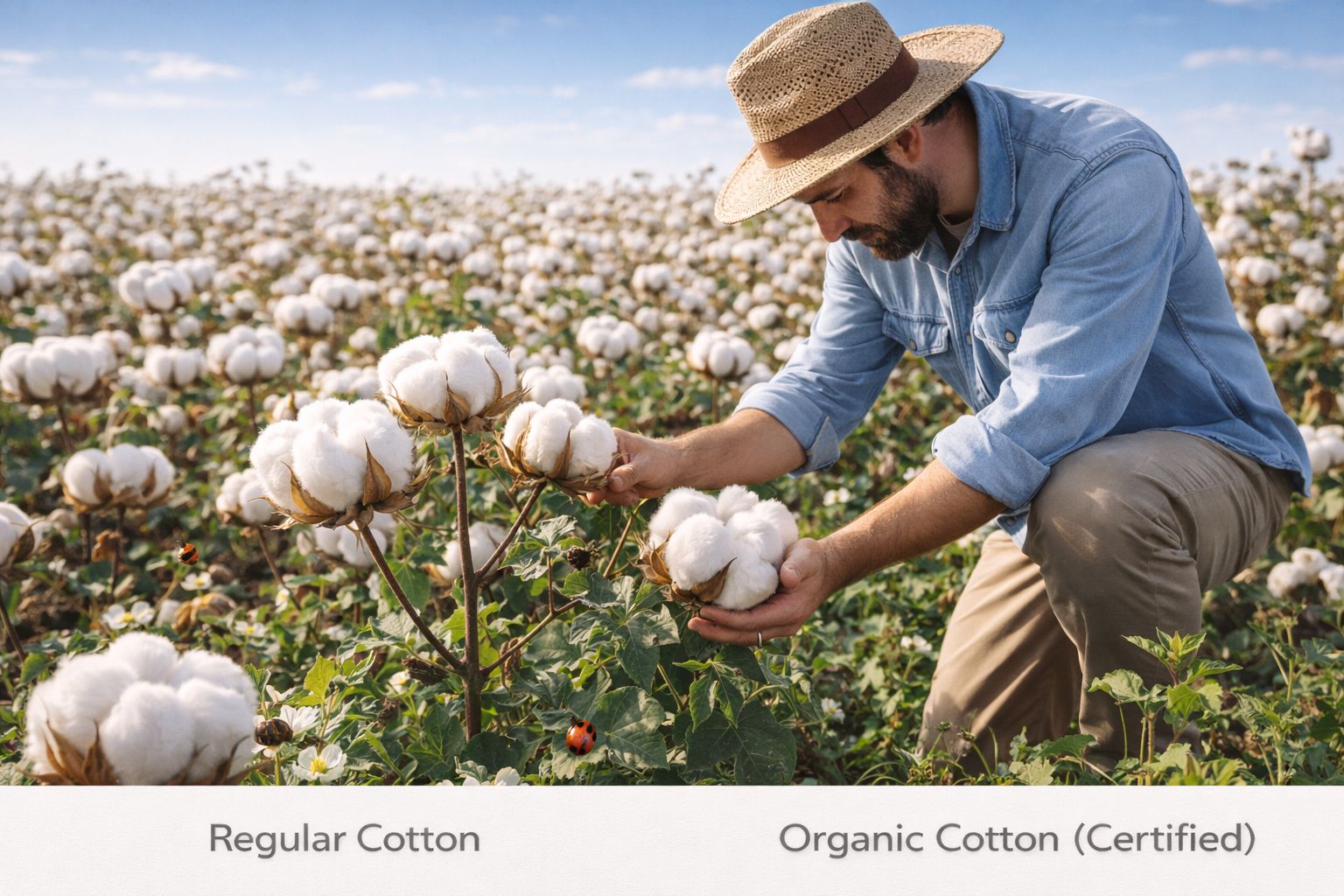
Brands often ask me for a simple "yes" or "no," but the real answer is in the details. The environmental benefit isn't magic; it's a result of a different farming system. Conventional cotton is a very demanding crop. It uses a lot of water and accounts for a large share of the world's insecticide and pesticide use. These chemicals can damage soil health over time, making it less fertile and less able to hold water, which creates a cycle of dependency. Organic farming breaks this cycle. It focuses on crop rotation and natural fertilizers like compost to build healthy, living soil. This healthy soil acts like a sponge, retaining more water and reducing the need for heavy irrigation. So, while organic cotton still requires resources, its long-term impact on the ecosystem is far lower. It's a shift from a short-term, high-yield mindset to a long-term, sustainable one.
What are the benefits of organic cotton?
Beyond being 'green', what are the real, tangible benefits of switching to organic cotton? You need clear advantages to convince your team and justify the shift in your supply chain.
The benefits of organic cotton include environmental protection, a transparent and traceable supply chain through certifications like GOTS, improved health for farmers, and meeting the rising consumer demand for responsibly made products. It builds brand trust and ensures accountability from farm to final garment.

When I discuss materials with product managers like Oliver, we talk about benefits beyond the fiber itself. For a modern menswear brand, trust is everything. This is where organic cotton really shines. The value isn't just in the material, but in its verifiable story. Certifications like the Global Organic Textile Standard (GOTS) provide a level of transparency that conventional cotton lacks. GOTS doesn't just check the farm; it audits the entire supply chain, from ginning and spinning to knitting and finishing. It ensures that social standards are met, chemicals are restricted, and the final product is truly organic. For a brand, this is a powerful tool. It protects you from "greenwashing" and gives you a credible story to tell your customers. Consumers today are more educated than ever. They want to know where their clothes come from. Organic cotton, backed by a strong certification, gives them a clear and honest answer.
Why Brands Are Choosing Organic Cotton
The decision to use organic cotton is a strategic one rooted in brand value and long-term vision. It's about aligning your product with the expectations of the modern consumer.
| Benefit | Description for Brands | Why It Matters to Consumers |
|---|---|---|
| Traceability & Trust | GOTS and OCS certifications provide a clear, auditable supply chain. This minimizes risk and ensures claims are backed by proof. | Consumers can trust that the "organic" label is legitimate, which builds loyalty and confidence in the brand's ethical claims. |
| Environmental Responsibility | Using organic cotton demonstrates a real commitment to reducing your brand's environmental footprint, protecting water, soil, and biodiversity. | Buyers feel good about their purchase, knowing it supports a healthier planet. It aligns their values with their consumption habits. |
| Meeting Market Demand | Consumers are increasingly searching for "sustainable," "eco-friendly," and "organic" products. Offering organic cotton keeps your brand relevant and competitive. | It shows that the brand is listening and responding to consumer priorities, positioning itself as a modern and responsible choice. |
| Long-Term Brand Building | Integrating organic materials is part of creating a sustainable brand identity. It’s a long-term investment, not a seasonal trend. | It helps build a narrative of quality and responsibility that goes beyond a single product, creating a deeper connection with the brand. |
For a mid-to-high-end brand, organic cotton should be part of a larger material strategy. It requires more than just placing an order; it requires a partnership with a manufacturer who understands the nuances of the yarn and can deliver consistent quality. It’s about communicating its value honestly to your customers, creating a brand that is both desirable and dependable.
Conclusion
Choosing organic cotton is more than a trend; it's a strategic decision. It reflects a commitment to environmental responsibility, supply chain transparency, and building a brand that customers can truly trust.