Figuring out how to get wrinkles out of a wool sweater can be stressful. You don't want to use a hot iron and risk damaging the delicate fibers. The good news is, there are safe and easy solutions.
The best way to get wrinkles out of a wool sweater is to use gentle steam from a garment steamer or hang it in a steamy bathroom. This method relaxes the wool fibers, allowing creases to fall out naturally without the risk of heat damage.

As a manufacturer, I've seen countless beautiful sweaters damaged by improper care. Wrinkles in wool are a natural result of its fiber and knit structure, not a quality flaw. Understanding this is the key to preserving the life and look of your garments. The goal is never to press the wrinkles out, but to help the fibers relax back into their original shape. Before you even think about plugging in an iron, let's explore the safest and most effective methods that we use in the industry.
Can you steam wrinkles out of wool?
Your wool knitwear is creased after unpacking it. You need a quick fix before wearing it but are afraid to cause damage. Steaming offers a fast, gentle, and effective solution.
Yes, steaming is the best and safest way to remove wrinkles from wool. The warm, moist air penetrates the fibers, causing them to relax and straighten without the damaging pressure and high heat of an iron. A garment steamer is ideal, but hanging it in a steamy bathroom also works well.
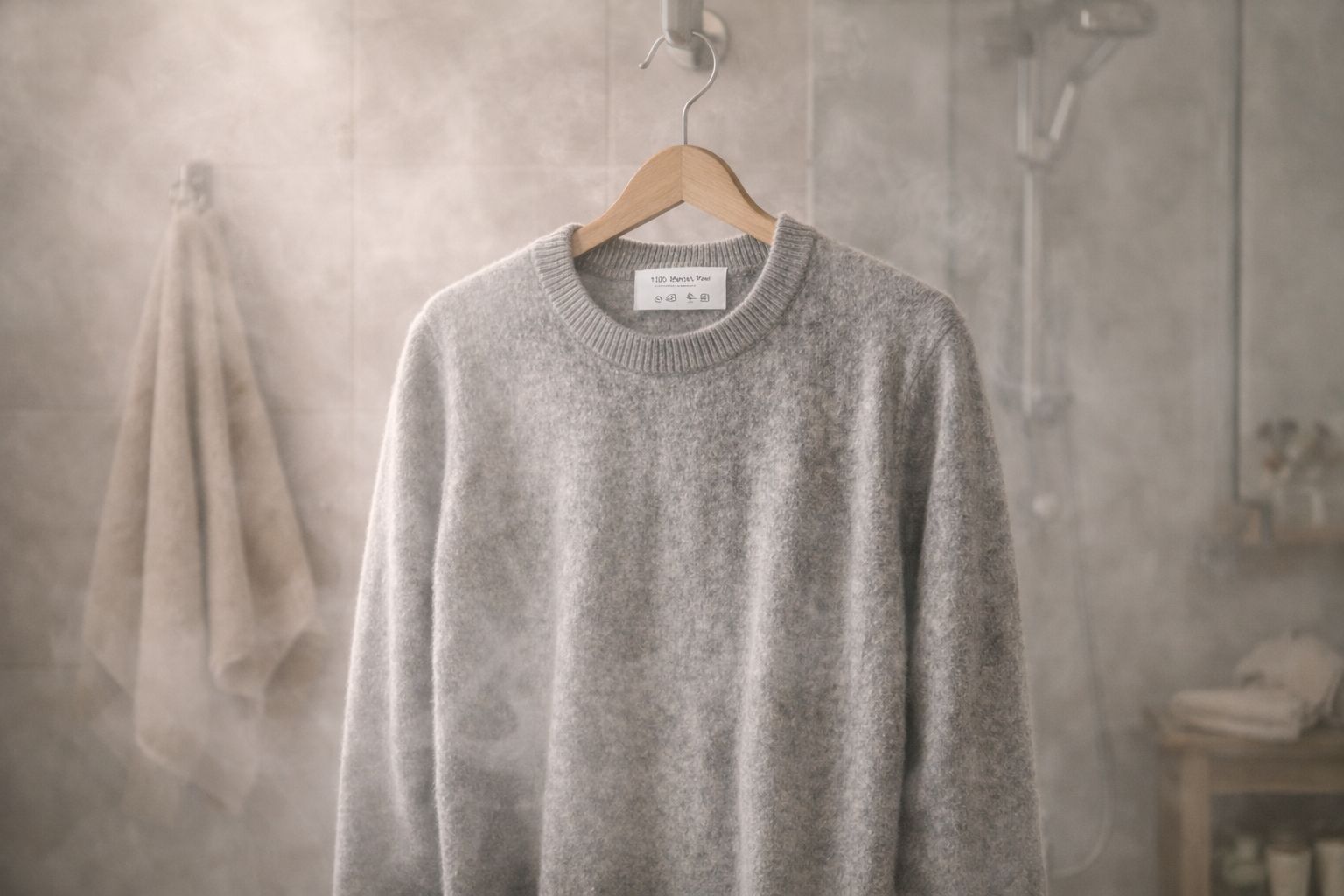
Steam is our go-to method in the factory for a reason. It works in harmony with wool's natural properties. Wool fibers have a "crimp" and a coil-like structure that gives them memory and resilience. When a sweater gets wrinkled, those fibers are simply compressed. Steam provides the moisture and gentle warmth needed to release that compression and let the yarn return to its intended form. Unlike ironing, which flattens both the fiber and the knit structure, steaming refreshes them. This process restores the sweater's natural drape and loft without making the surface shiny or hard. For product managers like Oliver, recommending steam as the primary de-wrinkling method helps customers achieve better results and reduces complaints related to heat damage. It's the most reliable way to maintain the texture and quality you worked so hard to develop.
What temperature should wool be ironed at?
You've decided you must iron a stubborn crease. You know wool is sensitive to heat and the wrong temperature could destroy your sweater. You need to know the exact setting.
If you must iron, set your iron to the "Wool" setting, which is a cool-to-medium temperature (around 148°C or 300°F). Crucially, never let the hot plate touch the sweater directly. Always use a clean, damp cloth as a barrier between the iron and the garment.

Honestly, ironing should be your absolute last resort. In my 13+ years in this business, I've seen high heat cause irreversible damage, from scorching to "glazing," where the fibers melt slightly and become permanently shiny. If you find yourself in a situation where steaming isn't enough, you must follow strict rules to minimize risk. Use a pressing cloth—a simple piece of undyed cotton will do—to shield the wool. Lightly dampen the cloth, place it over the wrinkled area, and press the iron onto the cloth for just a few seconds. Do not glide the iron back and forth. Lift it up and press it down gently. This technique uses steam to do the work, not the pressure of the iron.
Here is a simple table to guide you:
| Action | Temperature | Tool | Key Precaution |
|---|---|---|---|
| Recommended | N/A | Garment Steamer | Keep nozzle moving. |
| Ironing | Low/Wool setting | Iron + Pressing Cloth | Never touch iron to wool. |
| Avoid | High/Cotton/Linen | Bare Iron | High risk of permanent damage. |
This controlled approach is essential for any brand that values its products' longevity.
What is an alternative to ironing?
You don't have a steamer and want to avoid the risks of ironing. You're looking for a simple, low-effort method to get your sweater looking fresh and smooth again.
A great alternative to ironing is the "hang and spray" method. Lightly mist the wrinkled areas with clean, cool water from a spray bottle. Then, hang the sweater on a padded hanger and gently reshape it. Let it air dry, and the wrinkles will disappear.
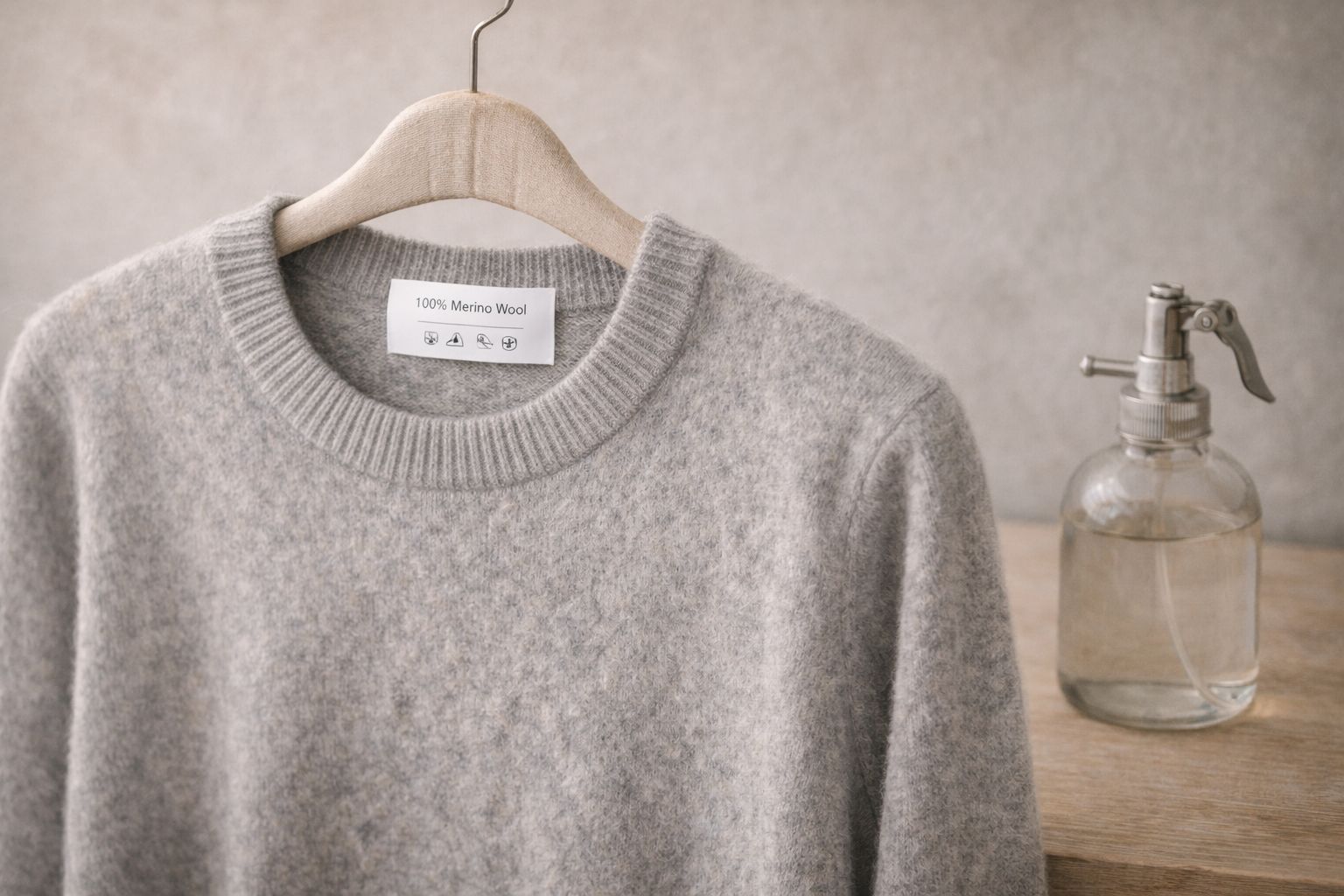
This method is surprisingly effective and completely safe. It uses the same principle as steaming—introducing moisture to relax the fibers—but in a more controlled, low-tech way. I often use this trick when traveling. After misting the sweater, I lay it flat on a clean towel for ten minutes to absorb excess moisture before hanging it up. The weight of the slightly damp fibers helps pull the creases out as it dries. For a brand's product development manager, suggesting these low-risk alternatives is part of delivering a great customer experience. It empowers users to care for their garments properly. High-quality, fully-fashioned sweaters made with resilient yarns often only need this simple technique to look perfect again. It reinforces the idea that premium knitwear is not high-maintenance; it just requires the right kind of care.
Conclusion
To get wrinkles out of a wool sweater, use steam or a light mist of water to relax the fibers. Avoid direct, high-heat ironing to protect the garment's quality.