Your brand chooses 100% cotton for its soft, natural appeal. But customers complain the garments feel heavy and clammy after light activity. This disconnect can seriously damage your brand’s reputation.
Cotton is not sweat-wicking. It is highly absorbent, meaning it soaks up sweat like a sponge and holds that moisture against your skin. This makes the fabric heavy, wet, and cold, rather than wicking moisture away to help you dry off.
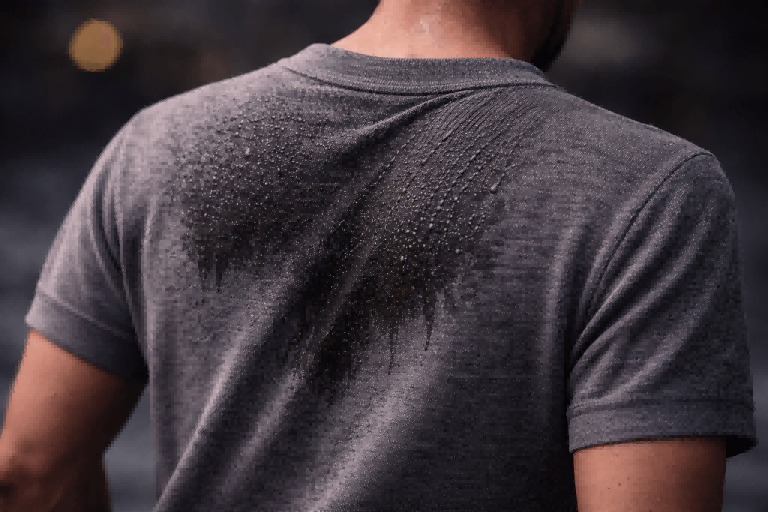
As a knitwear manufacturer with over 13 years of experience, I see brands make this mistake all the time. The consumer perception of cotton as "breathable" is a half-truth. While air can pass through a cotton weave, the fiber itself is fundamentally hydrophilic—it loves water. Once it gets wet, it stays wet, losing all its comfort and insulating properties. This is a critical detail that product developers must understand before committing to a fabric for any performance-oriented collection. Let's dig into why this happens and what your better options are.
Is 100% cotton good for exercise?
Your brand is considering a line of athleisure or activewear. The marketing team loves the idea of promoting "100% natural cotton," but you are worried about performance during a workout.
No, 100% cotton is a poor choice for exercise. During physical activity, cotton absorbs sweat quickly but does not release it. The wet fabric clings to the body, restricts movement, and can cause rapid heat loss, making you feel cold and uncomfortable.
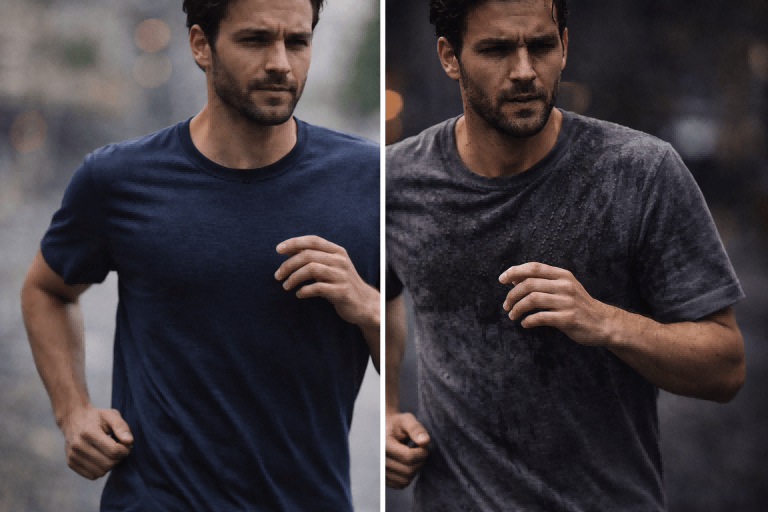
When a brand manager like Oliver comes to us with a concept for an activewear collection, the first conversation we have is about fiber properties. The choice of yarn is non-negotiable for performance. Cotton's failure in this area isn't a matter of opinion; it's basic fiber science.
The Science of Why Cotton Fails
- Hydrophilic Nature: Cotton fibers are naturally water-loving. They can absorb up to 27 times their weight in water. When a person sweats, the cotton pulls that moisture in and traps it within the fiber structure. It doesn't have the capillary action needed to move moisture to the outer surface for evaporation. This is the opposite of being sweat-wicking.
- Loss of Insulation: Wet cotton conducts heat away from the body 25 times faster than dry cotton. This means in cooler conditions, an athlete wearing a wet cotton shirt is at risk of becoming chilled or even hypothermic.
- Physical Discomfort: A sweat-soaked cotton garment becomes heavy, stretched out, and sticky. This clinging sensation causes chafing and restricts natural movement, directly hurting athletic performance and the overall user experience. For any product intended for running, hiking, or gym workouts, cotton is simply not a professional choice.
Is cotton good if you're sweaty?
Let's move beyond intense exercise. What about for a person who just sweats a lot in daily life, like commuting on a warm day or giving a presentation under pressure?
Cotton is not ideal for people who are naturally sweaty. While it feels soft when dry, it will quickly become damp and show sweat patches. The wet fabric can also promote bacteria growth, leading to odor, and a generally uncomfortable, self-conscious feeling.
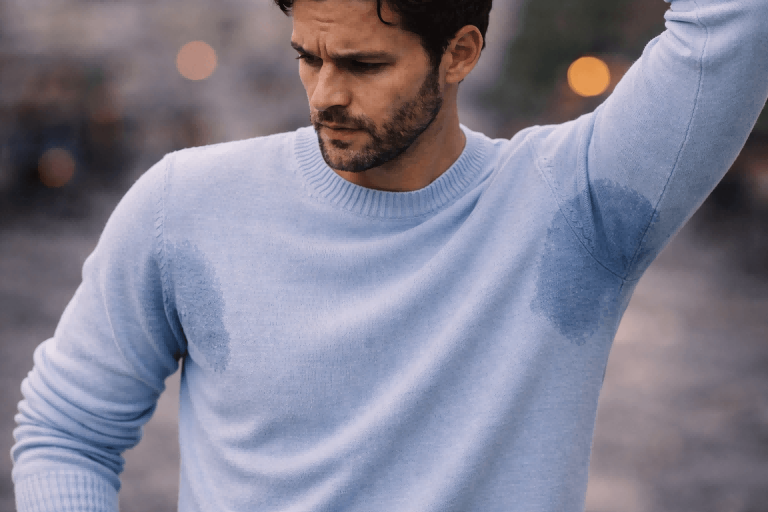
This is where the line between "lifestyle" and "performance" blurs, and where smart fiber choices can really elevate a brand. Many of our clients are in the premium menswear space, where a product must look good and feel good all day long, from a morning meeting to an evening flight. Cotton often fails this real-world test.
Everyday Scenarios and Fabric Performance
We can see how cotton's absorbency becomes a liability even in low-intensity situations.
| Daily Scenario | Cotton's Performance | A Better Alternative (e.g., Merino Wool) |
|---|---|---|
| Warm-Weather Commute | Absorbs sweat, shows patches on the back and underarms, feels sticky. | Wicks moisture vapor away before it turns to sweat, feels dry. |
| Nervous Sweating | Garment becomes damp and cold, leading to more discomfort and anxiety. | Remains breathable and helps regulate body temperature, staying comfortable. |
| All-Day Wear | Trapped moisture encourages bacteria, leading to odor by the afternoon. | Naturally antimicrobial, so it stays fresh after a full day of wear. |
While we can improve cotton's feel through certain manufacturing techniques—like using specific knit structures for more airflow or mercerizing the yarn—we cannot change its fundamental inability to manage moisture effectively. For a customer who is prone to sweating, a garment that traps moisture is a problem, not a solution.
What is the best material for sweat wicking?
You're convinced that cotton isn't the right choice for your performance or premium all-day wear collection. So, what should you use instead to deliver true sweat-wicking capabilities?
The best materials for sweat-wicking are synthetic fibers like polyester and natural fibers like Merino wool. Polyester excels at moving liquid sweat away quickly, while Merino wool uniquely manages moisture vapor before it even becomes sweat, offering superior comfort and odor control.
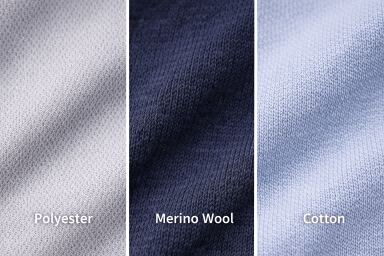
As a manufacturer, we source a wide range of functional yarns for our clients. The "best" one always depends on the brand's target market, price point, and desired end-use. There isn't one single answer, but there is a clear hierarchy of performance.
Comparing High-Performance Fibers
Let's break down the top contenders. When we develop samples, we often provide swatches of these materials so our clients can feel the difference themselves.
-
Polyester/Nylon (Synthetics): These are hydrophobic (water-hating) fibers. They absorb almost no water. Instead, their structure creates channels that pull liquid sweat from the skin to the fabric's surface, where it can evaporate. This process is what most people recognize as "sweat-wicking."
- Pros: Excellent wicking speed, durable, cost-effective.
- Cons: Can feel "plastic-y," holds odor due to bacteria growth on the surface.
-
Merino Wool (Natural Performance): This is our specialty, and for good reason. Merino wool is a far more complex and intelligent fiber.
- How it works: It is both hygroscopic and hydrophobic. It can absorb a massive amount of moisture vapor (up to 30% of its weight) into the core of the fiber, so your skin feels dry. At the same time, the fiber's surface repels liquid water. This dual action provides unparalleled temperature and moisture regulation.
- Pros: Breathes to prevent overheating, stays warm even when damp, naturally antimicrobial (no odor), incredibly soft. Is cotton sweat wicking? No, but Merino wool is the gold standard for natural moisture management.
At HD Merino, we guide brands through these options. For a high-intensity sports brand, a polyester blend might be right. But for a premium travel, business, or lifestyle brand, the superior comfort and odor-resistance of Merino wool offer a clear advantage that justifies the investment.
Conclusion
Cotton absorbs sweat but is not sweat-wicking, making it a poor choice for sweaty conditions. For true performance, choose Merino wool or technical synthetics to keep your customers dry.