If you are asking "is merino wool worth it," you are likely weighing its high cost against the value it brings to your brand. Choosing the wrong material can lead to unsold inventory and customer complaints, hurting your bottom line.
Yes, Merino wool is absolutely worth it for brands that prioritize quality, performance, and customer satisfaction. Its value comes from a unique combination of all-day comfort, durability, and easy care that justifies a higher price point and leads to stronger brand loyalty.
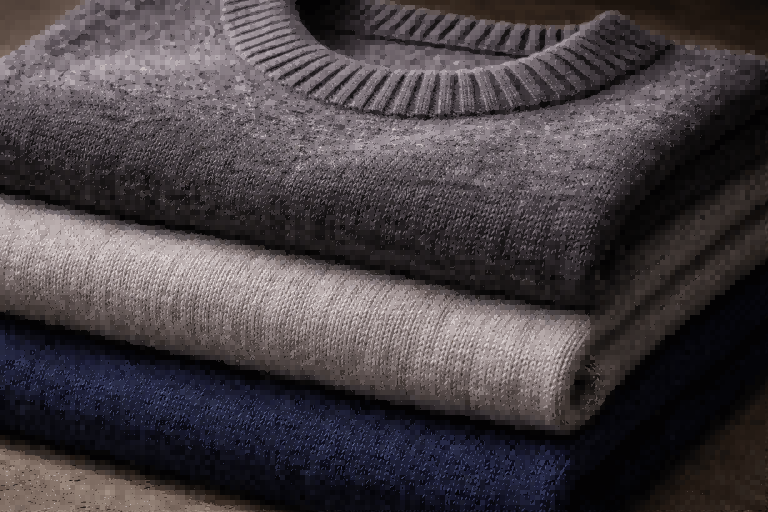
As a manufacturer with over a decade of experience, I see brands wrestle with this question every season. The "worth" of Merino wool isn't just about the raw material cost. It's a strategic decision. For product managers like Oliver, it's about delivering a sweater that feels luxurious, performs flawlessly, and lasts for years. The final product needs to reflect the brand's promise. My job is to ensure every technical detail, from the micron count of the yarn to the final wash, contributes to that value. Let's break down what makes Merino a smart investment.
Does merino wool actually work?
You hear promises about performance fabrics, but will a Merino sweater actually deliver? If it doesn't live up to the hype, customers will feel let down, damaging your brand's reputation for quality.
Yes, Merino wool works exceptionally well. It naturally regulates body temperature, wicks away moisture without feeling damp, and resists odor. This active performance makes it far more functional than cotton or synthetics for everyday wear, travel, and layering.

From a technical standpoint, Merino wool isn't just a passive fiber; it's a high-performance material. When a client like Oliver needs to develop a knitwear collection for a modern, active lifestyle, Merino is my top recommendation. It solves real-world problems for the end consumer. For example, a man commuting on a busy train won't overheat, and the sweater won't smell of sweat, thanks to Merino's natural properties. It’s perfect for travel because it stays fresh and resists wrinkles for days.
How Merino Outperforms Other Fibers
Its performance comes from the unique structure of the fibers themselves. Here's a simple breakdown of how it compares to other common materials in knitwear:
| Feature | Merino Wool | Cotton | Polyester |
|---|---|---|---|
| Temperature Regulation | Excellent (Keeps you warm when cold, cool when warm) | Poor (Feels cold when wet) | Poor (Not very breathable) |
| Moisture Management | Excellent (Wicks moisture away, stays warm when wet) | Poor (Absorbs moisture, feels heavy) | Good (Wicks moisture but can feel clammy) |
| Odor Resistance | Excellent (Naturally antimicrobial) | Poor (Develops odor quickly) | Very Poor (Bacteria thrives on it) |
| Softness & Comfort | Excellent (Fine fibers don't itch) | Good (Soft but loses structure) | Poor (Can feel plastic-like) |
For any brand building a collection of timeless, functional pieces, Merino wool provides a level of performance that synthetic fibers can't replicate and natural fibers like cotton can't match. It just works.
What are the disadvantages of merino wool?
No material is perfect, and you need to understand the potential downsides of Merino wool. Ignoring issues like cost or pilling can lead to production delays and unhappy customers down the line.
The primary disadvantages of Merino wool are its higher cost and its potential for pilling if the yarn is not high quality or the garment is poorly made. These issues can be managed by choosing the right supplier and specifying correct manufacturing techniques.
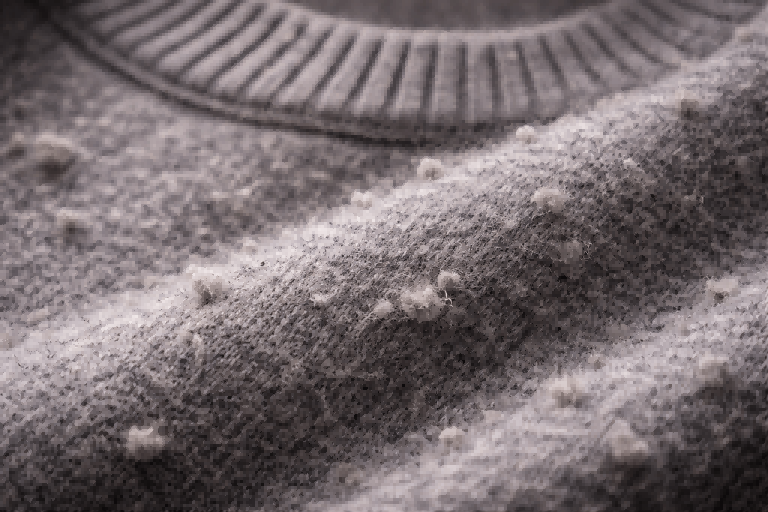
I always have a transparent conversation with my clients about the challenges. Being prepared for them is key. The two biggest concerns are always cost and durability. A brand's reputation depends on delivering a product that lasts, and a sweater that pills after two wears is a liability, no matter how soft it feels in the store. The good news is that we, as the manufacturer, have direct control over mitigating these disadvantages. It starts with a deep understanding of the raw material.
Managing Cost and Durability
-
The Cost Factor: The price of Merino wool is directly tied to its quality. Key cost drivers include the fiber's fineness (a 16.5-micron yarn is more expensive than an 18.5-micron yarn), its origin (Australia/New Zealand), and any special treatments. For example, a
Superwashtreatment adds cost but results in a machine-washable sweater, which consumers see as a huge plus. Certifications like RWS (Responsible Wool Standard) or OEKO-TEX also impact the final price but add significant brand value. -
Pilling and Durability: Pilling is a major concern for product managers. Fine fibers can be more delicate, but we solve this in several ways. We source yarns with longer staple fibers and a tighter twist, which are less likely to pill. We then use fully-fashioned knitting techniques and precise knit tensions to create a stable fabric. Finally, our in-house lab tests every new yarn for pilling (we aim for a grade of 3 or higher on a 5-point scale), so we can identify and solve problems before bulk production even begins.
These steps turn potential disadvantages into features of a well-made, premium product.
Is merino wool worth the extra cost?
The final decision comes down to the price tag. Will your customers pay more for a Merino wool sweater, and will that investment translate into higher profits and a stronger brand?
Yes, Merino wool is worth the extra cost because it delivers superior value in comfort, longevity, and versatility. Customers are willing to pay a premium for a garment that looks better, feels better, and lasts longer, leading to higher satisfaction and repeat purchases.

From my manufacturing perspective, the brands that succeed with Merino are the ones that lean into its value. They don't just sell a sweater; they sell a solution. They sell a travel-friendly garment, a non-itchy layering piece, an odor-resistant commuter essential. My role is to provide them with a product that backs up these claims. For example, we offer a ready-to-wear line of 100% machine-washable Merino sweaters with a low MOQ of just 30 pieces. This allows emerging brands to test the market and see for themselves that customers will happily pay for quality.
Communicating Value to Justify the Price
Helping the customer understand why it's worth more is key. We help our brand partners do this by:
- Providing Clear Specs: We clearly document the yarn's micron count, origin, and any treatments, so brands can include this information on their product pages and labels.
- Supplying Test Reports: For every prototype, we can provide professional lab reports on pilling, shrinkage (our target is within ±5%), and colorfastness. This data gives brand teams confidence and can be used in marketing.
- Enabling Fine-Gauge Production: Our factory is equipped with 14GG–16GG knitting machines, allowing us to produce the kind of lightweight, refined sweaters that immediately signal luxury and craftsmanship.
When a customer understands they are buying a technically superior and beautifully crafted garment, the price makes sense. It's no longer just a sweater; it's a piece of engineering.
Conclusion
Merino wool is worth it. For brands serious about quality, it’s a smart investment that pays off in customer loyalty, fewer returns, and a stronger reputation.