That premium wool sweater you love feels great, but the constant scratching is unbearable. It’s frustrating when a beautiful garment feels too irritating to wear, making you question your fabric choices.
The main reason wool feels itchy is due to the diameter of its fibers. Coarse wool fibers, typically over 25-30 microns, are stiff enough to prick the skin, causing irritation. The natural, microscopic scales on the fiber surface can also create friction against sensitive skin.

It’s a question I get all the time from product managers like Oliver, who are trying to balance quality, comfort, and brand perception. They want to use authentic, natural fibers but are worried about the "itch factor" that customers often complain about. It's a valid concern, but one that is easily solved with the right knowledge. Over my years in manufacturing, I've learned that the secret to a non-itchy wool sweater lies in understanding the raw material itself. Let's break down the specifics, so you can make better choices for your next knitwear collection.
Is a 100% wool sweater always itchy?
You see a "100% Wool" tag and hesitate, worried it will be another scratchy purchase. This assumption can cause you to overlook some of the most comfortable and high-performing sweaters available.
No, a 100% wool sweater is not always itchy. The comfort level is determined by the micron count (fiber diameter) of the wool. Sweaters made from fine fibers like Merino are exceptionally soft, while those from coarser fibers can feel prickly against the skin.

When I talk with product developers, I always stress that "wool" is a broad category. The experience of wearing wool is less about the percentage and more about the specific type and quality of the fiber. A sweater made from coarse, rugged Shetland wool will feel very different from one made with ultrafine Merino wool, even if both are labeled "100% Wool."
Fiber Diameter Is Everything
The most critical factor is the fiber’s thickness, measured in microns (μm). The lower the micron count, the finer and more flexible the fiber. When a fiber is fine enough, it will bend when it touches your skin instead of poking it.
| Wool Type | Typical Micron Range | Feel & Common Use |
|---|---|---|
| Coarse Wool | > 30 μm | Itchy, best for outer layers |
| Shetland Wool | 23 - 29 μm | Rustic, can be prickly |
| Lambswool | 20 - 25 μm | Softer, good for mid-layers |
| Merino Wool | 13.5 - 23 μm | Very soft, ideal for base layers |
| Cashmere | < 19 μm | Exceptionally soft, luxury items |
As you can see, choosing a sweater made from Merino wool with a micron count below 20μm almost guarantees a comfortable, itch-free experience.
Why does wool cause itching?
You’ve invested in a quality wool piece, but it irritates your skin. You wonder if you have an allergy or if the wool itself is the problem. It's an uncomfortable and confusing experience.
Wool causes itching primarily for two mechanical reasons: coarse fibers pricking the skin and the fiber's natural scaly surface creating friction. This is a physical irritation, not an allergic reaction for most people, though some individuals have higher skin sensitivity.
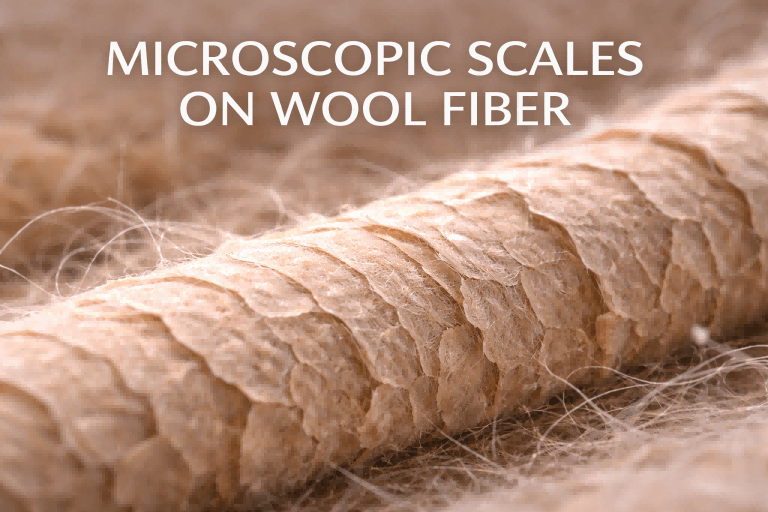
It's a common misconception that wool itchiness is an allergic reaction. While true wool allergies are very rare, sensitivity to wool is quite common. I often explain to my brand partners that this sensitivity is a mechanical issue, not a chemical one. Think of it like a bristle brush against your skin—the thicker and stiffer the bristles, the more irritating they feel. The same principle applies to wool fibers.
The Two Main Mechanical Culprits
-
Fiber Diameter (Micron Count): This is the biggest factor. Human skin can detect the pressure from a single fiber. Research shows that most people begin to feel an itch when more than 5% of the fibers in a fabric are over 30 microns in diameter. These thicker fibers are too stiff to bend when they press against the skin, so they poke the nerve endings, triggering an "itch" sensation.
-
Fiber Scales: If you look at a wool fiber under a microscope, you'll see it's covered in tiny, overlapping scales, similar to the scales on a fish. On coarser fibers, these scales can be more pronounced, creating friction against the skin that contributes to the feeling of itchiness, especially for people with sensitive skin or conditions like eczema. In contrast, finer fibers like Merino have smaller, more flexible scales that lie flatter, resulting in a much smoother feel.
How do you stop wool from itching?
You want to offer your customers the benefits of wool without the dreaded itch. Finding a reliable way to ensure comfort is a major challenge during product development, affecting everything from sales to returns.
To stop wool from itching, start by selecting fine-micron yarns like Merino or cashmere. For existing garments, washing with a wool-specific softener or hair conditioner can help. Wearing a thin layer underneath provides a simple barrier against the skin.

For product managers like Oliver, preventing itchiness is about making smart choices long before production begins. At HD Merino, we focus on helping brands design comfort into their knitwear from day one. It’s far more effective to build a non-itchy garment from the ground up than to try to fix an itchy one later.
Proactive Steps for Brands
As a manufacturer, I guide my partners through a few key decisions to avoid the "itchy wool" trap.
- Specify the Right Yarn: The most important step is choosing the right yarn. For any knitwear intended to be worn next to the skin, I recommend using yarns with a micron count of 19.5μm or less. Blending Merino with other premium fibers like silk or TENCEL™ can also enhance softness and reduce the potential for irritation.
- Leverage Finishing Techniques: Modern finishing can work wonders. A gentle enzyme wash can smooth the fiber surface, while specialized softeners can make the final garment feel much more luxurious. We work with brands to test different finishes during the sampling stage to achieve the perfect hand-feel.
- Wear Testing: Never underestimate the power of a simple wear test. Before committing to bulk production, have several team members with different skin sensitivities wear the samples. This real-world feedback is invaluable for catching any potential comfort issues early on. At our facility, we even have a formal process for this to provide objective data back to the brand.
Conclusion
The key to non-itchy wool is choosing fine fibers like Merino. By focusing on yarn selection and finishing, brands can create beautiful, comfortable wool garments that customers will love to wear.