When people ask, "does wool wick sweat?", they are looking to solve a common problem: fabrics that leave them feeling damp and sticky. This discomfort can ruin your day.
The answer to 'does wool wick sweat?' is a resounding yes. Wool, especially Merino wool, is a superior moisture-wicking material that keeps you feeling dry. It absorbs moisture vapor from your skin and releases it, preventing that clammy feeling found with other fabrics.
It's a question I get all the time from product managers. They know wool for its warmth, but its ability to manage sweat is often a surprise. For years, people have seen wool as a heavy, winter-only material. That's a huge misconception, especially when it comes to modern Merino wool. As a manufacturer for over 13 years, I've seen how this natural fiber can outperform many synthetics in all kinds of weather. To really understand its power, we need to look closer at how it works. Let’s dive into the science behind this amazing fiber.
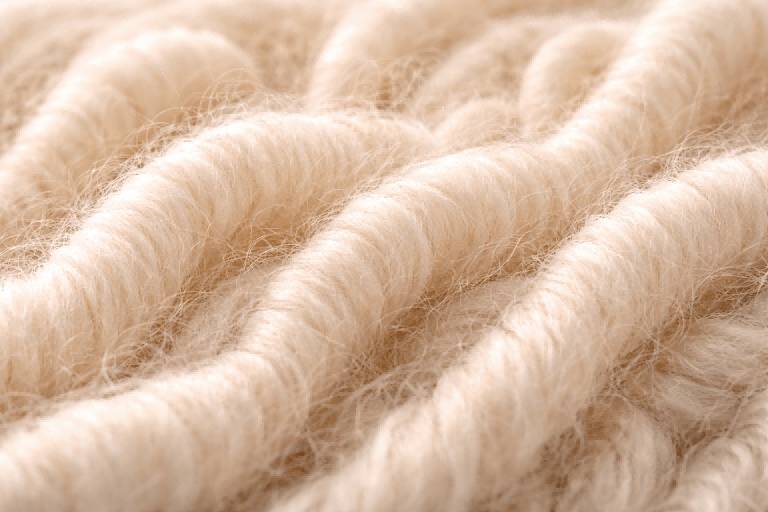
It's a question I get all the time from product managers. They know wool for its warmth, but its ability to manage sweat is often a surprise. For years, people have seen wool as a heavy, winter-only material. That's a huge misconception, especially when it comes to modern Merino wool. As a manufacturer for over 13 years, I've seen how this natural fiber can outperform many synthetics in all kinds of weather. To really understand its power, we need to look closer at how it works. Let’s dive into the science behind this amazing fiber.
How does wool wick moisture?
You hear that wool wicks away sweat, but how does it actually happen? It sounds complex, but it’s just nature at its best. Understanding the science behind it helps a lot.
The secret is in the unique structure of the wool fiber. A Merino wool fiber can absorb up to 30% of its own weight in moisture vapor without feeling wet to the touch. It actively pulls perspiration away from your skin, so you stay dry and comfortable.
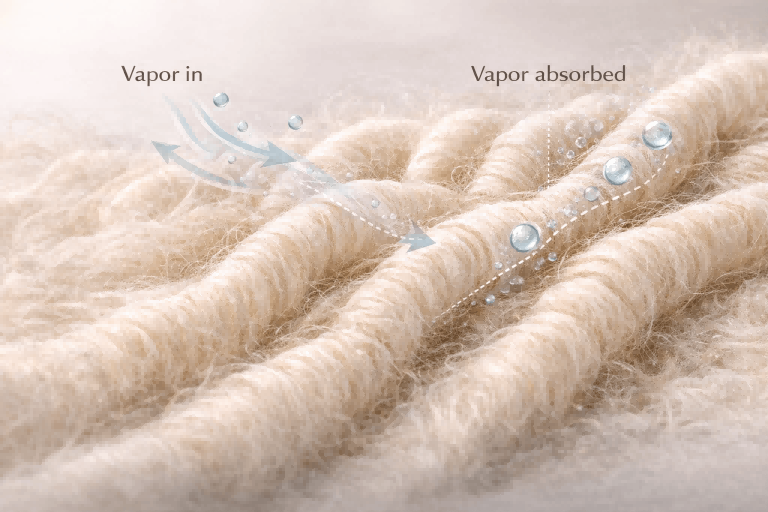
I've worked with product managers like Oliver who were skeptical at first. They associated wool with itchiness and heat, not performance. But once you see how Merino wool works on a microscopic level, it all makes sense. It's not just about absorbing moisture; it's about managing it intelligently.
The Two-Step Wicking Process
The process happens in two stages. First, the inner core of the fiber, the cortex, absorbs moisture vapor from the microclimate right next to your skin. Second, the water-repellent exterior of the fiber, the cuticle, allows that moisture to move from fiber to fiber and eventually evaporate into the air. This active process is why wool outperforms materials that just soak up sweat.
Why It's More Than Just Absorption
Other fibers absorb moisture, but they don't release it efficiently. Here’s a quick comparison:
| Fiber Type | Absorption Process | Feeling When Wet |
|---|---|---|
| Merino Wool | Absorbs vapor and releases it. | Stays dry to the touch. |
| Cotton | Soaks up liquid sweat. | Feels wet, heavy, and cold. |
| Synthetics | Pushes liquid sweat away (hydrophobic). | Can feel clammy and trap odor. |
This unique ability makes Merino wool a proactive material. It manages moisture before it turns into liquid sweat, preventing that clammy feeling you get with other fabrics. As a manufacturer, this is what we focus on: harnessing wool's natural technology to create truly functional garments.
Does Wool Stay Comfortable When You Sweat?
You worry that wearing a wool sweater during a busy commute will leave you feeling damp and uncomfortable. It’s a valid concern. But high-quality wool completely changes this experience.
Yes, wool remains exceptionally comfortable when you sweat, especially Merino wool. Because it pulls moisture vapor away from your skin and into the core of its fibers, the surface against your body stays dry. It’s also highly breathable, preventing overheating and that sticky, clammy feeling.

I remember a client, a brand manager from a high-end European label, who was hesitant to use wool for a spring collection. He thought of it strictly as a winter fiber. We developed a lightweight, fully-fashioned Merino knit for him to test on his daily commute. He was amazed. He said he arrived at the office feeling fresh and dry, even after rushing through a crowded train station. That experience completely changed his perspective on wool's versatility. It's not just about staying warm; it's about staying comfortable in changing conditions. Different types of wool offer different levels of comfort and performance.
Wool Type Matters
Not all wool is created equal. The comfort and moisture-wicking ability depend heavily on the fiber's fineness.
- Merino Wool: This is the gold standard. Its fibers are incredibly fine, making it soft, flexible, and highly efficient at wicking moisture. It's ideal for base layers and next-to-skin garments.
- Standard Wool: Fibers are coarser and thicker. While still offering some moisture management, it can feel bulkier and less breathable than Merino.
- Blended or Recycled Wool: Performance varies based on the blend. Adding synthetics can sometimes enhance durability but may reduce the natural breathability and moisture-wicking properties.
As an OEM/ODM partner, one of our key roles is guiding brands to select the right wool type for their target customer and intended use. For a travel-focused collection, a fine-gauge Merino is perfect. For a rugged outdoor sweater, a slightly more robust wool blend might be better.
Is Moisture Wicking One of the Key Benefits of Wool Sweaters?
You see "moisture-wicking" on tags for synthetic sportswear, but does it really apply to a classic wool sweater? This benefit often gets overlooked, but it is incredibly important.
Absolutely. Moisture-wicking is one of the most underrated yet significant benefits of a well-made wool sweater. This natural feature transforms a wool garment from just a warm layer into a high-performance piece that regulates your body temperature and keeps you comfortable in various situations.
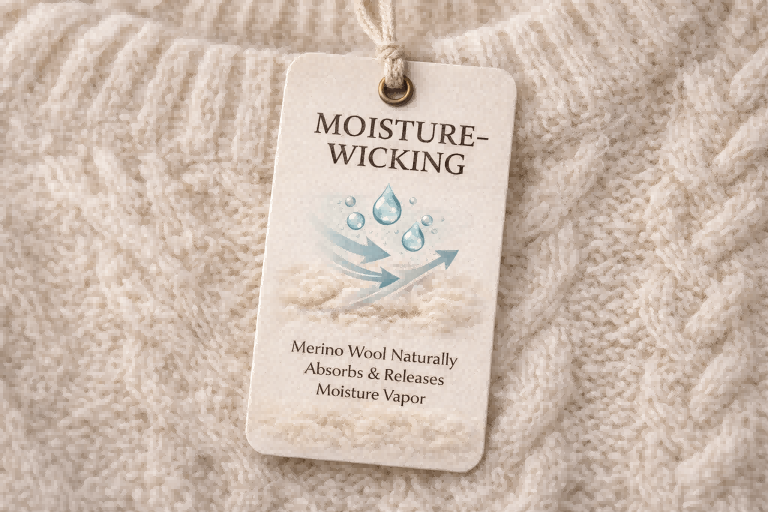
Brands that effectively communicate this benefit see a real difference. I advise our partners to stop marketing wool just for winter. Instead, we should educate consumers about its functional advantages. By adding simple messages like "Naturally breathable" or "Manages moisture to keep you dry" to product descriptions and social media, brands can reposition wool sweaters as essential, year-round garments. This helps customers understand they are buying a piece of natural technology, not just a sweater. It shifts the entire conversation from seasonal warmth to everyday performance and comfort.
Beyond Winter: New Opportunities for Wool
By focusing on moisture management, brands can unlock new markets and uses for wool. The idea of a "wool t-shirt" or a "lightweight travel cardigan" becomes much more appealing.
- Urban Commuting: A Merino sweater is perfect for the fluctuating temperatures of a bus, train, and office. It manages sweat during the rush and keeps you warm in air conditioning.
- Travel: For long flights or road trips, wool’s breathability and odor resistance are invaluable. You can arrive at your destination feeling fresh.
- Transitional Seasons: In spring and autumn, when mornings are cool and afternoons are warm, a lightweight wool knit is the ideal layering piece.
As a manufacturer, we use our technical expertise to enhance these natural benefits. Through specific knitting techniques and finishing processes, we can create sweaters that are even lighter, softer, and more efficient at wicking moisture. For example, a fully-fashioned construction minimizes seams and waste, improving comfort and breathability. It's about taking a fantastic natural fiber and perfecting it for the modern consumer.
Conclusion
Wool, especially Merino, is one of nature’s best performance materials. Its ability to manage moisture, regulate temperature, and stay comfortable makes it perfect for far more than just winter warmth.