A hole in a favorite sweater is frustrating. It makes a premium garment feel unwearable. But with the right technique, you can easily fix it and restore its original look.
To repair a sweater hole like an expert, use the darning method. Darning involves re-weaving the fabric with matching yarn and a needle. This technique perfectly restores the texture and appearance, making it ideal for high-quality knitwear like Merino wool and cashmere sweaters.
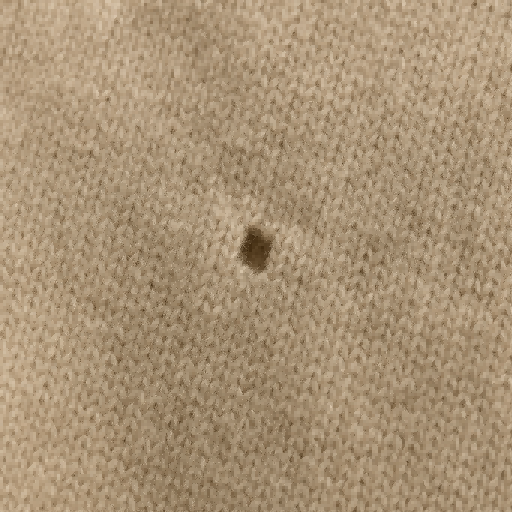
A flawless repair starts with understanding the problem. Before we dive into the "how," it's important to know why these holes appear in the first place. This knowledge is key not just for fixing the issue, but for preventing it from happening again. Let’s look at the common culprits behind those annoying holes.
Why do sweaters get holes in them?
You found another hole in a premium sweater and blame moths. But the real cause is often hidden in daily wear. Soon, your best knitwear collection looks worn out.
Sweaters get holes for several reasons beyond just moths. The most common causes are friction from daily wear, improper washing techniques, and poor knit tension control during manufacturing. These factors put stress on the yarn fibers, leading to small breaks that develop into holes over time.
As a manufacturer, I've seen it all. While moths are a known issue, the reality is that most holes are mechanical. For product developers like Oliver, understanding these root causes is the first step to building a more durable garment. It's about designing a product that can withstand real-world conditions.
The True Causes of Sweater Damage
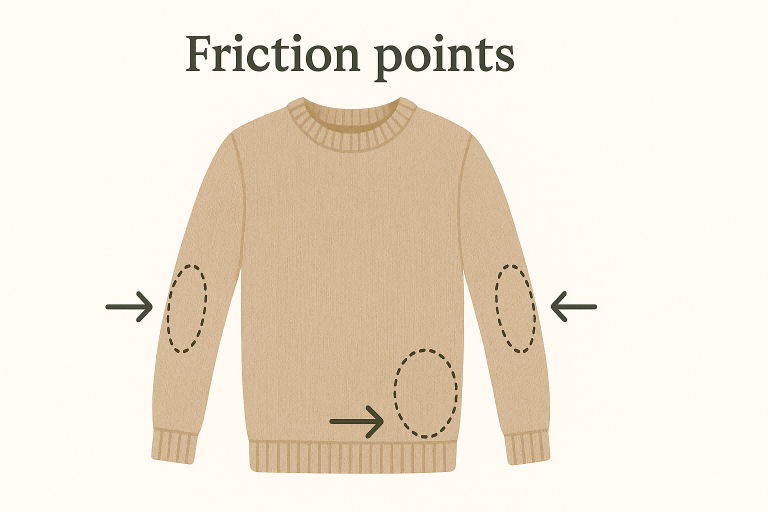
Most wear-and-tear happens in predictable places. The constant rubbing of a seatbelt, a crossbody bag, or even just arms swinging against the torso puts immense strain on fine fibers. For fine-gauge Merino or cashmere, this is a major issue.
Here is a breakdown of the common causes:
| Cause | Description | High-Risk Areas |
|---|---|---|
| Friction Damage | Constant rubbing weakens and breaks yarn fibers. This is the most common cause of holes in well-worn sweaters. | Underarms, cuffs, sides, shoulders (from bags). |
| Improper Care | Harsh washing cycles, high-speed spinning, or wringing the sweater by hand can stretch and snap the delicate yarns. | Anywhere on the garment, often causing larger tears. |
| Poor Knit Tension | If the tension is too loose or tight during manufacturing, the structure becomes unstable. This creates weak spots. | Can appear randomly, often near seams or pattern changes. |
From our perspective at HD Merino, preventing these issues starts at the design phase. We work with brands to balance the knit structure and yarn choice, ensuring the garment is not only beautiful but also resilient.
Is darning better than patching?
You have a hole and need to fix it. A quick patch seems easy, but you worry it will look clumsy and cheapen your premium sweater. The solution must respect the garment's quality.
Yes, for high-end knitwear, darning is far better than patching. Darning re-creates the original woven structure of the knit, resulting in a nearly invisible repair. A patch, on the other hand, is just fabric sewn on top, which disrupts the sweater's texture and drape.
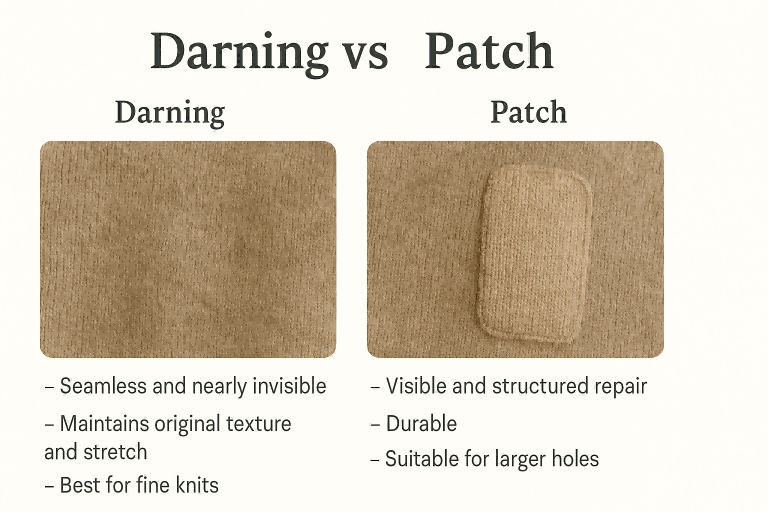
Choosing the right repair method is crucial for maintaining the value and feel of a high-quality sweater. While a decorative patch can be a stylistic choice, darning is the professional standard for a true restoration. It is especially suited for the fully-fashioned sweaters we specialize in, where every stitch is part of an integrated design.
As a brand, you can elevate the customer experience by helping them with this. I always suggest our partners include a small bundle of matching yarn with the garment's hang-tag. My daughter recently found a snag in a cashmere cardigan I brought home. Because we had the original yarn, the repair was completely invisible. It's a small touch that shows a brand cares about the product's entire lifecycle.
Enhancing the Customer Experience
Providing after-care support is a powerful tool for building brand loyalty. The goal is to empower the customer to care for their purchase properly.
- Provide Spare Yarn: Including a small amount of the original yarn with each sweater is a simple, low-cost way to enable perfect repairs.
- Offer How-To Guides: A QR code on the tag linking to a video tutorial on "how to repair a sweater hole" adds immense value and reduces returns.
- Create Repair Kits: For premium lines, brands can offer curated darning kits with the necessary tools, turning a problem into a positive brand interaction.
These steps demonstrate a brand's commitment to quality beyond the point of sale.
How to darn a hole by hand?
You know darning is the best method, but it sounds complicated. You worry you'll make the hole worse. You just want a clear, simple process you can follow.
Darning a hole by hand is a simple weaving process. First, run vertical (warp) stitches across the hole. Next, weave your needle horizontally (weft) over and under the vertical stitches until the hole is filled. This re-creates the knit fabric for a seamless finish.
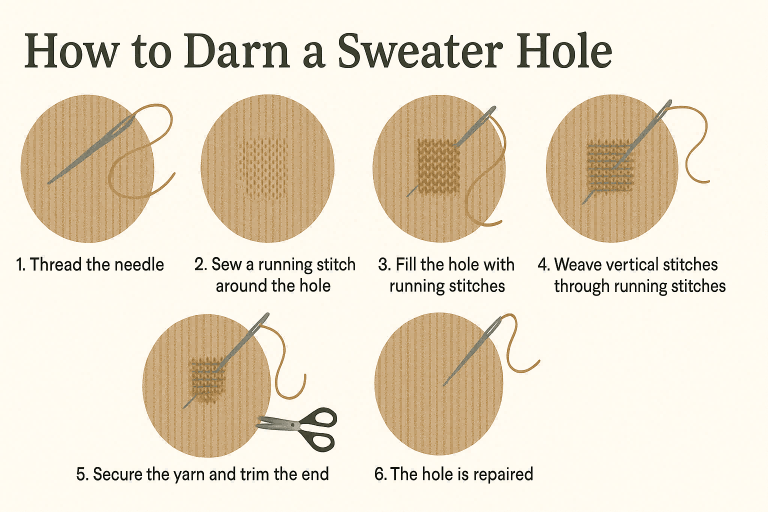
Think of it as creating a tiny, new piece of fabric right where the hole was. This is something I've taught many people, and it's easier than it looks. The key is to be patient and keep your stitches even but not too tight. A great self-repair guide can be a huge asset for a high-end brand, reducing returns and reinforcing your reputation for quality and customer care.
At HD Merino, we don't just manufacture sweaters; we provide complete solutions. We can help brands develop consumer-friendly repair tutorials or even offer a mail-in repair service as part of a premium after-sales program.
A Practical Guide to Darning
Here’s how a brand can guide its customers:
-
Prepare Your Materials:
- Matching Yarn: Use the spare yarn provided with the sweater.
- Darning Needle: A blunt-tipped needle that won't split the yarn.
- Scissors: Small, sharp scissors to trim excess yarn.
- Darning Mushroom/Egg (Optional): A hard, rounded object to hold the fabric taut.
-
The Darning Process:
- Step 1: Secure the Area: Tidy up any loose threads around the hole.
- Step 2: Create the Warp: Stitch parallel vertical lines across the hole, extending slightly into the stable fabric on either side. These lines form the foundation.
- Step 3: Weave the Weft: Starting at the top, weave the needle horizontally over the first vertical thread, under the second, over the third, and so on.
- Step 4: Repeat and Fill: On the next row, reverse the pattern (under, over, under). Continue until the entire hole is filled with new fabric.
- Step 5: Finish: Secure the yarn on the inside of the sweater and trim any excess.
By offering this guidance, brands can empower customers and build a deeper relationship built on trust and product longevity.
Conclusion
Repairing a sweater is simple with the right technique. Darning restores your knitwear, extends its life, and maintains its quality, proving that a small hole is not the end.