How to Take Care of Knit Sweaters from Design to Aftercare?
Customer complaints about sweaters shrinking, pilling, or losing shape can be frustrating. This damages your brand's reputation and increases returns, even if the customer is at fault. The solution starts long before the care label is sewn in.
Proper knit sweater care is a lifecycle consideration that begins in the design phase. By choosing the right yarns and knit structures, brands can create durable, easy-to-care-for garments that delight customers and minimize after-sales issues like shrinking, stretching, or excessive pilling.
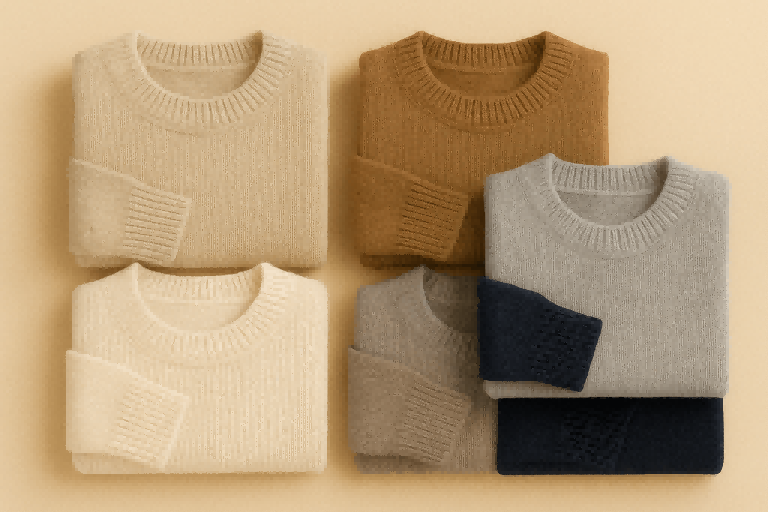
As a manufacturer, I've seen firsthand that aftercare is not an afterthought; it's a core part of product design. For a product manager like Oliver, thinking about how a customer will wash and store a sweater is just as important as how it looks on a hanger. The most successful brands don't just teach customers how to care for their sweaters—they design sweaters that are easy to care for correctly. This approach builds trust and transforms a simple purchase into a long-lasting relationship. Let's break down how to get it right.
How to maintain a knitted sweater?
Customers are often confused by generic care labels, leading to improper maintenance. This results in damaged sweaters and unhappy customers who blame your brand for poor quality. It's time to build care into the product itself.
To maintain a knitted sweater, you should focus on smart daily care like airing it out, using proper washing techniques, and storing it correctly. The best maintenance starts during the development phase by selecting yarns and structures that are inherently resilient and easy for the customer to manage.
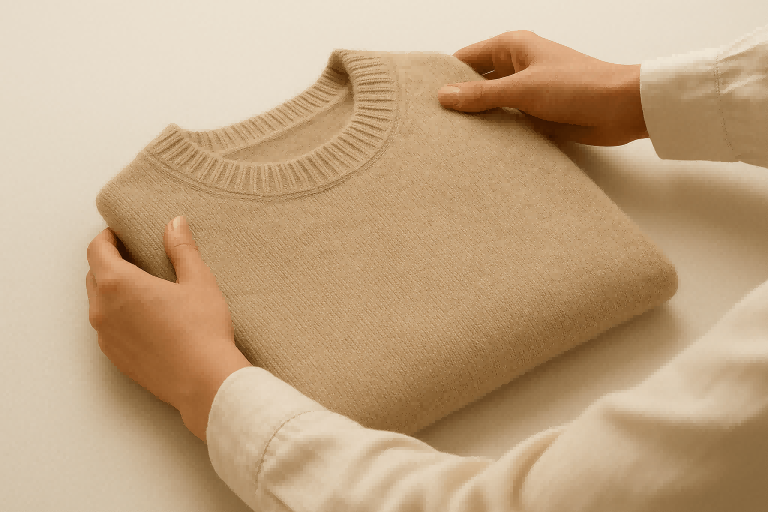
In my experience, the conversation about maintenance should start when you're reviewing the first tech pack. The goal should be to create a sweater that is forgiving. For example, using a superwash-treated Merino wool for a daily-wear collection makes the garment machine washable, aligning with a busy customer's lifestyle. In contrast, an open, loose-knit structure with a delicate yarn will require careful handwashing, which might not be practical for your target audience. We work with brands to bridge this gap, ensuring the final product is not only beautiful but also built for real life. This proactive approach prevents most common maintenance issues before they ever arise.
Design Choices that Simplify Maintenance
The materials and construction you choose directly impact how easy a sweater is to care for.
| Design Factor | High Maintenance | Low Maintenance (Our Recommendation) |
|---|---|---|
| Yarn Choice | Delicate, low-twist cashmere | Superwash Merino wool, tight-twist yarns |
| Knit Structure | Loose, open-weave jacquards | Dense jersey stitch, stable ribs |
| Color | Non-colorfast dark dyes | Yarns with high colorfastness ratings |
At HD Merino, our in-house lab can test for factors like pilling, shrinkage, and colorfastness. This data allows us to provide concrete recommendations to improve a sweater's durability and make it easier to maintain.
How often should I wash a knitted sweater?
Customers either overwash their sweaters, causing premature wear and tear, or underwash them. Overwashing ruins the garment and the environment, while underwashing can be unhygienic. Both scenarios can reflect poorly on your product's perceived quality.
Wash natural fiber sweaters like Merino wool only when they are visibly dirty or after many wears. Its natural antimicrobial properties mean airing it out is often enough. For cotton or synthetic blends, more frequent washing may be necessary, typically after every 2-4 wears.
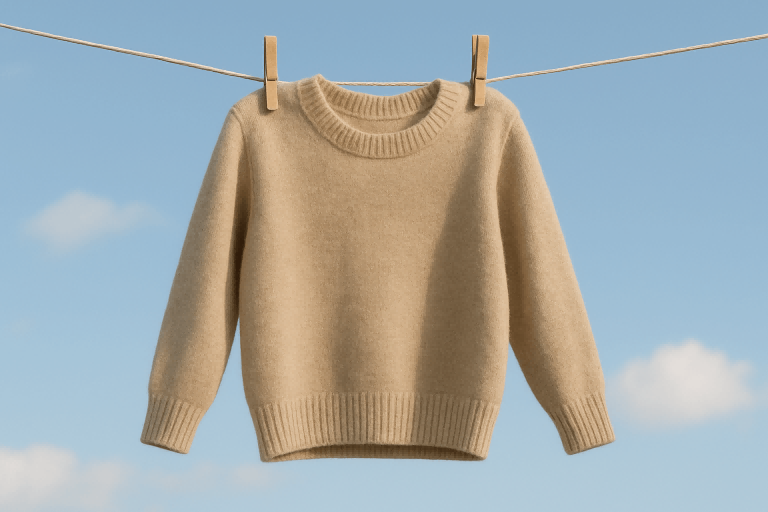
One of the biggest misconceptions we help brands educate their customers about is washing frequency. Many consumers are conditioned to wash clothes after a single use, which is incredibly damaging to natural fibers like wool and cashmere. These fibers thrive with less washing. I remember working with a brand that was getting returns due to "pilling." After analyzing the garments, it was clear the cause was overwashing, not poor quality. We helped them add a simple "Airing is Caring" message to their product pages and hangtags. This small change educated their customers and significantly reduced complaints. It's about changing a habit, not just providing instructions.
A Smarter Approach to Washing Frequency
Educating your customers on proper washing frequency for different fibers builds trust and extends the life of the garment.
| Fiber Type | Recommended Wash Frequency | Daily Care Tip |
|---|---|---|
| 100% Merino Wool | Every 5-10 wears or when soiled | Air out on a flat surface or wide hanger for a few hours. |
| Cashmere & Blends | Every 4-7 wears | Use a sweater comb for any minor pilling between wears. |
| Cotton & Synthetic Blends | Every 2-4 wears | Odor is a better indicator than a set number of wears. |
Suggesting a "Care Frequency" guide on your website or hangtag is a great way to add value and position your brand as an expert.
How to properly store knit sweaters?
A customer pulls their favorite sweater out for the new season, only to find it stretched out, riddled with moth holes, or misshapen. They will almost certainly blame the sweater's quality and are unlikely to purchase from your brand again.
You should always fold knit sweaters and store them flat in a breathable container or on a shelf. Never hang a sweater, as gravity will pull the knit structure downwards and permanently stretch it out of shape. Always ensure sweaters are clean before long-term storage.
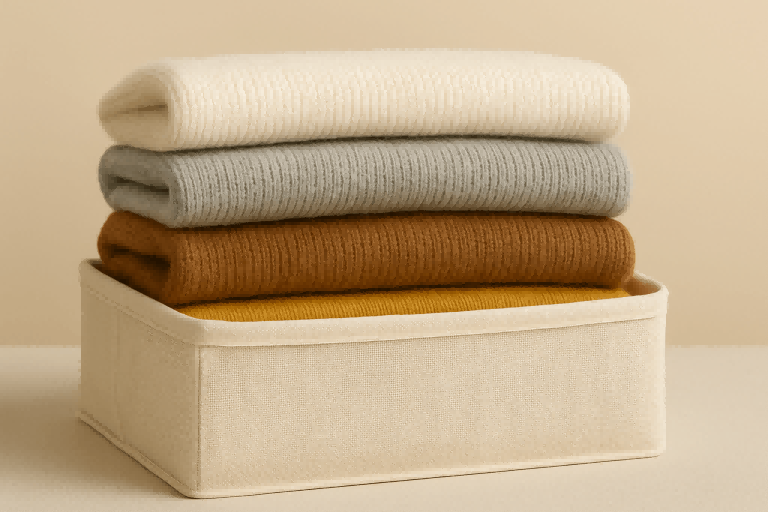
The "never hang a sweater" rule is something I explain to every single client. Unlike woven fabrics, knitwear is a series of interlocking loops. When you hang it, the weight of the garment—especially with heavier yarns—pulls on these loops, causing irreversible stretching in the shoulders and body. The best customer is a repeat customer, and proper storage advice ensures they can enjoy your product for years to come. I always suggest brands include a small, beautifully designed "Seasonal Storage" card with every sweater purchase in the fall. It's a low-cost, high-impact way to show you care about the customer's investment long after the sale is complete.
The Golden Rules of Sweater Storage
Simple instructions can make a huge difference in the longevity of a knit garment.
- Fold, Don't Hang: This is the most crucial rule. Folding prevents gravity from distorting the sweater's shape.
- Clean Before Storing: Food stains and body oils attract pests like moths. Always wash and completely dry sweaters before seasonal storage.
- Use Breathable Containers: Avoid plastic bags, which can trap moisture and lead to mildew. Fabric bags or storage boxes are ideal.
- Add Natural Repellents: Cedar blocks or lavender sachets are great for deterring moths without the use of harsh chemicals.
Taking the time to communicate these simple rules reinforces the premium quality of your products and the expertise of your brand.
Conclusion
Ultimately, sweater care is a core part of the product lifecycle. A thoughtful care strategy reduces returns, builds customer loyalty, and solidifies your brand's reputation for lasting quality.