Bad sweater fit leads to high return rates and poor reviews. This directly hurts your brand's reputation and bottom line. Let's fix this with a clear, manufacturer-backed approach.
A good sweater fit is the perfect balance between the design's intent, the yarn's properties, the knitting structure, and the target customer's expectations. Achieving this requires close collaboration with your manufacturer from the very first tech pack to ensure the final garment drapes and feels right.
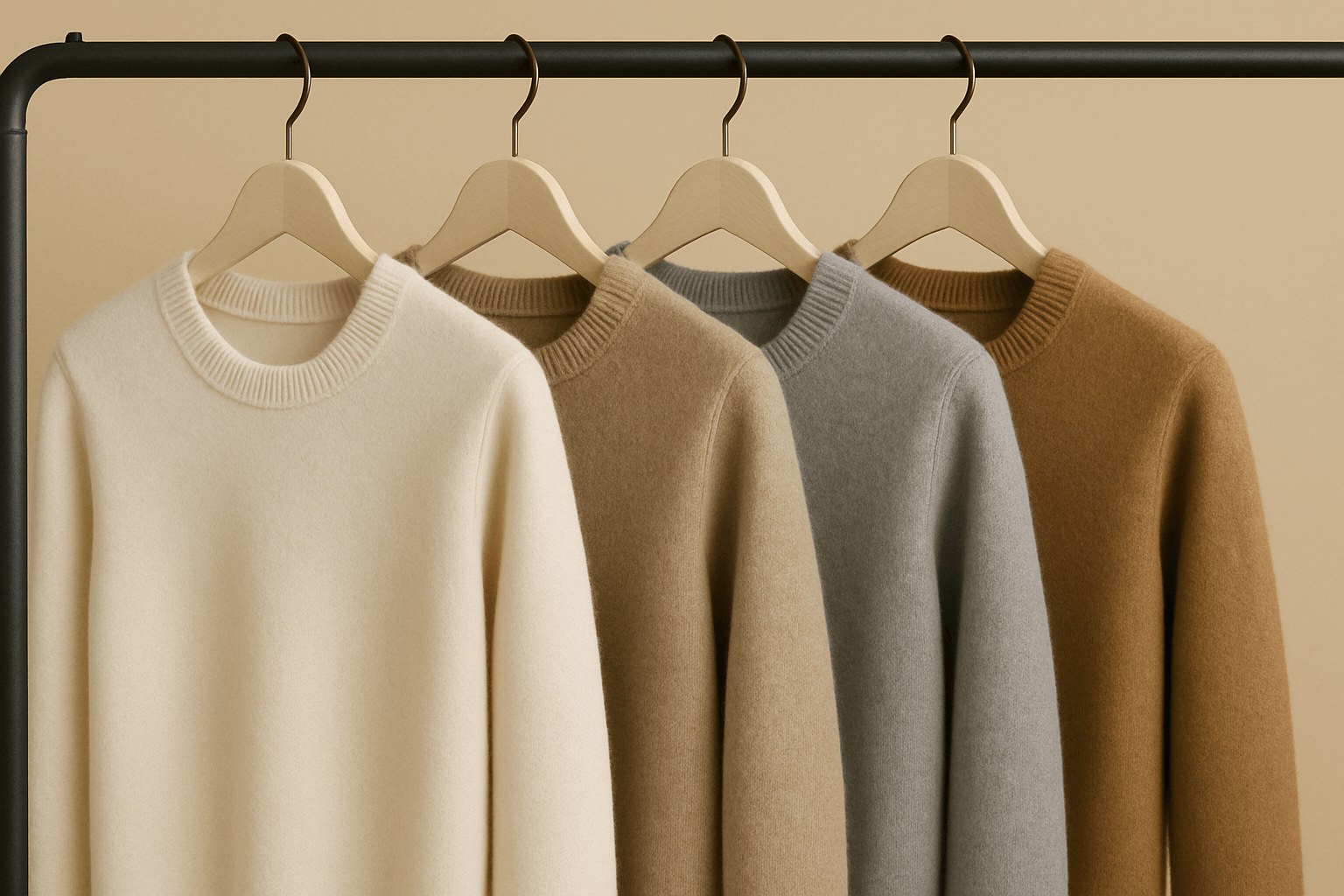
As a manufacturer, I've seen firsthand how sweater fit can make or break a collection. It’s the single most critical factor influencing sales, customer loyalty, and return rates. A product manager like Oliver knows that a great design on paper can fail completely if the fit is off. It's not just about measurements; it's about how the sweater feels and looks on a real person. Getting it right isn't magic. It's a process of careful collaboration between the brand and the manufacturer. Let's walk through the essential questions to master your sweater fit.
How do sweaters fit?
Your tech packs are perfect, but the samples feel wrong. This is a common frustration that can cause major delays. It's time to understand what truly defines a sweater's fit.
A sweater's fit comes from the interaction of the design style, target customer, yarn characteristics, and knitting technique. It’s not just about measurements. A heavy yarn in a loose knit will drape differently than a fine yarn in a tight rib stitch, completely changing the silhouette.
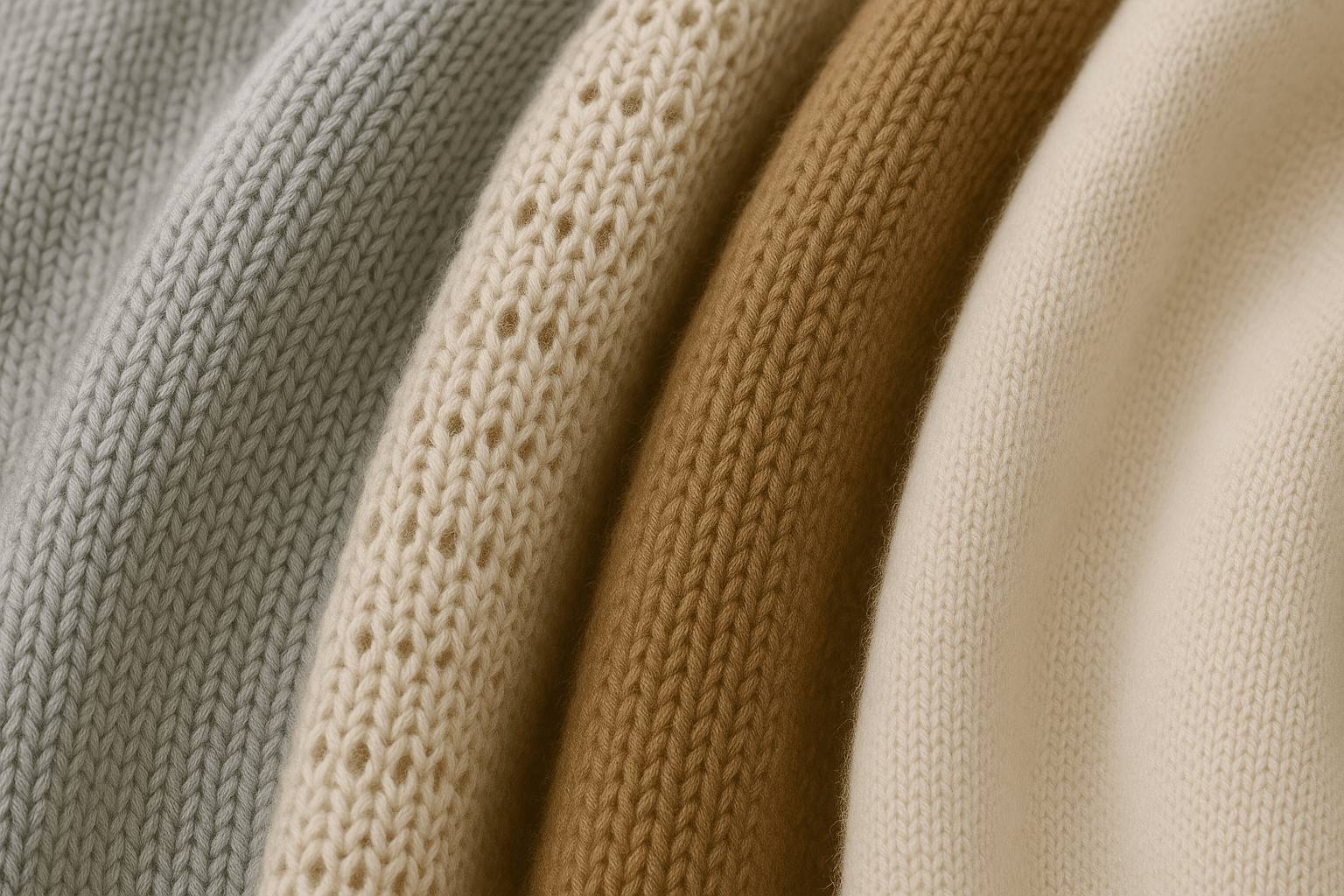
The fit of a sweater is a dynamic relationship, not a static set of numbers. I often explain to clients that you have to consider how all the elements will work together. For example, an oversized design needs a yarn with the right weight to drape correctly, not just hang like a sack. A slim-fit style requires yarn with good recovery so it doesn't stretch out after one wear. This is where our expertise as a manufacturer becomes invaluable. We can look at a design concept and the chosen yarn and predict how it will behave. We see the potential issues before a single stitch is knitted.
Core Factors Defining Sweater Fit
Let's break down how different styles require completely different approaches to achieve the right fit.
| Factor | Classic Fit (e.g., Crewneck) | Relaxed Fit (e.g., Oversized Cardigan) |
|---|---|---|
| Design Intent | Follows the body's natural lines; tailored look. | Drapes loosely; often features drop shoulders. |
| Key Measurements | Shoulder point, chest circumference, waist tapering. | Shoulder width (extended), body length, sleeve volume. |
| Yarn Choice | Medium-weight yarns with good elasticity (e.g., Merino). | Heavier yarns for drape, or lighter yarns for a lofty feel. |
| Knit Structure | Jersey stitch, fine ribs for cuffs and hem. | Looser gauge knits, chunky cable stitches. |
Understanding this interaction is the first step. You can't apply the same fit logic to every sweater in your collection.
How to make a sweater fit better?
You just received a sample, and the fit is off. It feels like a huge setback that will derail your schedule. But correcting fit issues can be a smooth process with the right system.
To improve a sweater's fit, use a structured multi-round sampling process. Provide detailed feedback based on a live fit model, not just flat measurements. An experienced manufacturer can then suggest specific adjustments to the pattern, yarn, or knit tension to achieve the desired result.
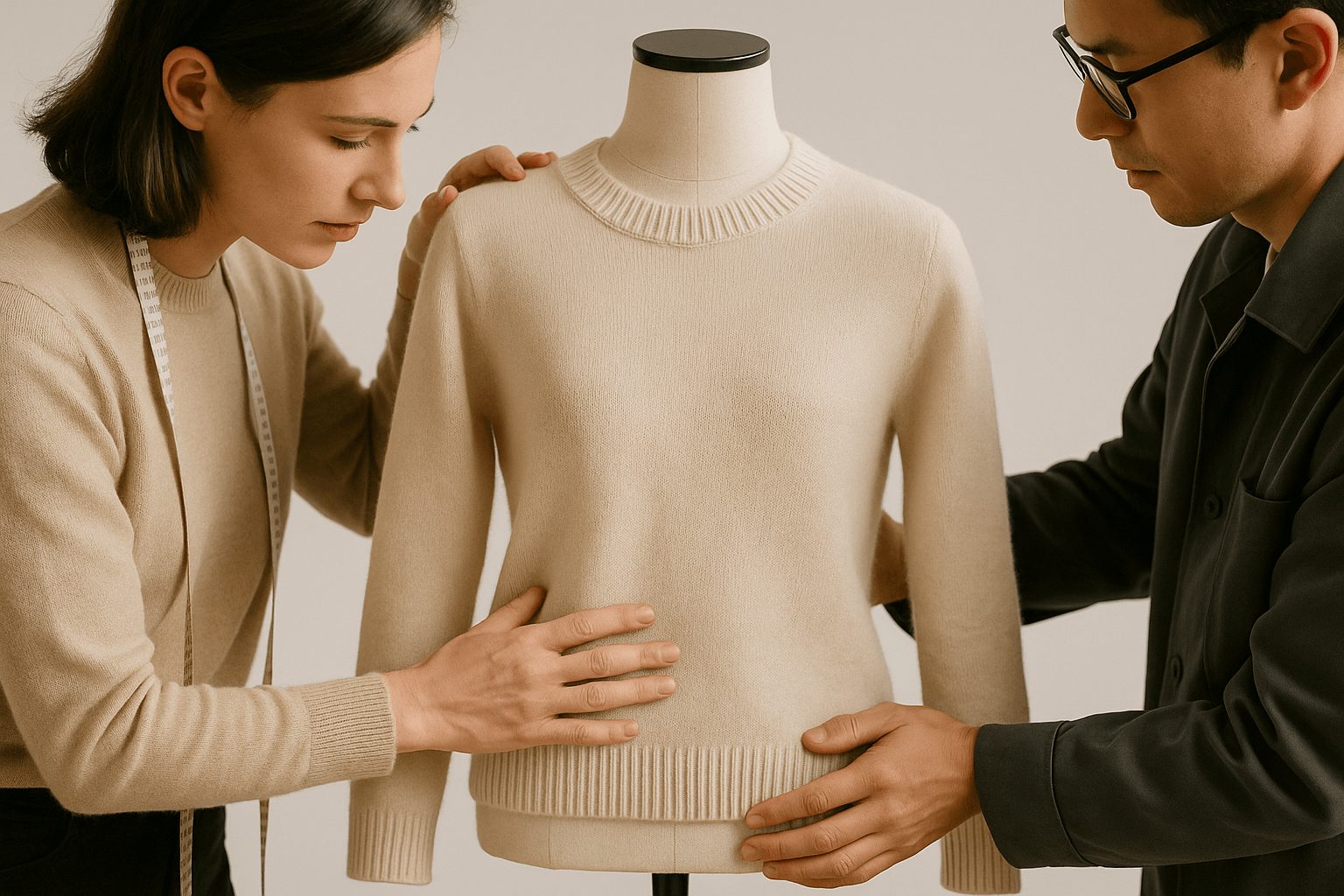
The key to a better fit is clear communication and iterative refinement. I always recommend a minimum of two to three sample rounds. The first sample is a baseline. We expect it to need changes. The brand's job is to provide precise feedback. Saying "the sleeve is too long" is good, but saying "the sleeve is 2cm too long and feels too baggy at the forearm" is much better. We then take this feedback and translate it into technical adjustments. Sometimes, the solution isn't just changing a measurement. We might suggest a tighter rib on the cuff or a different linking method at the shoulder to solve the problem. This collaborative process ensures the final product is perfect.
The Iterative Development Process
A structured sampling process saves time and money. Here is the standard workflow we use with our brand partners.
- Initial Proto Sample: We create the first sweater based on your tech pack and design. The goal is to evaluate the basic silhouette and fabric feel.
- Fit Sample & Revisions: The brand conducts a fit session. Feedback is collected, and we create a revised sample. This loop may happen 1-2 times.
- Pre-Production Sample (PPS): This is the final version before bulk production. It uses the exact bulk yarn and trims. Its purpose is to confirm that we can replicate the approved fit perfectly on a mass scale.
At HD Merino, we help brands create a permanent sizing archive. This means that after we perfect the fit for one style, we can use that data to make the development process for future styles much faster.
Are sweaters supposed to be tight or loose?
Your designers want a trendy oversized look, but your sales team worries a loose fit will get returned. Deciding on the right fit—tight, loose, or classic—is a major strategic choice.
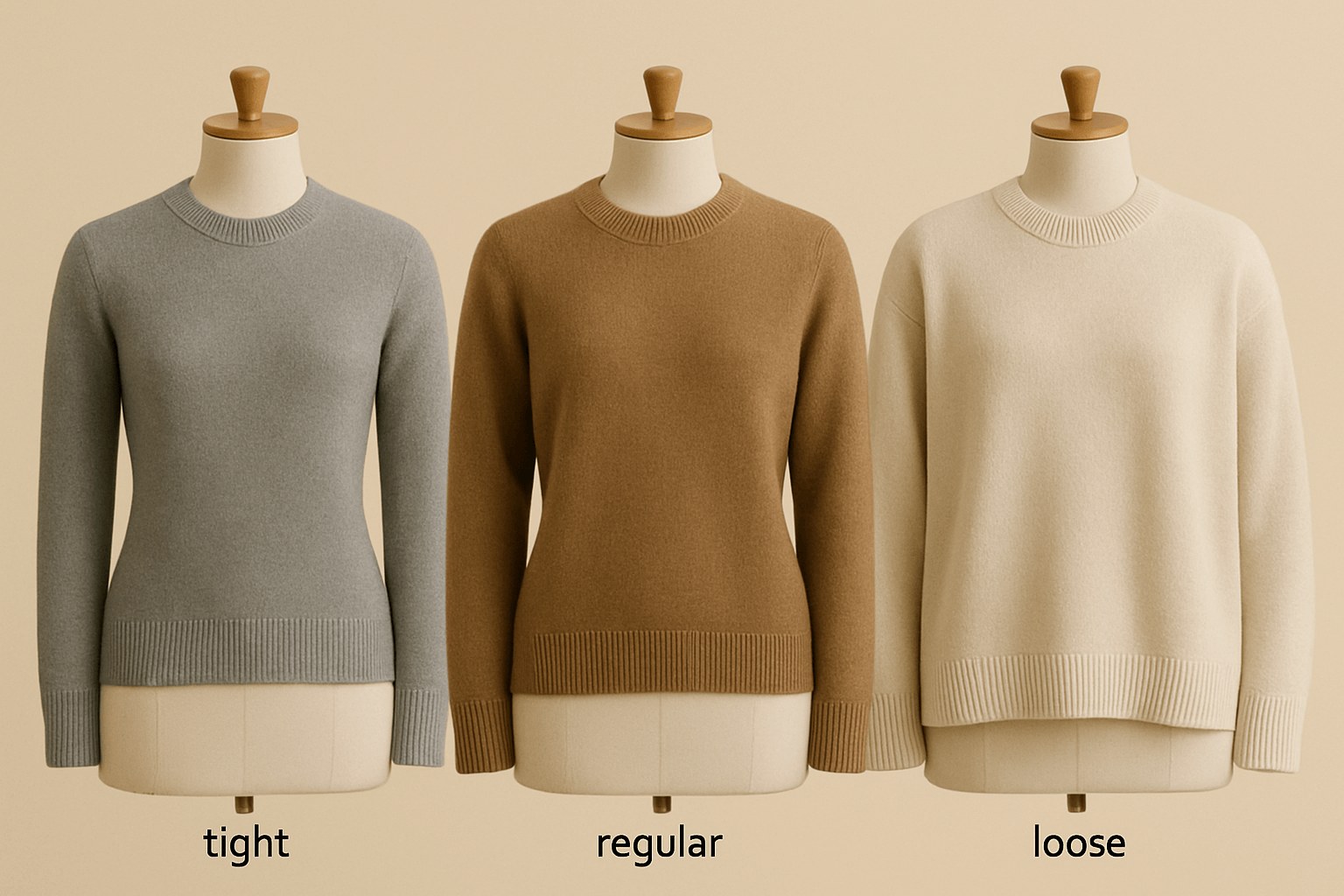
The ideal fit depends entirely on the design's intent and your target customer. There is no single rule. A modern, fashion-forward brand might focus on oversized silhouettes, while a classic menswear label will prioritize a tailored, regular fit. The key is consistency within your brand identity.
This is a conversation I have with every new brand I work with. The answer has nothing to do with manufacturing limitations and everything to do with brand strategy. The most successful brands are those that have a clear and consistent point of view on fit. Their customers know what to expect. The worst mistake is to offer inconsistent fits without clear guidance. This confuses customers and leads to returns. For example, if a customer buys a "Large" crewneck that fits perfectly and then buys a "Large" cardigan that's designed to be oversized, they might think it's a sizing error.
Matching Fit to Brand and Customer
Your fit strategy should be a conscious decision, not an accident. Here’s how to think about it.
- Tight Fit: Works best for fine-gauge knits, an athletic customer base, or layering pieces. Requires yarns with high elasticity and recovery to prevent sagging. Think performance Merino base layers or sleek turtlenecks.
- Regular Fit: The industry standard. It skims the body without being tight. This is the safest and most commercial fit for classic styles like V-necks and crewnecks. It offers broad appeal.
- Loose/Oversized Fit: A fashion-forward choice. It requires careful pattern engineering to ensure it drapes well and doesn't look sloppy. Details like drop shoulders, wider bodies, and longer sleeves are common. The choice of a heavier yarn can help it hang correctly.
My advice is always to define your core fit blocks (e.g., "Slim Fit," "Classic Fit," "Relaxed Fit") and use them consistently across your collections.
Conclusion
Mastering sweater fit is a partnership. It requires clear brand vision and expert manufacturing execution. By focusing on the interplay of design, yarn, and structure, you create successful collections.