Sweaters Pilling: What Brands Must Know and How to Prevent It?
Customer complaints about pilling sweaters can damage your brand's reputation. You're tired of returns and negative reviews, but what if you could control pilling and educate customers effectively?
To prevent pilling, brands must understand it starts with fiber choice and yarn construction. Partner with a manufacturer who tests for pilling and can adjust yarn twist, knit density, and finishing treatments. This proactive approach minimizes pilling before production ever begins.
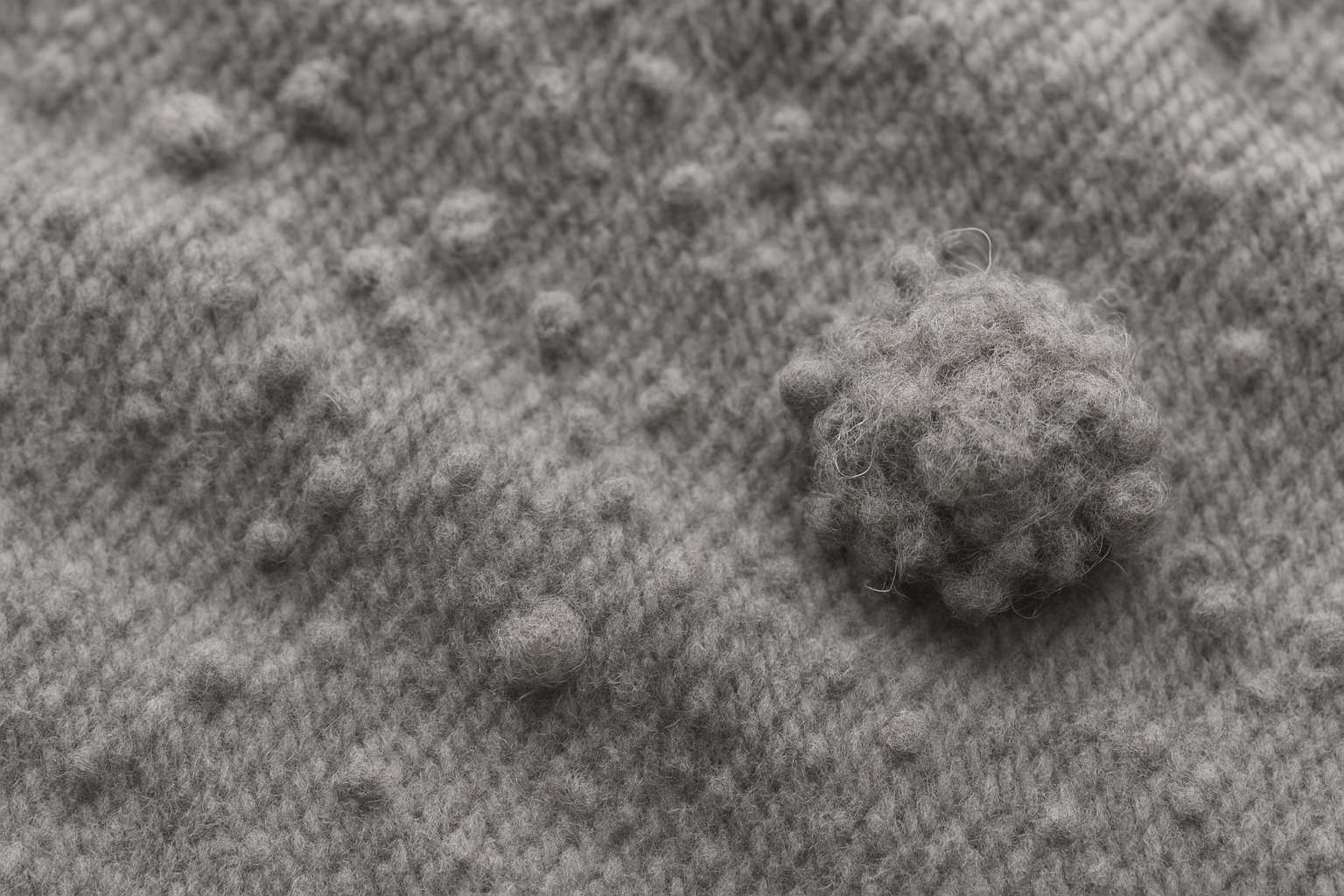
Pilling is one of the most persistent challenges in knitwear, often mistaken for poor quality. As a brand manager, you're on the front lines, dealing with customer feedback and trying to uphold your quality standards. But the truth about pilling is more complex than it seems. Understanding the real causes is the first step toward creating more durable, beautiful sweaters that your customers will love for years. Let’s dive into why this happens and how you can get ahead of it.
Why do sweaters pill so quickly?
You selected premium yarns, yet pilling appears almost immediately. This undermines the luxury feel you promised, leading to customer disappointment. The secret lies in the fiber's nature, not its name.
Sweaters pill quickly because of friction on short, loose fibers, especially with fine materials like cashmere or merino. The finer and shorter the fiber, the more easily it tangles into pills. Yarn structure, knit density, and wear habits accelerate this natural process.
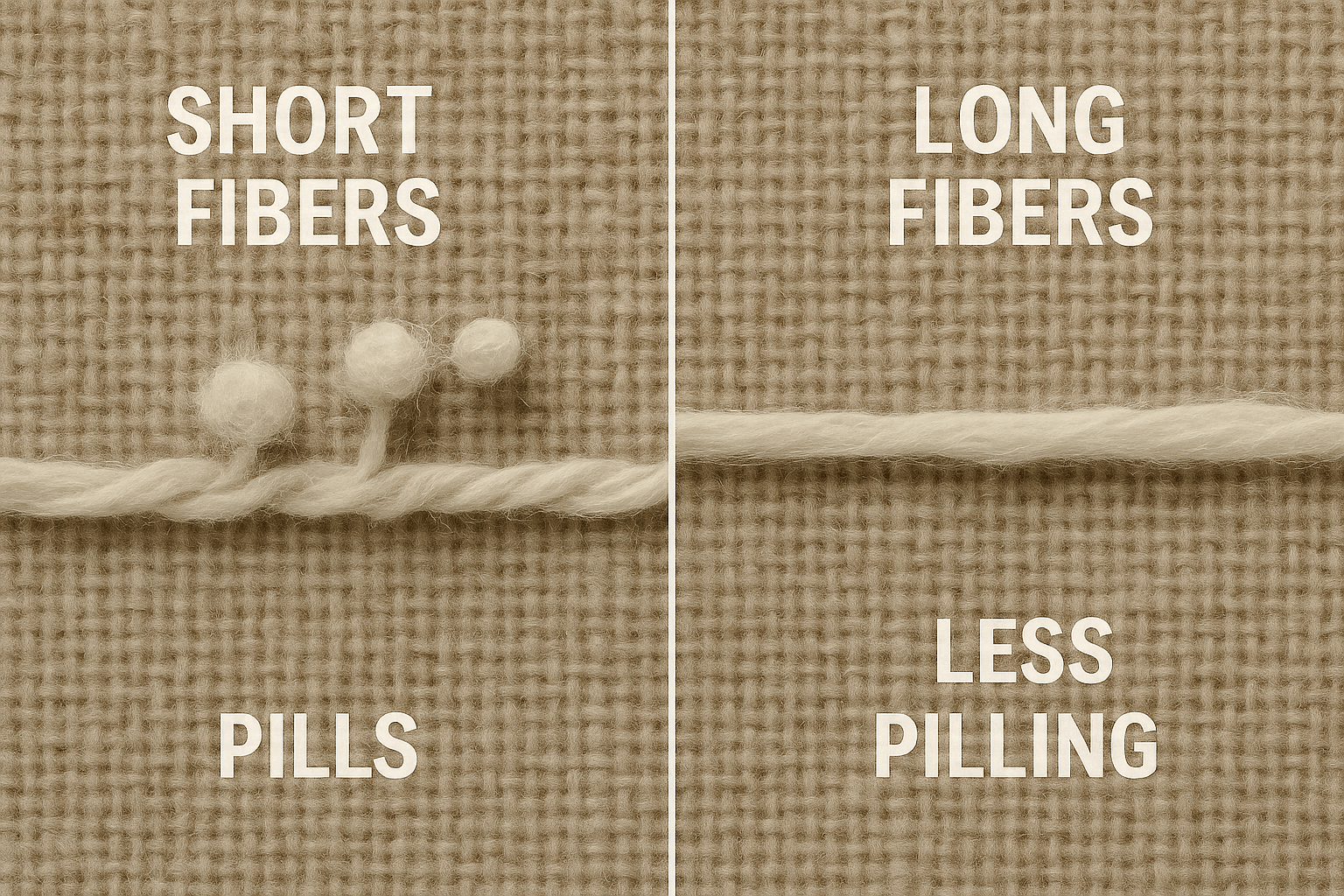
As someone who's worked with knitwear for over 13 years, I've seen firsthand that the "why" behind pilling is more about physics than quality. It's not that the material is bad; it's that certain fibers are inherently prone to it. We need to look beyond the yarn's composition and consider the specific technical factors at play. For brands like yours, managed by product developers who value quality, understanding these details is crucial for making informed decisions during development.
Key Factors Influencing Pilling
Let's break down the five main culprits. Thinking about these early can save you a lot of headaches later.
| Factor | Why It Matters | Our Approach at HD Merino |
|---|---|---|
| Fiber Length | Short fibers, common in cashmere and some merino, have more ends that can pop out and tangle. Long-staple fibers are more secure. | We help you select yarns with longer staple fibers or suggest treatments to manage short fibers, ensuring better durability from the start. |
| Yarn Structure | Loosely twisted, single-ply yarns allow fibers to escape easily. Tightly twisted, multi-ply yarns are much more stable and pill-resistant. | We recommend higher-twist or plied yarns for styles prone to friction and always test their structural integrity before sampling. |
| Knit Density | Looser knits, like a relaxed jersey stitch, have more room for fibers to move and abrade. Tighter knits, like a firm rib, hold fibers in place. | In our fully-fashioned production, we precisely adjust machine gauge and tension to achieve a denser fabric that resists surface abrasion. |
| Blend Stability | Natural fibers pill more than synthetics. Adding a small percentage of nylon can drastically improve abrasion resistance and longevity. | We can propose strategic blends with durable fibers like nylon to enhance performance without sacrificing the luxurious hand-feel. |
| Wear & Tear | Pilling happens most in high-friction areas: under the arms, along the sides, and where bags rub against the garment. | During pattern making, we anticipate these friction points and can suggest reinforcing the knit structure in those specific zones. |
By analyzing these factors together, we move the conversation from "Is this a quality yarn?" to "Is this the right yarn and construction for this specific garment?" It’s a subtle but critical shift in perspective that leads to a superior final product.
What To Do About Pilling Sweaters?
Pilling has already appeared on your sweaters. Now you face a potential wave of returns and a difficult conversation with your customers. You can fix this by empowering them with the right tools.
Once a sweater pills, the best solution is to educate customers on proper removal and care. Provide a wool comb or recommend an electric fabric shaver for gentle removal. Instruct them to never pull or cut the pills. This approach positions your brand as a helpful expert.
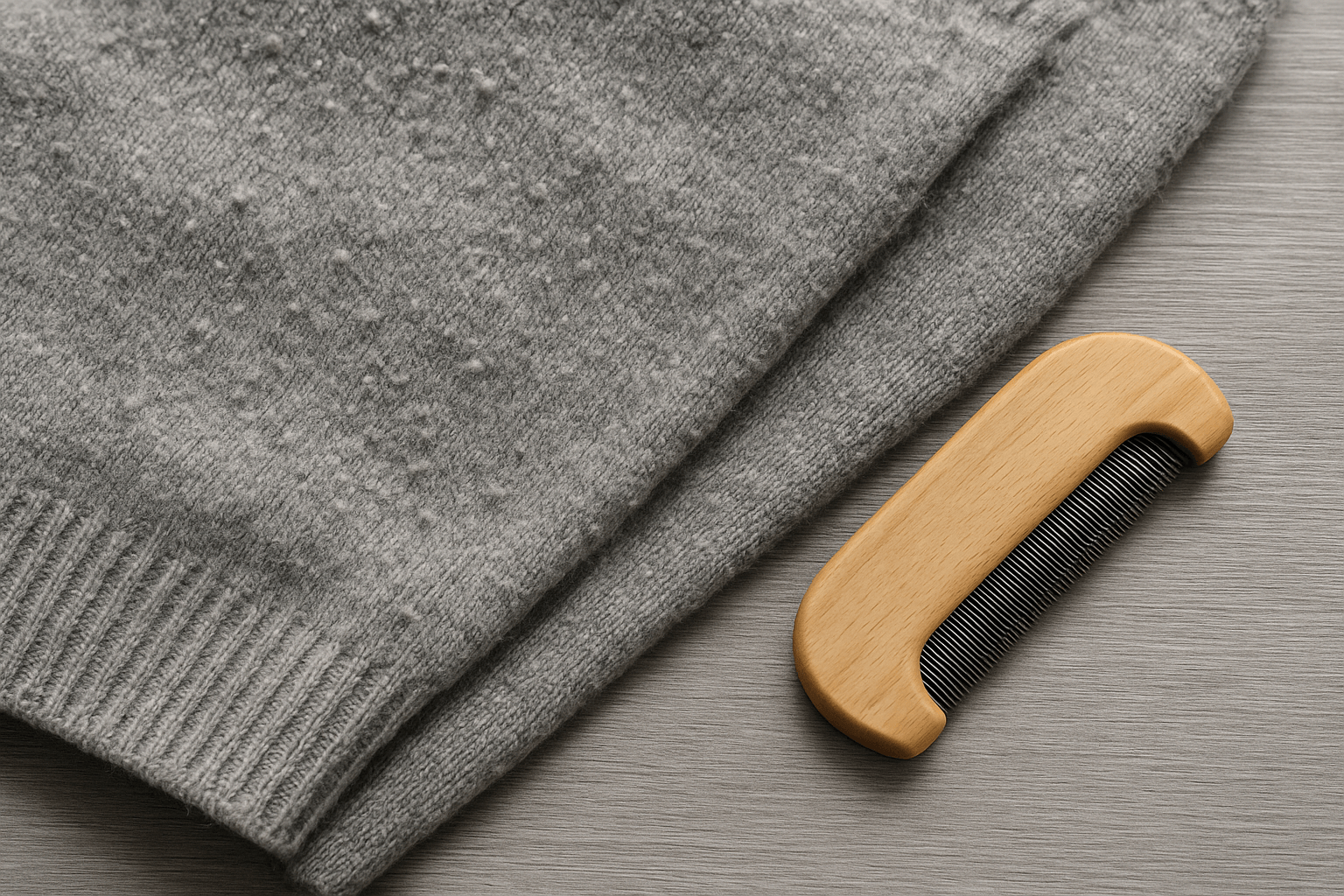
When a customer sees pilling, their first thought is often "this is defective." As a brand, your response can either reinforce that belief or build deeper trust. Instead of being reactive, we advise our partners to be proactive and build a comprehensive care system. It's about teaching the nuances of a luxury, natural product. Just like a high-performance car needs a specific maintenance schedule, a fine-gauge merino sweater requires specific care to look its best.
Building a Customer Care System
Your goal is to reframe pilling from a "defect" to a manageable characteristic of a natural fiber. Here’s how we help brands achieve this:
- At the Point of Sale: Include clear, concise information on the hang tag. A simple line like, "Pilling is a natural characteristic of fine wool. Gentle removal with a sweater comb will restore its finish," sets expectations immediately.
- In the Packaging: A small care guide booklet inside the package feels premium and shows you care about the garment's longevity. This is where you can explain why it happens and show them how to care for it.
- On Digital Platforms: Your website's FAQ and social media are perfect for visual guides. A short video showing the right way to use a fabric shaver versus the wrong way (pulling!) is highly effective.
- Added Value: Consider including a branded wool comb with every sweater. The cost is minimal, but the perceived value is huge. It turns a potential problem into a luxury service moment and reduces the chance of customers damaging the garment.
By taking these steps, you are not just selling a sweater; you are providing a complete ownership experience. It shows confidence in your product and respect for your customer.
How to keep a sweater from pilling?
You want to design beautiful sweaters without the inevitable pilling risk. Fear of pilling can limit your creative choices in yarn and stitch. Prevention, however, starts long before the first stitch is knitted.
To prevent pilling, control it at the source. This means rigorous yarn selection, pre-production pilling tests (like EN/ISO standards), and using manufacturing techniques like high-twist yarns, denser knitting, and specialized finishing treatments. A proactive partner is your best defense.
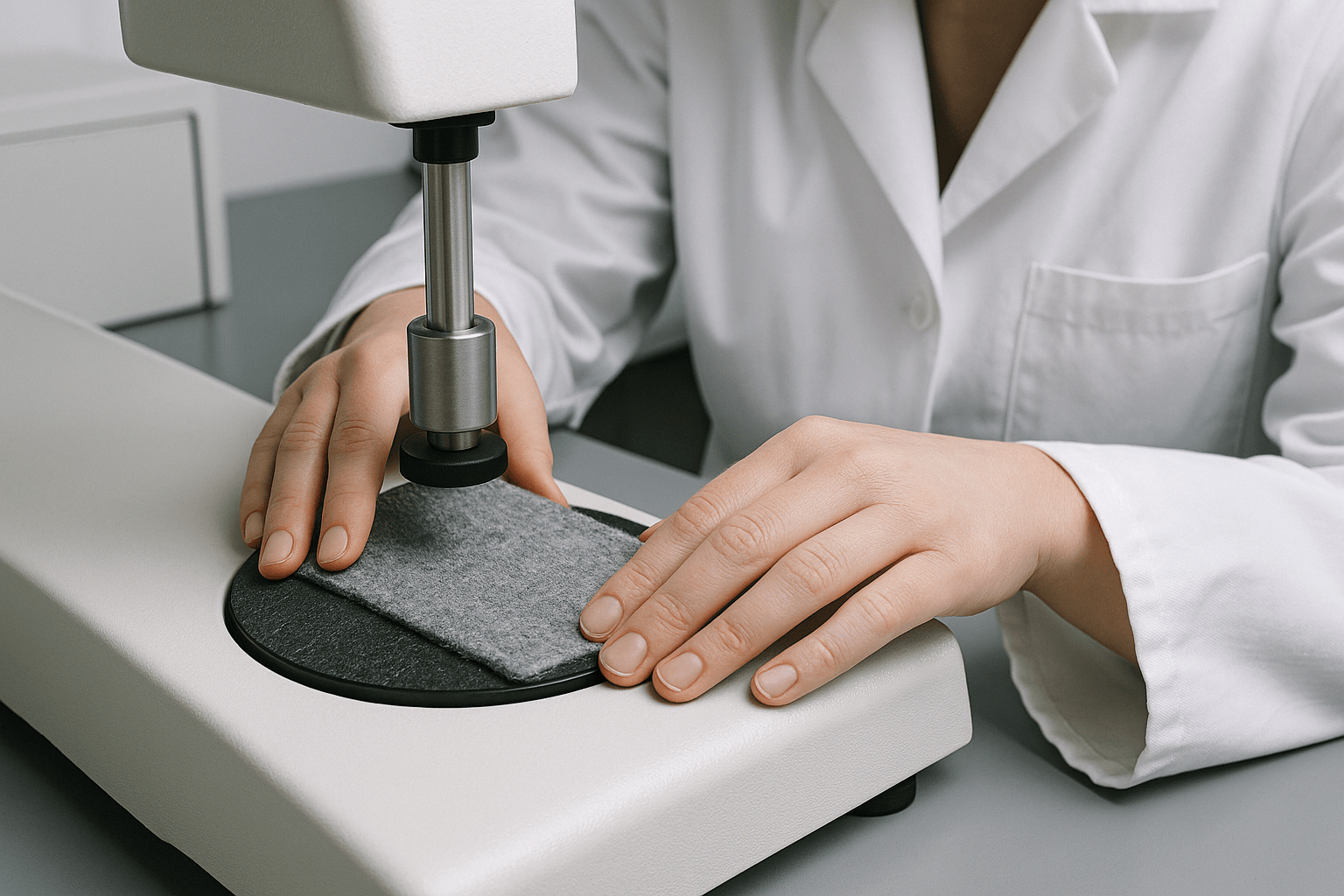
This is where a true manufacturing partnership shines. As your OEM/ODM partner, our job at HD Merino is to help you mitigate risk and build a better garment from the ground up. For product managers, this support is invaluable. It means fewer surprises and more predictable outcomes. We don't just take a tech pack and produce; we analyze it for potential issues, and pilling is at the top of our checklist. Our fully-fashioned manufacturing process allows for incredible precision at every stage.
Our Proactive Anti-Pilling Strategy
Before we even knit the first sample, we begin our anti-pilling protocol. This multi-step process ensures the final product is as stable and beautiful as possible.
- Yarn & Structure Analysis: We review your chosen yarn and stitch. If we see a risky combination—like a loose jersey stitch with a fine, short-staple yarn—we flag it immediately.
- Laboratory Pilling Tests: We conduct formal pilling tests according to EN/ISO standards on a knitted swatch. This gives us an objective pilling grade. If the swatch fails to meet an acceptable grade, we don't proceed.
- Proposing Solutions: Instead of just identifying a problem, we provide clear, actionable solutions.
| Problem Found in Testing | Our Solution at HD Merino | Benefit to Your Brand |
|---|---|---|
| Yarn fibers are too short/loose. | We'll suggest a higher-twist or plied version of the same yarn, or a similar yarn with a longer staple fiber. | You get improved durability without changing the core design intent or hand-feel of your garment. |
| The fabric is too abrasive. | We recommend adding a small percentage (e.g., 10%) of nylon or another durable fiber to the blend. | This delivers significantly higher abrasion resistance in high-friction areas, protecting the garment's appearance. |
| Surface is prone to fuzzing. | We apply a specialized anti-pilling agent during finishing or use a "singeing" process to burn off loose surface fibers. | The result is a cleaner, smoother sweater surface that is far less likely to tangle into pills. |
This data-backed process allows you to improve your product before you've invested in bulk production. It saves you time, money, and protects your brand's hard-earned reputation for quality.
Conclusion
Managing sweater pilling isn't about finding a "magic" yarn. It's about combining smart design, proactive testing, expert manufacturing, and clear customer education to build lasting quality into every piece.