You've sourced the perfect Merino wool for your collection, but a nagging fear remains. What if a customer washes it wrong and it shrinks? It’s a common worry for many brands.
Yes, Merino wool can shrink. Shrinkage happens when its natural fiber scales interlock due to heat, friction, or sudden temperature changes. But this is not a product flaw. It's a natural trait that you can easily control with the right care and washing methods.
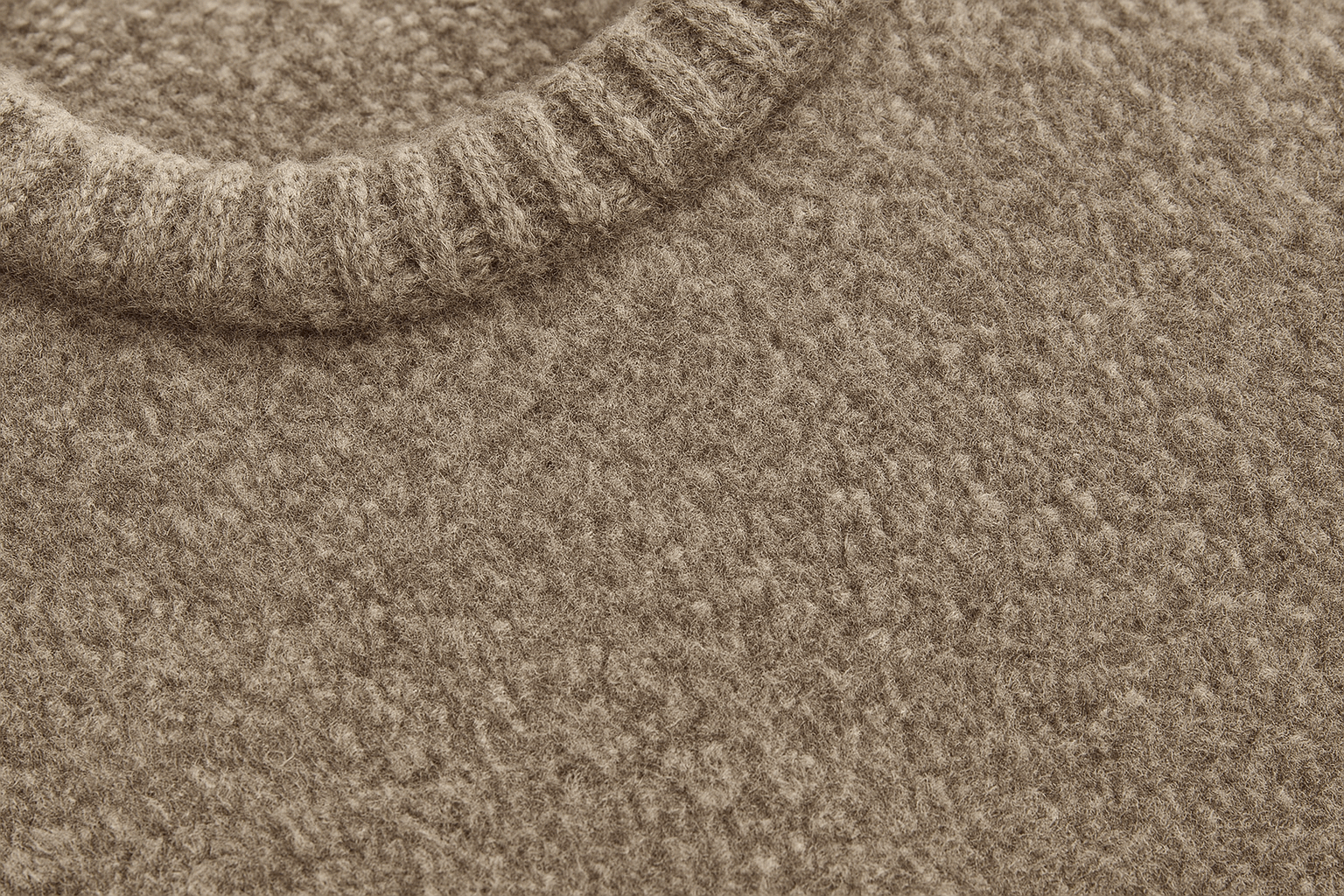
In my 13 years in the knitwear industry, I’ve seen this concern come up time and time again with product managers like Oliver. They worry that one bad wash will lead to an angry customer and a returned product. But the truth is, shrinkage is almost entirely preventable. The secret isn't in finding wool that never shrinks, but in understanding why it shrinks and how to handle it. Once you know the rules of the game, you can confidently build a collection around this incredible fiber. Let's dive into how you can make shrinkage a non-issue for your brand and your customers.
How To Prevent Merino Wool From Shrinking?
You've invested in a premium Merino collection, but the thought of shrinkage causes endless anxiety. A flood of customer complaints and returns could seriously damage your brand's reputation and profits.
To stop Merino wool from shrinking, you need to control three things: water temperature, friction, and gravity. Use cool water (20-30°C), wash gently without harsh spinning, and always lay the garment flat to dry. Never hang a wet Merino sweater.
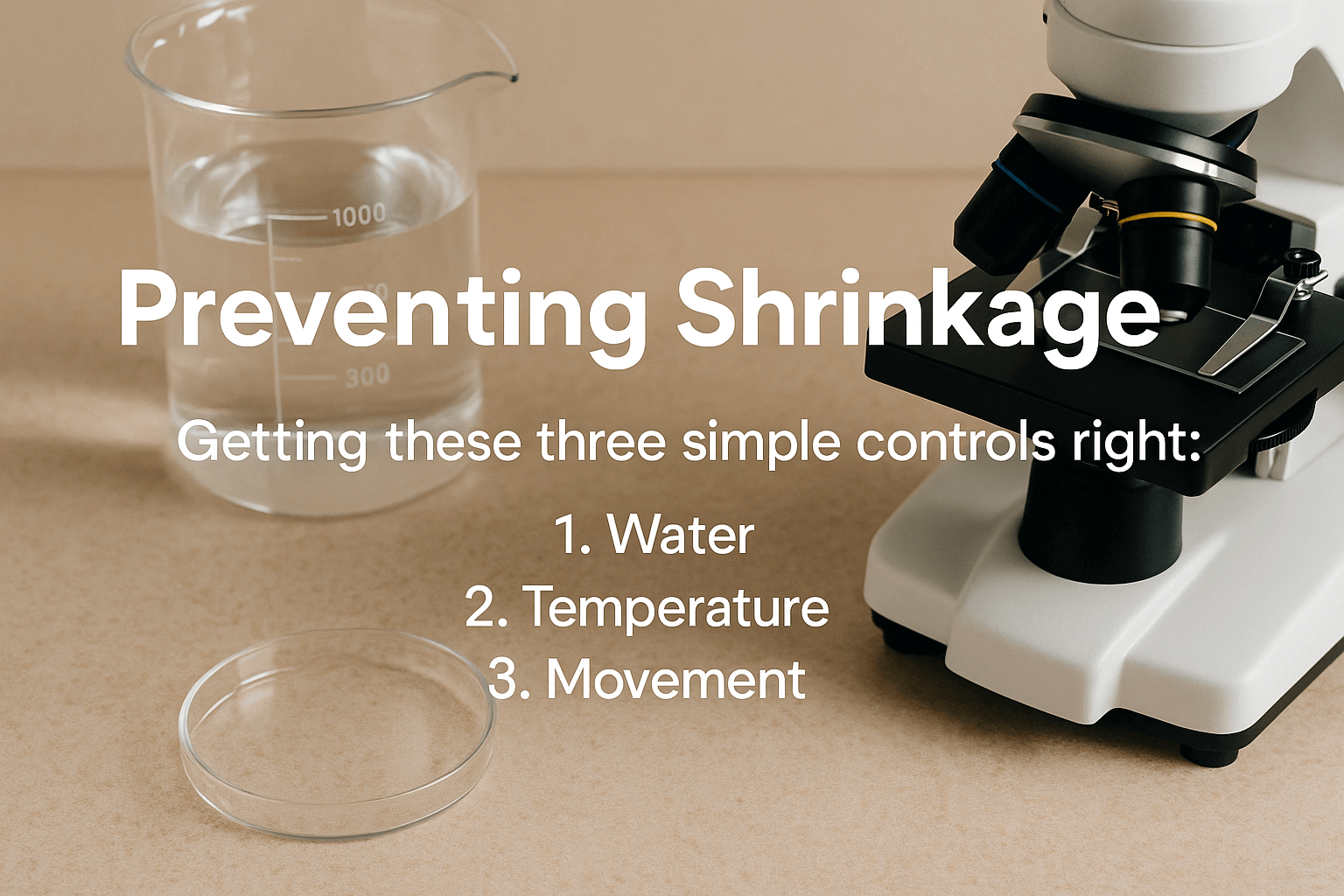
Preventing shrinkage is less about a magic trick and more about science. The wool fiber's structure reacts to its environment. At HD Merino, we spend a lot of time testing these reactions so our brand partners can set clear expectations. We've found that getting these three simple controls right solves 99% of shrinkage problems. It’s about being gentle and avoiding sudden shocks to the fiber.
The Three Pillars of Shrinkage Prevention
| Control Factor | The Wrong Way (Causes Shrinking) | The Right Way (Prevents Shrinking) |
|---|---|---|
| Temperature | Washing in hot water (>30°C) or rinsing with different temperature water. | Wash and rinse in cool, consistent temperature water (20-30°C). |
| Friction | Using a standard machine wash cycle, wringing, or scrubbing the fabric. | Gentle hand soaking or using a dedicated wool machine cycle. Do not wring. |
| Gravity | Hanging a wet sweater on a line or hanger. | Laying the garment flat on a towel, away from direct sunlight. |
By managing these three elements, you protect the sweater's knit structure. Hot water makes the fiber scales open up and lock together. Heavy friction does the same thing, forcing the fibers to felt. And finally, the weight of water in a hanging sweater will stretch the garment out of shape vertically while causing it to shrink horizontally. Educating your customer on these three simple points is the most powerful tool you have.
How to wash merino without shrinking?
Your care tags might say "Hand Wash Only," but this instruction can feel vague to customers. This ambiguity leads to mistakes, ruined sweaters, and frustrated customers who blame your brand for what they see as poor quality.
The safest way to wash depends entirely on the yarn. For standard Merino, hand washing in cool water with a wool detergent is non-negotiable. If you're using Superwash-treated Merino, a gentle, cool machine cycle is usually safe. Always confirm the yarn's specific properties.
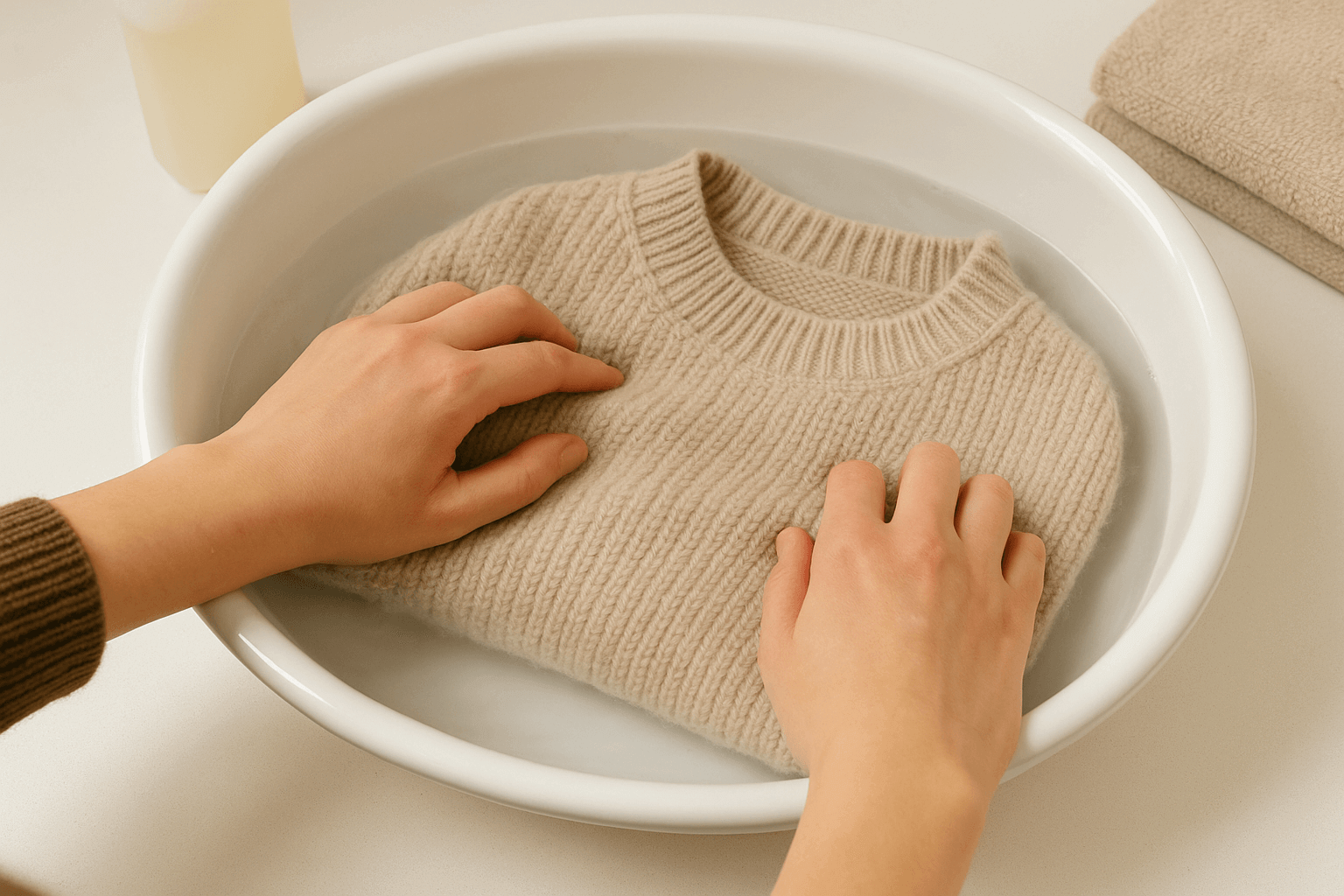
Not all Merino yarn is created equal. During product development, one of the first things we discuss with brands is the end customer's lifestyle. Does your customer value convenience over all else? Or are they a purist who doesn't mind careful hand washing? The answer determines the type of Merino yarn we recommend. This choice is fundamental, as it dictates the washing instructions you'll pass on to your customers and directly impacts your after-sale service burden. A simple yarn decision at the start can save you countless headaches later.
Understanding Your Yarn Options
The choice of yarn is your first line of defense against shrinkage.
-
The Purist's Choice: Non-Superwash Merino
This is traditional, untreated Merino wool. It has a beautiful hand-feel but is the most sensitive to washing. It absolutely requires gentle hand washing. Any agitation or heat will cause its fiber scales to lock together and felt. This is the choice for high-end, luxury pieces where the customer expects to provide special care. -
The Convenient Solution: Superwash Merino
This wool has been treated to remove or coat the fiber's scales. This process makes the wool much more resistant to felting, allowing it to be safely machine-washed on a gentle, cool wool cycle. For many brands, especially those at a larger scale, Superwash is the standard. It dramatically reduces customer error and subsequent returns. -
The Stable Performers: Merino Blends
Blending Merino with synthetic or semi-synthetic fibers like nylon, polyester, or Tencel can also significantly improve dimensional stability. These other fibers don't shrink like wool, so they act as a structural anchor within the yarn, reducing the overall shrinkage potential. We often recommend these blends for performance-oriented or high-use garments.
What To Do If Merino Wool Shrinks?
That dreaded email arrives from a customer with a photo of a doll-sized sweater. Now you have an unhappy customer, a potential negative review, and the task of figuring out if the garment is salvageable.
If a Merino sweater has shrunk slightly, you can often save it. Soak it for 30 minutes in lukewarm water with a bit of hair conditioner. This helps relax the wool fibers. Then, gently reshape the sweater by stretching it while it's damp and lay it flat to dry.
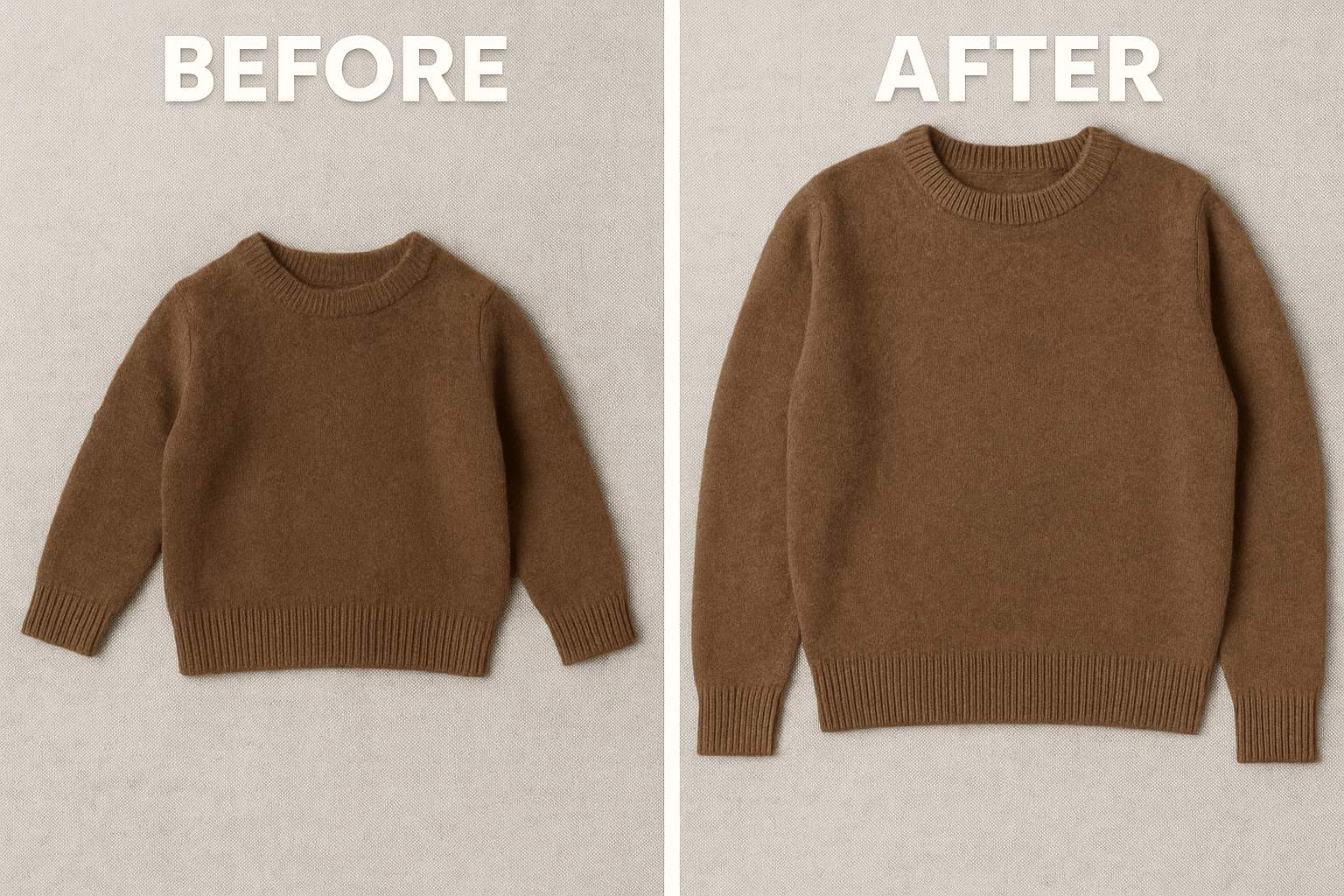
I've shared this "hair conditioner trick" with many brand partners over the years, and it works surprisingly well for minor cases. The logic is simple: wool is hair, and conditioner softens and relaxes the fibers, making them pliable again. However, it's crucial to understand this is a rescue method, not a guaranteed fix. Its success depends entirely on how badly the sweater has shrunken.
The Rescue Mission and Its Limits
First, let's be clear: this only works for mild shrinkage where the fibers have tightened but not permanently locked. If the sweater's surface has become dense, fuzzy, and hard—a state known as irreversible felting—then no amount of conditioner will save it. The structure is permanently damaged. This is especially true for the precise seams of a fully-fashioned sweater, where the linked stitches at the shoulder and armhole will be locked in place.
Here’s the step-by-step process to share with your customer service team:
- Soak: Fill a basin with lukewarm water and add a generous dollop of hair conditioner. Stir to dissolve. Submerge the sweater and let it soak for at least 30 minutes.
- Squeeze, Don't Rinse: Remove the sweater from the water but do not rinse it. The conditioner needs to stay in to keep the fibers relaxed. Gently squeeze out the excess water. Never wring it out.
- Reshape: Lay the damp sweater on a flat towel. Carefully begin stretching it back to its original dimensions. Be firm but gentle, working section by section—body length, chest width, and sleeve length.
- Dry: Leave the sweater to air dry flat on a fresh, dry towel, away from heat or direct sun.
The best solution, however, is prevention. This is why we work with brands to create a strong "wool care education system," including clear hang tags, website FAQs, and even short social media videos. When you empower your customers with knowledge, you prevent problems before they start.
Conclusion
Merino wool shrinkage isn't a flaw; it's a manageable trait. With proper yarn selection and clear customer education on washing, you can eliminate this risk and deliver lasting quality.