Struggling with summer fabrics that feel cool but turn stuffy? Is viscose good for summer? Viscose promises comfort but often disappoints when humidity rises, leaving you with a clingy, heavy garment.
Standard viscose is not ideal for hot, humid summers. While it feels cool and soft, it absorbs moisture heavily, loses strength when wet, and becomes clammy. For true summer comfort, consider advanced fibers like Lyocell or fine-gauge Merino wool, which manage moisture much more effectively.

That cool, silky feel of viscose is tempting for a summer collection. I've seen many brands fall for it. But as a product developer, you know that the initial touch is only half the story. The real test comes when the temperature and humidity climb. We need to look beyond the surface and understand how the fiber actually performs. Let's break down the pros and cons to see if viscose truly holds up.
What are the disadvantages of viscose?
Has a beautiful viscose sample ever turned into a shapeless, clammy mess after a wash or on a humid day? This common problem can ruin a garment's appeal and lead to customer returns.
The main disadvantages of viscose are its high moisture absorption and low wet strength. When it gets damp from sweat or humidity, it swells, clings to the skin, loses its shape, and dries very slowly. This creates a stuffy, uncomfortable feeling, negating its initial coolness.

The core issue with standard viscose lies in its fiber structure. It's a regenerated cellulose fiber, meaning it's derived from wood pulp but chemically processed. This process gives it that signature silky feel but leaves the fiber very vulnerable to water.
Key Structural Weaknesses of Viscose
When exposed to moisture, whether from the air or sweat, the fibers absorb a significant amount of water—up to 14% of their weight. This causes two major problems:
- Loss of Strength: The wet strength of viscose can drop by as much as 50%. This is why garments can stretch out of shape after washing or even just from wearing on a humid day. For a product manager, this means more customer complaints about poor fit retention.
- Poor Moisture Management: Unlike fibers that wick moisture away, viscose simply holds onto it. The fabric becomes saturated, heavy, and stops feeling breathable. It sticks to the skin, creating a clammy sensation that is the opposite of summer comfort.
Here’s a quick comparison of how it reacts to moisture:
| Fiber Feature | Standard Viscose |
|---|---|
| Moisture Regain | 11–14% (High) |
| Wet Strength | Drops by ~50% |
| Drying Speed | Very Slow |
| Feel When Wet | Clammy, Heavy, Clingy |
This is why we often advise clients to be cautious when using 100% standard viscose for high-summer collections, especially for markets with humid climates.
Is viscose or cotton better for summer?
Deciding between cotton and viscose for your summer knitwear line? Both are popular, but choosing the wrong one for the climate can lead to uncomfortable, poorly performing garments.
Neither standard viscose nor cotton is perfect for hot, humid summers. Cotton is more breathable and durable when wet, but it also absorbs sweat, becomes heavy, and dries slowly. Viscose feels cooler initially but gets clammy and loses shape. The better choice often depends on the blend and specific climate.

The viscose vs. cotton debate is one I've had with product managers for years. They both come from natural sources, but their processing leads to very different performance characteristics. From a product development perspective, the choice impacts not just comfort but also the garment's longevity and appearance after wear.
Head-to-Head: Cotton vs. Viscose
Let's put them side-by-side on key summer performance metrics that matter to the end-user:
| Performance Metric | Cotton | Viscose | The Better Choice? |
|---|---|---|---|
| Breathability | Good | Fair (when dry) | Cotton |
| Initial Feel | Soft & Familiar | Silky & Cool | Viscose |
| Moisture Handling | Absorbs, feels wet | Absorbs, feels clammy | Neither is great |
| Wet Strength | Stronger when wet | Weaker when wet | Cotton |
| Drape | Structured | Fluid, drapey | Viscose |
| Wrinkle Resistance | Wrinkles easily | Wrinkles moderately | Viscose |
As you can see, it's a trade-off. Cotton provides a more stable, breathable structure, but it can feel like a wet towel once you start sweating. Viscose offers a beautiful drape and initial coolness but fails spectacularly in high humidity. For our partners, we often suggest that the solution isn't choosing one over the other, but exploring smarter alternatives or blends that offer superior performance.
What season is best for viscose fabric?
Do you want to use viscose for its beautiful drape but are afraid of its poor summer performance? Placing it in the right collection is key to leveraging its strengths and ensuring customer satisfaction.
Viscose performs best in mild, dry conditions, making it ideal for transitional seasons like spring and early autumn. Its cool touch is pleasant on a warm day, but it lacks the moisture management needed for the intense heat and humidity of high summer.

From a manufacturing standpoint, positioning a fabric correctly within a seasonal collection is crucial for a brand's success. Viscose is a perfect example of a "transitional" fabric. Its properties make it shine in specific, but not all, weather conditions.
Finding the Sweet Spot for Viscose
Think about the weather in April-May or September-October in Europe or North America. It's warm, but not oppressively humid. In these scenarios, viscose is an excellent choice.
- Spring: A fine-gauge viscose knit sweater offers a touch of warmth for cool mornings but feels light and breathable as the day warms up. Its fluid drape works beautifully for elegant, relaxed silhouettes that customers love.
- Early Autumn: As a layering piece, viscose provides a smooth, non-bulky base under a jacket or cardigan. It won't cause overheating when you move indoors.
We guide our clients to avoid positioning 100% viscose garments in their "High Summer" or "Resort" collections. Instead, we recommend using it for:
- Transitional collections: Where its drape and soft hand are valued most.
- Evening wear: Where humidity is less of a factor.
- Blends: Combining viscose with more stable fibers like Merino or Lyocell to improve its performance.
By being strategic, you can use viscose's strengths without falling victim to its weaknesses.
What is the coolest fabric to wear in hot weather?
Searching for a truly cool and comfortable fabric for your summer collection? Many materials claim to be the best, but only a few deliver real performance when the heat is on.
The coolest fabrics for hot weather are those that excel at moisture management and breathability. Lyocell (Tencel™) and fine-gauge Merino wool are top performers. Lyocell dries quickly and feels cool, while Merino wool actively regulates temperature and humidity, keeping your skin dry and comfortable.
When product developers ask me this, they're looking for a competitive edge. The answer isn't just one fabric; it's about understanding the science of "coolness." True comfort in heat comes from managing both temperature and moisture, not just a fleeting cool touch.
The Modern Answer to Summer Comfort
What matters is how the fabric performs over hours of wear. Here are the fibers we engineer into our high-performance summer knits:
- Lyocell (Tencel™): This is a modern evolution of viscose. It's also a cellulose fiber, but its closed-loop production process creates a stronger, more stable fiber. It has a smooth surface, excellent moisture absorption, and dries much faster than viscose or cotton, creating a lasting cooling effect.
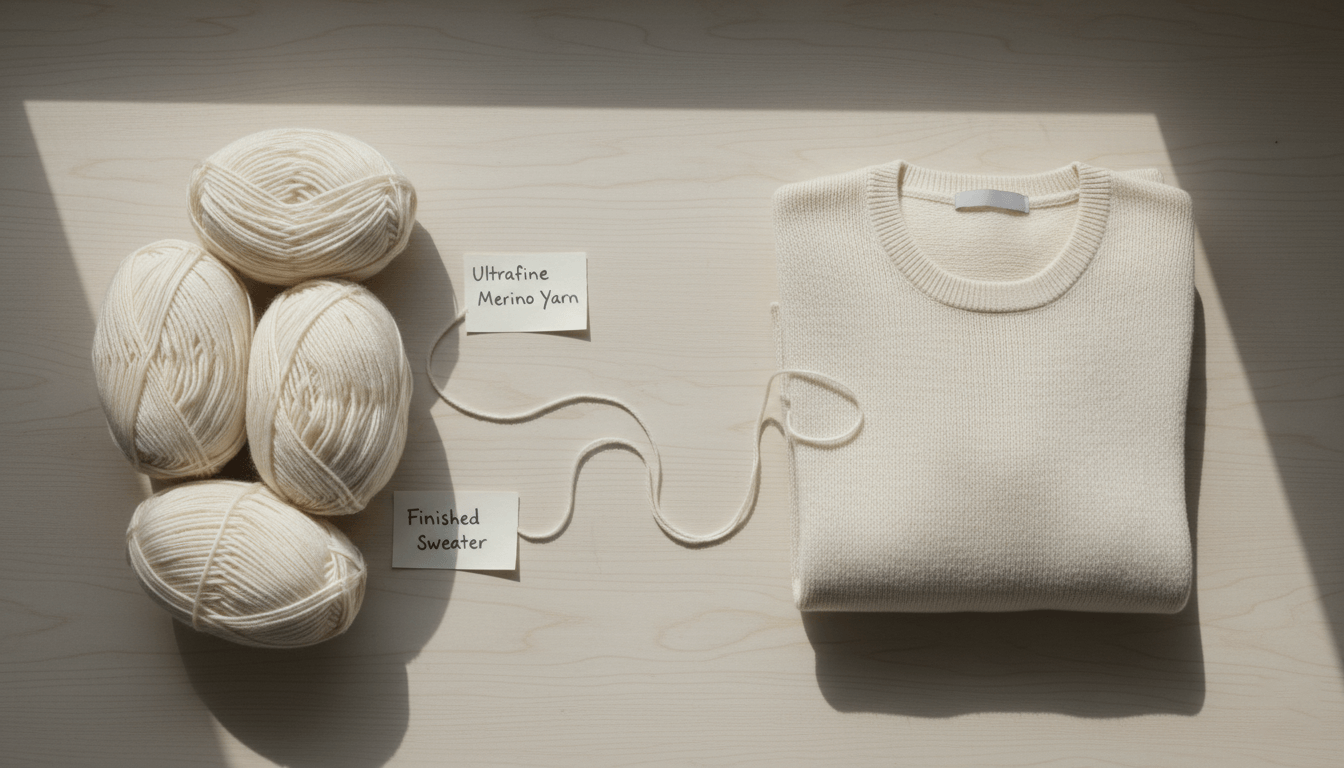
- Ultrafine Merino Wool (13.5–18.5 microns): This might surprise you, but wool is nature's original performance fiber. Unlike other fibers that just absorb sweat, Merino actively pulls moisture vapor away from your skin before it becomes liquid sweat. It can hold up to 35% of its weight in vapor without feeling wet, a process that actively cools you down. It's also naturally odor-resistant, a huge plus for summer.
We often create blends, like a Merino/Lyocell yarn, to achieve the best of both: the moisture management of wool and the silky, cool feel of Lyocell. This is where fiber engineering creates a truly superior product.
What fabrics should you avoid in hot weather?
Have your summer collections received feedback about being stuffy or uncomfortable? The fabric choice is likely the culprit. Certain materials trap heat and moisture, leading to a poor customer experience.
In hot weather, avoid fabrics that don't breathe or that handle moisture poorly. This includes most synthetics like polyester and nylon, which trap heat. Also, be cautious with heavy cotton and standard viscose, as they become heavy and clammy when wet, ruining the wearing experience.

As a manufacturer, our reputation depends on producing garments that perform as promised. Helping our clients avoid poor fabric choices is a key part of our partnership. When it comes to hot weather, some materials are simply a bad idea for premium apparel.
Fabrics That Fail in the Heat
Here's a list of materials we advise clients to steer clear of for their high-summer lines, and why:
| Fabric to Avoid | Why It Fails in Heat |
|---|---|
| Polyester/Nylon | These are oil-based plastics. They have almost zero breathability and don't absorb moisture. Sweat gets trapped against the skin, creating a hot, sticky, and often smelly environment. |
| Acrylic | While it can mimic wool's loft, acrylic is not breathable. It was developed as a cheap alternative but traps heat and feels synthetic and unpleasant in warm weather. |
| Standard Viscose | As we've discussed, its poor wet strength and slow drying time make it a liability in humid conditions. It starts cool but ends up heavy and suffocating. |
| Heavyweight Cotton | While breathable, thick cotton like a heavy jersey or fleece acts like a sponge. It soaks up sweat, takes forever to dry, and feels incredibly heavy and restrictive. |
A garment's summer performance is determined at the yarn selection stage. Choosing a fabric from this list is setting the product up for failure. We focus on lightweight, breathable structures made from fibers designed for thermal comfort, ensuring the final product delights the end customer.
Conclusion
True summer comfort is about more than a cool touch. It's about balancing temperature and moisture through smart fiber engineering, which is the core of our manufacturing philosophy.