The finest sweaters don’t make noise.
They speak softly — through a balanced shoulder, a smooth inner seam, and the calm way a fabric rests on the body.
What looks effortless is built step by step — linking, hand stitching, washing and, finally, careful ironing.
They’re not for show; they set the shape, the comfort and how long the sweater keeps both.
Even now, when speed drives most production, steady human work still decides the outcome; it’s how intent takes form.
That, in essence, is the knitwear production process — hand, fibre and time working in concert.
Mapping the Knitwear Production Process
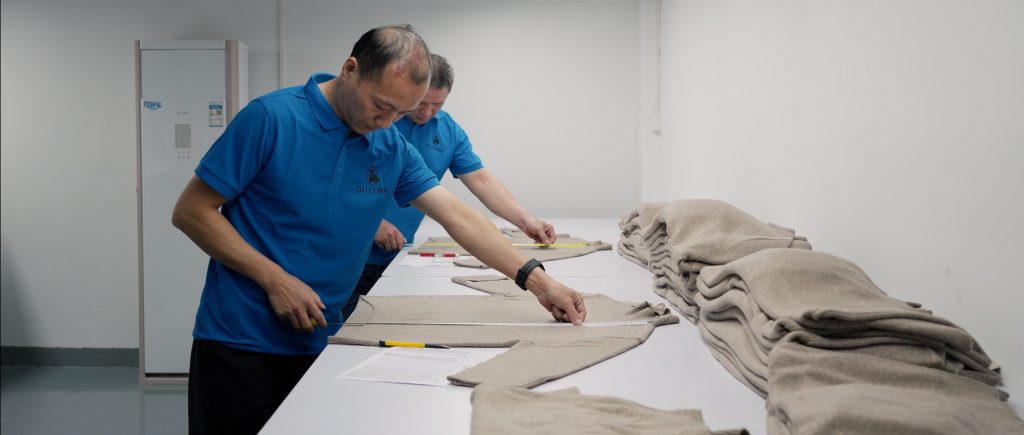
Many pairs of hands touch a good sweater before it’s finished.
It starts with yarn choice and tension tests, moves through knitting, linking and finishing, then washing — and finally ironing and inspection.
Each stage leans on the last, adding control and balance as it goes.
With fully-fashioned knitting, body, sleeves and collar are shaped directly on the machine.
Nothing is cut away; edges come off the machine finished.
The result is a clean outline, less waste and a natural spring that lasts.
Cut-and-sew joins pieces cut from fabric — quicker, but usually less refined.
At HD Merino, production is seen as a sequence of thoughtful actions — not just mechanical steps, but choices guided by experience.
Because in knitwear, the framework isn’t added later; it’s created from the very first loop.
Linking in Knitwear
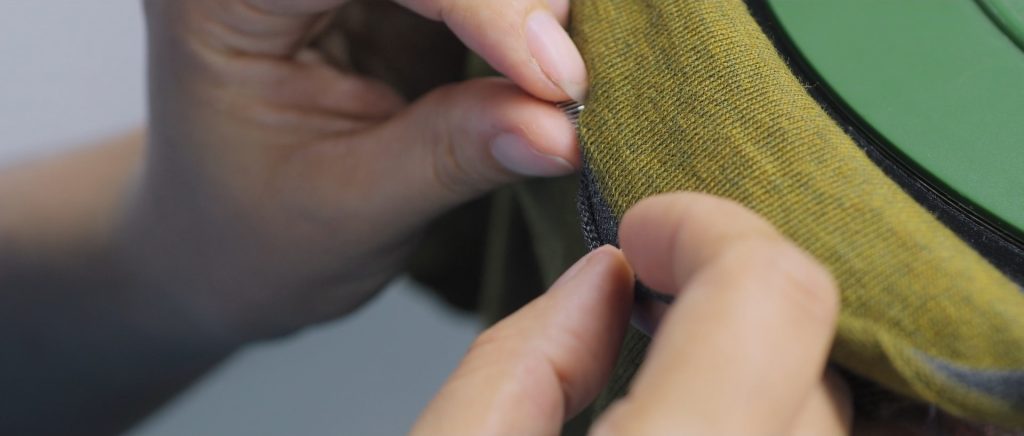
Once knitting is done, the panels must be joined — sleeves, neckline, and trims.
That’s when linking begins — a stage that quietly defines both structure and comfort.
Unlike standard stitching, linking connects loop to loop, aligning every needle line so that the panels meet exactly at their knitted edges.
The result is a clean, even seam — firm enough to hold shape, yet flexible enough to move naturally with the fabric.
In fine-gauge knitwear, the seam ridge is almost invisible.
Its height depends on the knitting gauge: the finer the gauge, the smoother and flatter the ridge.
Rather than trying to disappear, a good linking seam stays tidy and consistent — a small line of discipline that holds the garment together.
High-end makers rely on it because it keeps lines true and proportions steady through wear.
You barely see the join, yet it guides the drape across the shoulders.
Loops are matched by hand, one after another, in time with the gentle hum of the machine.
A single misplaced loop can shift the neckline or pull at the armhole.
That’s why linking is often called the technical heart of knitwear — where craft meets accuracy.
Hand Stitching

Some details in a sweater simply can’t be completed by machine.
That’s where hand stitching comes in — for areas like collars, pockets, edges, and trims, where structure and refinement meet.
It’s used for delicate areas — necklines, collars, pocket mouths and trims — where neat shaping and strength are needed.
The test is discretion: the less you notice, the better the work.
Each stitch secures the loop without strain, joins awkward edges and corrects small shifts left by knitting.
The aim is a smooth transition that preserves elasticity and alignment.
It also covers trimming ends, tidying minor irregularities and reinforcing stress points.
It takes time and a steady hand.
Small, quiet corrections here are what make the difference between a sweater that simply looks fine and one that feels resolved.
Washing
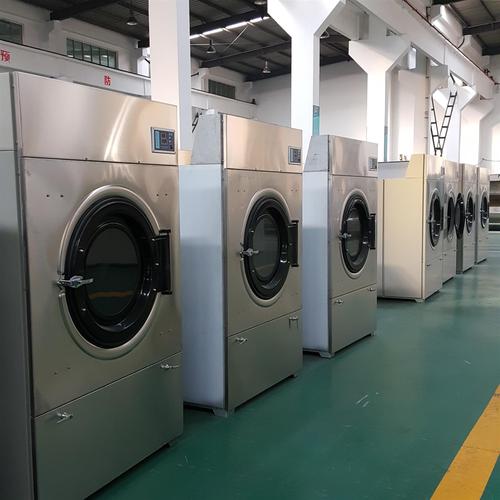
If linking provides structure, and hand stitching brings unity, washing gives the knit its true character.
This step isn’t just about cleaning; it’s when the garment begins to find its natural texture and feel.
Every piece is washed and rinsed to a set programme; temperature, water and timing are closely controlled.
That cycle serves three aims:
-
Purification – removing any oils or residue left from knitting and handling, allowing the wool to breathe and regain purity.
-
Developing Hand Feel – water-to-garment ratio, heat and duration decide the final touch.
On merino, the target is a soft, breathable loft with gentle resilience. -
Balancing Elasticity – a light mix of softener and mild alkali helps the fabric relax without losing its form, preserving its drape.
After washing, the garment rests flat, letting the fibres realign into balance — learning its final shape through calm, natural tension.
A well-washed sweater doesn’t just feel soft; it feels settled, as if the yarn has found its rhythm.
Ironing
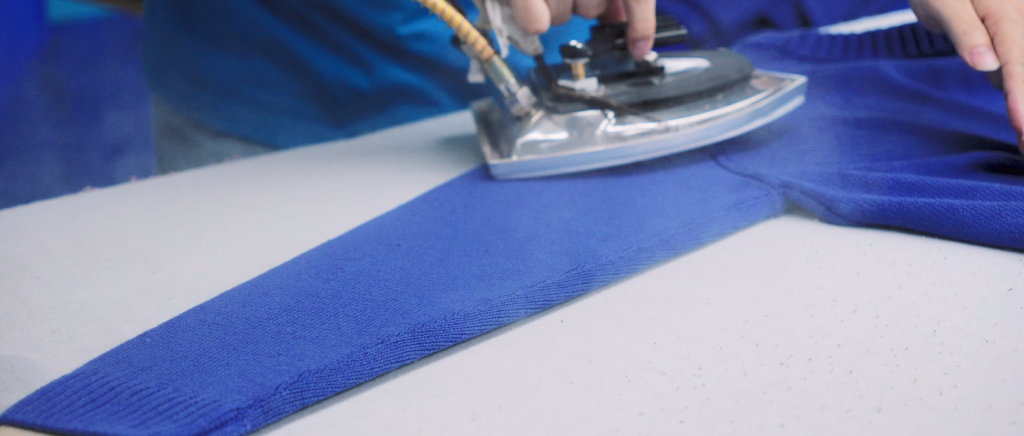
Ironing completes the making — it gives the knit its clarity and stance.
Unlike pressing a woven, ironing a knit guides rather than flattens.
Steam and heat are used in short passes so fibres settle without losing life.
Every movement requires judgement.
Too much pressure can crush the loops; too little leaves the fabric restless.
A skilled ironer reads the wool’s reaction through touch — adjusting distance, temperature and timing by instinct.
Ironing defines the garment’s final geometry — the shoulder line, collar roll and natural fall of the hem.
It’s a stage that combines technique with sensitivity, where texture finally becomes form.
Structure and Longevity
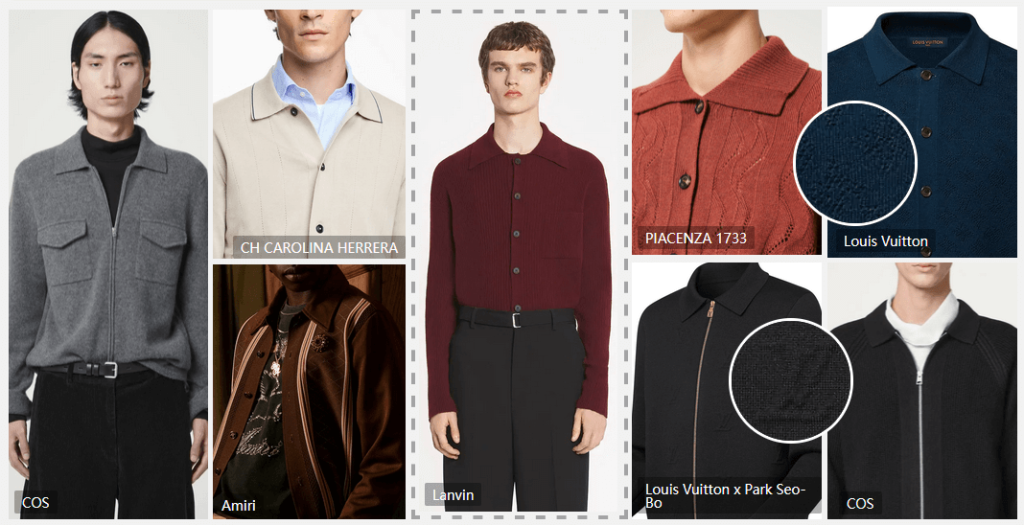
In fully-fashioned work, choices from needle count to finishing are structural ones.
Gauge sets density; density influences drape; drape shapes the silhouette.
Taken together, linking, hand stitching, washing and ironing create the sweater’s unseen framework:
-
Linking gives it strength and proportion.
-
Hand stitching perfects what machines can’t.
-
Washing balances and softens.
-
Ironing completes the form.
When these are in balance, the result is a sweater that moves naturally — strong but supple, structured yet calm.
That harmony is what makes a sweater age gracefully, instead of losing its line after a few wears.
The Silent Architecture of True Luxury
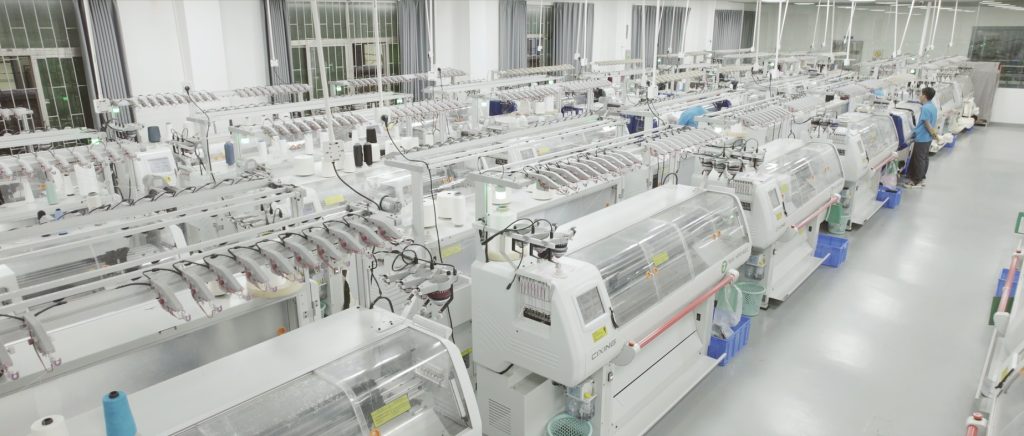
Every sweater tells its story — not through labels, but through its making.
It comes from linking that holds, hand stitching that refines and reinforces, washing that builds the hand, and ironing that fixes the line.
Small, almost unnoticed acts — yet they decide how a garment feels, wears and lasts.
At HD Merino, we treat knitwear as more than fashion: it’s where design meets engineering and judgement.
Our aim is straightforward — help softness keep its shape and let beauty endure.
Because real quality doesn’t need to raise its voice.
It speaks through balance, touch, and time.