When it comes to choosing fabrics for summer collections—especially in menswear—few debates are as enduring as wool vs cotton. Cotton is the global standard: lightweight, breathable, widely available. Wool, on the other hand, is still often associated with winter, insulation, and heavier garments. But recent advances in Merino wool and performance finishes have opened up new conversations around wool’s viability in warm-weather applications.
Still, let’s cut through the marketing and dive into what really matters when selecting fabrics for summer wear: moisture behaviour, thermoregulation, drying time, fibre structure, and real-world safety. Especially for designers and buyers sourcing for travel, outdoor, or hybrid city-outdoor pieces, understanding the material logic behind wool and cotton is essential.
Cotton’s Summer Reputation: Not Always Deserved
There’s a reason cotton dominates summer wardrobes: it’s soft, affordable, highly breathable, and easy to dye. But in performance-oriented design, especially for garments worn close to the skin, cotton can be dangerous.
Outdoor professionals have long used the phrase “cotton kills”—not metaphorically, but literally. When cotton garments become wet (through sweat or sudden rain), the fibre retains moisture deep in its cellulose structure and dries extremely slowly. In backcountry settings, this can cause the wearer’s core temperature to plummet, increasing the risk of hypothermia—even in mild weather.

So why does this happen? Let’s look at the fibre science.
The Science of Wetness: Why Moisture Changes Everything
Cotton: A Water Magnet
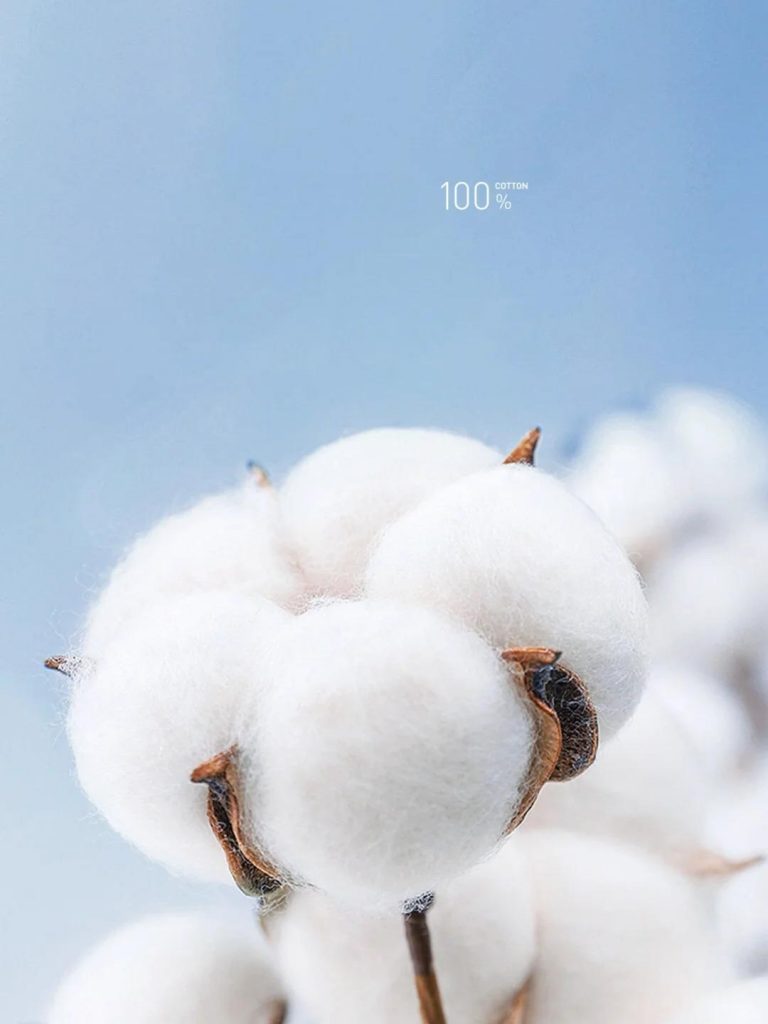
Cotton fibres are composed of over 99% cellulose. Each cellulose molecule has multiple hydroxyl (-OH) groups, which are naturally attracted to water molecules. As a result, cotton can absorb up to 27 times its weight in water, pulling it deep into the inner fibre structure.
Once wet, cotton garments lose their insulating ability. The tiny air pockets between yarns collapse as water fills them, removing the body’s buffer layer of warm air. Because cotton holds onto water so tightly, evaporation is slow, and the fabric remains clingy and heavy for hours. In hot weather, this can make the wearer feel suffocated. In cold weather, it can lead to core temperature drops.
Wool: Moisture as Vapour, Not Liquid
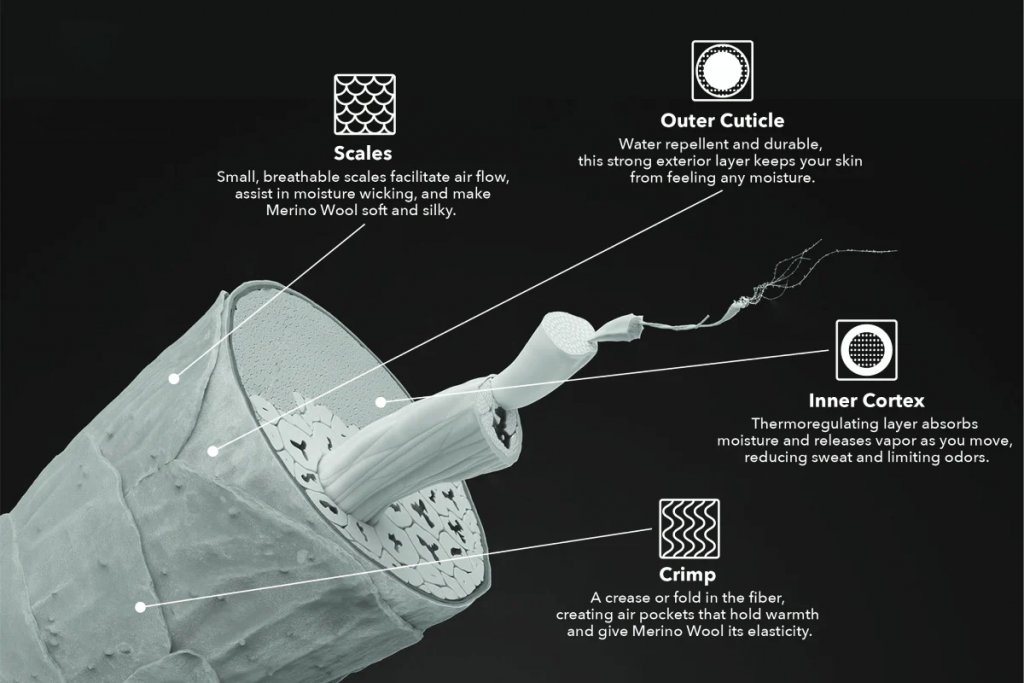
In contrast, wool fibres have a unique outer cuticle layer that resists liquid water but allows moisture vapour to pass through. Wool absorbs water from the air and from sweat as vapour, dispersing it across the fabric to promote evaporation.
Wool can take on up to 35% of its weight in moisture without feeling wet to the touch. Its crimped, springy structure creates natural air pockets that help maintain insulation, even when humid. In practical terms, this means wool can stay warm—even wet—while cotton becomes dangerously cold.
Case in Point: The Wet Sock Experiment
If you’ve ever hiked in the rain, you may have already done this test.

Wear one cotton sock and one wool hiking sock during a long walk in heavy rain. Within minutes, both will be wet—but your foot in the wool sock will stay relatively warm, while the foot in cotton will feel icy and uncomfortable. Afterward, hang both to dry. The wool sock will usually be ready in 2–3 hours; the cotton one may take twice as long, especially in humid conditions.
Now imagine this effect not just on your feet, but across your entire base layer. The stakes are suddenly much higher—especially in remote or unpredictable climates.
But What About Dry, Urban Settings?
Of course, most people don’t hike through alpine forests on a daily basis. For buyers designing for urban professionals, commuters, or hybrid travel-use garments, cotton still has its place. It's soft, clean in appearance, low-cost, and familiar to consumers.
But even in these markets, ultralight wool is making inroads—not as a full replacement for cotton, but as a superior alternative in key scenarios:
-
Merino tees for hot train commutes (no sweat stains or odour)
-
Wool-blend polos for business travel (wrinkle resistance + freshness)
-
Fine-gauge knits for warm-weather layering (breathable, thermoregulating)

The key is knowing when to choose which fibre—and why.
Drying Time and Thermoregulation: Why They Matter in Real Life
One of the most overlooked aspects in fabric selection is drying time. This matters not just for the user experience, but also for:
-
Hygiene (especially on trips or long days out)
-
Packing efficiency (quick-dry = fewer clothes needed)
-
Garment longevity (faster drying = fewer wash cycles = less stress on fibres)
In this respect, wool outperforms cotton, especially when used in lightweight yarns (below 170gsm). Additionally, wool’s natural elasticity allows garments to bounce back into shape, resisting the permanent creasing and bagging that cotton often suffers from after sweat exposure.
Fibre Structure and Fabric Design: Implications for Product Teams
Let’s go a level deeper. Understanding how these fibres interact with design decisions is vital for sourcing teams and product developers.
| Aspect | Cotton | Wool (esp. Merino) |
|---|---|---|
| Fibre Type | Cellulose (plant-based) | Protein (animal-based) |
| Surface Behaviour | Absorbs liquid quickly | Resists droplets, absorbs vapour |
| Drying Time | Slow | Moderate to fast |
| Odour Control | Poor | Excellent (natural antibacterial) |
| Insulation When Wet | None | Maintains warmth |
| Wrinkle Resistance | Poor | High (esp. with blended yarns) |
| Feel on Skin | Soft (when dry) | Soft (if fine gauge, <21 microns) |
| Cost | Low | Higher, but longer-lasting |
But Isn’t Cotton More Sustainable?
That depends on how you measure it.
Cotton:
-
Requires high water usage (especially in non-rainfed regions)
-
Pesticide-heavy unless organic-certified
-
Biodegradable, but slow to degrade when finished with resins
-
Processing is energy-light, but farming is resource-intensive
Wool:
-
Requires land and livestock (emits methane)
-
But wool is 100% natural and biodegradable, breaking down even in seawater
-
Wool garments tend to last longer and require less frequent washing
-
No microplastics, no synthetic dyes (if untreated)
From a life cycle analysis perspective, high-quality wool garments used for many years often have a lower environmental impact per wear than cheap cotton garments replaced frequently.
For designers committed to sustainability—not just in marketing language but in product longevity and lifecycle performance—wool is a serious contender.
Real-World Design Applications: When to Choose Which
| Use Case | Cotton Advantage | Wool Advantage |
|---|---|---|
| Casual warm-weather shirts | Affordable, light feel | Odour control, stays fresh longer |
| Business travel base layers | May wrinkle easily | Looks sharp all day |
| Outdoor wear (hiking, trekking) | High risk when wet | Keeps warm even when damp |
| Lounge & loungewear | Soft, familiar | Regulates temperature naturally |
| Performance knits for hot climates | Absorbs sweat but clings | Wicks moisture, dries faster |
Designers don’t need to pick a side—but they do need to pick intelligently.
Final Thoughts
Cotton isn’t bad. Wool isn’t magic. But each fabric has its context—and misusing them creates risk, waste, or poor customer experience.
For summer garments, especially those worn close to the skin or under conditions of movement and moisture, ultralight Merino wool or wool-blend knits should be seriously considered. Not only do they offer superior thermoregulation and odour control, but they extend garment longevity and improve wearer comfort across a wide range of scenarios.
At HD, we work with buyers and design teams to find the right yarn for the right purpose, offering Merino wool solutions from 13.5 um knits to high-gauge summer blends. Our factory is ISO9001, ISO14001 and BSCI certified, and all Merino garments are machine washable and EU-tested for shrinkage and pilling.
Whether you're developing your next outdoor layer or refining your premium apparel collection, we’ll help you design from the fibre up.