When selecting the best type of fabric for Spring and Summer clothing, cotton is of paramount importance. Celebrated for its luxurious softness, strength and breathability, Pima cotton is renowned for its durability and efficiency. Its extra-long staple fibers are more smooth and stronger than regular cotton, this makes it ideal for comfortable knitwear.
In this article, we'll discuss the primary differences between Pima and regular cotton in detail, we will explain why Pima cotton is the ideal fabric for creating quality knittedwear during the warmer months. We will also discuss the capabilities of these stories in terms of breathability, moisture management and overall comfort, we will ensure that you choose the appropriate stories for your spring and summer endeavor.
What is Pima Cotton and Regular Cotton
1.What is Regular Cotton?
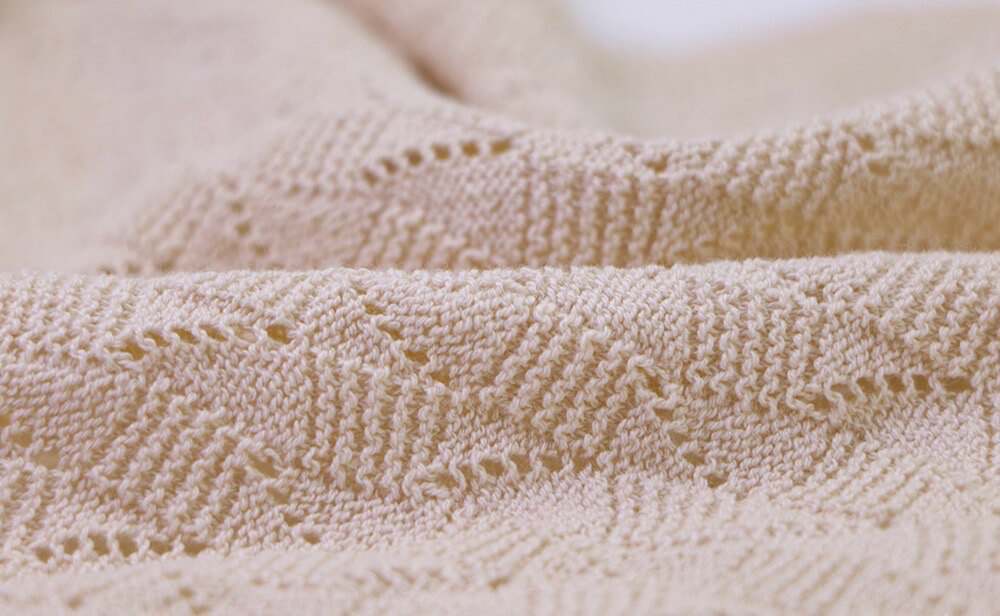
Regular cotton, also known as upland cotton, is the most commonly grown and used type of cotton worldwide. It thrives in warmer climates like those found in the U.S., India, and China. Thanks to its affordability and versatility, regular cotton is a popular choice for a wide range of everyday garments, from casual wear to home textiles.
The fibers of regular cotton are relatively short, typically about half an inch in length. These shorter fibers contribute to a yarn that is soft and breathable but generally has a rougher texture compared to other cotton varieties. Though regular cotton is comfortable to wear, its shorter fibers can cause it to lose its shape over time, especially with frequent washing.
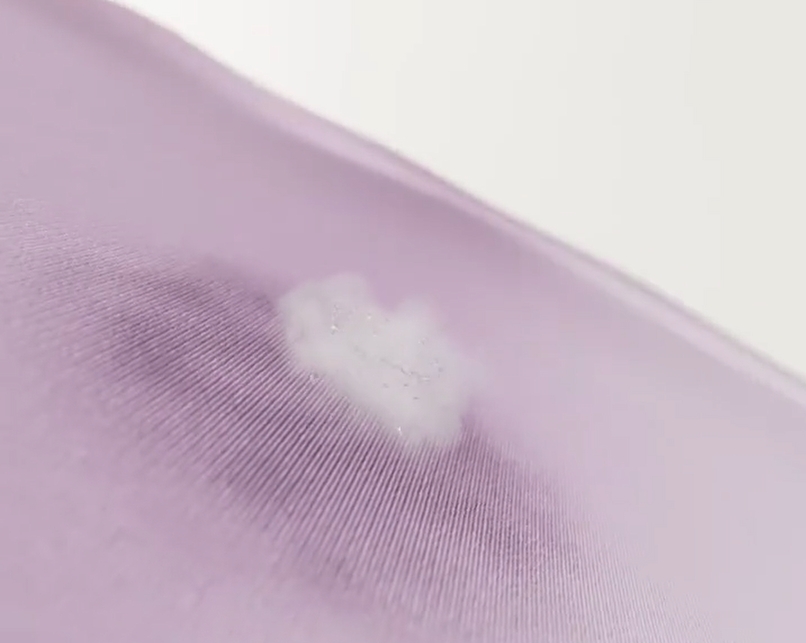
Another characteristic of regular cotton is its tendency to develop pilling, which are small, fuzzy balls that form on the surface of the yarn. This can make the garment look worn or aged more quickly. Regular cotton is also more prone to fading and shrinking with repeated laundering, which can affect the longevity of the garment’s appearance.
Despite these drawbacks, regular cotton remains an affordable and reliable option for everyday clothing, offering comfort and practicality for a wide variety of garments.
2.What is Pima Cotton?
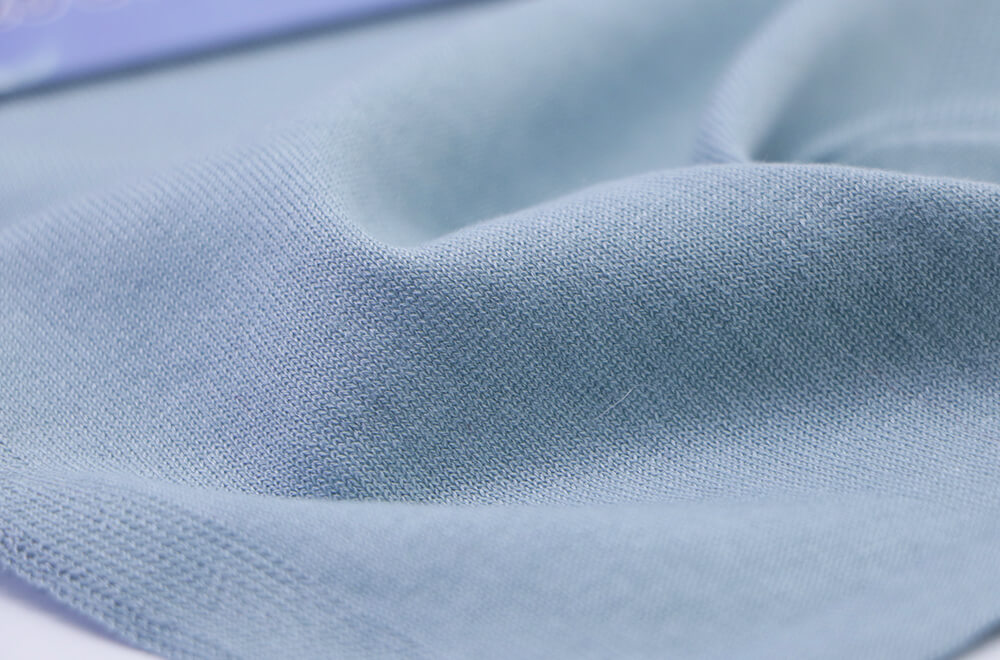
Pima cotton is a premium cotton variety that stands out due to its remarkable quality. Grown primarily in regions like the U.S. Southwest, Peru, and Australia, Pima cotton is made from extra-long staple (ELS) fibers—fibers that can extend up to 1.5 inches in length. The extended fiber length is one of the main reasons Pima cotton is known for its superior smoothness and strength.
Because of these longer fibers, Pima cotton creates yarn that feels incredibly soft and silky to the touch. The fibers’ length and quality result in fewer rough spots, allowing the material to remain smooth and comfortable for much longer than standard cotton. This smoothness not only enhances the feel of the yarn but also contributes to its durability. Pima cotton is less likely to fray, pill, or lose its shape after repeated use and washing.
One of the most significant advantages of Pima cotton is its strength. The longer fibers of Pima cotton contribute to a more resilient yarn, meaning that garments made from it hold up better over time. Unlike regular cotton, Pima cotton is more resistant to fading, shrinking, and pilling, which means the garments stay looking fresh and new for longer.
Another key benefit of Pima cotton is its natural sheen, which gives the yarn a subtle luster. This sheen enhances the garment’s visual appeal, making it look more luxurious. Additionally, Pima cotton absorbs dye better than regular cotton, leading to vibrant, long-lasting colors that don’t fade easily.
Key Differences Between Pima Cotton and Regular Cotton
Now that we’ve established what makes each type of cotton unique, let’s dive deeper into the key differences that affect the quality of knitwear. These differences influence how the yarns feel, perform, and last over time.
1.Fiber Length and Texture
- Pima Cotton:
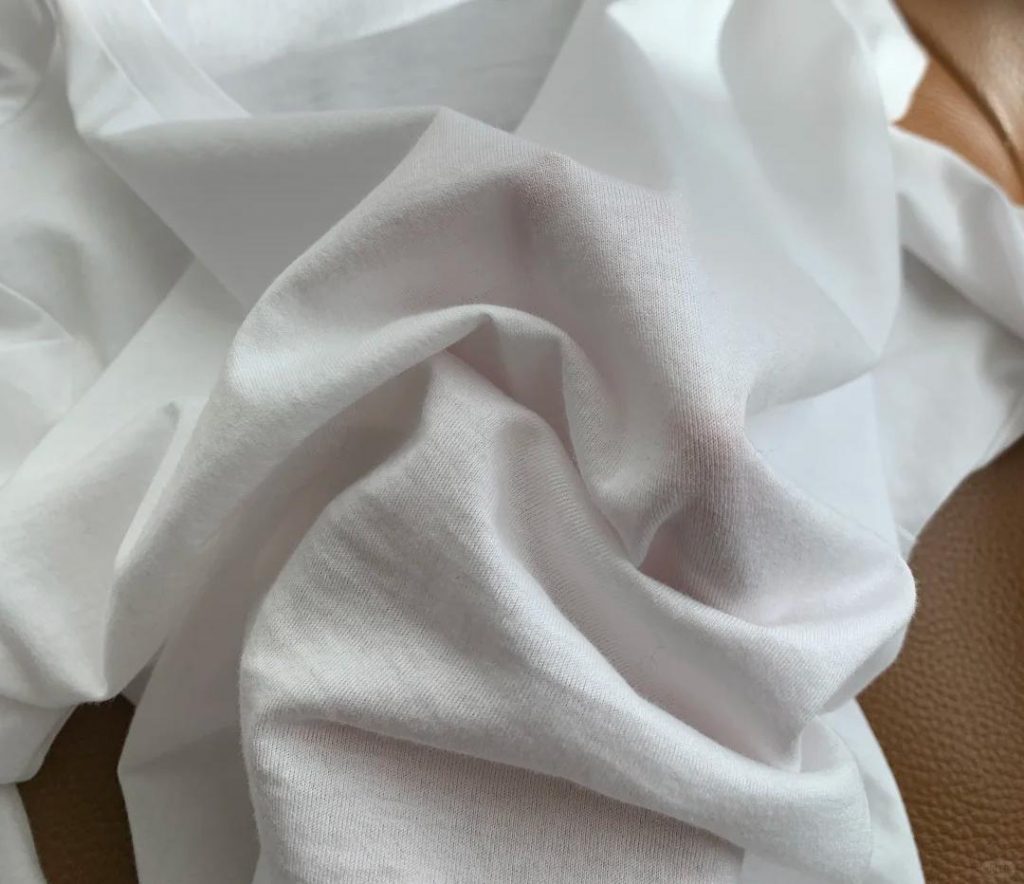
Pima cotton is known for its extra-long staple (ELS) fibers, which can reach up to 5 inchesin length. These longer fibers result in a smoother and softer texture. The longer fibers also create less friction between individual fibers, which means reduced pilling over time. Pima cotton garments tend to have a more luxurious feel due to this smoothness. - Regular Cotton:
Regular cotton (often referred to as upland cotton) has shorter fibers, typically around ½ inchin length. The shorter fibers make the yarn feel rougher, and regular cotton is more likely to pill after repeated wear and washing.
2. Strength and Durability
- Pima Cotton:
Thanks to its longer fibers, Pima cottonis significantly stronger and more durable than regular cotton. The extra-long fibers create a yarn that’s more resistant to wear and tear, fraying, and losing its shape, even after multiple washes. Pima cotton garments are likely to maintain their integrity much longer, making it a popular option for luxury knitwear and high-end apparel. - Regular Cotton:
While still durable for everyday wear, regular cottonis more prone to breaking down over time. The shorter fibers make it weaker, so regular cotton yarns tend to lose shape more easily after repeated washing. This makes regular cotton less resilient and more likely to show signs of fraying or tearing over time.
3. Moisture-Wicking and Breathability
- Pima Cotton:
Pima cotton is highly breathableand has excellent moisture-wicking properties. The long fibers create better airflow, allowing sweat to evaporate more efficiently and keeping you cool and dry. It’s an ideal yarn for hot, humid climates or for activewear designed for summer months. - Regular Cotton:
While regular cotton is also breathable, it does not wick moisture as effectively as Pima cotton. It tends to absorb moisture, but the yarnoften feels heavy or damp when exposed to humidity or sweat, which makes it less suitable for high-performance activewear in warm conditions.
4. Color Retention
- Pima Cotton:
Pima cotton has a smoother surface, which helps it retain dye betterand absorb it more deeply. This results in vibrant, rich colors that last longer. Pima cotton is favored in luxury fashion where color retention is crucial, as it maintains its brilliance even after multiple washes. - Regular Cotton:
Regular cotton tends to fade more quickly than Pima cotton due to its shorter fibers, which don’t absorb dye as effectively. As a result, colors may appear duller over time and fade more rapidly after repeated washing.
5. Price Difference
- Pima Cotton:
Due to its superior quality, longer fiber length, and labor-intensive cultivation, Pima cotton is generally more expensivethan regular cotton. The higher price point reflects its luxury status and the durability it offers, making it a long-term investment in quality. - Regular Cotton:
Regular cotton is far more affordable, which is why it’s used widely in budget-friendlyand mass-market apparel. While it may not offer the same level of luxury or durability as Pima cotton, regular cotton remains a cost-effective option for everyday clothing.
Why Pima Cotton is Ideal for Spring/Summer Knitwear
Pima cotton is widely regarded as one of the best yarns for high-quality knitwear, especially during the spring and summer months. Known for its luxurious feel, breathability, and sustainability, Pima cotton enhances both the aesthetics and functionality of warm-weather garments.
1. Premium Feel and Aesthetic
Pima cotton’s silky smooth texture and subtle sheen elevate the visual appeal and tactile quality of knitwear. The longer fibers and finer weave contribute to a polished finish, making garments appear more refined and elegant. This is why Pima cotton is often used in luxury knitwear, from lightweight sweaters to stylish cardigans.
The natural luster of Pima cotton reflects light beautifully, giving your spring and summer knitwear a sophisticated, luxurious look. Its smooth surface ensures that the yarn drapes well, making it perfect for both casual and more polished outfits. Whether you're heading to a summer gathering or simply lounging at home, Pima cotton garments feel as good as they look.
2. Comfort and Skin Sensitivity
One of Pima cotton’s standout features is its hypoallergenic nature, which makes it particularly beneficial for people with sensitive skin. The softness of Pima cotton prevents irritation, and its breathable qualities ensure comfort throughout the day, even in the heat of summer.
Because of its gentle feel, Pima cotton is often chosen for base layer garments, underwear, and items that are worn directly against the skin. For anyone who experiences discomfort with other yarns, Pima cotton offers a skin-friendly alternative that doesn’t compromise on style or quality. This makes it a top choice for those with skin sensitivities or anyone seeking all-day comfort in warmer weather.
3. Durability and Longevity
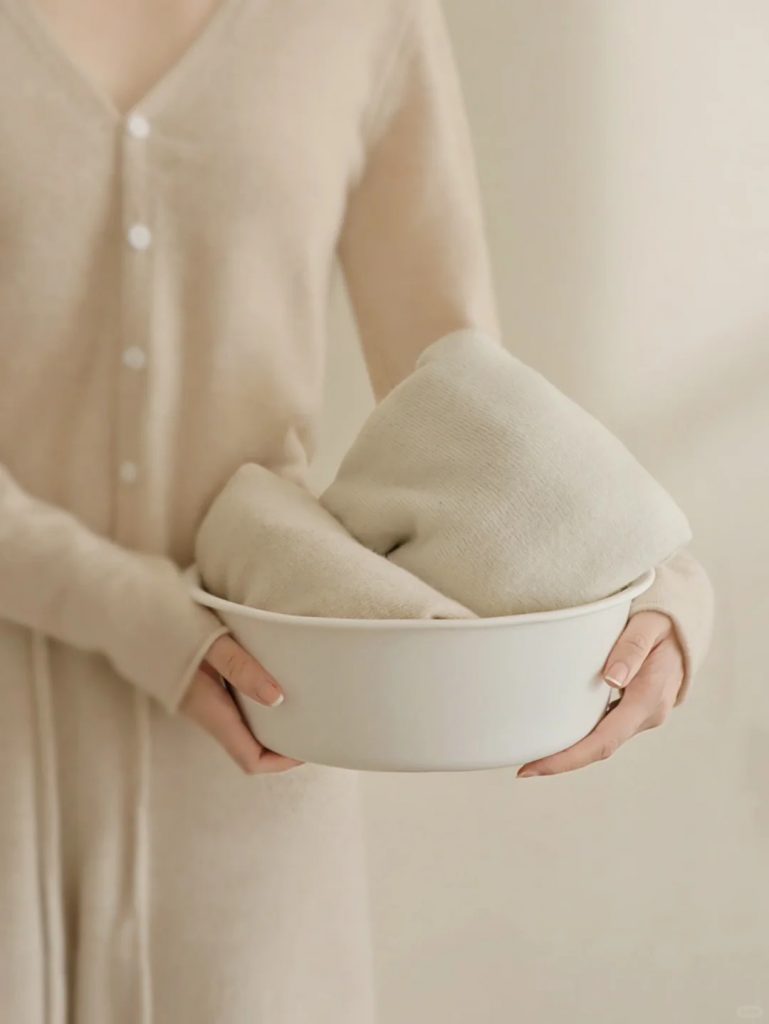
Pima cotton is prized not only for its luxurious feel but also for its long-lasting durability. The longer fibers result in a yarn that resists pilling, shrinkage, and fading over time. This means that garments made from Pima cotton maintain their appearance and integrity season after season.
For those who prefer high-quality knitwear, Pima cotton offers great value because it keeps looking fresh and well-maintained, even after multiple wears and washes. Whether it’s a summer sweater or a knit cardigan, these garments stand up well to regular wear. High-end fashion brands value Pima cotton precisely because it maintains its shape and color, ensuring that it remains a staple in your wardrobe for years.
4. Breathability and Moisture Management
Pima cotton excels at regulating body temperature, a key factor in making it ideal for warm weather. The yarn’s natural ability to allow for air circulation and its moisture-wicking properties help manage sweat, keeping you cool and dry throughout the day.
In addition to its breathability, Pima cotton absorbs moisture quickly, which means it dries faster than many other yarns. This makes it particularly beneficial in activewear or everyday knitwear worn in hot climates. Whether you're spending a day outdoors or just running errands, Pima cotton helps you stay comfortable in warmer temperatures.
5. Sustainability
For environmentally-conscious consumers, Pima cotton offers a sustainable alternative to regular cotton. Pima cotton requires less water and fewer pesticides compared to traditional cotton, making it a more eco-friendly option. The fact that it is grown in a more sustainable manner is important for consumers who are seeking to reduce their environmental impact.
By choosing Pima cotton, you support ethical cotton farming practices that focus on sustainability. As the demand for eco-friendly fashion grows, yarns like Pima cotton are leading the way in conscious consumerism. Choosing Pima cotton not only adds to the longevity and quality of your wardrobe, but it also contributes to the growth of sustainable fashion.
Common Misconceptions About Pima Cotton vs Regular Cotton
While Pima cotton is often hailed as the premium choice for luxury garments, there are several myths and misconceptions surrounding it that can lead to confusion. Some of these myths may prevent consumers from fully appreciating the true benefits of Pima cotton and from considering it as a viable alternative to regular cotton.
1. Pima Cotton and Shrinkage: Setting the Record Straight
One common misconception about Pima cotton is that it shrinks more than regular cotton, particularly after washing. This belief likely stems from the fact that regular cotton can shrink noticeably due to its shorter fibers and looser weave. While it’s true that all cotton yarns are prone to some degree of shrinkage when exposed to heat, Pima cotton is significantly less prone to shrinking compared to its regular counterpart.
The reason for this difference lies in the extra-long staple (ELS) fibers of Pima cotton. These longer, stronger fibers are tightly woven together, which contributes to the yarn’s greater stability. As a result, Pima cotton yarns hold their shape better over time and are more resistant to the distortions that cause shrinkage.
In addition, proper care—like washing Pima cotton in cold water and avoiding high-heat drying—can further reduce the likelihood of shrinkage. If you follow these care guidelines, Pima cotton garments will retain their size and shape far better than regular cotton, making them more durable and long-lasting.
2. Is Pima Cotton Just a Marketing Term?
Another common myth is that Pima cotton is just a marketing term used to sell more expensive cotton garments. Some people believe that it’s simply a fancy label used to justify higher prices. In reality, Pima cotton is a legitimate, high-quality cotton variety, and its designation isn’t a marketing gimmick at all.
Pima cotton is distinct from regular cotton because it’s grown from specific, high-quality seeds and cultivated in ideal climates such as the U.S. Southwest, Peru, and Australia. The key difference between Pima cotton and regular cotton lies in the fiber length—Pima cotton’s extra-long staple (ELS) fibers can reach up to 1.5 inches, whereas regular cotton fibers are much shorter (around half an inch). The longer fibers result in a smoother, more durable yarn that holds dye better and resists pilling and fading.
Pima cotton’s higher price point is justified by these superior characteristics, which include not only its strength and luxurious feel but also its ability to retain shape and color longer than regular cotton. Furthermore, because of its higher quality, garments made from Pima cotton tend to last longer, reducing the need for frequent replacements. This makes Pima cotton a worthy investment for those who are looking for sustainable, high-end clothing.
How to Choose Between Pima Cotton and Regular Cotton for Your Knitwear
When it comes to choosing between Pima cotton and regular cotton for your knitwear, the decision often comes down to the desired look, feel, and functionality of the garment. Each yarn has distinct advantages, and knowing when to choose one over the other can ensure that you get the most out of your purchase. Below, we break down when to go for Pima cotton, when regular cotton is the right choice, and how blended yarns can offer the best of both worlds.
1. When to Choose Pima Cotton
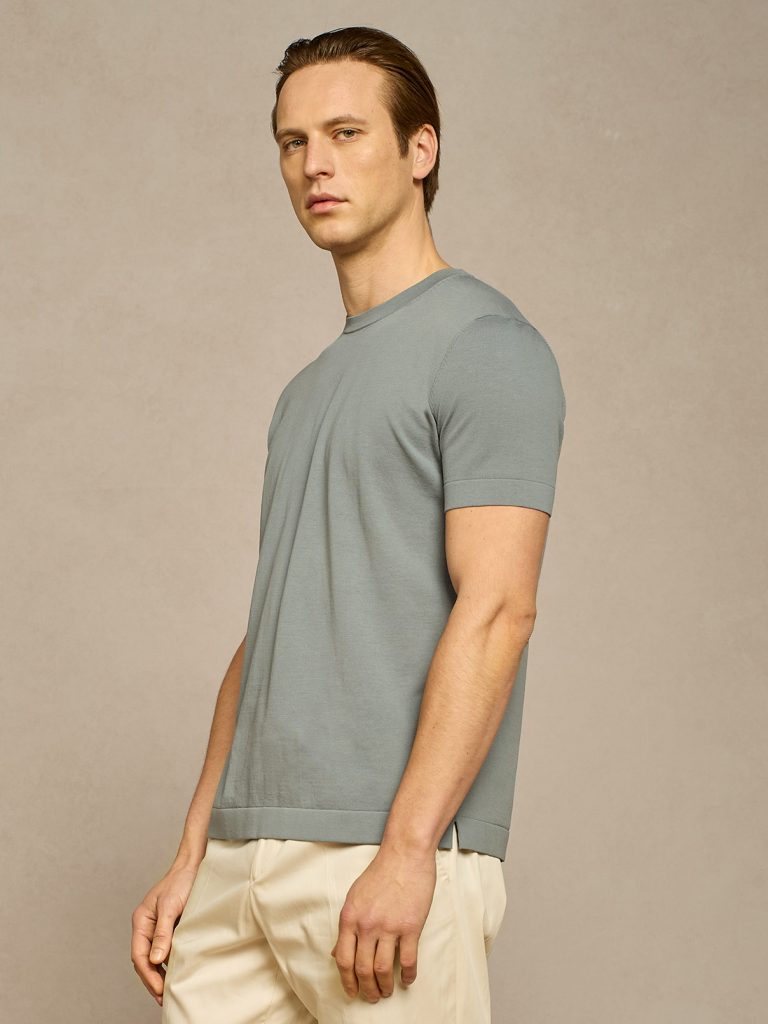
Pima cotton is the yarn of choice when you want to create luxury knitwear that combines exceptional durability with premium softness. If you’re looking to create garments that will stand the test of time while maintaining their aesthetic appeal, Pima cotton is the ideal option. It’s the go-to choice for garments that require a combination of refined texture and high-end feel.
When to Use:
- Special pieces: Pima cotton is perfect for garments like fine sweaters, scarves, and high-end summer cardigans. These are items you’ll wear year after year, and Pima cotton ensures they maintain their shape, softness, and vibrant colors.
- Timeless fashion: If you’re designing or buying pieces that are meant to last—both in terms of style and longevity—Pima cottonadds that luxury factor that makes the garment feel extra special.
Not only does Pima cotton look and feel premium, but it also holds up well to frequent wear and washing, making it a great choice for high-end knitwear that you want to stay in excellent condition for a long time.
2. When Regular Cotton Works
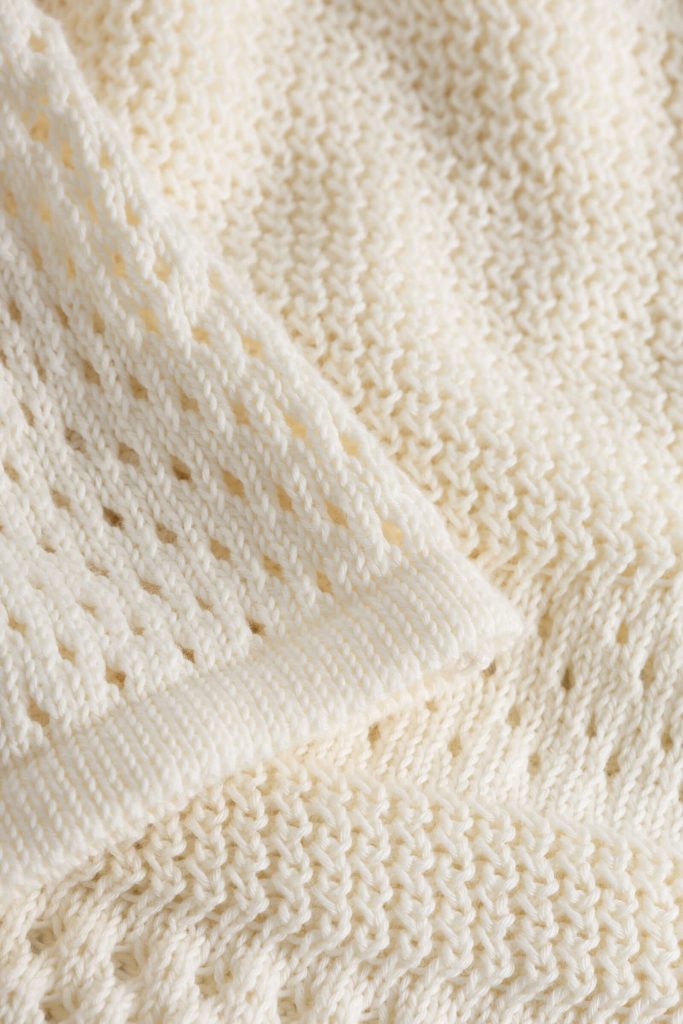
Regular cotton, though not as luxurious as Pima cotton, still has a place in creating comfortable, budget-friendly knitwear. It’s perfect for casual garments that don’t require the high-end qualities of Pima cotton but still offer softness, breathability, and versatility. Regular cotton works best for everyday items where price is a key factor.
When to Use:
- Everyday t-shirts: Regular cotton is great for casual, budget-friendly t-shirtsthat are worn frequently and washed often. It offers comfort without the need for premium yarn.
- Basic sweaters: If you’re after a lightweight sweater or casual knitwear that doesn’t need to be high-end, regular cotton is a good option for affordable, comfortable clothing.
- Short-term fashion items: For garments that may only be in your wardrobe for a season or two, regular cotton is a practical choice. It’s budget-friendly and serves its purpose without needing the longevity or luxury feel that comes with Pima cotton.
In short, regular cotton is ideal when cost and functionality are your main considerations rather than luxury or longevity.
3. Blended yarns
If you’re looking to combine the affordability of regular cotton with the luxury qualities of Pima cotton, a blended yarn might be the best of both worlds. Blending Pima cotton with other fibers like wool, silk, or even cashmere can enhance the yarn’s properties, offering you the perfect balance of softness, warmth, and stretchability.
- Cotton-Wool Blends: These are ideal for cooler weathergarments, offering the breathability of cotton with the insulating properties of wool. These blends are perfect for making seasonal sweaters and other knitwear that need warmth without sacrificing comfort.
- Cotton-Silk Blends: Combining Pima cotton with silkresults in an elegant, soft yarn with a shiny finish—perfect for more dressy garments like light cardigans or fancy tops. These blends are both breathable and luxurious, making them perfect for spring and summer
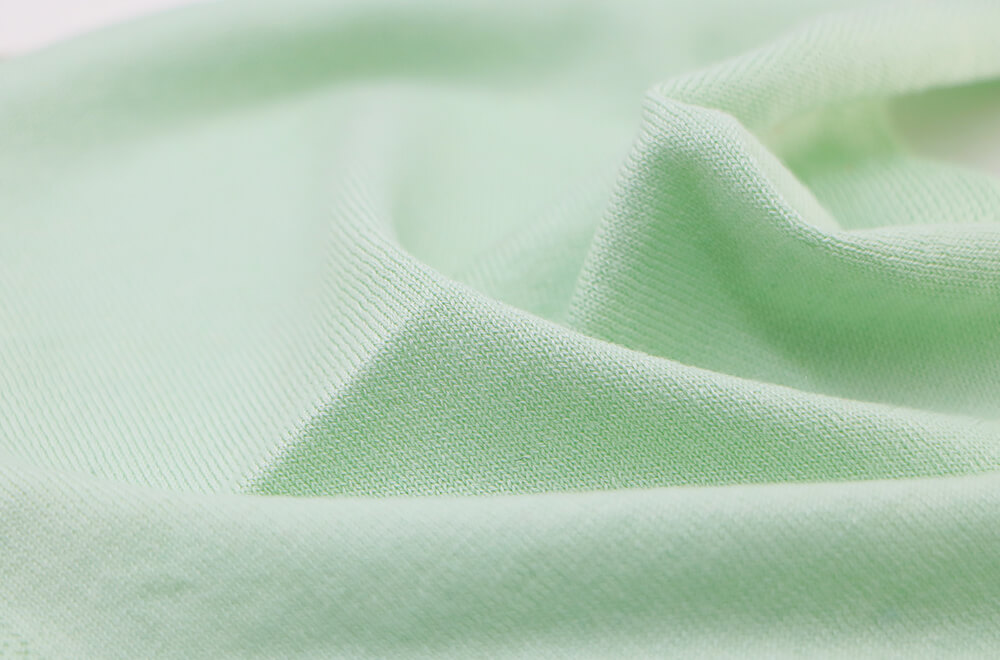
- Pima Cotton-Cashmere Blends: For those looking for ultra-soft, high-end knitwear, blending Pima cottonwith cashmere creates an incredibly soft and luxurious yarn that works well for all-season garments. This combination offers the breathability of cotton with the warmth of cashmere, making it ideal for items like luxury sweaters and scarves.
Conclusion
Pima cotton offers luxury and durability, making it the top choice for premium spring/summer knitwear, while regular cotton is perfect for everyday basics. Whether you’re after long-lasting quality or a budget-friendly option, understanding these differences ensures you make the best choice.
At HD, we specialize in high-end men's knitwear, using only the finest yarns and yarns. Contact us to help you create garments that not only look good but stand the test of time.